 Kendric adan
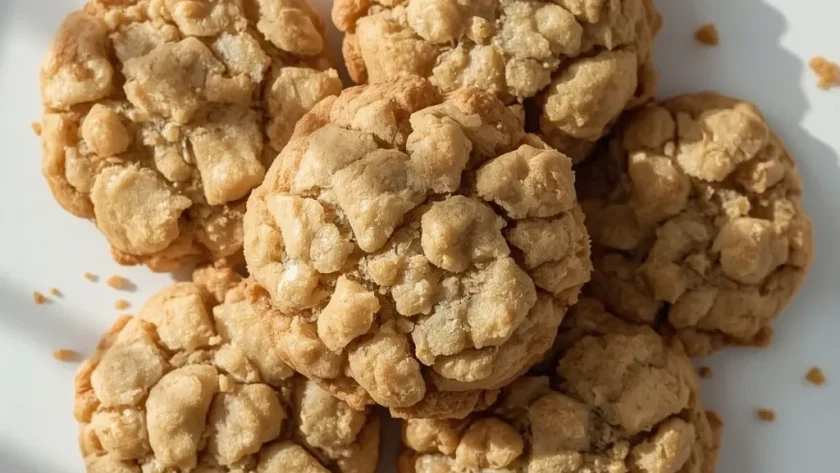
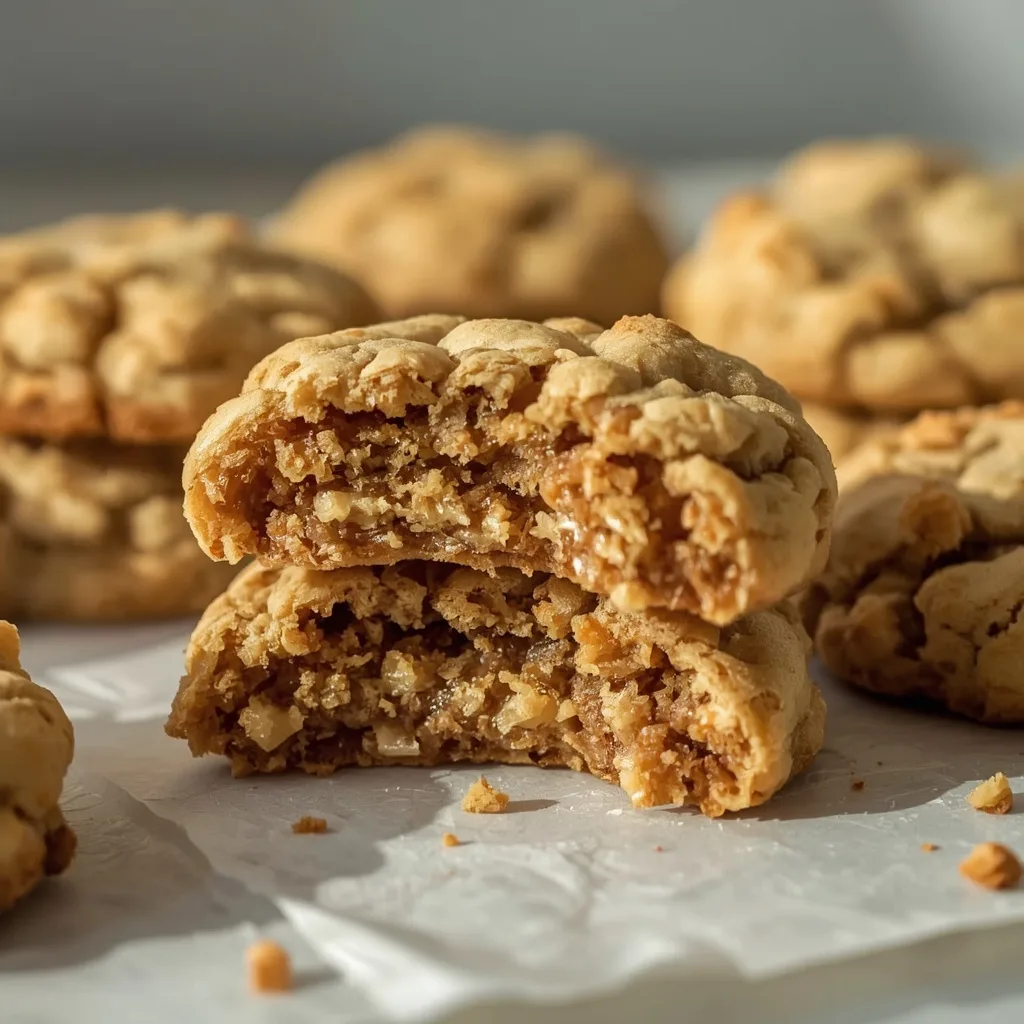
 The thick, soft, and buttery Crumbl Cookies (Base Recipe) deliver that signature oversized bakery texture at home. These cookies have a perfectly chewy center with lightly crisp edges that mirror the gourmet shop version.
Total time is just 30 minutes with 15 minutes of hands-on prep, making this a beginner-friendly dessert. The trickiest step is chilling the dough long enough—do not skip that part if you want the right thickness.
Why You’ll Love This Recipe
- True bakery texture — Thick centers stay soft and chewy while the edges turn lightly golden and crisp, just like the original.
- Simple ingredients — Nine pantry staples you likely already have, no specialty items or hard-to-find extracts needed.
- Customizable base — Fold in chocolate chips, nuts, or sprinkles to create endless flavor variations from one reliable dough.
What Makes This Recipe Special
The creaming method and brief chill time produce that signature Crumbl texture. Creaming butter and sugars for a full 2 to 3 minutes incorporates tiny air pockets that lift the dough during baking. Chilling solidifies the butter back down, so the cookies spread just enough without turning flat or greasy. Each bite has a tender crumb with a slight resistance from the edges.
Ingredients You’ll Need
Every ingredient here does a specific job. Here is what to grab and why each one matters.
Butter and Sugars
- 1 cup unsalted butter, softened to room temperature (2 sticks) — The backbone of the cookie, providing richness and structure. Softened butter creams properly; cold butter will not incorporate air evenly.
- 1 cup granulated sugar — Adds sweetness and helps create those lightly crisp edges through caramelization during baking.
- 1/2 cup packed light brown sugar — Brings moisture and a subtle molasses flavor that keeps the centers soft and chewy. Pack it firmly into the measuring cup for accuracy.
Eggs and Vanilla
- 2 large eggs, at room temperature — Bind the dough and add structure. Room temperature eggs blend into the creamed butter smoothly without shocking the mixture.
- 1 teaspoon pure vanilla extract — Rounds out the flavor profile. Pure vanilla gives a cleaner taste than imitation, but either works.
Dry Ingredients
- 2.5 cups all-purpose flour (11.25 oz) — The structural base. Weighing the flour is most accurate, but spooning and leveling also works if you do it gently.
- 1 teaspoon baking soda — Helps the cookies spread to the right diameter and gives them a slightly chewy texture.
- 1/2 teaspoon baking powder — Adds extra lift for a puffy, thick center without making them cakey.
- 1/2 teaspoon kosher salt — Balances sweetness and enhances the butter flavor. Use table salt at 1/4 teaspoon if that is all you have.
Equipment Needed
- Stand mixer or hand mixer — Beats the butter and sugar into a fluffy mixture efficiently. A sturdy whisk and elbow grease also work but take longer.
- Large baking sheets (2) — Line them with parchment paper for even browning and easy cleanup. No greasing needed with parchment.
- Medium mixing bowl — For whisking the dry ingredients together so the leaveners distribute evenly throughout the flour.
- Rubber spatula — Scrapes down the bowl thoroughly between additions, ensuring no butter or flour hides at the bottom.
- Kitchen scale (optional but helpful) — Weighing each dough portion to about 6 ounces (170 g) guarantees uniform cookie sizes for even baking.
Instructions to Prepare Crumbl Cookies (Base Recipe)
Follow these steps in order for the best results. The timing and temperatures matter here.
- Oven and baking sheets — Preheat to 350°F (177°C) with racks in the upper and lower thirds. Line two sheets with parchment paper to prevent sticking and promote even browning.
- Cream the butter and sugars — Beat the softened butter, granulated sugar, and brown sugar on medium speed for 2 to 3 minutes until light, fluffy, and pale. Scrape the bowl thoroughly with a rubber spatula.
- Add the eggs and vanilla — Add eggs one at a time, beating on medium after each until smooth and fully incorporated. Mix in the vanilla for 30 seconds. Over-mixing at this stage can incorporate too much air, leading to excessive spreading.
- Whisk the dry ingredients — In a separate medium bowl, whisk together the flour, baking soda, baking powder, and kosher salt. Whisking aerates the flour and distributes the leaveners evenly for a uniform rise.
- Combine wet and dry — With the mixer on low, add the dry ingredients about one-third at a time. Mix just until the last streaks of flour disappear. Stop immediately — overmixing develops gluten and makes the cookies tough.
- Chill the dough — Cover the bowl with plastic wrap and refrigerate for at least 30 minutes, up to 2 hours. Chilling solidifies the butter, which limits spreading during baking and produces a thicker, denser cookie.
- Shape the dough balls — Divide the chilled dough into 4 equal portions, each about 6 ounces (170 g). Roll each into a tall, uniform ball without flattening. If adding mix-ins, place a few on top of each ball for a bakery-style finish.
- Arrange on baking sheets — Space the dough balls at least 3 inches apart to allow for spreading. Gently press each ball down to about 3/4-inch thickness for even baking without a dome.
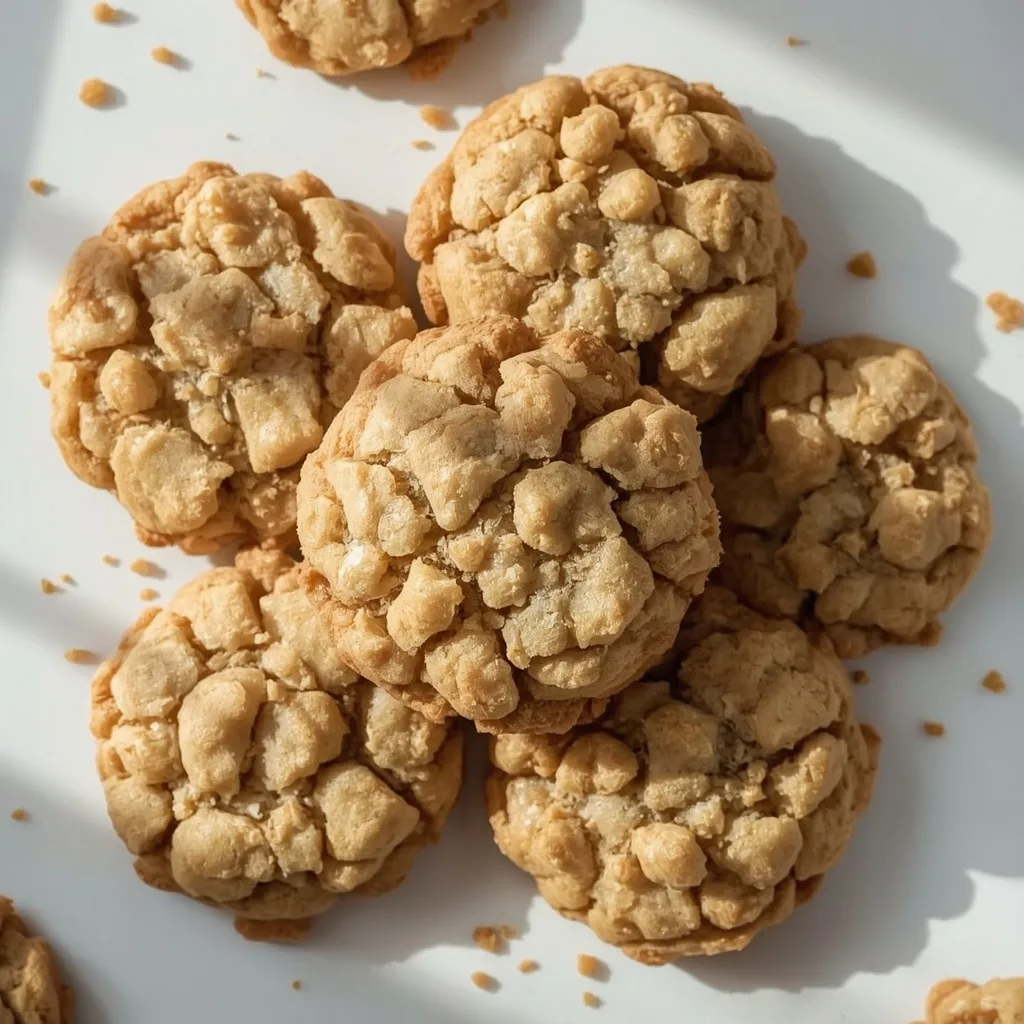
- Bake the cookies — Bake for 12 to 15 minutes, rotating pans halfway through. The edges should be lightly golden and the centers just set — they will still look slightly soft and puffed. Do not overbake; they continue setting on the hot pan.
- Cool and transfer — Let the cookies rest on the baking sheet for exactly 5 minutes. This allows the interior to finish cooking gently and firms them up for transfer. Move to a wire rack to cool completely. Enjoy warm for a gooey center or at room temperature for a fully set texture.
Expert Tips for a Standout Crumbl Cookies (Base Recipe)
- Butter temperature is critical — Soften butter to room temperature (around 65–68°F) but not melted. Properly softened butter holds air during creaming, giving the cookies lift without excessive spread.
- Chill the dough in the bowl — Refrigerate it in the mixing bowl, then scoop into balls right before baking. This keeps the dough cold throughout and prevents the butter from warming up too fast on the baking sheet.
- Weigh your dough portions — Each ball at 6 ounces (170 g) ensures identical cookies that bake at the same rate. Eyeballing portions leads to some overcooked and some underdone.
- Rotate pans halfway through — Swap the top and bottom sheets and turn them front to back at the 6-minute mark. Ovens have hot spots, and this simple step guarantees even browning across all four cookies.
- Pull them when the centers look underdone — The centers should appear soft, puffed, and slightly glossy when you take them out. They will set into that perfect chewy texture as they cool on the hot pan.
- Let them rest the full 5 minutes — Moving them too early causes the soft centers to collapse or stick to the parchment. The rest time is not optional — it finishes the baking process gently.
Common Mistakes to Avoid
- Using cold butter — Cold butter does not cream properly, leaving you with a dense dough that bakes into flat, greasy cookies. Let it sit out for 30–45 minutes beforehand.
- Skipping the chill time — Warm dough spreads into thin, crispy discs rather than thick, soft rounds. Thirty minutes in the fridge makes a noticeable difference.
- Overmixing the dough — Mixing after the flour disappears develops gluten, which creates tough, bread-like cookies. Stop the mixer as soon as the dough comes together.
- Overbaking the cookies — Baking until the centers look fully set results in dry, crunchy cookies. Take them out while the centers still look soft and puffed.
- Flattening the dough balls too much — Pressing them thinner than 3/4 inch yields cookies that spread into wide, flat puddles. A gentle press is all they need.
- Baking on hot sheets — Reusing a warm baking sheet causes the butter to melt before the cookies set, leading to excessive spread. Let sheets cool completely between batches if baking in rounds.
Variations & Ways to Customize Crumbl Cookies (Base Recipe)
- Classic chocolate chip — Fold 1.5 cups of semi-sweet chocolate chips into the dough before chilling. Press a few extra chips onto the top of each ball before baking for that bakery look.
- Double chocolate — Replace 1/4 cup of the all-purpose flour with 1/4 cup of unsweetened cocoa powder. Add white chocolate or dark chocolate chips for contrast against the rich cocoa base.
- Peanut butter swirl — Drop small spoonfuls of creamy peanut butter onto each dough ball and swirl gently with a toothpick before baking. Use crunchy peanut butter for added texture.
- Oatmeal raisin — Reduce the flour to 2 cups and add 1 cup of old-fashioned rolled oats along with 3/4 cup of raisins. Cinnamon and nutmeg optional for warmth.
- Sprinkle sugar cookies — Omit any mix-ins and roll the dough balls in rainbow sprinkles before baking. The butter base creates a neutral canvas that lets the sprinkles shine.
- Salted caramel — Press a soft caramel candy into the center of each dough ball before baking. Sprinkle flaky sea salt on top immediately after pulling them from the oven.
What to Serve With Crumbl Cookies (Base Recipe)
These oversized cookies pair well with simple accompaniments that balance their richness. Here are some ideas.
- Cold glass of milk — Whole milk cuts the sweetness and provides a creamy contrast to the buttery cookie texture. The classic pairing for good reason.
- Vanilla bean ice cream — Sandwich a scoop between two cookies for an indulgent ice cream sandwich. Let the cookies cool completely first so the ice cream does not melt immediately.
- Hot coffee or espresso — Black coffee offsets the sugar and cleanses the palate between bites. A double espresso works especially well with chocolate chip variations.
- Fresh berries — A handful of raspberries or sliced strawberries adds acidity that cuts through the richness. A simple fruit salad on the side lightens the dessert course.
- Whipped cream — A dollop of lightly sweetened whipped cream on top of a warm cookie creates a quick, indulgent sundae. Add a drizzle of chocolate sauce for extra flair.
- Iced tea — Unsweetened iced tea with lemon provides a refreshing, low-sugar drink that does not compete with the cookie flavors. Herbal teas like chamomile also work well.
Make-Ahead Instructions
- Refrigerate the dough — The dough can stay wrapped in the refrigerator for up to 72 hours. The longer chill actually deepens the flavor as the butter and sugars meld together.
- Freeze the dough balls — Portion the dough into 6-ounce balls, place them on a baking sheet, and freeze until solid. Transfer to a zip-top bag and store for up to 3 months.
- Bake from frozen — No need to thaw frozen dough balls. Add 2 to 3 extra minutes to the bake time and check for the same visual cues — lightly golden edges with soft centers.
- Store baked cookies — Fully cooled cookies freeze well for up to 3 months. Wrap each cookie individually in plastic wrap and place in an airtight container to prevent freezer burn.
Storage and Reheating
Storage
- Room temperature — Store cooled cookies in an airtight container at room temperature for up to 3 days. Layer parchment between cookies to prevent them from sticking together.
- Freezer — Wrap individually in plastic wrap and place in a freezer-safe bag for up to 3 months. Thaw at room temperature for about 30 minutes before serving.
- Dough storage note — Baked cookies retain their texture better than unbaked dough. If you plan to bake later, freeze the dough balls rather than storing them in the fridge long term.
Reheating
- Oven method — Warm cookies in a 300°F (150°C) oven for 3 to 5 minutes. This restores the crisp edges and soft center without drying them out.
- Microwave method — Heat one cookie on high for 10 seconds for a warm, gooey center. Overheating makes the cookie tough and rubbery.
- Air fryer method — Reheat in an air fryer at 300°F (150°C) for 2 to 3 minutes. Watch closely because air fryers run hot and can burn the edges quickly.
- Stovetop skillet method — Place a cookie in a cold non-stick skillet over low heat for about 2 minutes per side. This gently warms the cookie while keeping the interior soft.
Nutritional Breakdown (Per Serving)
Based on 1 serving = 1 cookie out of 4 total.
- Calories — 1029
- Protein — 11g
- Fat — around 49g
- Carbohydrates — about 136g
- Fiber — 1g
- Sugar — roughly 77g
- Sodium — close to 650mg
Frequently Asked Questions
Can I freeze Crumbl Cookies (Base Recipe) dough?
Yes, portion the dough into 6-ounce balls and freeze them on a baking sheet. Once solid, transfer to a zip-top bag and bake directly from frozen, adding 2 to 3 minutes to the bake time.
Why did my cookies spread too thin?
The dough likely was not chilled long enough, or the butter was too soft when you creamed it. Chill the dough for at least 30 minutes, and make sure your butter is softened but not melted.
How long does Crumbl Cookies (Base Recipe) stay fresh at room temperature?
Store them in an airtight container for up to 3 days. After that, the texture turns stale and the edges lose their crispness. You can reheat them briefly to refresh the texture.
Can I use salted butter instead of unsalted?
Yes, but reduce the added kosher salt to 1/4 teaspoon to avoid overly salty cookies. Salted butter has varying salt levels across brands, so taste the dough before adding extra salt.
What is the best way to get evenly sized cookies?
Weigh each dough portion to exactly 6 ounces (170 g) using a kitchen scale. This ensures all four cookies bake at the same rate and look uniform on the serving plate.
Can I make smaller cookies with this Crumbl Cookies (Base Recipe) dough?
Divide the dough into 8 portions instead of 4, each about 3 ounces (85 g). Reduce the bake time to 9 to 11 minutes and watch for the same visual cues — golden edges with soft centers.
Final Words
This Crumbl Cookies (Base Recipe) gives you that oversized bakery experience without leaving your kitchen. The texture lands somewhere between chewy and tender, with every bite tasting deeply buttery. Give the dough its full chill time, trust the visual cues over the timer, and you will have cookies worth sharing.
More Recipes
PrintCrumbl Cookies (Base Recipe)
Thick, soft, and buttery cookies with a perfectly chewy center and lightly crisp edges. This base recipe mirrors the iconic Crumbl cookie texture—gourmet, oversized, and irresistible.
- Prep Time: 15
- Cook Time: 15
- Total Time: 30
- Yield: 4 1x
- Category: Dessert
- Method: Baking
- Cuisine: American
Ingredients
- 1 cup unsalted butter, softened to room temperature (2 sticks)
- 1 cup granulated sugar
- 1/2 cup packed light brown sugar
- 2 large eggs, at room temperature
- 1 teaspoon pure vanilla extract
- 2.5 cups all-purpose flour (11.25 oz)
- 1 teaspoon baking soda
- 1/2 teaspoon baking powder
- 1/2 teaspoon kosher salt
Instructions
- Preheat your oven to 350°F (177°C) and position racks in the upper and lower thirds. Line two large baking sheets with parchment paper; this prevents sticking and promotes even browning.
- In the bowl of a stand mixer fitted with the paddle attachment (or using a hand mixer), cream together the softened butter, granulated sugar, and brown sugar on medium speed for 2 to 3 minutes until the mixture is light, fluffy, and pale in color. Scrape down the sides and bottom of the bowl thoroughly with a rubber spatula to ensure even mixing.
- Add the eggs one at a time, beating on medium speed after each addition until fully incorporated and the mixture is smooth. Add the vanilla extract and mix for another 30 seconds. Over-mixing at this stage can incorporate too much air, leading to cookies that spread too much.
- In a separate medium bowl, whisk together the all-purpose flour, baking soda, baking powder, and kosher salt. Whisking aerates the flour and distributes the leaveners and salt evenly, which is critical for a uniform rise.
- With the mixer on low speed, gradually add the dry ingredients to the wet mixture, adding about one-third at a time. Mix just until the last streaks of flour disappear—stop as soon as the dough comes together. Do not overmix, as developing excess gluten will make the cookies tough.
- Cover the bowl with plastic wrap and refrigerate the dough for at least 30 minutes, or up to 2 hours. Chilling solidifies the butter, which limits spreading during baking and produces a thicker, denser cookie with a soft interior. For best results, chill the dough in the bowl, then scoop into balls immediately before baking.
- Once chilled, divide the dough into 4 equal portions, each weighing about 6 ounces (170 g). Roll each portion into a tall, uniform ball—do not flatten. If desired, place a few additional chocolate chips or mix-ins on top of each ball for a bakery-style finish.
- Place the dough balls on the prepared baking sheets, spacing them at least 3 inches apart to allow for spreading. Gently press each ball down just slightly to about 3/4-inch thickness; this ensures even baking without a dome.
- Bake for 12 to 15 minutes, rotating the pans halfway through, until the edges are lightly golden and the centers appear just set (they will still look slightly soft and puffed). Do not overbake—the cookies will continue to set as they cool on the hot pan.
- Allow the cookies to cool on the baking sheet for exactly 5 minutes. This resting time lets the interior finish cooking gently and makes the cookies firm enough to transfer. Then move them to a wire rack to cool completely. For a gooey center, enjoy warm; for a fully set texture, cool to room temperature.
Notes
Store cooled cookies in an airtight container at room temperature for up to 3 days, or freeze for up to 3 months. To reheat, warm in a 300°F (150°C) oven for 3-5 minutes or microwave for 10 seconds. If adding mix-ins (chocolate chips, nuts, etc.), fold 1.5 cups into the dough just before chilling. For extra thick cookies, chill the dough balls for 1 hour before baking.
Nutrition
- Calories: 1029
- Sugar: 77g
- Sodium: 650mg
- Saturated Fat: 30g
- Carbohydrates: 136g
- Fiber: 1g
- Protein: 11g
- Cholesterol: 217mg
Keywords: Crumbl cookies, copycat Crumbl, thick cookies, soft batch cookies, gourmet cookies, buttery cookies, cookie base recipe, large cookies, dessert, baking, American cookies