 Kendric adan
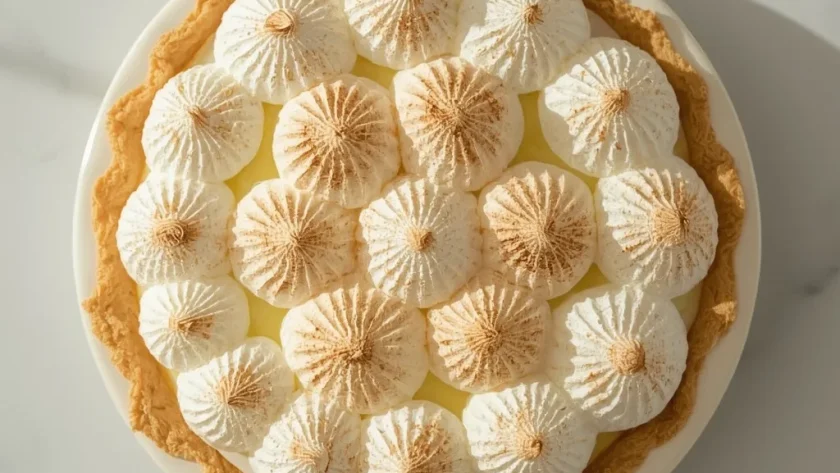
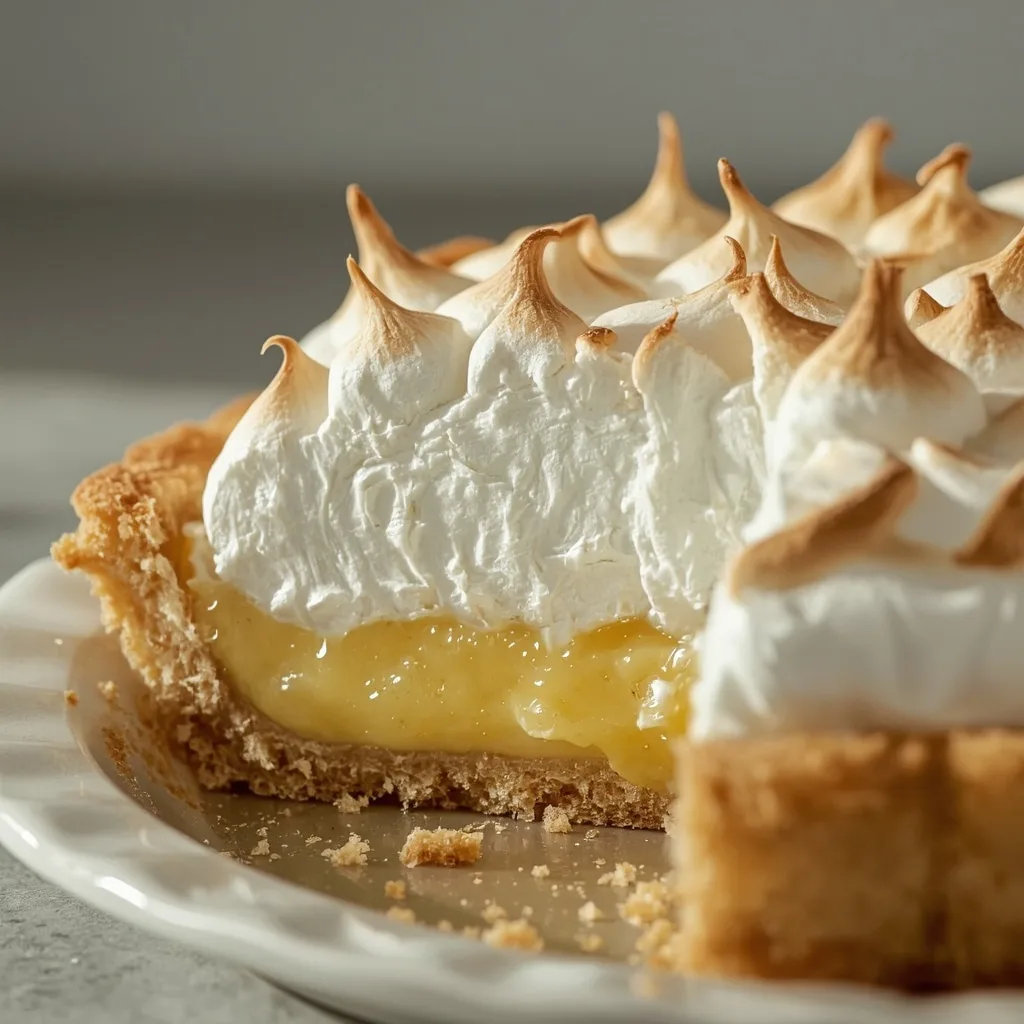
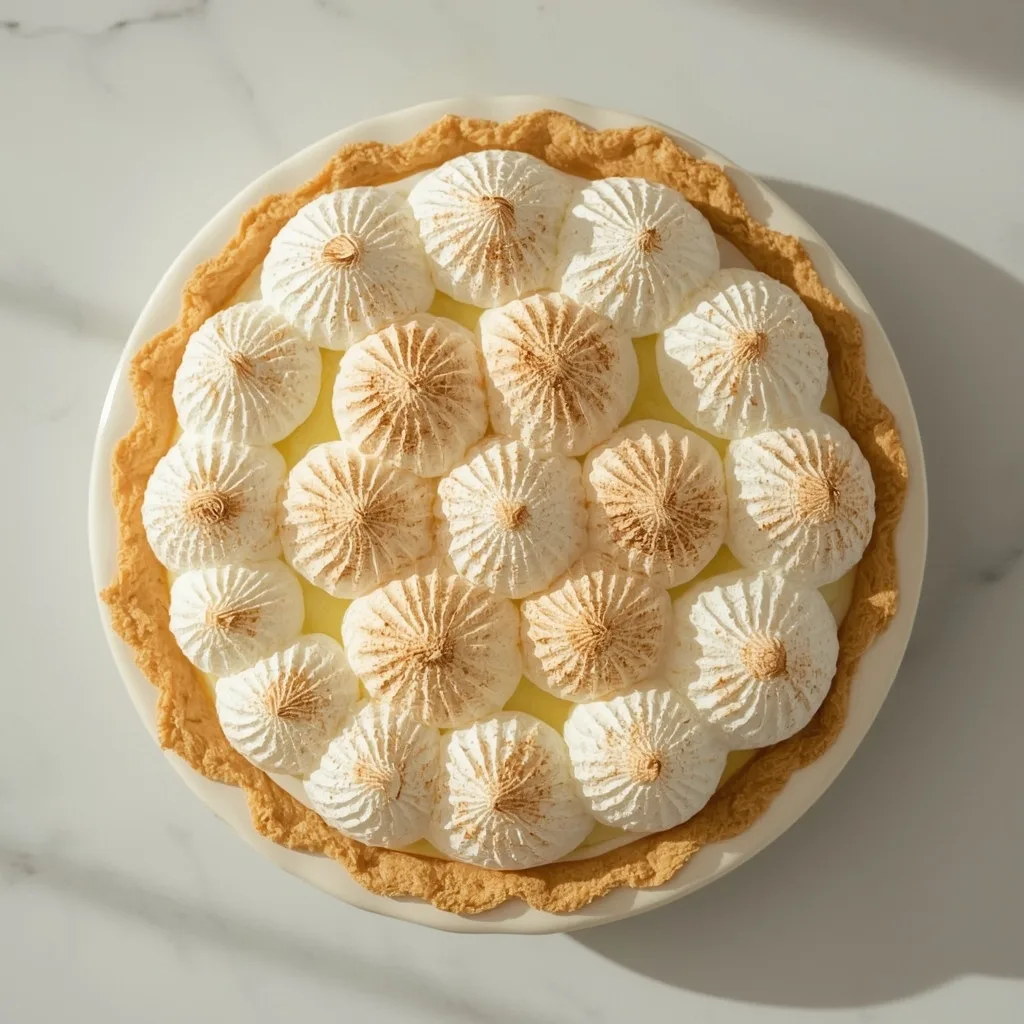
This Lemon Meringue Pie is the classic version you want when only the real thing will do. A crisp, buttery pastry crust holds a tangy, silky-smooth lemon curd, all topped with a cloud-like meringue toasted to golden perfection.
The total time is about 5 hours and 30 minutes, including plenty of chill time, and I would rate this recipe as intermediate. The trickiest part is making sure your meringue is properly sealed to the crust edges, but I will walk you through it step by step.
Why You’ll Love This Recipe
- Perfect balance — The tart lemon filling is a direct contrast to the sweet, airy meringue, creating a dessert that is neither too sour nor too sweet.
- Impressive presentation — Tall, glossy, toasted peaks make this pie look like something from a bakery, yet it is entirely doable at home.
- Clear, tested instructions — Every step comes from real kitchen experience, so you can avoid the common pitfalls like a soggy crust or weeping meringue.
What Makes This Recipe Special
The filling uses both lemon juice and zest for a bright, authentic citrus flavor that bottled juice cannot match. A cornstarch-thickened curd gives you a stable filling that slices cleanly without being gummy. The meringue is stabilized with cream of tartar and a slow sugar addition, which helps it hold its shape and brown evenly.
Ingredients You’ll Need
Here is what you need to gather before you start. Having everything prepped makes the process far smoother.
For the Pie Crust
- 1 1/4 cups all-purpose flour (160g) — The base of a tender, flaky crust. All-purpose works best here; avoid bread flour as it makes the dough tough.
- 1/2 teaspoon kosher salt — Balances the sweetness and enhances the buttery flavor.
- 1 tablespoon granulated sugar — A tiny bit for the crust; it adds a subtle sweetness and helps with browning.
- 1/2 cup (1 stick) unsalted butter, cold and cut into 1/2-inch cubes — Cold butter is non-negotiable. The small cubes create steam pockets during baking, which gives you flaky layers.
- 3 to 4 tablespoons ice water, as needed — Use ice-cold water, and add it gradually. Too much water makes the dough sticky; too little leaves it crumbly.
For the Lemon Filling
- 1 cup granulated sugar (200g) — Sweetens and balances the tartness of the lemons.
- 1/4 cup cornstarch (32g) — Thickens the filling to a sliceable consistency. Do not substitute flour here; cornstarch gives a clearer, silkier texture.
- 1/4 teaspoon kosher salt — Enhances the lemon flavor and cuts the sweetness.
- 1 1/2 cups water (355ml) — The liquid base for the curd. Tap water is fine.
- 3 large egg yolks — Provide richness and help set the filling. Save the whites for the meringue.
- 1/2 cup fresh lemon juice (from about 3 lemons, 120ml) — Fresh juice only. Bottled juice lacks the bright acidity needed here.
- 1 tablespoon lemon zest (from about 2 lemons) — The zest adds concentrated lemon oil and aroma. Use a microplane for the finest zest.
- 2 tablespoons unsalted butter, cut into small pieces — Adds richness and a glossy sheen to the filling.
For the Meringue
- 3 large egg whites, at room temperature — Room temperature whites whip to a higher volume than cold ones. Separate the eggs while cold, then let the whites sit out for 20 minutes.
- 1/4 teaspoon cream of tartar — Stabilizes the egg whites, helping them form stiff, glossy peaks that hold up during baking.
- 1/2 cup granulated sugar (100g) — Dissolves into the whites to create a stable, sweet meringue.
- 1/2 teaspoon vanilla extract — A touch of warmth that rounds out the flavor of the meringue.
Equipment Needed
You likely already have most of these. A few specialized tools make the job easier, but do not worry about having everything.
- 9-inch pie plate — Standard size. Glass or ceramic works best for even heat distribution.
- Pastry blender or your fingertips — For cutting cold butter into the flour. A food processor also works, but be careful not to over-process.
- Stand mixer with whisk attachment — The easiest way to whip meringue to stiff peaks. A hand mixer with a large bowl also works, but it takes a bit longer.
- Fine-mesh strainer — Essential for straining the lemon filling to remove any lumps or zest pieces. Do not skip this step.
- Pie weights or dried beans — For blind-baking the crust. You need something to hold the parchment down while the crust bakes initially.
Instructions to Prepare Lemon Meringue Pie
Work through these steps in order, and give the dough and filling enough time to chill and set. Rushing any stage leads to trouble.
- Make the pie crust — Whisk together flour, salt, and sugar. Cut in the cold butter cubes until the mixture looks like coarse meal with pea-sized butter pieces. Sprinkle 3 tablespoons of ice water over the flour and stir with a fork until the dough begins to hold together. Add the last tablespoon of water, one teaspoon at a time, only if needed. Form into a disk, wrap in plastic, and chill for at least 1 hour.
- Blind-bake the crust — Preheat the oven to 375°F (190°C). On a floured surface, roll the dough into a 12-inch round. Transfer it to a 9-inch pie plate, pressing it gently into the corners. Trim the overhang to 1/2 inch, fold it under, and crimp the edges. Line with parchment and fill with pie weights. Bake for 15 minutes, then remove the parchment and weights and bake another 10-12 minutes until light golden brown. Cool completely.
- Cook the lemon filling — In a medium saucepan, whisk together sugar, cornstarch, and salt. Slowly whisk in water until smooth. Cook over medium-high heat, stirring constantly, until thick and bubbling, about 5-7 minutes. You want to see large bubbles bursting on the surface — this cooks out the starch.
- Temper the egg yolks — Lightly beat the yolks in a small bowl. Gradually whisk about 1/2 cup of the hot sugar mixture into the yolks, then pour the yolk mixture back into the saucepan. Reduce heat to medium and cook, stirring constantly, for 2 more minutes until the filling is very thick and glossy.
- Finish the filling — Remove from heat and stir in lemon juice, lemon zest, and butter until the butter melts and the filling is smooth. Strain the filling through a fine-mesh strainer into the cooled crust to remove any lumps. Let it cool at room temperature for 10-15 minutes.
- Make the meringue — In a clean, dry mixer bowl, combine egg whites and cream of tartar. Beat on medium speed until foamy, then increase to high and slowly add sugar, about 1 tablespoon at a time. Beat until stiff, glossy peaks form and the sugar is dissolved, 4-6 minutes. Add vanilla and beat briefly.
- Assemble and bake — Spread the meringue over the warm filling, making sure it touches the edges of the crust all the way around to seal. Use the back of a spoon to create peaks and swirls. Bake at 375°F (190°C) for 10-12 minutes until the meringue is golden brown. Cool completely, then refrigerate for at least 4 hours or overnight before slicing.
Expert Tips for a Standout Lemon Meringue Pie
- Chill the dough long enough — At least 1 hour in the fridge relaxes the gluten and firms the butter, which prevents the crust from shrinking during blind-baking.
- Boil the filling to thicken — Do not pull the pan off the heat the second it starts to bubble. Let it come to a full, rolling boil for a few seconds to ensure the cornstarch is fully activated.
- Pour hot filling onto warm crust — A cold crust can cause the hot filling to cool too quickly, leading to a less stable set. Let the blind-baked crust cool to just warm before filling.
- Room temperature egg whites are key — Cold whites do not whip as high or as stable. Let them sit out for 20-30 minutes before beating.
- Seal the meringue to the crust — The meringue must touch the pastry edge all around. This prevents it from shrinking away from the crust as it bakes.
- Watch the meringue closely — It browns fast. Start checking at 10 minutes, and pull it out when the peaks are golden brown. Over-baking makes it weep later.
- Use a hot knife for clean slices — Dip a sharp knife in hot water, wipe it dry, then slice. This cuts through the meringue without dragging or tearing.
Common Mistakes to Avoid
- Soggy bottom crust — This happens when the filling is not hot enough when poured in. Always pour the filling while it is still piping hot to help set the bottom crust.
- Weeping meringue — Beads of liquid on the meringue surface come from under- or over-baking. Bake just until the peaks are golden, no longer.
- Shrinking crust — You skipped the chill time. The dough needs that full hour in the fridge to relax the gluten and chill the butter.
- Lumpy filling — Cornstarch lumps form if you add the water too quickly. Whisk the water in slowly, and if lumps remain, strain the filling through a fine-mesh strainer.
- Grainy meringue — Undissolved sugar leaves a gritty texture. Rub a bit of the meringue between your fingers — if it feels sandy, keep beating until it is smooth.
- Curdled filling — Adding the hot sugar mixture to the yolks too quickly can scramble them. Always add it gradually while whisking constantly.
Variations & Ways to Customize Lemon Meringue Pie
- Key lime version — Replace the lemon juice and zest with fresh Key lime juice and zest. The filling will be slightly more tart with a floral note.
- Graham cracker crust — Skip the pastry crust and use a pre-baked graham cracker crust instead. This cuts down on prep time and adds a sweet, crunchy contrast.
- Lavender lemon — Add 1 teaspoon of dried culinary lavender to the sugar before making the filling. Strain it out with the zest for a subtle floral twist.
- Berry-topped pie — After the pie sets, top each slice with fresh raspberries or blueberries. The tart fruit complements the lemon beautifully.
- Meringue-free version — Skip the meringue and top the filling with sweetened whipped cream just before serving. This makes a simpler lemon cream pie.
- Spiced crust — Add 1/2 teaspoon of ground ginger or cinnamon to the flour mixture for the pastry. The warm spice pairs nicely with the bright citrus.
What to Serve With Lemon Meringue Pie
A slice of this pie is wonderful on its own, but a few thoughtful pairings can make it feel even more special.
- Fresh berries — A handful of raspberries or sliced strawberries add a burst of color and a fresh, juicy contrast to the rich pie.
- Whipped cream — A dollop of lightly sweetened cream softens the tartness and adds a silky texture against the crisp meringue.
- Hot tea — Earl Grey or chamomile tea are both excellent choices. The floral notes in the tea echo the lemon and meringue without overpowering them.
- Vanilla ice cream — A scoop of plain vanilla ice cream next to a slice of warm pie creates a classic hot-cold, sweet-tart combination.
- Shortbread cookies — A few buttery shortbread cookies on the side add a pleasant crunch and a mild flavor that does not compete with the pie.
Make-Ahead Instructions
- Prepare the crust — You can blind-bake the crust up to 2 days in advance. Wrap it tightly in plastic wrap and keep it at room temperature. Do not fill it until you are ready to assemble.
- Make the filling — The lemon filling can be made 1 day ahead. Cook it as directed, strain it, and store it in an airtight container in the fridge. Reheat it gently on the stovetop before pouring into the crust.
- Assemble the pie — For best results, assemble the pie no more than 6-8 hours before serving. The meringue is at its peak texture within that window.
- Do not freeze — This pie does not freeze well. The meringue will weep and become watery upon thawing, and the filling can separate. Stick to refrigeration.
Storage and Reheating
Storage
- Refrigerate covered — Store leftover pie in the refrigerator, loosely covered with plastic wrap. Do not seal it tightly, as condensation can make the meringue soggy.
- Duration — The pie keeps well for up to 3 days in the fridge. After that, the meringue may start to weep, and the crust can soften.
- Keep uncovered initially — For the first hour of refrigeration, leave the pie uncovered to let the meringue dry out slightly. This helps prevent weeping.
Reheating
- Oven method — Place individual slices on a baking sheet and warm in a 300°F (150°C) oven for 5-7 minutes. This gently heats the filling without scorching the meringue.
- Avoid the microwave — Microwaving will make the meringue collapse and turn sticky. The texture will be ruined. Use the oven instead.
- Serve cold — This pie is also excellent served cold straight from the fridge. If you prefer a firmer, more refreshing slice, skip reheating altogether.
Nutritional Breakdown (Per Serving)
Based on 1 serving = 1 slice out of 4 total.
- Calories — 697
- Protein — roughly 10g
- Fat — about 24g
- Carbohydrates — 110g
- Fiber — around 1g
- Sugar — about 74g
- Sodium — 613mg
Frequently Asked Questions
Can I use bottled lemon juice for Lemon Meringue Pie?
Bottled juice lacks the bright, fresh flavor you need here. The zest is also essential for the best aroma. Stick with fresh lemons for this recipe.
How long does Lemon Meringue Pie last in the fridge?
It keeps well for up to 3 days. Cover it loosely with plastic wrap, and do not freeze it — the meringue will not survive the thaw.
Why did my meringue shrink away from the crust?
You likely did not seal the meringue to the edges of the pastry. Spread it all the way to the crust so it has something to grip onto as it bakes.
Can I make the pie crust ahead of time?
Yes. Blind-bake the crust up to 2 days in advance and store it wrapped at room temperature. Fill it on the day you plan to serve.
What if my lemon filling is too runny?
Most likely, you did not let it come to a full boil. The cornstarch needs to hit a rolling boil to thicken fully. Next time, watch for large bubbles and let it boil for a few seconds.
Should I serve this pie warm or cold?
Cold is best. Refrigerate the assembled pie for at least 4 hours or overnight before slicing. The filling needs that time to set completely.
Final Words
This Lemon Meringue Pie is one of those desserts that looks like a showstopper but is entirely within reach for a home baker. Take your time with each step, especially the meringue, and you will be rewarded with a pie that tastes as good as it looks. Give it a try — I think you will be proud of the result.
Similar Recipes
PrintLemon Meringue Pie

A classic dessert featuring a crisp, buttery pastry crust filled with a tangy, silky lemon curd and topped with a cloud-like toasted meringue. The contrast between the tart lemon filling and sweet, airy meringue creates a perfectly balanced pie.
- Prep Time: 45
- Cook Time: 55
- Total Time: 330
- Yield: 4 1x
- Category: Dessert
- Method: Baking
- Cuisine: American
Ingredients
- 1 1/4 cups all-purpose flour (160g)
- 1/2 teaspoon kosher salt
- 1 tablespoon granulated sugar
- 1/2 cup (1 stick) unsalted butter, cold and cut into 1/2-inch cubes
- 3 to 4 tablespoons ice water, as needed
- 1 cup granulated sugar (200g)
- 1/4 cup cornstarch (32g)
- 1/4 teaspoon kosher salt
- 1 1/2 cups water (355ml)
- 3 large egg yolks (reserve whites for meringue)
- 1/2 cup fresh lemon juice (from about 3 lemons, 120ml)
- 1 tablespoon lemon zest (from about 2 lemons)
- 2 tablespoons unsalted butter, cut into small pieces
- 3 large egg whites, at room temperature
- 1/4 teaspoon cream of tartar
- 1/2 cup granulated sugar (100g)
- 1/2 teaspoon vanilla extract
Instructions
- Make the pie crust: In a medium bowl, whisk together 1 1/4 cups flour, 1/2 teaspoon salt, and 1 tablespoon sugar until combined. Add the cold butter cubes and use a pastry blender or your fingertips to cut the butter into the flour until the mixture resembles coarse meal with pea-sized butter pieces, which ensures a flaky crust.
- Sprinkle 3 tablespoons of ice water over the flour mixture and stir with a fork just until the dough begins to come together. If the dough is too dry, add the remaining tablespoon of water, one teaspoon at a time, until the dough holds together when squeezed. Do not overwork the dough or it will become tough.
- Form the dough into a disk, wrap tightly in plastic wrap, and refrigerate for at least 1 hour. Chilling relaxes the gluten and firms the butter, preventing shrinkage and ensuring a tender crust.
- Preheat the oven to 375°F (190°C). On a lightly floured surface, roll the dough out to a 12-inch round, about 1/8-inch thick. Carefully transfer the dough to a 9-inch pie plate, pressing it gently into the bottom and up the sides. Trim the overhang to about 1/2 inch, fold it under, and crimp the edges as desired.
- Line the pastry with parchment paper and fill with pie weights or dried beans. Bake for 15 minutes, then remove the parchment and weights. Continue baking for 10-12 minutes, until the crust is light golden brown and set. Let cool completely on a wire rack before filling.
- Make the lemon filling: In a medium saucepan, whisk together 1 cup sugar, 1/4 cup cornstarch, and 1/4 teaspoon salt. Slowly whisk in 1 1/2 cups water until smooth. Cook over medium-high heat, stirring constantly with a heatproof spatula, until the mixture thickens and comes to a full boil, about 5-7 minutes. You will see large bubbles burst on the surface — this is crucial to cook out the starch.
- In a small bowl, lightly beat the 3 egg yolks. Gradually whisk about 1/2 cup of the hot sugar mixture into the yolks to temper them, then whisk the yolk mixture back into the saucepan. Reduce heat to medium and cook, stirring constantly, for 2 minutes more until the filling is very thick and glossy. Do not let it scorch.
- Remove the pan from heat and stir in the lemon juice, lemon zest, and 2 tablespoons butter until the butter is fully melted and the filling is smooth and uniform. Pour the hot filling through a fine-mesh strainer into the cooled pie crust to remove any lumps and zest pieces. Spread evenly and let cool at room temperature for 10-15 minutes.
- Make the meringue: In a clean, dry bowl of a stand mixer fitted with the whisk attachment, combine the 3 room-temperature egg whites and 1/4 teaspoon cream of tartar. Beat on medium speed until foamy, then gradually increase speed to high while slowly adding 1/2 cup sugar, about 1 tablespoon at a time. Continue beating until stiff, glossy peaks form and the sugar is fully dissolved, about 4-6 minutes. Add vanilla and beat briefly to combine.
- Spread the meringue over the warm lemon filling, making sure it touches the edges of the crust all the way around to seal — this prevents shrinking. Use the back of a spoon to create decorative peaks and swirls.
- Bake the pie at 375°F (190°C) for 10-12 minutes, until the meringue is golden brown and toasted. Watch closely to avoid over-browning. Let the pie cool completely on a wire rack, then refrigerate for at least 4 hours or overnight to set the filling fully before slicing. For clean slices, use a sharp knife dipped in hot water and wiped dry between cuts.
Notes
Store leftover pie in the refrigerator, covered loosely with plastic wrap, for up to 3 days. Do not freeze, as the meringue will weep and become watery. To reheat, place individual slices on a baking sheet in a 300°F (150°C) oven for 5-7 minutes to warm gently — do not microwave. For best results, assemble and serve within 24 hours.
Nutrition
- Calories: 697
- Sugar: 74g
- Sodium: 613mg
- Saturated Fat: 14g
- Carbohydrates: 110g
- Fiber: 1g
- Protein: 10g
- Cholesterol: 213mg
Keywords: Lemon Meringue Pie, lemon pie, meringue pie, classic dessert, lemon curd, pie recipe, dessert pie, baked meringue, lemon dessert, American pie, tart lemon