 Kendric adan
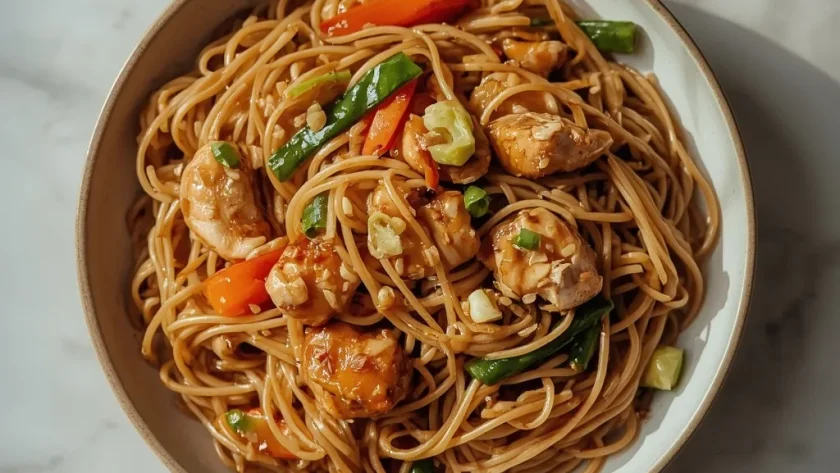
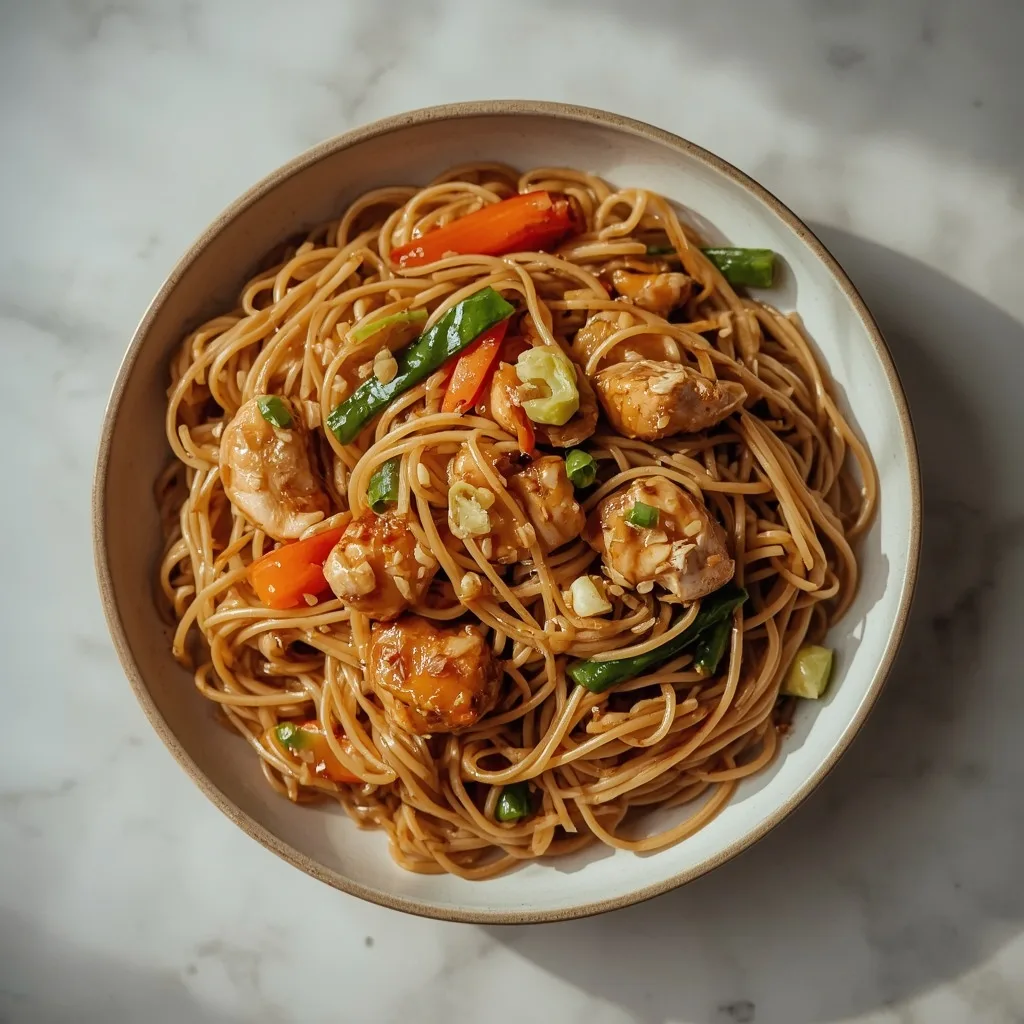
 Honey Garlic Chicken Noodles bring together tender chicken, chewy noodles, and a glossy sauce that is equal parts sweet and savory. The whole thing comes together in one pan, making it a practical weeknight dinner that delivers serious flavor without the fuss.
You can have this dish on the table in about 27 minutes from start to finish. It is a beginner-friendly recipe that requires basic stir-fry skills, and the only slightly tricky part is getting the sauce to the right consistency — but the cornstarch slurry makes that almost foolproof.
Why You’ll Love This Recipe
- Quick enough for a busy night — From prep to plate, you are looking at under 30 minutes total.
- One pan means less cleanup — Everything cooks in a single skillet or wok, so you are not drowning in dishes afterward.
- Balanced flavors that please everyone — The honey brings sweetness, the garlic adds punch, and the soy sauce keeps things savory without being overwhelming.
- Customizable heat level — Red pepper flakes are optional, so you can dial the spice up or down depending on who is eating.
What Makes This Recipe Special
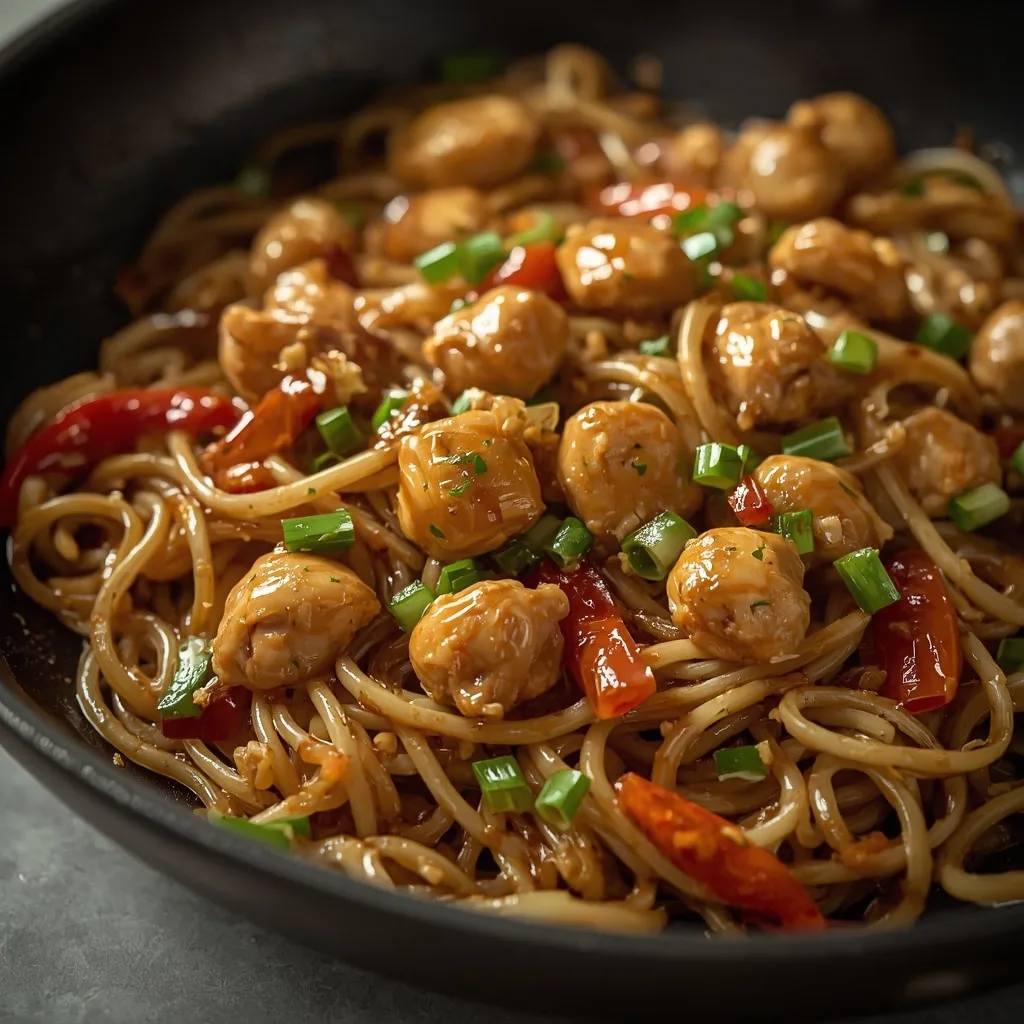
This dish works because the sauce clings to every strand of noodle and each cube of chicken without being heavy or gloppy. The honey and garlic create that sticky, caramelized coating people crave from takeout, but the rice vinegar and sesame oil keep it from tasting one-note sweet. You get crunch from the vegetables, chew from the noodles, and a glossy finish that looks as good as it tastes. It is the kind of meal that feels like a treat but uses ingredients you likely already stock.
Ingredients You’ll Need
Here is everything you need to make these noodles, broken down by category so you can shop and prep efficiently.
For the Noodles and Protein
- 8 oz (225g) dried lo mein noodles or 12 oz fresh lo mein noodles — The backbone of the dish. Dried noodles need a quick boil, while fresh ones only blanch for 30-60 seconds. Either works, but fresh gives a slightly chewier bite.
- 1 lb (454g) boneless, skinless chicken breasts, cut into 1/2-inch cubes — Lean and quick-cooking. Cubing them small ensures they sear fast and stay tender. You can swap in thighs if you prefer darker meat.
- Kosher salt and freshly ground black pepper — For seasoning the chicken before searing. Simple but essential.
For the Sauce
- 1/4 cup (60ml) low-sodium soy sauce — Provides the salty, savory base. Low-sodium keeps the dish from becoming too salty, especially since the sauce reduces slightly.
- 1/4 cup (60ml) honey — The primary sweetener that also helps create that sticky, glossy texture when cooked down.
- 1 tablespoon (15ml) rice vinegar — Adds a gentle acidity that balances the honey’s sweetness and brightens the whole dish.
- 1 tablespoon (15ml) toasted sesame oil — A little goes a long way. It brings a nutty, aromatic finish that is signature to this style of cooking.
- 4 cloves garlic, minced (about 2 teaspoons / 6g) — Fresh garlic is non-negotiable here. Pre-minced jarred stuff lacks the punch you need.
- 1 teaspoon (2g) grated fresh ginger — Adds warmth and a slight peppery kick. Do not skip it — ground ginger is not a good substitute.
- 1/2 teaspoon (1g) red pepper flakes (optional, for heat) — Only if you want some spice. Leave it out for a milder version that kids will enjoy.
- 1 tablespoon (9g) cornstarch mixed with 2 tablespoons (30ml) cold water (slurry) — This is what thickens the sauce from watery to syrupy in seconds. Mix it right before using so the cornstarch does not settle.
For the Vegetables and Garnish
- 2 tablespoons (30ml) vegetable oil, divided — A neutral oil with a high smoke point. Use it for searing the chicken and stir-frying the vegetables separately.
- 1 medium red bell pepper (about 150g), thinly sliced into 2-inch strips — Adds color, sweetness, and a satisfying crunch. Slice thinly so it cooks quickly.
- 1 medium carrot (about 78g), julienned — Thin strips soften just enough in the stir-fry while keeping some bite. A julienne peeler makes this step faster.
- 2 medium green onions (about 15g), sliced diagonally into 1-inch pieces for garnish — The final pop of freshness and color. Add them right before serving for the best texture.
- Sesame seeds or extra toasted sesame oil (optional, for serving) — A sprinkle of seeds or a final drizzle adds visual appeal and extra nutty flavor.
Equipment Needed
- Large wok or 12-inch skillet — You need a wide cooking surface to sear the chicken without overcrowding and to toss everything together. A nonstick skillet works, but a carbon steel wok gives you better heat control.
- Large pot — For boiling the noodles. Use a pot big enough that the noodles have room to move freely while cooking.
- Small bowl — For whisking together the sauce ingredients. Mixing everything before you start cooking makes the stir-fry seamless.
- Tongs or heatproof spatula — Tossing the noodles with the sauce and vegetables is much easier with tongs. A spatula works, but you risk breaking the noodles.
- Chef’s knife and cutting board — For cubing the chicken, slicing the bell pepper, and julienning the carrot. A sharp knife makes the prep go faster.
Instructions to Prepare Honey Garlic Chicken Noodles
Follow these steps in order, and you will have a glossy, saucy bowl of noodles that rivals any takeout version.
- Cook the noodles — Bring a large pot of salted water to a boil. Add the dried lo mein noodles and cook according to package directions, typically 3-5 minutes, until al dente. Drain, rinse under cold water to stop the cooking, and toss with 1 teaspoon of vegetable oil to prevent sticking. If using fresh noodles, blanch for 30-60 seconds until just tender, then drain and proceed.
- Make the sauce — While the water heats, whisk together soy sauce, honey, rice vinegar, toasted sesame oil, minced garlic, grated ginger, and optional red pepper flakes in a small bowl until the honey dissolves completely. Set this aside.
- Sear the chicken — Season the cubed chicken with salt and pepper. Heat 1 tablespoon of vegetable oil in a large wok or skillet over high heat until it shimmers and just begins to smoke. Add the chicken in a single layer — do not overcrowd; cook in two batches if needed. Sear undisturbed for 3 minutes until the underside is golden brown, then stir-fry for another 2-3 minutes until cooked through. Transfer to a clean plate.
- Stir-fry the vegetables — Reduce the heat to medium-high and add the remaining 1 tablespoon of oil. Add the julienned carrot and sliced bell pepper. Stir-fry for 2 minutes, tossing constantly, until bright and slightly tender but still crisp.
- Combine chicken and sauce — Return the cooked chicken to the skillet. Whisk the sauce briefly, then pour it over everything. Stir to coat and bring to a simmer, about 1 minute.
- Thicken the sauce — Stir the cornstarch slurry once more, then pour it in while stirring continuously. The sauce will thicken immediately, turning glossy and syrupy within 15-20 seconds. If it seems too thick, add 1-2 tablespoons of water to loosen it.
- Toss in the noodles — Add the cooked noodles to the skillet. Use tongs or a spatula to toss everything for 30-60 seconds until the noodles are evenly coated and well combined. They should look glossy and lightly clump together.
- Garnish and serve — Remove from heat. Divide among four shallow bowls and top with sliced green onions. Serve immediately — the noodles will continue to absorb the sauce as they sit, so eat right away for the best texture. Optionally, sprinkle sesame seeds or drizzle extra toasted sesame oil on top.
Expert Tips for a Standout Honey Garlic Chicken Noodles
- Prep everything before you start cooking — Stir-frying moves fast, so have your sauce whisked, vegetables sliced, and chicken cubed before the oil heats up. Pausing to chop mid-cook often leads to burnt bits.
- Use high heat for the chicken sear — Getting that golden-brown crust requires a hot pan. If the oil is not shimmering and close to smoking, you will steam the chicken instead of searing it.
- Do not skip rinsing the noodles — Rinsing cooked noodles under cold water removes excess starch and stops the cooking process. Skipping this step can leave you with gummy, clumpy noodles.
- Mix the slurry right before adding it — Cornstarch settles quickly at the bottom of the water. Give it a final stir just before pouring it into the pan so the thickener is evenly distributed.
- Taste the sauce before adding the slurry — Everyone’s honey and soy sauce vary in intensity. If the sauce tastes too sweet, add a splash more rice vinegar. Too salty? A small drizzle of honey balances it.
- Keep the vegetables crisp — Stir-fry the carrot and bell pepper for only 2 minutes. They should retain a firm bite and bright color. Overcooked vegetables turn limp and watery, which dilutes the sauce.
- Serve immediately for the best texture — The noodles absorb the sauce the longer they sit. If you wait too long, the dish becomes dry and clumpy. Plate and eat right after tossing.
Common Mistakes to Avoid
- Overcrowding the pan when searing chicken — Adding too many chicken pieces at once drops the pan temperature, causing the meat to steam rather than brown. Cook in two batches if necessary.
- Adding the slurry too early — Pouring the cornstarch mixture into a sauce that is not yet simmering can result in a cloudy, unevenly thickened sauce. Wait until you see bubbles before adding it.
- Using cold noodles straight from the fridge — Cold noodles clump together and take longer to heat through, making them difficult to toss evenly. If using leftover noodles, rinse them under hot water first or microwave briefly.
- Forgetting to whisk the sauce before pouring — The honey and sesame oil separate as the sauce sits. Give it a quick whisk just before adding it to the pan so every ingredient is evenly distributed.
- Overcooking the vegetables — Leaving the bell pepper and carrot in the pan for more than 2-3 minutes turns them soft and releases water, which thins out the sauce. Keep the stir-fry brief.
- Not seasoning the chicken separately — Relying on the sauce alone to flavor the meat can leave the chicken tasting bland. A simple salt and pepper rub before searing makes a big difference.
Variations & Ways to Customize Honey Garlic Chicken Noodles
- Swap the protein — Substitute the chicken with shrimp, thinly sliced beef, or cubed firm tofu. Adjust cook times accordingly: shrimp takes about 2 minutes per side, while tofu needs a good sear on all sides.
- Add more vegetables — Toss in snap peas, thinly sliced broccoli florets, or baby bok choy along with the bell pepper and carrot. Keep the total vegetable add to about 1 cup so the pan does not get overcrowded.
- Turn up the heat — Double the red pepper flakes, add a squirt of sriracha to the sauce, or toss in a minced Thai bird chili for serious spice lovers.
- Make it gluten-free — Use tamari or coconut aminos in place of soy sauce, and swap lo mein noodles for rice noodles or gluten-free spaghetti. The cooking time for rice noodles varies, so check the package directions.
- Try a different noodle shape — Udon noodles, thick rice noodles, or even spaghetti work in a pinch. Just cook them al dente and rinse to remove excess starch.
- Add a nutty crunch — Top each bowl with crushed peanuts or cashews before serving. The contrast of creamy sauce and crunchy nuts is a welcome addition.
What to Serve With Honey Garlic Chicken Noodles
This dish is fairly substantial on its own, but a couple of simple sides can round out the meal nicely.
- Simple cucumber salad — Thinly sliced cucumbers tossed with rice vinegar, a pinch of sugar, and sesame seeds offer a cool, refreshing contrast to the warm, sticky noodles.
- Steamed edamame — Lightly salted edamame pods make for an easy, protein-rich starter that does not require much prep.
- Miso soup — A small bowl of miso soup with tofu and seaweed adds a warm, savory note that complements the sweet and garlicky noodles.
- Spring rolls — Fresh or fried spring rolls filled with vegetables and shrimp work as a crunchy side or appetizer.
- Iced green tea or jasmine tea — A cold or hot cup of unsweetened green tea cleanses the palate between bites and cuts through the richness of the sauce.
- Fresh fruit for dessert — Sliced mango or a small bowl of lychee provides a light, sweet finish that does not weigh you down after the meal.
Make-Ahead Instructions
- Cook and rinse the noodles in advance — Boil, rinse, and toss the noodles with a bit of oil, then refrigerate in an airtight container for up to 2 days. Toss them with hot water or a quick microwave zap before adding to the skillet.
- Prep the vegetables ahead of time — Slice the bell pepper, julienne the carrot, and slice the green onions up to 1 day in advance. Store each in separate containers in the fridge to keep them crisp.
- Mix the sauce and store it separately — Whisk the soy sauce, honey, rice vinegar, sesame oil, garlic, ginger, and pepper flakes together, then refrigerate in a sealed jar for up to 3 days. Give it a good shake before using.
- Cube and season the chicken the night before — Cut the chicken into cubes, season with salt and pepper, and refrigerate in a covered bowl. This saves you several minutes of prep on cook day.
Storage and Reheating
Storage
- Airtight container in the refrigerator — Store leftovers in a sealed container for up to 3 days. The noodles will continue to absorb sauce, so the texture will be softer than when freshly made.
- Cool completely before storing — Let the dish cool to room temperature (about 20-30 minutes) before refrigerating. Trapping steam inside the container leads to soggy noodles and diluted flavor.
- Separate the noodles from the sauce if storing for more than a day — If you plan to eat leftovers beyond 24 hours, store the noodles and sauce separately. Combine them only when reheating to preserve the noodle texture.
Reheating
- Microwave method — Transfer a portion to a microwave-safe dish, cover with a damp paper towel, and heat on high power for 1-2 minutes. Stir halfway through to distribute the heat evenly.
- Skillet method (best for texture) — Add leftovers to a nonstick skillet over medium heat with 1 tablespoon of water. Stir for 2-3 minutes until hot. The water helps loosen the sauce and prevents the noodles from drying out.
- Add a splash of soy sauce or water if dry — Leftover noodles tend to absorb moisture. If they look dry after reheating, stir in a teaspoon of soy sauce or water to bring back some gloss.
Nutritional Breakdown (Per Serving)
Based on 1 serving out of 4 total, using the ingredients as listed.
- Calories: 495
- Protein: 34g
- Fat: 13g
- Carbohydrates: 62g
- Fiber: 3g
- Sugar: 20g
- Sodium: 845mg
Frequently Asked Questions
Can I freeze Honey Garlic Chicken Noodles?
Freezing is not recommended. The noodles become mushy and watery when thawed, and the sauce loses its glossy texture. This dish is best enjoyed fresh or within 3 days of refrigeration.
Can I use chicken thighs instead of chicken breasts?
Absolutely. Boneless, skinless chicken thighs are more forgiving and stay juicy even if you accidentally overcook them slightly. Cut them into the same half-inch cubes and follow the same searing instructions.
How long does Honey Garlic Chicken Noodles last in the fridge?
Stored in an airtight container, leftovers will stay good for up to 3 days. After that, the noodles become too soft and the sauce loses its consistency.
What can I use instead of lo mein noodles?
Udon noodles, thick rice noodles, or even spaghetti work well as substitutes. Cook them al dente and rinse under cold water to remove excess starch before adding them to the pan.
Is this recipe spicy?
As written, it is mild. The optional red pepper flakes add a gentle warmth, not intense heat. Leave them out for a completely mild version or double them for a noticeable kick.
Can I make this dish vegetarian?
Yes. Replace the chicken with cubed firm tofu or a plant-based chicken substitute. Sear the tofu in oil until golden on all sides, then proceed with the recipe as written. Use tamari in place of soy sauce to keep it gluten-free if needed.
Final Words
These Honey Garlic Chicken Noodles deliver exactly what a good weeknight dinner should: speed, flavor, and minimal cleanup. The sauce strikes that perfect balance between sweet and savory, while the vegetables add a fresh crunch that keeps every bite interesting. Give it a try next time takeout sounds tempting — you will likely find it just as satisfying and far quicker than waiting for delivery.
Similar Recipes
- 3-Ingredient Orange Chicken
- Creamy Garlic Shrimp over Mashed Potatoes
- Chicken Stir Fry with Pineapple and Broccoli
- 20 Minute Ginger Pineapple Chicken Stir Fry
- Slow Cooked Cashew Chicken
- Orange Chicken With Marmalade
- Creamy Pesto Chicken
Honey Garlic Chicken Noodles
Tender chicken pieces are stir-fried with a sticky, savory-sweet honey garlic sauce, then tossed with chewy lo mein noodles and crisp vegetables. This quick one-pan meal delivers a perfect balance of glossy sauce, tender protein, and fresh crunch, all ready in under 30 minutes.
- Prep Time: 15
- Cook Time: 12
- Total Time: 27
- Yield: 4 1x
- Category: Main Course
- Method: Stovetop
- Cuisine: Asian Fusion
Ingredients
- 8 oz (225g) dried lo mein noodles or 12 oz fresh lo mein noodles
- 1 lb (454g) boneless, skinless chicken breasts, cut into 1/2-inch cubes
- 1/4 cup (60ml) low-sodium soy sauce
- 1/4 cup (60ml) honey
- 1 tablespoon (15ml) rice vinegar
- 1 tablespoon (15ml) toasted sesame oil
- 4 cloves garlic, minced (about 2 teaspoons / 6g)
- 1 teaspoon (2g) grated fresh ginger
- 1/2 teaspoon (1g) red pepper flakes (optional, for heat)
- 2 tablespoons (30ml) vegetable oil, divided
- 1 medium red bell pepper (about 150g), thinly sliced into 2-inch strips
- 1 medium carrot (about 78g), julienned
- 2 medium green onions (about 15g), sliced diagonally into 1-inch pieces for garnish
- 1 tablespoon (9g) cornstarch mixed with 2 tablespoons (30ml) cold water (slurry)
- Kosher salt and freshly ground black pepper, to taste
Instructions
- Bring a large pot of salted water to a boil over high heat. Add the dried lo mein noodles and cook according to package directions until al dente (typically 3-5 minutes). Drain, rinse under cold water to stop cooking, and toss with 1 teaspoon of vegetable oil to prevent sticking. Set aside. For fresh noodles, blanch for 30-60 seconds until just tender, then drain.
- While the water heats, prepare the sauce. In a small bowl, whisk together the soy sauce, honey, rice vinegar, toasted sesame oil, minced garlic, grated ginger, and optional red pepper flakes until the honey is fully dissolved. Set aside.
- Season the cubed chicken breasts with 1/2 teaspoon kosher salt and 1/4 teaspoon black pepper. Heat 1 tablespoon of vegetable oil in a large wok or 12-inch skillet over high heat until the oil shimmers and just begins to smoke. Add the chicken in a single layer—do not overcrowd; cook in two batches if necessary. Sear for 3 minutes undisturbed until the underside is golden brown, then stir-fry for another 2-3 minutes until the chicken is cooked through and reaches an internal temperature of 165°F (74°C). Transfer to a clean plate and set aside.
- Reduce the heat to medium-high and add the remaining 1 tablespoon vegetable oil to the skillet. Add the julienned carrot and sliced red bell pepper. Stir-fry for 2 minutes, tossing constantly, until the vegetables are bright in color and slightly tender but still crisp—they should retain a firm bite.
- Return the cooked chicken to the skillet with the vegetables. Whisk the sauce briefly to recombine, then pour it over the chicken and vegetables. Stir to coat evenly and bring the sauce to a simmer, about 1 minute.
- Stir the cornstarch slurry once more, then pour it into the simmering sauce while stirring continuously. The sauce will thicken immediately, turning from watery to glossy and syrupy within 15-20 seconds. If the sauce seems too thick, add 1-2 tablespoons of water to loosen.
- Add the cooked noodles to the skillet and toss everything together with tongs or a heatproof spatula for 30-60 seconds, ensuring the noodles are evenly coated with the sauce and well combined with the chicken and vegetables. The noodles should look glossy and lightly clump together.
- Remove from heat. Divide among four shallow bowls and garnish each portion with sliced green onions. Serve immediately while hot. The noodles will continue to absorb sauce as they sit, so enjoy right away for the best texture.
- Optional: For extra flavor, top each bowl with a sprinkle of sesame seeds or a drizzle of extra toasted sesame oil just before serving.
Notes
Storage: Store leftovers in an airtight container in the refrigerator for up to 3 days. Freezing: Not recommended as noodles become mushy. Reheating: Reheat in a microwave-safe dish on high power for 1-2 minutes, or in a nonstick skillet over medium heat with 1 tablespoon of water to loosen the sauce, stirring until hot (2-3 minutes). The noodles will absorb moisture, so add a splash of soy sauce or water if they seem dry.
Nutrition
- Calories: 495
- Sugar: 20g
- Sodium: 845mg
- Saturated Fat: 2g
- Carbohydrates: 62g
- Fiber: 3g
- Protein: 34g
- Cholesterol: 82mg
Keywords: honey garlic chicken noodles, chicken noodle stir-fry, Asian noodles, honey garlic sauce, quick chicken dinner, weeknight stir-fry, lo mein, chicken and noodles, sticky chicken, 30-minute meal