 Kendric adan
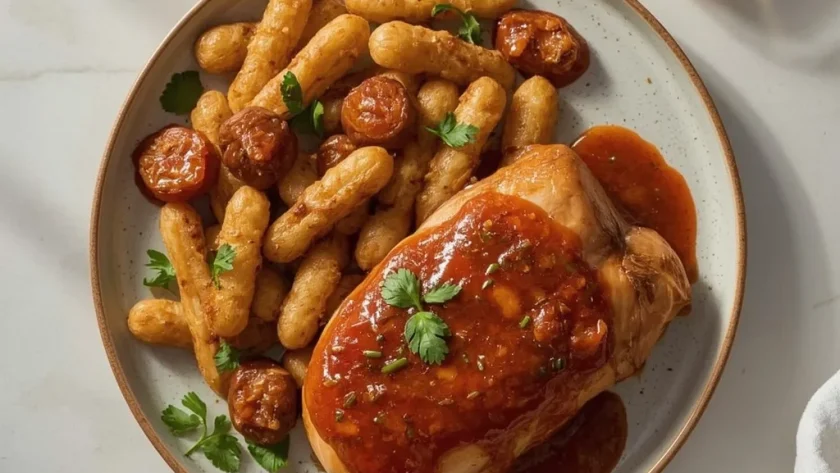
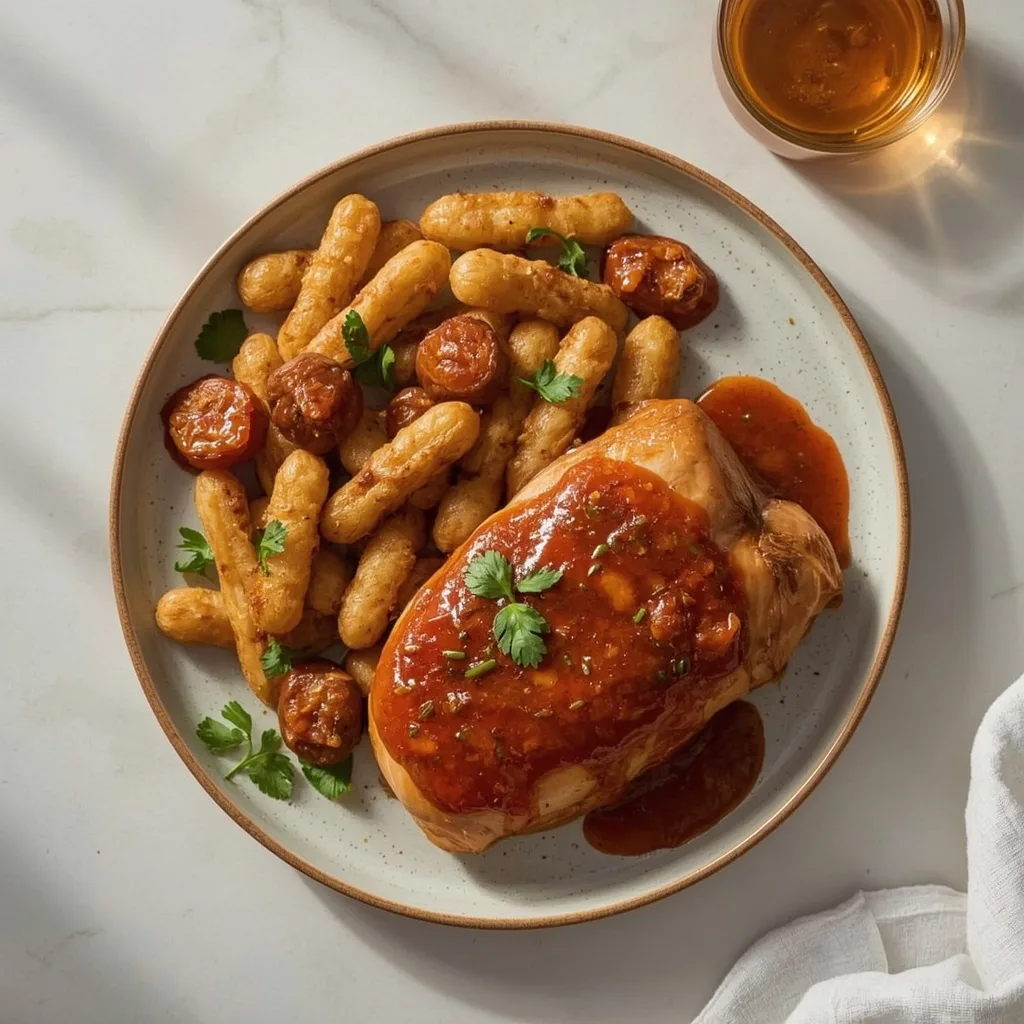
 Swiss Chalet Chalet Sauce is that unmistakable golden-brown companion to rotisserie chicken — tangy, sweet, smoky, and impossibly comforting. It clings to everything it touches with a glossy, coat-the-back-of-a-spoon thickness that turns a plain meal into something worth sitting down for.
You can have it ready in about 30 minutes from start to finish, and it is beginner-friendly with just one mildly tricky moment when the milk goes in. Make it for a weeknight dinner, a casual weekend gathering, or whenever you need a dip that disappears faster than the fries beside it.
Why You’ll Love This Recipe
- Simple pantry staples — Butter, ketchup, broth, and a handful of spices do all the heavy lifting here. Nothing exotic, nothing hard to find.
- Restaurant-level flavor at home — That familiar sweet-savory depth comes together in one saucepan, no grill or rotisserie required.
- Endlessly versatile — It works as a dip, a drizzle, or a sauce for roasted vegetables, making it a recipe you will turn to again and again.

What Makes This Recipe Special
The flavor comes from a careful balance of tomato, warm spices, and a whisper of smoked paprika that gives it that signature depth. A quick roux thickens it into a silky, pourable sauce that holds onto chicken and fries without turning gluey. The texture lands somewhere between a glaze and a gravy — glossy, smooth, and just thick enough to coat a spoon. It is a classic Canadian comfort-food staple, perfect for busy evenings when you want something familiar and satisfying.
Ingredients You’ll Need
Everything here is straightforward, and you likely have most of it in your kitchen already. Here is what goes into the sauce and why each ingredient matters.
The Aromatics and Base
- 2 tablespoons unsalted butter — This starts the roux and adds richness. Salted butter works in a pinch, just ease back on the added salt later.
- 1/2 cup onion, finely diced — Cooked low and slow, it builds a sweet, mellow foundation. A shallot can substitute if that is what you have.
- 1 clove garlic, minced — A quick 30-second sauté releases its fragrance without letting it turn bitter or scorched.
The Thickener and Liquids
- 2 tablespoons all-purpose flour — This creates the roux that gives the sauce its body. A gluten-free all-purpose blend will also work if needed.
- 1 cup chicken broth (low sodium) — The main liquid that deglazes the roux and carries the flavor. Vegetable broth is an easy swap.
- 1 cup whole milk, at room temperature — This adds creaminess and silkiness. Room temperature is important — cold milk can cause the sauce to seize.
The Flavor Builders
- 1/4 cup ketchup — The backbone of that sweet-tangy tomato character. It also contributes to the color.
- 1 tablespoon white vinegar — A bright lift that keeps the sauce from tasting flat. Apple cider vinegar works if that is what you have.
- 1 tablespoon Worcestershire sauce — Adds savory umami depth. A splash of soy sauce can step in if you are out.
- 1 teaspoon paprika (smoked paprika if desired) — Regular paprika gives color; smoked adds that subtle campfire note.
- 1/2 teaspoon dried oregano — An earthy, herbal undertone. Italian seasoning can substitute in a pinch.
- 1/4 teaspoon ground black pepper — A gentle warmth that rounds out the sweetness.
- 1/4 teaspoon salt (or to taste) — Balances the sweet and tangy elements. Adjust at the end once everything melds.
- 1/4 teaspoon ground ginger — A quiet warmth in the background that makes the flavor feel more layered.
Equipment Needed
This is a one-pot recipe, which means cleanup is about as painless as it gets. Here is what you will want on hand.
- A medium saucepan — The heart of the operation. A heavy-bottomed pan distributes heat evenly and prevents scorching.
- A whisk — The best tool for incorporating broth and milk smoothly. A wooden spoon works, but a whisk gives you more control.
- A wooden spoon or silicone spatula — For stirring the onion and roux without scratching your pan.
- A fine-mesh sieve — Optional, but it gives an ultra-smooth texture if you want to strain the sauce before serving.
- Measuring cups and spoons — Precision matters here, especially with the flour and spices.
Instructions to Prepare Swiss Chalet Chalet Sauce
The process moves quickly, so having everything measured before you start makes it feel effortless. Work through the steps in order and you will have a glossy, pourable sauce in about half an hour.
- Soften the onion — Melt the butter over medium-low heat, then add the diced onion. Cook 3-4 minutes, stirring occasionally, until translucent and soft but not browned. This builds sweetness without bitterness.
- Bloom the garlic — Stir in the minced garlic and cook for 30 seconds until fragrant. Keep it moving so it does not scorch.
- Make the roux — Sprinkle in the flour and stir to form a thick paste. Cook 1-2 minutes until it loses its raw flour smell and takes on a light golden tint.
- Whisk in the broth — Pour in the chicken broth in a steady stream while whisking constantly. This prevents lumps and lets the mixture thicken as it heats.
- Add the seasonings — Stir in the ketchup, vinegar, Worcestershire, paprika, oregano, pepper, salt, and ginger. Whisk until the color is even and everything has dissolved.
- Simmer gently — Bring the sauce to a gentle simmer over medium heat, watching for small bubbles at the surface. Let it cook 5 minutes, stirring now and then to keep it from sticking.
- Incorporate the milk — Drop the heat to low and pour in the room-temperature milk slowly, whisking the whole time. Cold milk can make the flour seize and turn lumpy, so do not skip this step.
- Thicken to finish — Cook 5-7 minutes over low heat until the sauce is glossy and coats the back of a spoon. Boiling at this stage can cause separation, so keep it gentle.
- Taste and adjust — Add a pinch more salt or a drop of vinegar if it needs brightness. Let the sauce rest for 2 minutes off the heat — it will thicken slightly as it cools.
- Serve warm — Use it immediately as a dip or drizzle. Straining through a sieve gives an even silkier finish if you want it.
Expert Tips for a Standout Swiss Chalet Chalet Sauce
These are the small things that separate a good sauce from a great one. A little attention at the right moments pays off in the final texture and flavor.
- Keep the onion away from browning — Cook it low and slow for that sweet, mild mellow sweetness. Dark caramelization shifts the whole flavor profile.
- Cook the roux long enough — One to two minutes of stirring removes the raw flour taste. A slight golden tint means it is ready for liquid.
- Whisk broth in slowly — A steady stream beats a quick pour. Continuous whisking keeps lumps from forming in the first place.
- Warm the milk before adding — Let it sit at room temperature for 15-20 minutes before you start. Cold milk causes the flour to seize and creates an uneven texture.
- Never let it boil after the milk goes in — Boiling breaks the emulsion and can make the sauce separate. Keep it at a gentle simmer at most.
- Taste before you call it done — The spices meld as the sauce simmers, and the salt level can shift. A final taste and a quick adjustment make all the difference.
- Let it rest before serving — Two minutes off the heat lets the sauce settle and thicken to its proper consistency. It will continue to cling better after resting.
Common Mistakes to Avoid
Even experienced cooks hit a snag now and then. Here are the pitfalls to sidestep so your sauce turns out right the first time.
- Adding cold milk — This is the most common cause of lumps. Room-temperature milk blends smoothly, so pull it out of the fridge before you start cooking.
- Rushing the roux — If the flour does not cook long enough, the sauce tastes raw and pasty. Give it the full 1-2 minutes and watch for that golden tint.
- Cranking the heat too high — High heat can scorch the onion or make the garlic bitter. Stay at medium-low for the aromatics and low for the milk.
- Boiling after the dairy — A rolling boil makes the sauce split and look curdled. Keep it at a gentle simmer and stir often.
- Over-thickening — The sauce thickens as it cools, so taking it off the heat when it lightly coats a spoon is the right move. Too thick, and it turns gloppy.
- Skipping the taste test — The balance of sweet, tangy, and salty shifts as it simmers. A final taste ensures the seasoning lands where you want it.
Variations & Ways to Customize Swiss Chalet Chalet Sauce
This base recipe is solid on its own, but it also takes well to a few tweaks. Here are some ways to make it your own.
- Smoky twist — Swap the regular paprika for smoked paprika to amp up that wood-smoke character. It pairs beautifully with grilled chicken.
- Spicy kick — Stir in a pinch of cayenne or a few drops of hot sauce for heat. Start small — you can always add more.
- Herbaceous version — Add a teaspoon of fresh thyme or rosemary in the final simmer. It brightens the profile and adds a garden-fresh note.
- Golden turmeric variation — A quarter teaspoon of turmeric gives the sauce a warmer hue and an earthy undertone. It is subtle, but it deepens the complexity.
- Dairy-free option — Use a neutral plant-based milk like oat or cashew in place of the whole milk. The texture stays smooth and creamy.
- Extra tang — A splash more vinegar at the end gives it a sharper, more vinegary bite. Great for dipping if you like that edge.
What to Serve With Swiss Chalet Chalet Sauce
The beauty of this sauce is how many things it makes better. Here are some tried-and-true pairings worth trying.
- Rotisserie chicken — The classic match. Drizzle it over the breast or serve it on the side for dipping each bite.
- Crispy fries — Whether they are oven-baked or air-fried, this sauce turns a simple side into the star of the plate.
- Roasted vegetables — Toss carrots, potatoes, or green beans in the sauce during the last few minutes of roasting for a savory glaze.
- Grilled chicken skewers — Brush the sauce on during the last couple of minutes on the grill, then serve extra on the side.
- Chicken sandwiches — Spread a spoonful on a bun before adding the chicken. It keeps the whole thing moist and flavorful.
- Meatballs — A simple weeknight protein turned vastly more interesting with a glossy coat of this sauce.
Make-Ahead Instructions
This sauce actually improves after a day in the fridge, so making it ahead is a smart move. Here is how to plan for it.
- Prepare one day ahead — Make the full batch, let it cool, and store it in an airtight container in the fridge. The flavors deepen overnight.
- Reheat gently — Warm it over low heat on the stovetop, stirring often. Add a splash of milk or broth if it has thickened too much.
- Double the batch — The recipe scales easily, and extra sauce freezes well for up to two months. Thaw overnight in the fridge before reheating.
- Label and date — If you freeze it, write the date on the container. It keeps its best quality for about two months.
Storage and Reheating
Leftovers are worth keeping, and the sauce holds up nicely with proper storage. Here is what you need to know.
Storage
- The fridge — Store in an airtight container for up to 4-5 days. The sauce will thicken when cold, which is completely normal.
- The freezer — Freeze in a freezer-safe container for up to two months. Thaw overnight in the refrigerator before reheating.
- Before storing — Let the sauce cool completely before transferring it to a container. This prevents condensation and keeps the texture intact.
Reheating
- Stovetop method — Warm over low heat, stirring frequently. Add a splash of milk or broth to restore the original consistency if needed.
- Microwave method — Use low or medium power in 30-second bursts, stirring between each. High power can make the dairy separate, so keep it gentle.
- Checking temperature — Heat until the sauce is steaming and hot throughout. It should be pourable, not boiling, to avoid curdling.
Nutritional Breakdown (Per Serving)
Based on 1 serving out of 4 total, here is what you are looking at nutritionally.
- Calories — 130
- Protein — 3g
- Fat — 7g
- Carbohydrates — 13g
- Fiber — 1g
- Sugar — 7g
- Sodium — about 620mg
Frequently Asked Questions
Can I freeze Swiss Chalet Chalet Sauce?
Yes, it freezes well for up to two months. Thaw it overnight in the refrigerator and reheat gently over low heat, stirring in a splash of milk or broth to restore the texture.
How long does Swiss Chalet Chalet Sauce last in the fridge?
It keeps for 4-5 days in an airtight container in the refrigerator. The sauce will thicken when cold, so add a bit of milk or broth when you reheat it.
Why did my sauce turn lumpy?
Cold milk is the most common culprit. It causes the flour to seize, creating lumps. Always use room-temperature milk and whisk continuously while adding it.
Can I make this sauce gluten-free?
Yes, swap the all-purpose flour for a gluten-free all-purpose blend. The rest of the ingredients are naturally gluten-free, so the sauce works well with that change.
Is this sauce spicy?
No, it is mild and savory-sweet, with just a gentle warmth from the pepper and ginger. If you want heat, add a pinch of cayenne or a dash of hot sauce.
What if the sauce is too thick after refrigerating?
Stir in a splash of milk or chicken broth while reheating over low heat. Add it slowly until the sauce reaches your preferred pourable consistency.
More Recipes
Final Words
Swiss Chalet Chalet Sauce is one of those recipes you will make once and immediately want to keep around. It is simple enough for a weeknight, impressive enough for guests, and versatile enough to become a constant presence in your kitchen. Give it a try — your chicken and fries will thank you.
PrintSwiss Chalet Chalet Sauce

This iconic Canadian sauce is a rich, savory-sweet blend of tomato, warm spices, and a hint of smokiness, thickened to a glossy, pourable consistency. It clings beautifully to rotisserie chicken, fries, or roasted vegetables, delivering a familiar comfort-food depth that balances tangy, sweet, and umami notes.
- Prep Time: 10
- Cook Time: 20
- Total Time: 30
- Yield: 4 1x
- Category: Sauce
- Method: Stovetop
- Cuisine: Canadian
Ingredients
- 2 tablespoons unsalted butter
- 1/2 cup onion, finely diced (about 1 small onion)
- 1 clove garlic, minced
- 2 tablespoons all-purpose flour
- 1 cup chicken broth (low sodium)
- 1/4 cup ketchup
- 1 tablespoon white vinegar
- 1 tablespoon Worcestershire sauce
- 1 teaspoon paprika (smoked paprika if desired)
- 1/2 teaspoon dried oregano
- 1/4 teaspoon ground black pepper
- 1/4 teaspoon salt (or to taste)
- 1/4 teaspoon ground ginger
- 1 cup whole milk, at room temperature
Instructions
- Melt the butter in a medium saucepan over medium-low heat. Add the finely diced onion and cook, stirring occasionally, for 3-4 minutes until the onion becomes translucent and soft, but not browned. This builds a sweet flavor base without any bitterness.
- Add the minced garlic and cook for 30 seconds until fragrant, stirring constantly to prevent burning. The garlic should be sizzling gently; if it browns too quickly, lower the heat.
- Sprinkle the all-purpose flour over the onion mixture. Stir well with a wooden spoon or whisk to incorporate, creating a thick paste (roux). Cook for 1-2 minutes, stirring constantly, until the flour is no longer raw and the paste has a slight golden tint. This step ensures a smooth, lump-free sauce.
- Slowly pour in the chicken broth while whisking continuously to prevent lumps. Add the broth in a steady stream, whisking vigorously to combine with the roux. The mixture will thicken as it heats.
- Add the ketchup, white vinegar, Worcestershire sauce, paprika, oregano, black pepper, salt, and ground ginger. Whisk until the sauce is evenly blended and the spices are fully dissolved. The sauce will have a rich reddish-brown color.
- Turn the heat up to medium and bring the mixture to a gentle simmer, stirring frequently. You should see small bubbles breaking at the surface. Simmer for 5 minutes, allowing the flavors to meld and the sauce to thicken slightly. Stir occasionally to prevent sticking.
- Reduce the heat to low. Slowly pour in the room-temperature milk while whisking continuously. Adding cold milk can cause the flour to seize and create lumps, so using room-temperature milk ensures a silky texture.
- Continue to cook over low heat for 5-7 minutes, stirring often, until the sauce reaches a glossy, coat-the-back-of-a-spoon consistency. It should be thick enough to coat a spoon but still pourable. Do not let it boil once the milk is added, as that can cause the sauce to separate.
- Taste the sauce and adjust seasoning if needed — add a pinch of salt or a whisk of vinegar for extra tang. Remove from heat and let it rest for 2 minutes; it will thicken slightly as it cools.
- Serve warm as a dipping sauce or drizzle over roasted chicken, fries, or grilled vegetables. For a smoother texture, strain through a fine-mesh sieve before serving if desired.
Notes
Storage: Store leftover sauce in an airtight container in the refrigerator for up to 4-5 days. The sauce may thicken when cold; reheat gently over low heat, stirring in a splash of milk or broth if needed to restore the desired consistency. Freezing: This sauce freezes well for up to 2 months; thaw in the refrigerator overnight and reheat slowly on the stovetop. Do not microwave at high power as it may cause the dairy to separate.
Nutrition
- Calories: 130
- Sugar: 7g
- Sodium: 620mg
- Saturated Fat: 4g
- Carbohydrates: 13g
- Fiber: 1g
- Protein: 3g
- Cholesterol: 20mg
Keywords: chalet sauce, Swiss chalet sauce, Canadian sauce, rotisserie chicken sauce, chicken dipping sauce, savory sweet sauce, comfort food sauce, tomato based sauce, spice blend sauce, homemade chalet sauce, sauce for chicken, sauce for fries