 Kendric adan
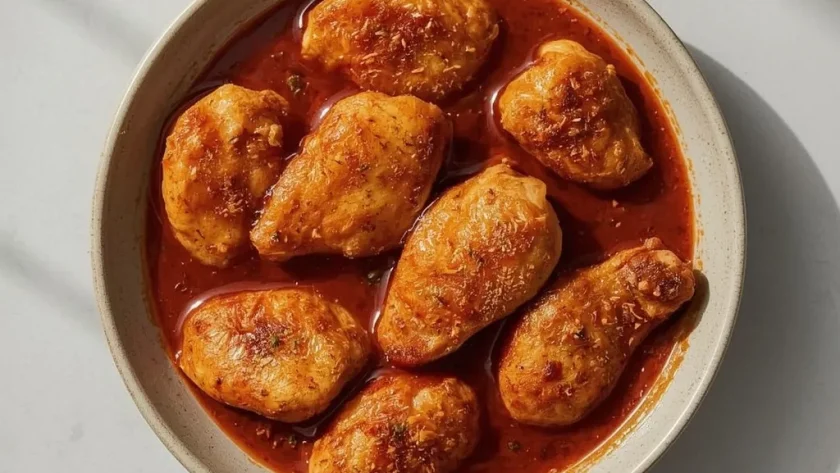
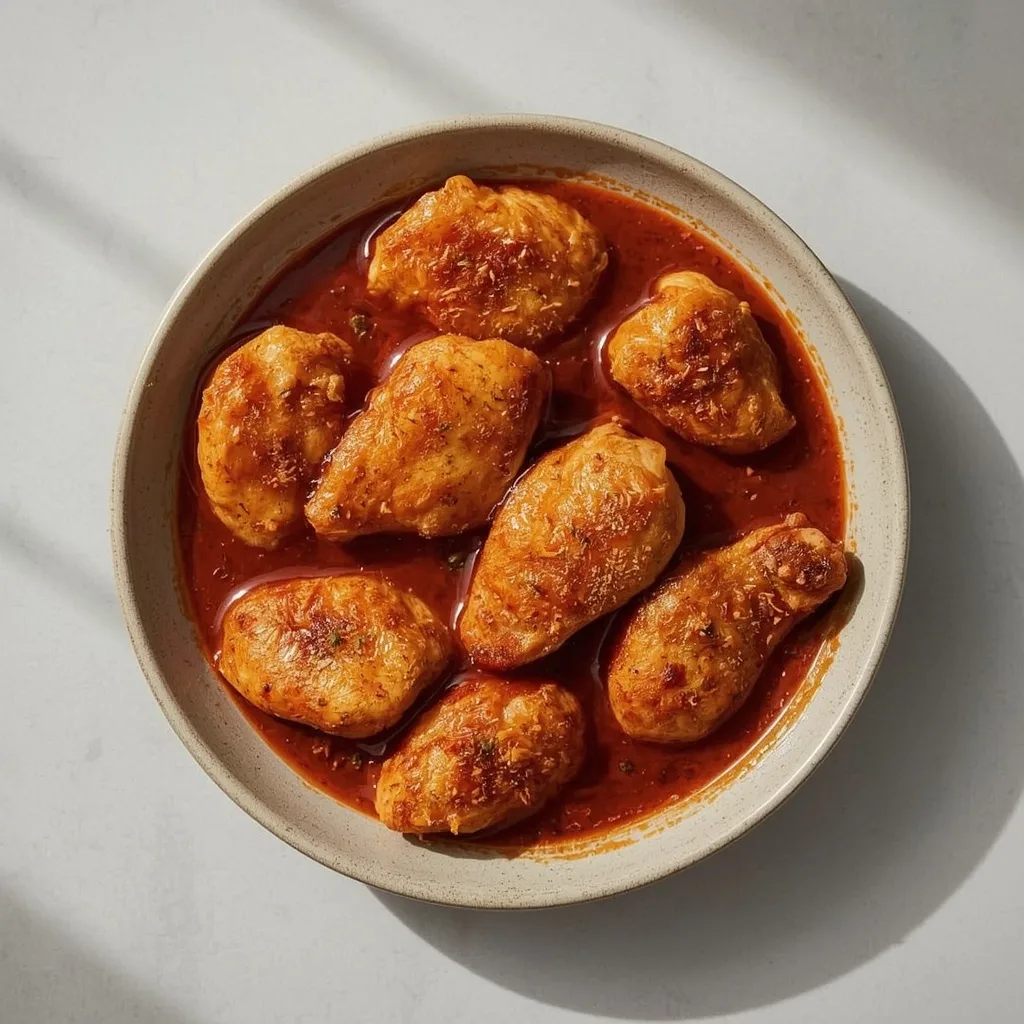
 The Church’s Chicken Spicy Chicken Marinade captures that bold, tangy heat you crave from the drive-thru, but made entirely in your own kitchen. It is a buttermilk-based marinade loaded with hot sauce, cayenne, and smoked paprika that tenderizes the meat while building a deeply flavorful crust.
You can have this on the table in about 1 hour and 55 minutes total, though most of that is hands-off marinating time. This is a beginner-friendly recipe with just one slightly tricky part: keeping the oil at the right temperature while frying. It is perfect for a weekend dinner, game-day spread, or any time you want crispy, spicy chicken with minimal fuss.
Why You’ll Love This Recipe
- Bold, authentic flavor — The combination of hot sauce, cayenne, and smoked paprika delivers that signature spicy kick with layers of smoky depth you will not get from a store-bought seasoning packet.
- Buttermilk magic — The acid in the buttermilk breaks down connective tissue, which means juicier, more tender meat every single time, even if you cook it a minute too long.
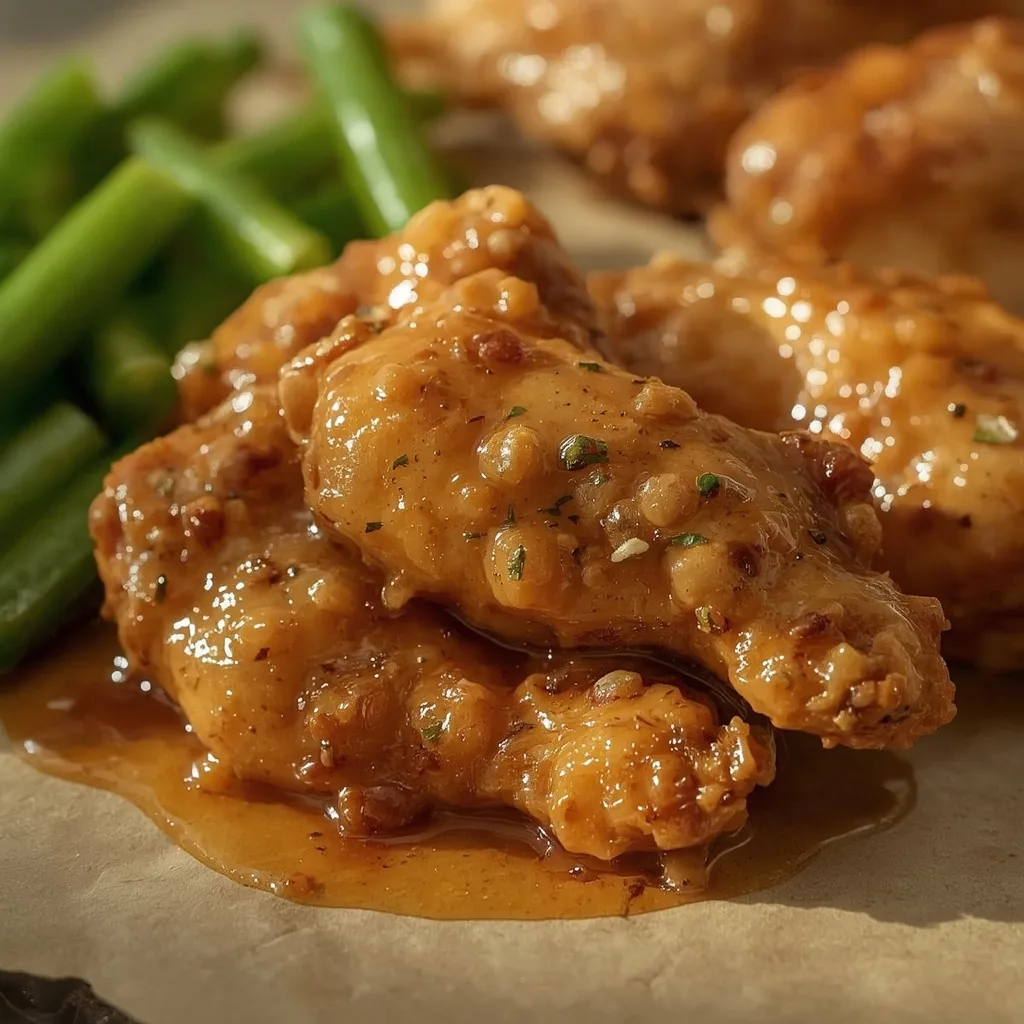
- Crispy, golden crust — Baking powder in the dredge creates a lighter, puffier coating that stays crunchy even after the chicken rests.
- Flexible cooking methods — You can fry it for that classic texture or bake it for a lighter version without sacrificing the spicy flavor.
What Makes This Recipe Special
Three key ingredients do the heavy lifting here: buttermilk, hot sauce, and cayenne pepper. The buttermilk tenderizes while the hot sauce adds that vinegary tang and the cayenne brings serious heat. What you get is chicken with a deeply seasoned crust that crackles when you bite into it, with meat inside that is moist and falls off the bone.
The smoked paprika adds a subtle smokiness that rounds out the heat rather than just punching you in the face with spice. This recipe works beautifully for a casual family dinner or a weekend gathering where everyone wants something with a little kick.
Ingredients You’ll Need
You probably have most of these pantry staples already. Here is what goes into the marinade and the dredge.
For the Marinade
- 1 cup buttermilk — This is the tenderizing base. If you do not have buttermilk, you can use 1 cup of milk mixed with 1 tablespoon of lemon juice and let it sit for 5 minutes.
- 2 tbsp hot sauce — Frank’s RedHot works perfectly here. It adds tang and heat without overpowering the other spices.
- 1 tbsp cayenne pepper — This is where the real heat comes from. Adjust it down to 2 teaspoons if you prefer a milder kick.
- 1 tsp smoked paprika — Adds that subtle smoky undertone that makes the flavor feel more complex.
- 1 tsp garlic powder — Savory depth that complements the heat without being sharp.
- 1 tsp onion powder — Rounds out the savory notes and adds a slight sweetness.
- 1/2 tsp fine sea salt — Enhances all the other flavors and helps the marinade penetrate the meat.
- 1/2 tsp freshly ground black pepper — Adds a mild warmth and bite that pairs well with the cayenne.
For the Chicken and Dredge
- 4 chicken leg quarters — About 2 lb / 900 g total. Leg quarters stay juicy during cooking and have enough surface area to hold a good amount of crust.
- 1 cup all-purpose flour — The base of the crispy coating.
- 1 tsp baking powder — This helps the crust puff up and get lighter during frying.
- 1/2 tsp fine sea salt — Seasons the coating itself, not just the marinade.
- Vegetable oil, for frying — About 2 cups / 473 ml. Use a neutral oil with a high smoke point like canola or peanut oil.
Equipment Needed
Nothing fancy here — just standard kitchen tools you likely already own. A few things do make the process noticeably easier though.
- Large mixing bowl — Big enough to whisk the marinade and coat the chicken without splashing. A glass or ceramic bowl works best.
- Heavy-bottomed skillet — Cast iron or a Dutch oven holds heat steadily, which keeps the oil temperature more consistent while frying.
- Wire rack — Setting the coated chicken on a rack lets the flour hydrate and prevents soggy spots. You will also use it to drain the cooked chicken.
- Instant-read thermometer — Essential for checking both the oil temperature and the internal temperature of the chicken. Do not skip this.
- Tongs — For turning the chicken safely in hot oil without splashing or burning yourself.
Instructions to Prepare Church’s Chicken Spicy Chicken Marinade
The method breaks down into three simple phases: marinate, coat, then fry or bake. Here is the full process step by step.
- Whisk the marinade — In a large bowl, whisk together the buttermilk, hot sauce, cayenne pepper, smoked paprika, garlic powder, onion powder, 1/2 tsp salt, and black pepper until the spices fully dissolve. The mixture should be smooth and a deep red-orange color. Taste it and adjust the heat if you want, but remember some of that spice will mellow during cooking.
- Marinate the chicken — Add the chicken leg quarters to the marinade, turning to coat each piece completely. Cover the bowl with plastic wrap and refrigerate for at least 1 hour, or up to 12 hours for deeper flavor and more tender meat. The buttermilk’s acid works on the connective tissue over time, so longer is genuinely better here.
- Prepare the dredge — When you are ready to cook, remove the chicken from the marinade and let the excess drip off. In a shallow dish, whisk together the flour, baking powder, and 1/2 tsp salt. The baking powder is what gives you that light, puffy crust during frying.
- Coat the chicken — Dredge each piece in the seasoned flour, pressing firmly so the coating adheres. Shake off any excess. Place the coated chicken on a wire rack and let it rest for 10 minutes. This step lets the flour hydrate and stick better, which prevents bare spots during frying.
- Heat the oil — Pour about 1 inch (2.5 cm) of vegetable oil into your heavy-bottomed skillet. Heat over medium-high until the oil reaches 350°F (175°C) if using a thermometer. No thermometer? Drop a small pinch of flour into the oil — it should sizzle immediately but not smoke.
- Fry the chicken — Carefully place the chicken pieces into the hot oil, skin-side down, without crowding the pan. Work in batches if needed to maintain the oil temperature. Fry at 325–350°F (165–175°C) for 10–12 minutes per side, turning once, until the crust is deep golden brown and crispy.
- Check for doneness — Insert an instant-read thermometer into the thickest part of the chicken, avoiding the bone, and look for 165°F (74°C). If the crust browns too quickly, lower the heat slightly so the interior cooks through without burning the outside.
- Drain and rest — Transfer the fried chicken to a wire rack set over a baking sheet so the crust stays crisp. Let it drain for a few minutes. For a lighter version, bake the coated chicken on a greased rack over a baking sheet at 400°F (204°C) for 35–40 minutes, flipping halfway, until the internal temperature hits 165°F (74°C).
- Rest before serving — Let the chicken rest for 5 minutes before digging in. This allows the juices to redistribute and the crust to set, so you get the best texture in every bite.
- Store leftovers — Any extra chicken goes in an airtight container in the refrigerator for up to 3 days. To reheat, place it on a wire rack in a 375°F (190°C) oven for 10–15 minutes until crispy and heated through.
Expert Tips for a Standout Church’s Chicken Spicy Chicken Marinade
After a few rounds of trial and error, I have figured out what makes the difference between good fried chicken and truly great fried chicken. These are the details worth paying attention to.
- Marinate overnight — Even 4 hours gives you noticeably better results than the minimum 1 hour. The buttermilk needs time to work on the connective tissue, and the flavor penetrates deeper the longer it sits.
- Rest the coated chicken — Those 10 minutes on the wire rack are not optional. The flour absorbs moisture from the surface and clings better, which means no patchy coating after frying.
- Watch the oil temperature — If the oil drops too low, the crust absorbs oil and turns greasy. If it is too high, you get a dark crust with raw chicken inside. Keep it steady between 325°F and 350°F and work in small batches.
- Use leg quarters specifically — They have enough fat to stay moist and enough surface area for a satisfying amount of crust. Boneless chicken breasts will cook faster but can dry out if you are not careful.
- Do not skip the baking powder — It reacts with the heat and creates tiny air pockets in the crust, giving you that light, craggy texture instead of a flat, dense coating.
- Season the flour generously — The dredge needs its own salt. If you only rely on the marinade, the crust itself will taste bland even though the meat is well seasoned.
- Let it rest after frying — Those 5 minutes on the wire rack before serving let the crust set properly. Cut into it too soon and the juices will run out, leaving dry chicken.
Common Mistakes to Avoid
I have made every mistake on this list at some point, so I can tell you exactly what goes wrong and how to fix it.
- Skipping the resting period — Coated chicken that goes straight into hot oil loses its flour coating. That 10-minute rest on the wire rack is what keeps the crust intact.
- Crowding the pan — Too many pieces at once drops the oil temperature dramatically. The chicken starts steaming instead of frying, and you end up with a soft, greasy crust. Fry in batches.
- Using cold chicken — Cold chicken straight from the fridge brings down the oil temperature too fast. Let it sit at room temperature for about 15 minutes before frying.
- Flipping too early — If the crust is not set, the coating will stick to the pan and tear off. Wait until the first side is deep golden brown before you try to turn it.
- Overcooking the outside — The crust browns quickly, but the interior needs more time. If you are seeing a dark crust before the chicken is done, lower the heat and give it more time to cook through.
- Skipping the thermometer — Guessing when the chicken is done is risky. One instant-read thermometer takes the guesswork out and guarantees safely cooked meat every time.
Variations & Ways to Customize Church’s Chicken Spicy Chicken Marinade
The base recipe is excellent as written, but you can easily adjust it to fit your preferences. These variations keep the method the same while changing the flavor profile.
- Milder version — Cut the cayenne down to 1 teaspoon and swap the hot sauce for a mild buffalo sauce. You still get the tangy buttermilk flavor without the serious heat.
- Extra crispy coating — Add 2 tablespoons of cornstarch to the flour mixture. The starch crisps up beautifully and gives you an even crunchier exterior.
- Smoky twist — Increase the smoked paprika to 2 teaspoons and add 1/2 teaspoon of ground cumin. This gives the marinade a barbecue-style depth that works well with the heat.
- Herb-infused version — Add 1 teaspoon of dried oregano and 1 teaspoon of dried thyme to the marinade. The herbs bring an earthy note that complements the spice nicely.
- Lemon-pepper style — Reduce the cayenne to 1 teaspoon and add the zest of one lemon plus an extra 1/2 teaspoon of black pepper. The citrus brightness cuts through the richness of the fried crust.
- Gluten-free adaptation — Replace the all-purpose flour with a 1:1 gluten-free flour blend. The texture will be slightly different, but the flavor stays intact.
What to Serve With Church’s Chicken Spicy Chicken Marinade
This chicken pairs well with classic comfort food sides that balance out the heat. Here are some of my go-to choices.
- Buttermilk mashed potatoes — The creamy texture and mild flavor are the perfect counterpoint to the spicy, crispy crust.
- Coleslaw — The cool, crunchy cabbage with a tangy dressing cuts through the richness and cools your palate between bites.
- Cornbread — Slightly sweet, buttery cornbread soaks up any extra hot sauce and balances the savory spice.
- Pickle spears — The acidity of pickles brightens everything and adds a refreshing crunch alongside the fried chicken.
- Collard greens — Their earthy, slightly bitter flavor and tender texture create a hearty, Southern-style meal.
- Sweet tea — The sweetness and chill of iced tea soothe the heat and make the whole meal feel like a proper Southern spread.
Make-Ahead Instructions
This recipe actually gets better when you plan ahead. The marinade does most of the flavor work in the refrigerator, so a little forethought pays off.
- Marinate the night before — Coat the chicken in the marinade up to 12 hours ahead. The longer it sits, the more tender and flavorful the meat becomes.
- Pre-measure the dredge — Whisk together the flour, baking powder, and salt and store it in an airtight container. When you are ready to cook, you just dip and fry.
- Coat ahead and refrigerate — You can dredge the chicken and store it on a wire rack in the fridge for up to 2 hours before frying. The coating will set and stick even better.
- Freeze the marinated chicken — Place the chicken and marinade in a freezer-safe bag and freeze for up to 2 months. Thaw overnight in the refrigerator before dredging and cooking.
Storage and Reheating
Leftovers are worth protecting when they taste this good. Here is how to store and bring back that crispy texture.
Storage
- Refrigerator storage — Place the cooked chicken in an airtight container and refrigerate for up to 3 days. The crust will soften, but the flavor stays intact.
- Freezer storage — Freeze the cooked chicken in a single layer in an airtight container for up to 2 months. Thaw overnight in the fridge before reheating.
- Separate the pieces — Place parchment paper between layers of chicken to prevent them from sticking together and to keep the coating from peeling off.
Reheating
- Oven method — Place the chicken on a wire rack over a baking sheet and warm it in a 375°F (190°C) oven for 10–15 minutes. This brings back the crispiness better than any other method.
- Air fryer method — Set the air fryer to 375°F (190°C) and heat the chicken for 5–7 minutes until hot and crispy. This is the fastest way to restore that crunchy texture.
- Microwave method — Use this only if you are in a hurry. Heat on medium power for 2–3 minutes, but expect the crust to soften significantly. It works, but it is not ideal.
- Skillet method — Add a thin layer of oil to a skillet over medium heat and warm the chicken for 3–4 minutes per side. This restores some crispiness while reheating the meat.
Nutritional Breakdown (Per Serving)
Based on 1 serving = 1 chicken leg quarter, with 4 servings total per batch. This includes the marinade and coating at their full amounts.
- Calories — 510
- Protein — 42g
- Fat — about 23g
- Carbohydrates — 32g
- Fiber — around 2g
- Sugar — 6g
- Sodium — roughly 780mg
Frequently Asked Questions
Can I use boneless chicken breasts with this Church’s Chicken Spicy Chicken Marinade?
Yes, but adjust the cooking time. Boneless breasts cook faster, so check for doneness after about 8–10 minutes per side during frying. Watch them closely to avoid drying out.
How long should I marinate the chicken?
At least 1 hour, but 6–12 hours is better. The buttermilk needs time to tenderize the meat and the spices need time to penetrate. Overnight marinating gives you the most flavorful, juiciest results.
Can I grill the chicken instead of frying?
Absolutely. After marinating, skip the flour dredge and grill over medium heat for 25–30 minutes, turning occasionally, until the internal temperature reaches 165°F (74°C). The marinade keeps it moist, and you get those nice char marks instead of a crispy crust.
How do I make the marinade less spicy?
Reduce the cayenne pepper to 1 teaspoon and use a milder hot sauce. You can also add an extra tablespoon of buttermilk to dilute the heat slightly. The acid in the buttermilk will also mellow the spice over time.
Can I use skinless chicken with this recipe?
You can, but the skin provides moisture and flavor during frying. If you remove it, reduce the cooking time slightly and keep a close eye on the internal temperature. The crust will adhere fine either way.
Is the baking powder necessary in the dredge?
It makes a real difference. Baking powder creates tiny air pockets in the coating as it fries, giving you a lighter, crispier crust with more texture. If you skip it, the coating will be denser and flatter.
More Recipes
Final Words
This Church’s Chicken Spicy Chicken Marinade delivers everything you want from indulgent fried chicken: serious heat, tangy depth, and a crust that stays crunchy to the last bite. The marinade does the heavy lifting, so the cooking process feels simple and forgiving even for beginners.
Give it a try on a weekend when you have time to let the chicken soak up all that flavor. The extra hour of marinating is worth every minute.
PrintChurch’s Chicken Spicy Chicken Marinade
This bold, buttermilk-based marinade delivers the signature heat and tangy depth of Church’s Chicken’s spicy flavor, using a blend of hot sauce, cayenne, and aromatic spices. The acid in the buttermilk tenderizes the chicken while the spices create a flavorful crust that crisps beautifully, whether fried or baked.
- Prep Time: 15
- Cook Time: 25
- Total Time: 115
- Yield: 4 1x
- Category: Main Course
- Method: Stovetop (optional: bake)
- Cuisine: American
Ingredients
- 1 cup buttermilk
- 2 tbsp hot sauce (e.g., Frank’s RedHot)
- 1 tbsp cayenne pepper
- 1 tsp smoked paprika
- 1 tsp garlic powder
- 1 tsp onion powder
- 1/2 tsp fine sea salt
- 1/2 tsp freshly ground black pepper
- 4 chicken leg quarters (about 2 lb / 900 g total)
- 1 cup all-purpose flour
- 1 tsp baking powder
- 1/2 tsp fine sea salt (for dredging)
- Vegetable oil, for frying (about 2 cups / 473 ml)
Instructions
- In a large bowl, whisk together the buttermilk, hot sauce, cayenne pepper, smoked paprika, garlic powder, onion powder, 1/2 tsp salt, and black pepper until the spices are fully dissolved. The marinade should be smooth and a deep red-orange color; taste and adjust heat if desired, but note that some heat will mellow during cooking.
- Add the chicken leg quarters to the marinade, turning to coat each piece completely. Cover the bowl with plastic wrap and refrigerate for at least 1 hour, or up to 12 hours for deeper flavor and more tender meat. The buttermilk’s acid helps break down connective tissue, so longer marinating yields juicier chicken.
- When ready to cook, remove the chicken from the marinade and let excess drip off. In a shallow dish, whisk together the flour, baking powder, and 1/2 tsp salt. The baking powder adds lightness and helps the crust puff up during frying.
- Dredge each piece of chicken in the seasoned flour, pressing firmly so the coating adheres. Shake off any excess. Place the coated chicken on a wire rack and let rest for 10 minutes—this allows the flour to hydrate and stick better, preventing bare spots.
- Meanwhile, pour about 1 inch (2.5 cm) of vegetable oil into a heavy-bottomed skillet, such as cast iron or Dutch oven. Heat over medium-high until the oil reaches 350°F (175°C) if using a thermometer, or test by dropping a small pinch of flour into the oil—it should sizzle immediately but not smoke.
- Carefully place the chicken pieces into the hot oil, skin-side down, without crowding the pan. Work in batches if necessary to maintain oil temperature. Fry at 325–350°F (165–175°C) for 10–12 minutes per side, turning once, until the crust is deep golden brown and crispy.
- To ensure doneness, use an instant-read thermometer inserted into the thickest part of the chicken (avoiding bone) to read 165°F (74°C). If the crust browns too quickly, lower the heat slightly to prevent burning while the interior cooks through.
- Transfer the fried chicken to a wire rack set over a baking sheet to keep the crust crisp. Drain for a few minutes. If you prefer a lighter version, bake the coated chicken on a greased rack over a baking sheet at 400°F (204°C) for 35–40 minutes, flipping halfway, until internal temperature reaches 165°F (74°C).
- Let the chicken rest for 5 minutes before serving. This allows juices to redistribute and the crust to set. Serve hot with extra hot sauce, pickles, or a side of mashed potatoes.
- Store any leftovers in an airtight container in the refrigerator for up to 3 days. To reheat, place on a wire rack in a 375°F (190°C) oven for 10–15 minutes until crispy and heated through.
Notes
Marinating time: minimum 1 hour, up to 12 hours. Storage: cooked chicken can be refrigerated for up to 3 days. Freeze cooked chicken in a single layer in an airtight container for up to 2 months. To reheat, thaw overnight in the fridge and warm in a 375°F (190°C) oven for 10-15 minutes, or until hot and crispy.
Nutrition
- Calories: 510
- Sugar: 6g
- Sodium: 780mg
- Unsaturated Fat: 5g
- Carbohydrates: 32g
- Fiber: 2g
- Protein: 42g
- Cholesterol: 150mg
Keywords: Church’s chicken spicy marinade, spicy fried chicken, buttermilk marinade, hot sauce chicken, Southern fried chicken, spicy chicken recipe, chicken marinade, crispy chicken, homemade Church’s chicken