 Kendric adan
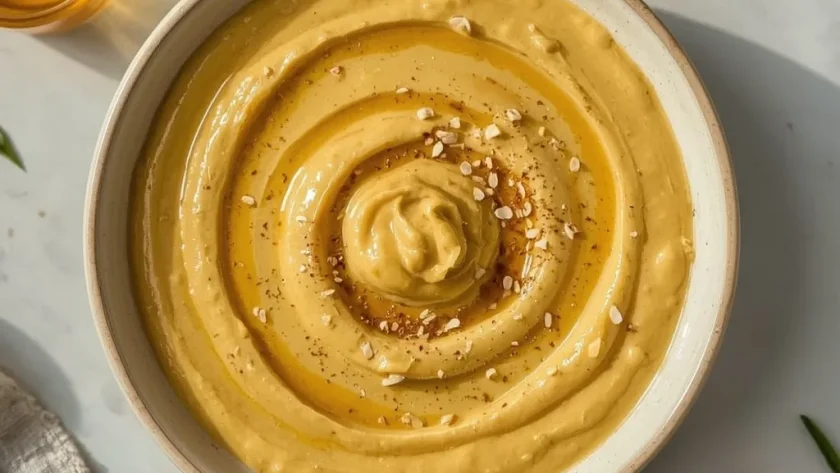
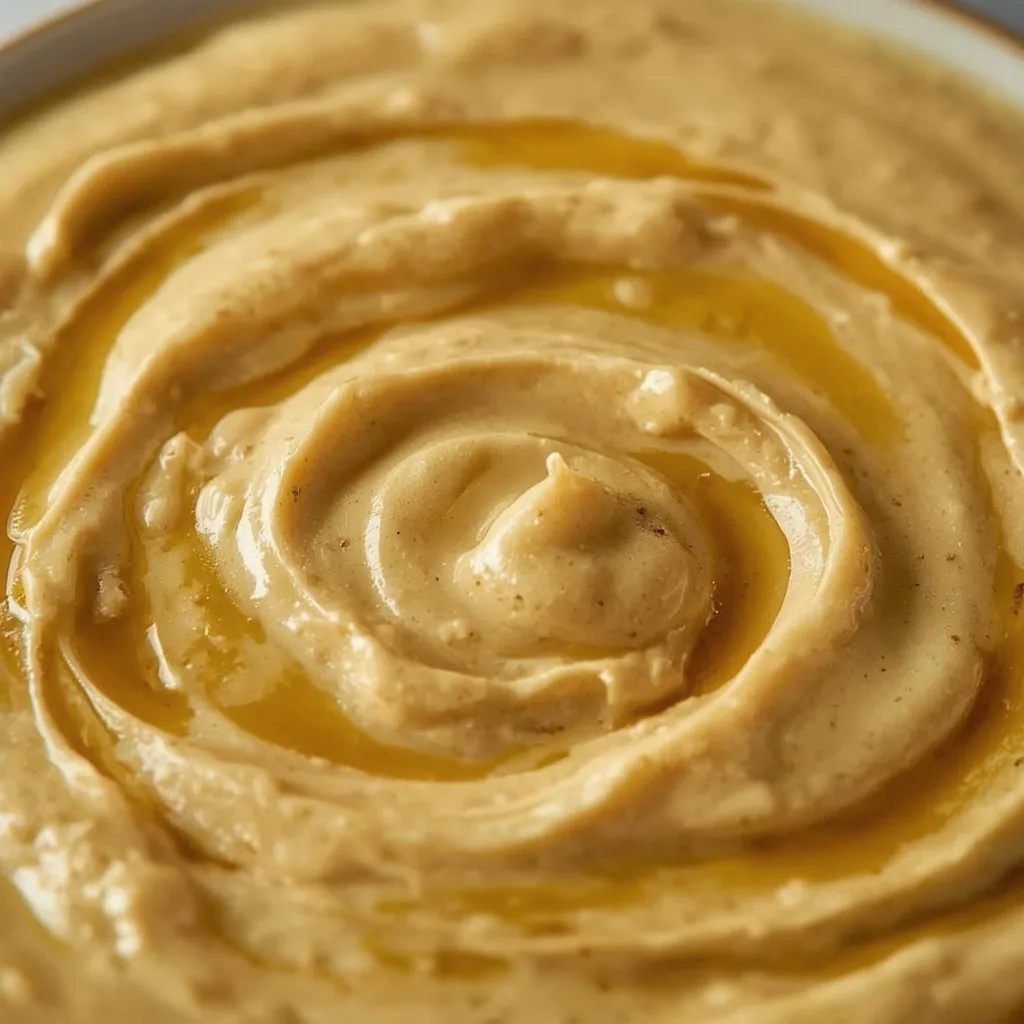
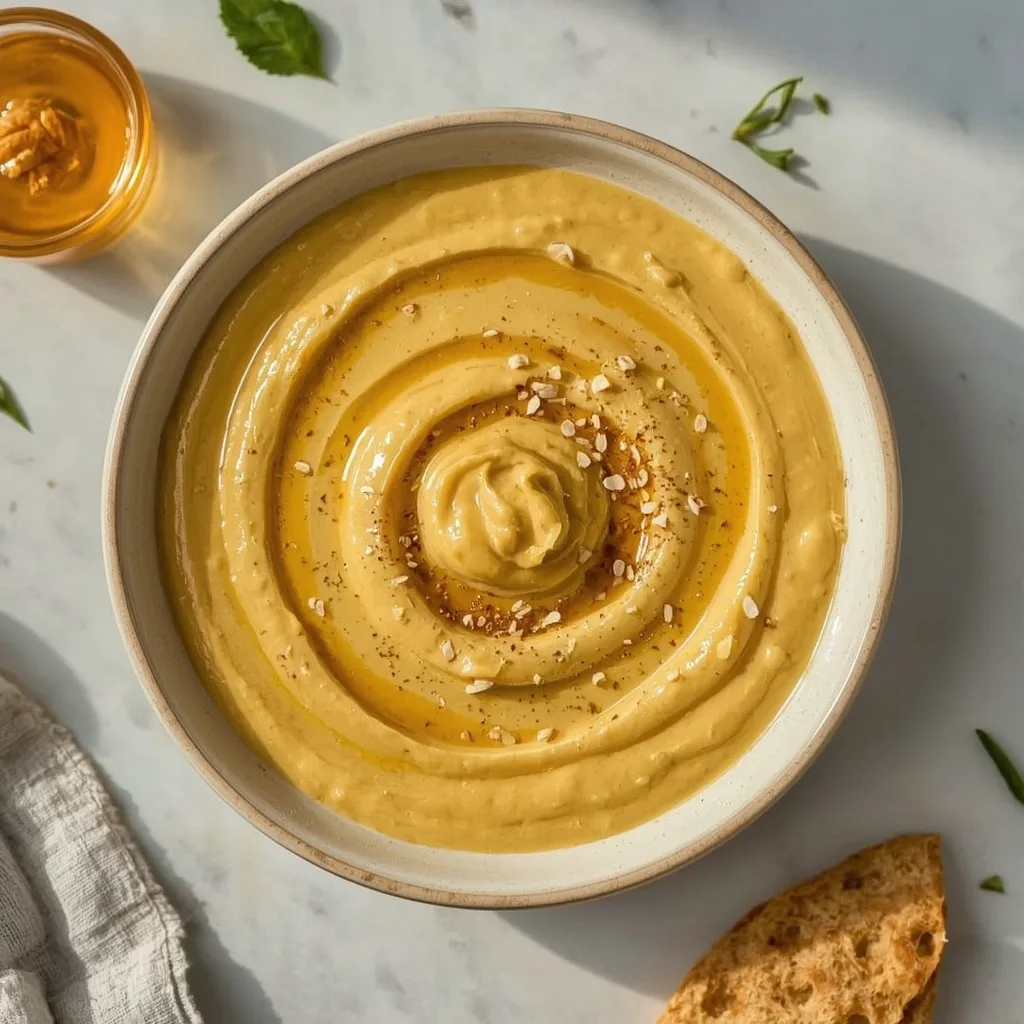
 Making a copycat of Houstons Honey Mustard at home is simpler than you might think. This creamy, sweet-tangy sauce nails that signature balance of rich honey and sharp mustard that makes the restaurant version so addictive.
This no-cook recipe takes just 5 minutes of active time and is beginner-friendly. The only thing to watch for is letting it rest in the fridge for at least 30 minutes so the flavors meld together perfectly.
Why You’ll Love This Recipe
- Spot-on replica — This dressing tastes exactly like the restaurant version, with the same velvety texture and balanced sweet-tangy kick.
- Incredibly fast — Five minutes of whisking and you are done, no cooking or complicated steps involved.
- Versatile staple — Use it as a dip for chicken tenders, a dressing for salads, or a spread for sandwiches and wraps.
What Makes This Recipe Special
This sauce uses both Dijon and yellow mustard alongside honey and mayonnaise to create that signature creamy consistency. A tiny pinch of cayenne adds a subtle warmth on the finish that builds without being spicy. The apple cider vinegar brightens everything up, keeping the richness in check.
Ingredients You’ll Need
You probably have most of these ingredients already, which makes this recipe even more convenient.
The Base
- 1/2 cup full-fat mayonnaise — This creates the velvety smooth body of the sauce. Do not swap for light or fat-free versions, as they will thin out and taste watery.
- 3 tablespoons Dijon mustard — Brings a sharp, tangy depth that defines the overall flavor profile. Look for a brand with visible mustard seeds for extra texture.
- 2 tablespoons honey — Provides the signature sweetness that balances the mustard’s bite. A mild clover honey works best here.
- 1 tablespoon yellow mustard — Adds that classic bright yellow color and a milder mustard tang that rounds out the sharper Dijon.
The Seasoning
- 1/2 teaspoon apple cider vinegar — This tiny amount brightens the sauce and cuts through the richness of the mayonnaise.
- 1/4 teaspoon fine sea salt — Enhances all the other flavors without making the sauce taste salty. Adjust to taste if using table salt.
- 1/8 teaspoon cayenne pepper — A whisper of heat that lingers on the finish. Leave it out for a completely mild version or double it for more kick.
Equipment Needed
- Small mixing bowl — A bowl just big enough to whisk everything together without splashing. A cereal bowl works fine.
- Whisk — A small wire whisk helps incorporate the honey smoothly. A fork works in a pinch but takes more effort.
- Measuring spoons — Accurate measurements matter here since the ratios are tight. Level off each spoonful for consistent results.
- Sealed container or jar — An airtight container with a tight-fitting lid keeps the sauce fresh in the fridge. A glass jar with a screw-top lid works perfectly.
- Rubber spatula — Helps scrape every last bit of sauce from the bowl into your storage container. No waste.
Instructions to Prepare Houstons Honey Mustard
This comes together quickly, so have all your ingredients measured and ready before you start whisking.
- Combine the base — In a small mixing bowl, whisk together the mayonnaise, both mustards, honey, and apple cider vinegar until the mixture is completely smooth and evenly colored. The honey should be fully incorporated without any visible streaks.
- Season and taste — Add the salt and cayenne pepper, then whisk again to distribute the seasoning evenly. Taste the sauce on a clean spoon — it should taste creamy, sweet-tangy with a subtle warmth on the finish. Adjust honey or cayenne in tiny increments if needed, whisking well after each addition.
- Rest the sauce — Transfer the honey mustard to a serving bowl or jar. Cover and refrigerate for at least 30 minutes before serving. This resting time allows the mustard tang and honey sweetness to meld together harmoniously.
- Serve or thin — Serve cold or at room temperature. If using as a salad dressing, thin with 1 to 2 teaspoons of water or extra apple cider vinegar to reach a drizzling consistency.
Expert Tips for a Standout Houstons Honey Mustard
- Use full-fat ingredients — Light mayonnaise has added starches and gums that make the sauce turn thin and watery. Stick with full-fat for the proper creamy texture.
- Resting is non-negotiable — The sauce tastes significantly better after 30 minutes in the fridge. The flavors need time to meld and mellow out. Taste it fresh and then again after resting — you will notice the difference.
- Whisk thoroughly — Honey is thick and wants to cling to the whisk rather than incorporate. Whisk vigorously in one direction until the sauce looks uniformly pale yellow with no streaks.
- Adjust heat in tiny increments — That 1/8 teaspoon of cayenne is surprisingly potent. If you want more heat, add just a pinch at a time and taste between additions. You can always add more but cannot take it out.
- Let it come to room temperature before serving as dressing — Straight from the fridge, the sauce is thick and clings well to chicken tenders. For salads, let it sit out for 10 minutes before thinning and drizzling.
- Stir before each use — The ingredients may separate slightly upon standing, especially the vinegar. A quick stir or shake in your jar re-emulsifies everything perfectly.
- Double the batch — This recipe keeps for two weeks in the fridge, so making a double batch means you always have it on hand for quick snacks or lunches.
Common Mistakes to Avoid
- Skipping the rest time — Using the sauce immediately after mixing results in a harsh, disjointed flavor where the mustard and honey taste separate. The 30-minute rest transforms it into a cohesive sauce.
- Using too much cayenne — Even an extra pinch can make the sauce unpleasantly spicy. Stick to the 1/8 teaspoon and adjust only if you are certain you want more heat.
- Substituting light mayonnaise — Low-fat or fat-free mayonnaise contains stabilizers that break down differently, leaving you with a thin, slightly grainy sauce instead of the velvety smooth original.
- Over-whisking after resting — Once the sauce is resting, give it a gentle stir before serving. Over-whisking at this point can incorporate air bubbles that change the texture.
- Adding too much vinegar for dressing — If you thin it with water first and it still feels thick, add vinegar just a half-teaspoon at a time. Too much vinegar makes the sauce sharply acidic.
- Freezing the sauce — Mayonnaise-based sauces break when frozen and turn watery upon thawing. Keep this one strictly in the refrigerator.
Variations & Ways to Customize Houstons Honey Mustard
- Extra-spicy version — Increase the cayenne to 1/4 teaspoon or add a few dashes of hot sauce. The heat builds gradually without overwhelming the sweet-tangy base.
- Smoked paprika twist — Swap the cayenne for 1/4 teaspoon smoked paprika. This adds a subtle smokiness that pairs beautifully with grilled chicken or roasted vegetables.
- Garlic herb blend — Whisk in 1/2 teaspoon garlic powder and 1 tablespoon finely chopped fresh chives. This version works great as a dip for roasted potatoes or as a spread for wraps.
- Maple variation — Replace the honey with maple syrup for a deeper, earthier sweetness. The texture stays the same, but the flavor profile shifts noticeably.
- Dill pickle version — Add 1 tablespoon finely chopped dill pickles and 1 teaspoon pickle juice. The briny tang creates a completely different sauce perfect for fish or onion rings.
- Honey mustard vinaigrette — Whisk in 2 tablespoons olive oil and an extra teaspoon of apple cider vinegar. This thinner version works beautifully as a salad dressing without needing extra thinning.
What to Serve With Houstons Honey Mustard
This sauce is remarkably versatile and complements a wide range of dishes beyond just chicken tenders.
- Crispy chicken tenders — The classic pairing. The creamy sauce clings to the crunchy breading, creating the perfect salty-sweet-savory bite.
- Crunchy french fries — Dip hot, salty fries into this sauce for a tangy alternative to ketchup. The sweetness balances the salt beautifully.
- Fresh garden salad — Thinned slightly, this makes an excellent dressing for a simple green salad with tomatoes, cucumbers, and red onion.
- Grilled chicken breast — Brush it over grilled chicken during the last minute of cooking, or serve it on the side as a dipping sauce.
- Roasted vegetables — Drizzle over roasted broccoli, cauliflower, or sweet potatoes. The creamy tang complements the caramelized edges perfectly.
- Sandwich spread — Use it instead of mayonnaise on turkey, ham, or veggie sandwiches. It adds moisture and a punch of flavor that plain mayo cannot match.
Make-Ahead Instructions
- Prepare the full batch — This sauce is designed to be made ahead. Whisk everything together, transfer to an airtight container, and refrigerate for up to two weeks. The flavors actually improve after a day in the fridge.
- Portion into smaller containers — If you plan to use this for different purposes (dip vs. dressing), divide it into smaller jars. This prevents cross-contamination and keeps each portion fresh longer.
- Label with the date — Write the preparation date on the container with a permanent marker. This helps you track freshness, especially if you keep it for the full two weeks.
- Do not thin until serving — Only add water or extra vinegar when you are ready to use it as a dressing. Pre-thinning can make the sauce separate or become watery over time.
Storage and Reheating
Storage
- Airtight container in the refrigerator — Transfer the sauce to a clean jar or container with a tight-fitting lid. Store for up to 2 weeks.
- Glass jar preferred — Glass containers do not absorb odors or stains from other foods in the fridge. A mason jar with a screw-top lid is ideal.
- Keep away from the door — Store the container on a shelf near the back of the fridge where temperatures remain most consistent. The door experiences temperature fluctuations each time it opens.
- Stir before each use — The ingredients may separate slightly upon standing, especially the vinegar and any added water. A quick stir or shake re-emulsifies everything perfectly.
Reheating
- No reheating needed — This sauce is designed to be served cold or at room temperature. Reheating is not necessary and can actually cause the mayonnaise to break.
- Room temperature rest — If the sauce is too thick straight from the fridge for your liking, let it sit at room temperature for 10-15 minutes before serving. Stir gently to restore its smooth consistency.
- Do not microwave — Microwaving this sauce will cause the mayonnaise to separate and become oily. If you accidentally refrigerated it too long, just let it sit out instead.
- Warm water bath — In a pinch, place the sealed container in a bowl of warm (not hot) water for 5 minutes. This gently warms the sauce without breaking its emulsion.
Nutritional Breakdown (Per Serving)
Serving size: 1/4 of the total recipe (about 3 tablespoons)
- Calories: 187
- Protein: 1g
- Fat: 16g
- Saturated Fat: close to 2.5g
- Carbohydrates: 11g
- Fiber: 0g
- Sugar: around 10g
- Sodium: 530mg
- Cholesterol: roughly 10mg
Frequently Asked Questions
Can I freeze Houstons Honey Mustard?
No, do not freeze this sauce. Mayonnaise-based sauces break when frozen and become watery and grainy upon thawing. Stick to refrigerator storage for up to two weeks.
How long does Houstons Honey Mustard last in the fridge?
Stored in an airtight container, this sauce stays fresh for up to 2 weeks. The flavors continue to meld and deepen over the first few days, so it tastes even better after resting. Stir well before each use.
Can I use Greek yogurt instead of mayonnaise?
You can, but the texture and flavor will change significantly. Greek yogurt makes the sauce thinner, tangier, and less creamy. If you try it, use full-fat plain yogurt and expect a lighter, more tart result that works better as a dressing than a dip.
Why does my sauce taste too sharp?
This usually means the honey has not fully incorporated or the sauce needs more resting time. Whisk thoroughly until no streaks remain, then refrigerate for at least 30 minutes. If it still tastes too sharp, add a tiny bit more honey, whisking well and tasting between additions.
Can I double this recipe?
Absolutely. The ratios scale perfectly, so doubling or even tripling works without any adjustments. Just ensure your bowl is large enough to whisk everything together smoothly. Store the larger batch in a bigger container or divide it into smaller jars for convenience.
What is the best mustard to use?
Use a quality Dijon mustard with visible mustard seeds for the best texture and tang. Avoid honey mustard blends or flavored mustards, as they throw off the balance. A standard yellow mustard works fine for the second mustard component.
Final Words
This Houstons Honey Mustard recipe proves that restaurant-quality sauces are well within reach at home. With just five minutes of prep and a handful of common ingredients, you get a versatile sauce that elevates everything from chicken tenders to salads. Give it a try for your next snack or meal — the 30-minute rest is absolutely worth the wait.
More Recipes
PrintHoustons Honey Mustard
This creamy honey mustard dip and dressing is a spot-on replica of Houston’s signature version, balancing sweet honey with a tangy, mildly spicy kick. Velvety smooth and versatile, it clings perfectly to chicken tenders, fries, or salads without being overly thick or thin.
- Prep Time: 5
- Total Time: 5
- Yield: 4 1x
- Category: Side/Sauce
- Method: No-Cook
- Cuisine: American
Ingredients
- 1/2 cup full-fat mayonnaise
- 3 tablespoons Dijon mustard
- 2 tablespoons honey
- 1 tablespoon yellow mustard
- 1/2 teaspoon apple cider vinegar
- 1/4 teaspoon fine sea salt
- 1/8 teaspoon cayenne pepper
Instructions
- In a small mixing bowl, combine 1/2 cup full-fat mayonnaise, 3 tablespoons Dijon mustard, 2 tablespoons honey, 1 tablespoon yellow mustard, and 1/2 teaspoon apple cider vinegar. Whisk gently until the mixture is completely smooth and evenly colored; the honey should be fully incorporated without any streaks.
- Add 1/4 teaspoon fine sea salt and 1/8 teaspoon cayenne pepper. Whisk again to distribute the seasoning. Taste the sauce on a clean spoon—it should be creamy, sweet-tangy with a subtle warmth on the finish. If desired, adjust the honey or cayenne in tiny increments, whisking well after each addition.
- Transfer the honey mustard to a serving bowl or jar. For the best texture and flavor fusion, cover and refrigerate for at least 30 minutes before serving. This resting time allows the mustard tang and honey sweetness to meld together harmoniously.
- Serve cold or at room temperature as a dip for chicken tenders, crispy fries, or as a dressing for salads. If using as a dressing, thin with 1 to 2 teaspoons of water or apple cider vinegar to reach a drizzling consistency.
Notes
Store in an airtight container in the refrigerator for up to 2 weeks. Stir well before each use as ingredients may separate slightly upon standing. For best flavor, prepare at least 30 minutes ahead to allow the flavors to meld. Do not freeze — mayonnaise-based sauces will break and become watery upon thawing. To reincorporate, let come to room temperature and whisk vigorously.
Nutrition
- Calories: 187
- Sugar: 10g
- Sodium: 530mg
- Saturated Fat: 2.5g
- Carbohydrates: 11g
- Fiber: 0g
- Protein: 1g
- Cholesterol: 10mg
Keywords: Houston’s honey mustard, honey mustard sauce, copycat Houston’s sauce, creamy honey mustard, American dipping sauce, honey mustard dressing, no-cook sauce, 5-minute sauce, chicken tender dip, salad dressing