 Kendric adan
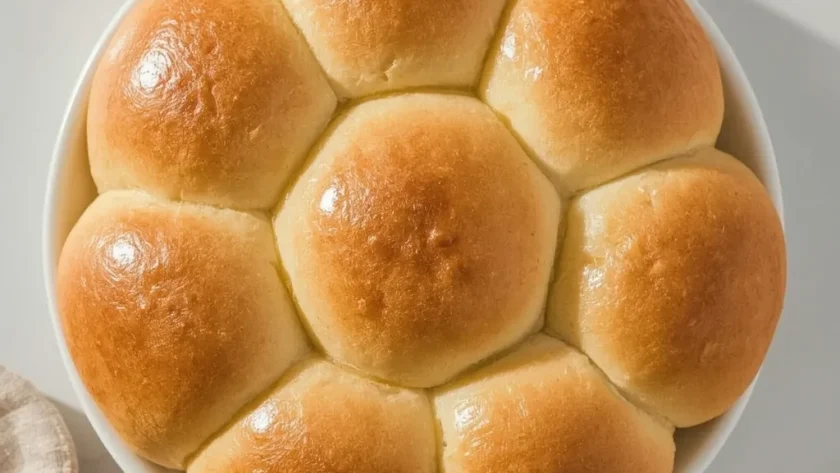
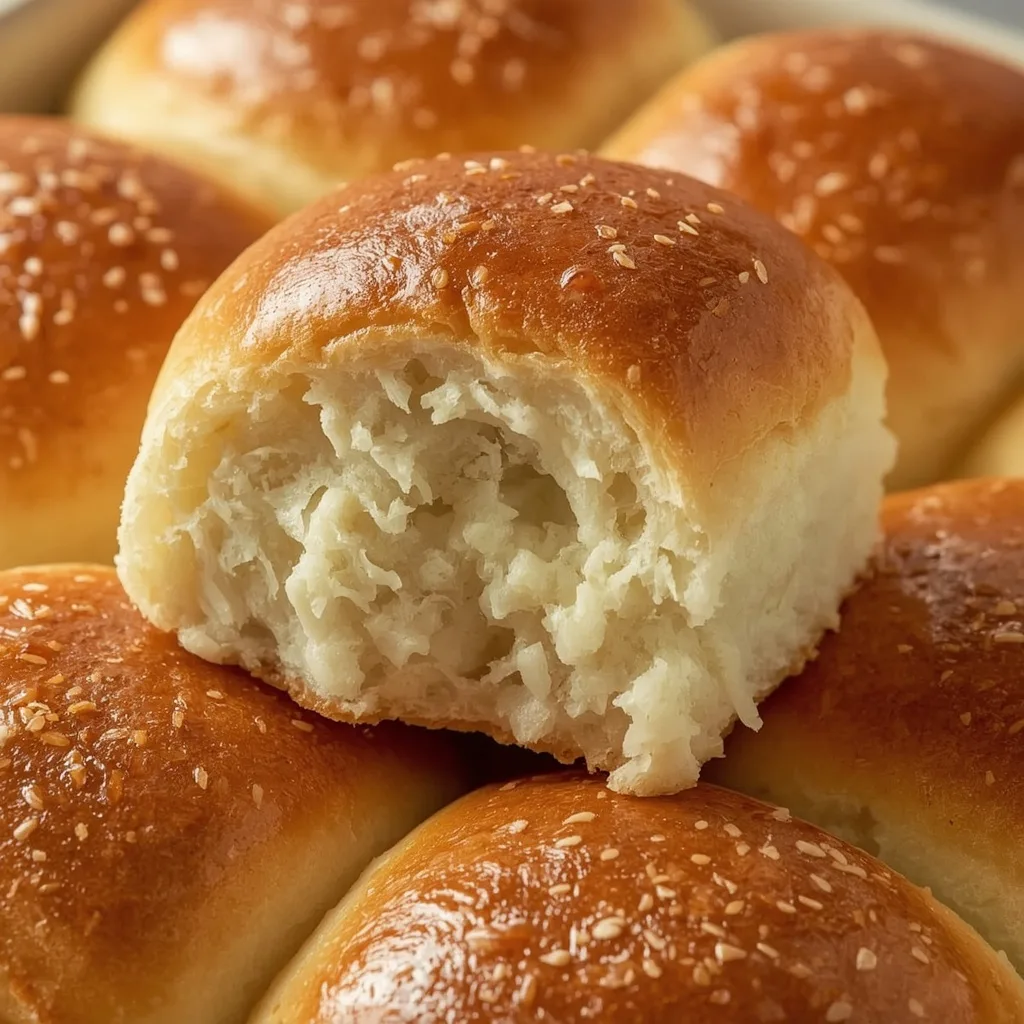
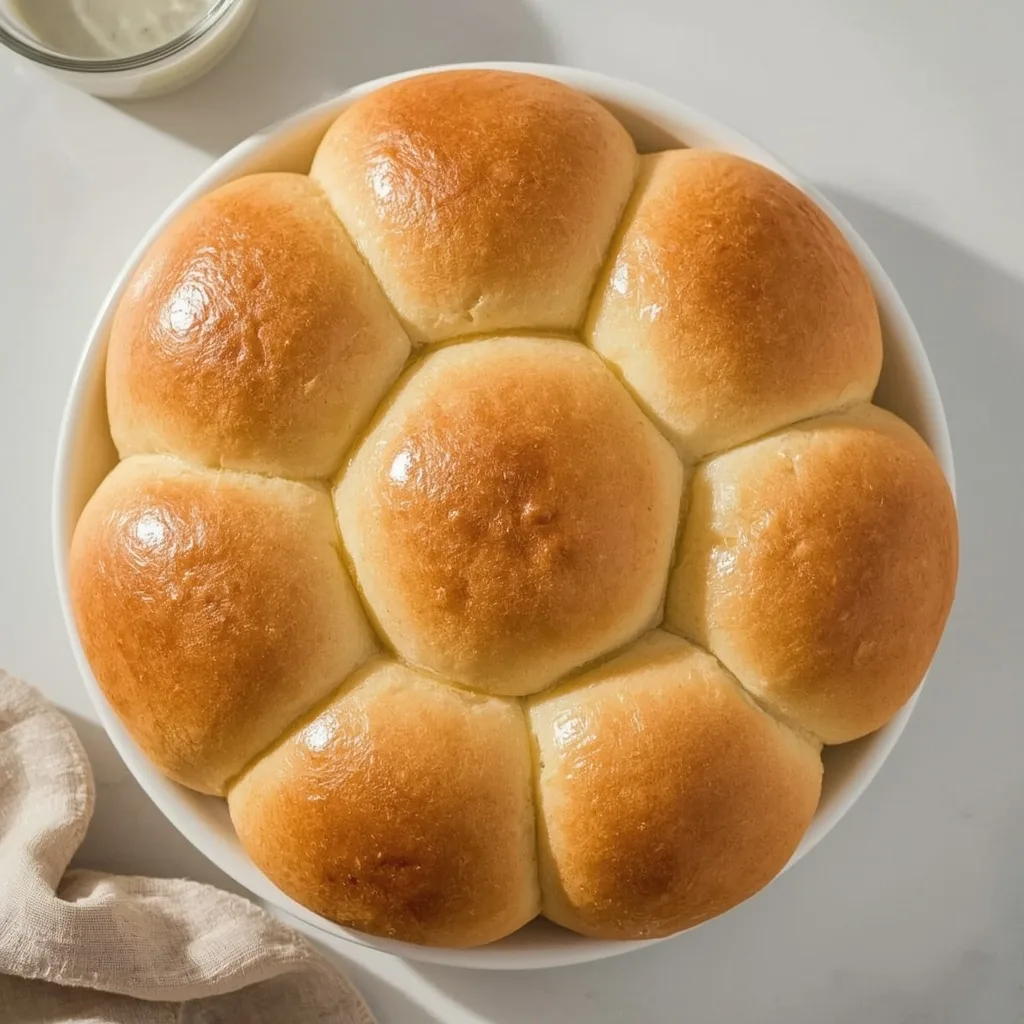
 These copycat Golden Corral rolls are everything you want from a dinner roll: soft, buttery, and just a little sweet. They mimic the famous buffet versions perfectly, with a tender crumb and a glossy golden top that begs for extra butter.
The whole process takes about 2 hours 45 minutes from start to finish, and I’d call it a beginner-friendly recipe. The trickiest part is proving the yeast is alive, but that is a simple five-minute test you cannot skip.
Why You’ll Love This Recipe
- Simple ingredients — You likely already have flour, milk, butter, and an egg in your kitchen. No special flours or hard-to-find items.
- Quick rise times — Both proofing stages are under two hours total. That is fast for yeast rolls.
- Perfect for beginners — The method uses straightforward kneading and shaping. Even if you have never made bread, you can pull these off.
What Makes This Recipe Special
Warm milk and a touch of sugar give these rolls a subtle sweetness that balances the savory butter finish. The dough gets a single egg for richness, and brushing melted butter right after baking creates a soft, glossy crust. They are pillow-soft inside with just enough structure to hold up to gravy or jam.
Ingredients You’ll Need
For the Dough
- 1/2 cup whole milk, warmed to 110°F / 43°C — Warm milk activates the yeast faster. Use a thermometer; if the milk is too hot, it kills the yeast.
- 2 tablespoons granulated sugar, divided — Part feeds the yeast during proofing; the rest adds sweetness to the dough.
- 1/2 teaspoon active dry yeast (or 1/4 teaspoon instant yeast) — Active dry needs proofing, instant can go straight into the flour. I prefer active for these rolls because the foaming step confirms viability.
- 1 3/4 cups all-purpose flour, plus more for dusting — Standard AP flour works great. Bread flour will make them chewier; not what we want here.
- 1/2 teaspoon kosher salt — Salt controls yeast activity and enhances flavor. Do not skip or reduce it.
- 1 large egg, lightly beaten — Adds tenderness and structure. Let it come to room temperature before mixing.
- 2 tablespoons unsalted butter, melted and slightly cooled (for dough) — Melted butter enriches the dough. Let it cool so it does not cook the egg.
For Finishing
- 1 tablespoon unsalted butter, melted (for brushing after baking) — This final butter creates the signature glossy, soft crust. Brush it on while the rolls are hot.
Equipment Needed
- Large mixing bowl — For combining dry and wet ingredients. A glass or stainless steel bowl works fine.
- Bench scraper or sharp knife — To divide the dough into four equal pieces. A bench scraper is easier on the dough.
- 8-inch round or square baking pan — Grease it well. A metal pan gives better browning than glass.
- Clean kitchen towel or plastic wrap — To cover the dough during rises. A damp towel prevents a crust from forming.
- Instant-read thermometer (optional but helpful) — To check milk temperature and internal roll temperature (190°F / 88°C).
Instructions to Prepare copycat golden corral rolls
Follow these nine steps exactly, and you will have bakery-quality rolls at home.
- Proof the yeast — In a small bowl, combine the warm milk (110°F / 43°C) with 1 tablespoon of the sugar and the active dry yeast. Stir gently and let stand for 5 to 10 minutes until foamy and fragrant. No foam means dead yeast — start over with fresh yeast.
- Mix the dough — In a large bowl, whisk together the remaining 1 tablespoon sugar, the flour, and salt. Make a well in the center and pour in the yeast mixture, beaten egg, and 2 tablespoons melted butter. Stir with a wooden spoon until a shaggy dough forms with no dry patches.
- Knead until smooth — Turn the dough onto a lightly floured surface. Knead for 8 to 10 minutes, using only as much flour as needed to prevent sticking. The dough should be smooth, supple, and spring back when poked. If using a stand mixer with a dough hook, mix on medium for 6 to 8 minutes until it cleans the bowl.
- First rise — Shape the dough into a ball and place it in a lightly greased bowl, turning once to coat. Cover tightly with plastic wrap or a towel. Let rise in a warm, draft-free spot (70°F to 80°F / 21°C to 27°C) for 1 to 1.5 hours, until doubled in size.
- Divide and shape — Punch down the dough gently. Turn it onto a clean, floured surface. Divide into 4 equal pieces (about 75 to 80 grams each). Shape each piece into a tight ball by cupping your hand and rolling in small circles. Tuck seams underneath.
- Second rise — Place the rolls in a greased 8-inch pan, spacing them about 1 inch apart. Cover loosely and let rise for 30 to 45 minutes, until nearly doubled and puffy, touching each other lightly.
- Preheat oven — While the rolls proof, preheat the oven to 350°F / 177°C with the rack in the middle. Optionally brush the tops with extra melted butter before baking for richer color.
- Bake — Bake for 13 to 16 minutes, rotating the pan halfway, until deep golden brown and hollow-sounding when tapped. Internal temperature should reach 190°F / 88°C. Do not overbake.
- Finish with butter — Remove from oven and immediately brush with the remaining 1 tablespoon melted butter. The butter will sizzle and soak in. Cool in the pan for 5 minutes, then transfer to a wire rack. Serve warm or at room temperature.
More Recipe
Expert Tips for a Standout Copycat Golden Corral Rolls
- Check milk temperature with a thermometer — Guessing leads to dead yeast or sluggish rise. 110°F / 43°C is the sweet spot.
- Use a light hand with extra flour during kneading — Too much flour makes dense rolls. The dough should be tacky but not sticky.
- Let the first rise happen in a warm spot — A slightly warm oven (turned off after preheating to 100°F) or near a sunny window works. Cool kitchens slow the rise.
- Shape rolls tightly so they rise upward — Loose seams cause flat rolls. Cup your hand and drag the dough in circles to create tension on the surface.
- Do not skip the second rise — Underproofed rolls bake up dense and small. Wait until they are puffy and touching each other.
- Rotate the pan halfway through baking — Oven hot spots can cause uneven browning. A quick turn ensures even color.
- Brush with butter immediately after baking — The hot crust absorbs butter better, giving that signature glossy finish and soft bite.
Common Mistakes to Avoid
- Killing the yeast with hot milk — Milk above 120°F kills yeast. Always warm to exactly 110°F and test with a thermometer.
- Skipping the yeast proofing step — If your yeast is old, you waste an hour of rising time. The 5-minute foam test is your insurance.
- Overkneading the dough — Kneading too long develops too much gluten, making rolls tough. Stop when the dough is smooth and springs back.
- Letting the dough rise too long — Overproofed dough collapses and produces flat rolls. Stick to the time ranges and check for doubled size.
- Baking without checking internal temperature — Visual cues help, but a thermometer ensures fully baked centers without dryness. 190°F / 88°C is the target.
Variations & Ways to Customise Copycat Golden Corral Rolls
- Garlic butter rolls — Mix 1/4 teaspoon garlic powder into the melted butter used for brushing after baking. Sprinkle with flaky sea salt.
- Honey butter rolls — Replace the 2 tablespoons of sugar with honey in the dough, and brush with honey butter after baking.
- Whole wheat version — Substitute half the all-purpose flour with whole wheat flour. You may need an extra tablespoon of milk because whole wheat absorbs more liquid.
- Herb rolls — Add 1 teaspoon dried rosemary or thyme to the flour mixture. Brush with herb-infused butter after baking.
- Cinnamon sugar rolls — After shaping, roll each ball in cinnamon sugar before the second rise. Omit the final butter brush and dust with powdered sugar instead.
- Cheese stuffed rolls — Flatten each dough ball, place a small cube of cheddar or mozzarella in the center, then shape into a tight ball. Bake as directed.
What to Serve With copycat Golden Corral rolls
These rolls are incredibly versatile — they pair with almost any meal that needs a soft, buttery side.
- Hearty stews and chilis — The rolls are perfect for sopping up broth or chili liquid. Try them with beef stew or white chicken chili.
- Roasted chicken or turkey — A classic pairing. Serve alongside roast chicken and gravy for a comforting dinner.
- Soup and salad combos — Tomato soup, broccoli cheddar, or a Caesar salad all benefit from a warm roll on the side.
- Holiday feasts — Thanksgiving dinner, Christmas ham, or Easter brunch — these rolls belong on the table.
- Jam and butter breakfast — Split them open, toast lightly, and slather with strawberry jam or honey butter for a quick morning treat.
- Buttered noodles or pasta dishes — A soft roll alongside spaghetti and meatballs or creamy Alfredo makes the meal more satisfying.
Make-Ahead Instructions
- Refrigerate shaped rolls before second rise — After shaping the four balls, place them in the greased pan, cover tightly, and refrigerate for up to 12 hours. Let them come to room temperature for 30 minutes before the second rise and baking.
- Freeze unbaked rolls after shaping — Place the shaped rolls on a baking sheet, freeze until solid (about 1 hour), then transfer to a freezer bag. When ready, thaw in the fridge overnight, then proceed with second rise and bake.
- Bake fully and freeze — Bake the rolls completely, cool, and wrap tightly in foil and a freezer bag. Reheat directly from frozen as needed.
- Proof the dough overnight in the fridge — After the first rise, punch down and refrigerate the dough for up to 24 hours. The next day, shape and proceed with the second rise and baking.
Storage and Reheating
Storage
- Room temperature container — Store leftover rolls in an airtight container at room temperature for up to 2 days. Place a paper towel in the container to absorb moisture and keep the crust from getting soggy.
- Freezer for long-term — Wrap each cooled roll individually in plastic wrap, then place in a sealed plastic bag. They keep for up to 2 months.
- Refrigeration (only if needed) — Rolls can be refrigerated for up to 3 days, but they will dry out faster. Wrap tightly in foil.
Reheating
- Oven or toaster oven — Place rolls on a baking sheet and warm at 300°F / 149°C for 5 to 8 minutes. This restores the crust’s crispness while keeping the inside soft.
- Microwave — Heat on medium power for 15 to 20 seconds per roll. The microwave yields a very soft texture but no crust crunch. Ideal if you want them extra pillow-like.
- Air fryer — Preheat to 300°F / 149°C and warm rolls for 3 to 4 minutes. Check after 2 minutes to avoid over-drying.
- Steaming (for ultra-soft rolls) — Place rolls in a steamer basket over simmering water for 1 to 2 minutes. This method mimic’s the fresh-from-the-oven softness.
Nutritional Breakdown (Per Serving)
Based on 1 serving = 1 roll out of 4.
- Calories: 240
- Protein: 6g
- Fat: 11g
- Carbohydrates: 29g
- Fiber: 1g
- Sugar: about 5g
- Sodium: around 290mg
Frequently Asked Questions
Can I freeze copycat golden corral rolls?
Yes. Cool them completely after baking, then wrap individually in plastic wrap and place in a freezer bag. They stay fresh for up to 2 months. Reheat in the oven at 300°F for 5 to 8 minutes.
How long does copycat golden corral rolls last at room temperature?
Store them in an airtight container for up to 2 days. After that, they start to dry out. For longer storage, freeze them.
Can I use instant yeast instead of active dry yeast?
You can. Use only 1/4 teaspoon of instant yeast and skip the proofing step — mix it directly with the flour. The rise times may be slightly shorter.
Why did my rolls turn out dense and heavy?
Most likely the dough was overworked with too much extra flour during kneading, or the yeast was dead. Check that your yeast foams during proofing, and use only light dustings of flour.
Do I have to brush the rolls with butter after baking?
Not strictly, but the butter gives them that signature soft, glossy crust. Without it, the tops will be matte and less flavorful. I really recommend the butter.
Can I double the recipe for more rolls?
Yes, simply double all ingredients. Use a larger bowl and a 9×13 pan. The rise times may be slightly longer because of the larger dough mass.
Final Words
These copycat golden corral rolls come together with everyday ingredients and a little patience. The reward is a batch of soft, buttery rolls that taste just like the restaurant version. Give them a try for your next dinner or holiday meal — I think you will be hooked.
PrintCopycat Golden Corral Rolls
Soft, buttery, and slightly sweet yeast rolls that rival the famous buffet chain’s version. These pillowy rolls have a tender crumb and a glossy, golden-brown top, perfect for sopping up gravy or slathering with additional butter.
- Prep Time: 30
- Cook Time: 15
- Total Time: 165
- Yield: 4 1x
- Category: Bread
- Method: Baking
- Cuisine: American
Ingredients
- 1/2 cup whole milk, warmed to 110°F / 43°C
- 2 tablespoons granulated sugar, divided
- 1/2 teaspoon active dry yeast (or 1/4 teaspoon instant yeast)
- 1 3/4 cups all-purpose flour, plus more for dusting
- 1/2 teaspoon kosher salt
- 1 large egg, lightly beaten
- 2 tablespoons unsalted butter, melted and slightly cooled (for dough)
- 1 tablespoon unsalted butter, melted (for brushing after baking)
Instructions
- In a small bowl, combine the warm milk (110°F / 43°C) with 1 tablespoon of the sugar and the active dry yeast. Stir gently and let stand for 5 to 10 minutes until the mixture becomes foamy and fragrant. This step proves the yeast is alive; if no foam appears, the yeast may be dead and you should start over with fresh yeast.
- In a large mixing bowl, whisk together the remaining 1 tablespoon sugar, the all-purpose flour, and kosher salt. Create a well in the center and pour in the yeast mixture, the beaten egg, and the 2 tablespoons of melted butter. Stir with a wooden spoon until a shaggy dough forms with no dry flour patches.
- Turn the dough out onto a lightly floured work surface. Knead by pushing the dough away from you with the heel of your hand, then folding it back over itself. Continue for 8 to 10 minutes, dusting with only as much flour as needed to prevent sticking, until the dough becomes smooth, supple, and springs back when poked. If using a stand mixer with a dough hook, mix on medium speed for 6 to 8 minutes until the dough cleans the sides of the bowl.
- Shape the dough into a ball. Place it in a lightly greased bowl (use a neutral oil or nonstick spray), turning once to coat the surface. Cover the bowl tightly with plastic wrap or a clean kitchen towel. Let rise in a warm, draft-free place (70°F to 80°F / 21°C to 27°C) for 1 to 1.5 hours, or until the dough has doubled in size. A slower rise at cooler temperatures is fine, but don’t skip the cover or the dough will dry out.
- Punch down the risen dough gently to release the gas. Turn it out onto a clean, lightly floured surface. Divide the dough into 4 equal pieces using a bench scraper or knife (each piece should weigh about 75 to 80 grams). Shape each piece into a tight ball by cupping your hand over the dough and rolling it in small circles against the counter. Tuck the seams underneath.
- Place the formed rolls into a greased 8-inch round or square baking pan, spacing them evenly about 1 inch apart. The rolls should not touch yet. Cover the pan loosely with plastic wrap or a damp towel and let rise again for 30 to 45 minutes, until the rolls have nearly doubled in size and are puffy, touching each other lightly.
- While the rolls proof, preheat the oven to 350°F / 177°C with the rack in the middle position. Once the second rise is complete, the rolls should look soft and pillowy. If desired, brush the tops with a little extra melted butter for a richer color, though the final brushing will be done after baking.
- Place the pan in the preheated oven and bake for 13 to 16 minutes, rotating the pan halfway through, until the rolls are deep golden brown on top and sound hollow when tapped. The internal temperature should reach 190°F / 88°C for fully baked yeast dough. Do not overbake, or the rolls will become dry.
- Remove the pan from the oven and immediately brush the hot rolls with the remaining 1 tablespoon melted butter. The butter will sizzle and soak into the crust. Let the rolls cool in the pan for 5 minutes, then transfer them to a wire rack. Serve warm or at room temperature. For extra softness, cover loosely with a cloth as they cool.
Notes
Storage: Keep leftover rolls in an airtight container at room temperature for up to 2 days. For longer storage, freeze the fully baked and cooled rolls in a sealed plastic bag for up to 2 months. To reheat: place frozen or refrigerated rolls on a baking sheet and warm in a 300°F / 149°C oven for 5 to 8 minutes, or in a microwave on medium power for 15 to 20 seconds per roll. The microwave method will yield a softer texture, while the oven will restore the crust.
Nutrition
- Calories: 240
- Sugar: 5g
- Sodium: 290mg
- Unsaturated Fat: 5g
- Carbohydrates: 29g
- Fiber: 1g
- Protein: 6g
- Cholesterol: 70mg
Keywords: copycat golden corral rolls, golden corral rolls recipe, soft yeast rolls, buttery dinner rolls, homemade dinner rolls, American buffet rolls, golden corral bread, easy yeast rolls, pull-apart rolls, copycat recipe, fluffy rolls, butter-topped rolls