 Kendric adan
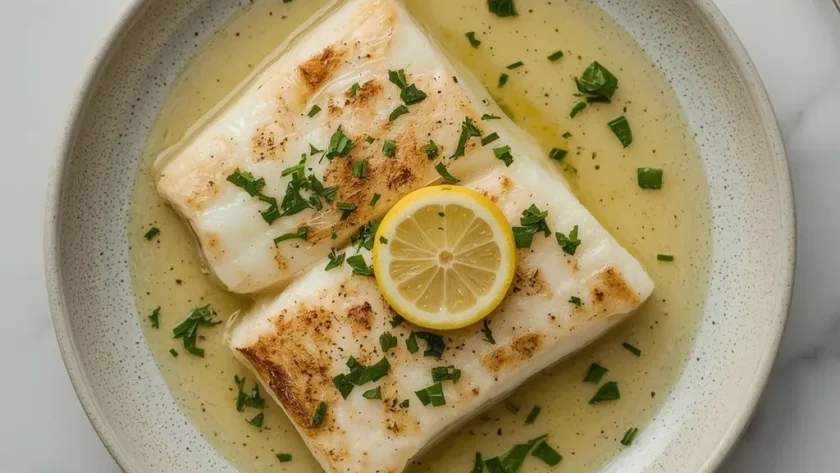
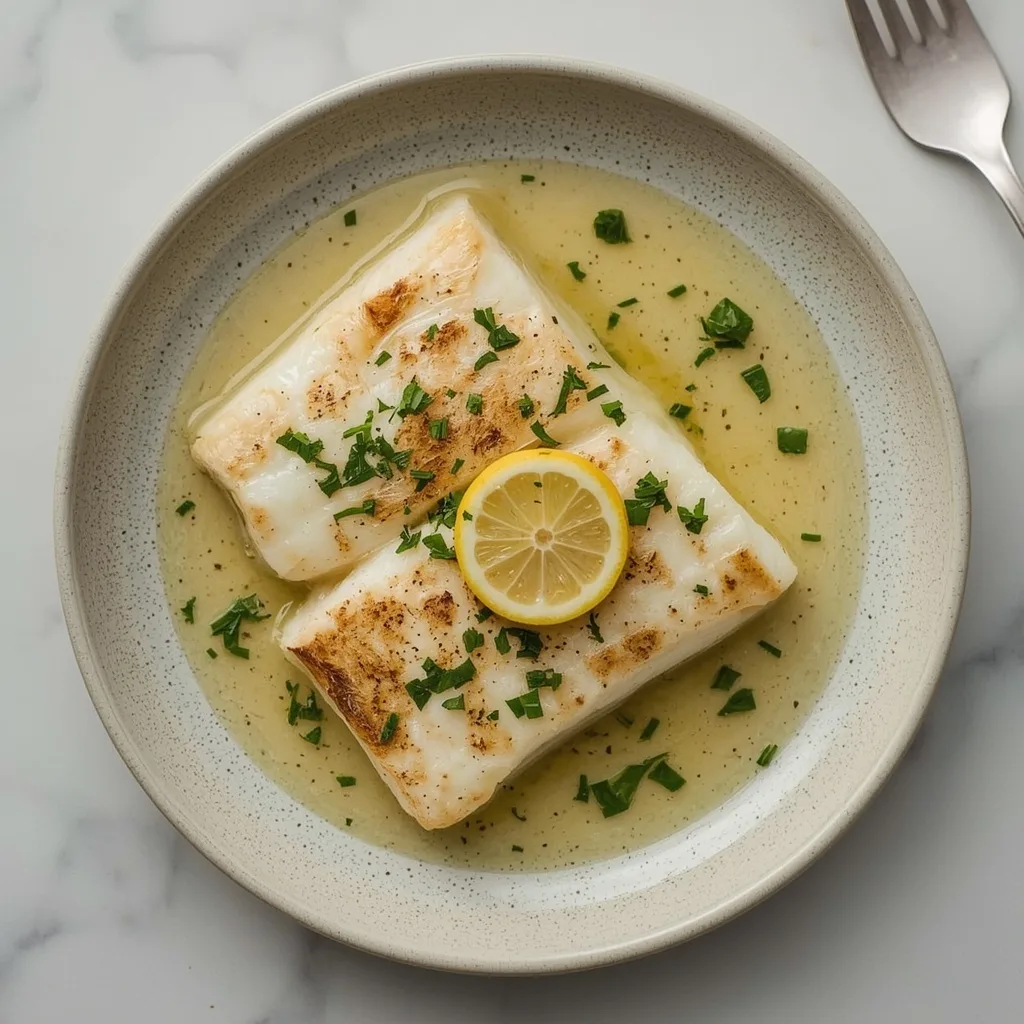
 This broiled chilean sea bass delivers tender, flaky fish with a golden-brown crust and a rich lemon garlic butter finish. The high heat of the broiler locks in moisture while creating a lightly caramelized surface.
Total time is just 20 minutes, and the difficulty is beginner-friendly. The only nuance is watching the broiler closely to avoid overcooking, but the recipe gives clear doneness cues.
Why You’ll Love This Recipe
- Quick from start to table — Prep takes 10 minutes, cook time is another 10, so dinner comes together faster than takeout.
- Buttery richness without greasiness — The natural oils in the sea bass pair with a light garlic butter, not a heavy sauce.
- Foolproof doneness cues — You check for flaking and internal temp, so even first‑timers get perfectly cooked fish.
What Makes This Recipe Special
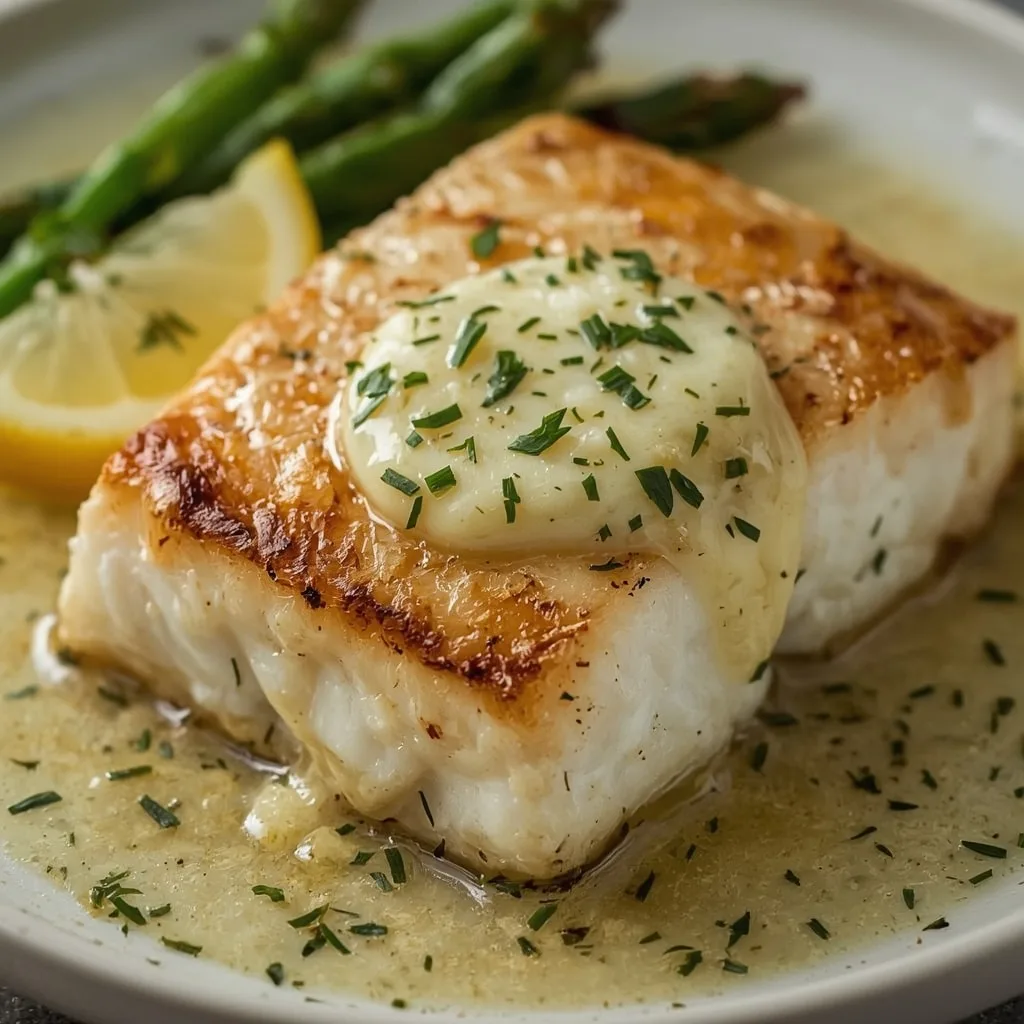
The simple lemon garlic butter is the star here — just butter, garlic, lemon juice, and parsley. It brightens the fish’s natural sweetness without masking it. The broiler gives the fillets a delicate crust while the interior stays moist and tender. Serve it any night you want something elegant but effortless.
Ingredients You’ll Need
For the Fish
- 4 Chilean sea bass fillets, 6 ounces each, skinless, patted dry — The high fat content keeps them moist under the broiler. Patting dry ensures even browning.
- 2 tablespoons extra virgin olive oil — Helps the seasoning stick and encourages browning. Avocado oil works too.
- ¾ teaspoon kosher salt — Season generously; the fish can handle it.
- ½ teaspoon freshly ground black pepper — Freshly ground gives more punch than pre‑ground.
For the Garlic Butter Topping
- 2 cloves garlic, minced — Use a microplane or fine mince so it melts into the butter.
- 1 tablespoon fresh lemon juice — Bottled juice tastes flat here; fresh is non‑negotiable.
- 1 tablespoon unsalted butter, cut into 4 small pieces — The pieces go on the hot fillets so they melt instantly.
- 1 tablespoon fresh parsley, finely chopped — For color and freshness. Dried won’t work.
Equipment Needed
- Rimmed baking sheet — A rim catches any drips. Line with foil or parchment for easy cleanup.
- Pastry brush — Coats the fish evenly with oil. A silicone brush works best.
- Instant‑read thermometer — The most reliable way to check doneness without cutting into the fish.
- Small saucepan — For melting the butter and cooking the garlic gently.
- Thin metal spatula — Slides under the delicate fillets without breaking them apart.
Instructions to Prepare broiled chilean sea bass
Set your broiler to high, position the rack six inches from the heat, and let it preheat a full five minutes before you put the fish in. Follow these steps exactly for the best result.
- Preheat and prepare the pan — Position an oven rack 6 inches from the broiler element and preheat the broiler on high for at least 5 minutes. Line a rimmed baking sheet with aluminum foil or parchment paper for easy cleanup.
- Oil the fillets — Place the sea bass fillets on the prepared baking sheet, spacing them at least 1 inch apart. Brush each fillet evenly with the olive oil using a pastry brush, coating all sides to prevent sticking and promote browning.
- Season and shape — Season the tops of the fillets with the kosher salt and black pepper. Gently press the seasoning into the flesh so it adheres. If any fillets are uneven in thickness, fold thinner tail ends under to ensure even cooking.
- Broil the fish — Broil the fish for 6 to 8 minutes, without turning, until the edges are golden brown and the flesh flakes easily when tested with a fork. The internal temperature should reach 140°F (60°C) for a moist, medium doneness—or 145°F (63°C) if you prefer well‑done. Rotate the pan halfway through if your broiler heats unevenly.
- Make the garlic butter — While the fish broils, melt the butter in a small saucepan over low heat. Add the minced garlic and cook, stirring constantly, until fragrant but not browned, about 30 seconds. Remove from heat and stir in the lemon juice. Keep warm.
- Finish the fish — Once the fish is done, remove the baking sheet from the oven. Immediately place one small piece of the butter mixture on each fillet; the residual heat will melt it. Sprinkle the chopped parsley evenly over the top.
- Serve — Transfer the fillets to serving plates using a thin metal spatula. Drizzle any butter remaining on the baking sheet over the fish. Serve immediately with lemon wedges on the side for squeezing fresh acidity.
- Optional extra crust — For a crispier crust, after broiling, switch the oven to bake at 425°F (218°C) and cook an additional 1–2 minutes, watching closely to avoid overcooking.
Expert Tips for a Standout broiled chilean sea bass
- Pat the fillets very dry before oiling — Surface moisture turns to steam under the broiler, which prevents browning. Dry fish = golden crust.
- Use an instant‑read thermometer — The difference between 140°F and 145°F is subtle but affects texture. 140°F gives a silky, medium‑rare center; 145°F yields firmer flakes.
- Let the broiler preheat fully — A five‑minute preheat ensures the element is glowing red‑hot. Popping the fish in early means it steams instead of sears.
- Fold thin tail ends under — Uneven thickness leads to overcooked tails and undercooked centers. Folding or tucking thicker parts solves this.
- Rotate the pan halfway if your broiler has hot spots — Most home ovens heat unevenly. A quick 180‑degree turn after 4 minutes ensures both sides brown evenly.
- Don’t skip the butter piece on top — The residual heat melts the butter into the fish. Adding it under the broiler would burn the garlic.
- Serve immediately — Fish keeps cooking from residual heat. Plate it within two minutes of coming out of the oven.
Common Mistakes to Avoid
- Skipping the paper‑toweling step — Wet fillets steam instead of brown. Always pat them thoroughly dry before oiling.
- Overcrowding the pan — Fillets need at least an inch of space so heat circulates. Crowding lowers the temperature and steams the fish.
- Using the wrong rack position — Six inches from the broiler is the sweet spot. Too close burns the exterior before the interior cooks; too far leaves pale, steamed fish.
- Walking away during broiling — The switch from perfect to overcooked happens in under a minute. Stay nearby and check early.
- Adding garlic butter too early — If you put the butter on before broiling, the garlic burns and the butter smokes. Wait until the fish is out of the oven.
Variations & Ways to Customize broiled chilean sea bass
- Herb crust variation — Mix 2 tablespoons panko with 1 tablespoon chopped dill and a pinch of lemon zest. Press onto the oiled fillets before broiling for a light, crunchy top.
- Spicy brown butter — Replace the unsalted butter with 1 tablespoon browned butter and add ½ teaspoon smoked paprika and a pinch of cayenne to the garlic.
- Citrus medley — Swap the lemon juice for a mix of lime and orange juice. Add a teaspoon of orange zest to the garlic butter for brightness.
- Asian‑inspired glaze — Skip the garlic butter. Instead, brush the fillets with a mixture of 1 tablespoon soy sauce, 1 teaspoon sesame oil, and 1 teaspoon honey during the last 2 minutes of broiling.
- Cajun‑style — Season the fillets with 1 teaspoon Cajun seasoning instead of salt and pepper. Finish with a squeeze of lemon and no butter.
- Pesto finish — After broiling, dollop 1 teaspoon basil pesto on each fillet instead of the butter. The residual heat warms the pesto perfectly.
What to Serve With broiled chilean sea bass
This fish is rich enough to stand alone, but the right sides make the meal complete. Pick one or two from the list below.
- Light lemony asparagus — Blanched or roasted asparagus with a squeeze of lemon mirrors the citrus in the butter.
- Herbed rice pilaf — Fluffy rice with parsley and a touch of lemon zest soaks up the garlic butter nicely.
- Simple arugula salad — Peppery arugula with shaved Parmesan and a lemon vinaigrette cuts through the richness.
- Roasted baby potatoes — Crispy on the outside, fluffy inside. The neutral potato lets the fish shine.
- Sautéed spinach with garlic — Quick, healthy, and the same flavor profile as the fish.
- Chilled Sauvignon Blanc — A crisp, unoaked white wine highlights the lemon and butter without overpowering the fish.
Make-Ahead Instructions
- Season the fillets up to 2 hours in advance — Pat them dry, brush with oil, and season. Cover and refrigerate. Take out 15 minutes before broiling to take the chill off.
- Mix the garlic butter base — Melt the butter, cook the garlic, and stir in the lemon juice. Cool, then refrigerate in a small container. Reheat gently before serving.
- Line the baking sheet and measure everything — Foil, parchment, and all ingredients pre‑measured make the final 10 minutes stress‑free.
- Chop the parsley and cut lemon wedges — Store parsley in a damp paper towel inside a zip‑top bag. Lemon wedges can sit covered at room temperature.
Storage and Reheating
Storage
- Refrigerator: airtight container — Store leftover fillets in a single layer in a sealed container. They keep up to 2 days. Place a paper towel underneath to absorb excess moisture.
- Freezer: freezer‑safe bag — Wrap cooled fillets individually in plastic wrap, then place in a heavy‑duty freezer bag. Squeeze out air. Freeze for up to 1 month. Thaw overnight in the fridge before reheating.
- Never store at room temperature — Cooked fish should go into the fridge within 2 hours of cooking to prevent bacteria growth.
Reheating
- Oven (best method) — Place fillets on a baking sheet in a 300°F (150°C) oven for 5–7 minutes. Cover loosely with foil to prevent drying.
- Microwave (quick but risky) — Microwave on low power (30%–40%) in 30‑second intervals until just warm. Stop as soon as it’s hot; the fish will continue to cook.
- Air fryer — Reheat at 300°F (150°C) for 3–4 minutes. Check at 3 minutes to avoid overcooking.
- Do not reheat more than once — Each reheating cycle dries out the delicate flesh. Only warm the portion you plan to eat.
Nutritional Breakdown (Per Serving)
Based on 1 serving = one 6‑ounce fillet with garlic butter.
- Calories: 403
- Protein: 31g
- Fat: 30g
- About 1g carbohydrates
- Fiber: 0g
- Sugar: 0g
- Sodium: 520mg
- Roughly 75mg cholesterol (estimate based on similar fish)
Frequently Asked Questions
Can I freeze broiled chilean sea bass?
Yes. Wrap cooled fillets tightly and freeze for up to 1 month. Thaw overnight in the refrigerator, then reheat gently in a low oven.
How long does broiled chilean sea bass last in the fridge?
Cooked fish stays good for 2 days when stored in an airtight container. Beyond that, the texture degrades and the flavor turns fishy.
Do I need to flip the fish during broiling?
No. Broiling only heats from above, so flipping would cook the bottom unevenly. The top browns while the interior cooks through perfectly.
Can I use frozen sea bass fillets?
Yes, but thaw them completely in the refrigerator overnight. Pat them very dry before oiling and seasoning. Frozen fish releases more moisture, which can hinder browning.
What if my broiler has no high/low setting?
Set it to the highest temperature available. If your oven has a “broil” button only, that’s fine. Just watch the fish closely because some ovens run hotter than others.
Why did my fish come out tough?
Likely overcooked. The target internal temperature is 140°F – 145°F. Use a thermometer and pull the fish when it hits 140°F; it will coast to 145°F while resting.
Final Words
This broiled chilean sea bass is proof that a short ingredient list can deliver restaurant‑quality results at home. The bright lemon garlic butter, and golden crust make every bite memorable. Try it once, and you will see why it deserves a regular spot in your dinner rotation.
More Recipes
PrintBroiled Chilean Sea Bass with Lemon Garlic Butter
This broiled Chilean sea bass is incredibly tender and flaky, with a golden-brown crust and a rich, buttery finish. The simple lemon garlic butter enhances the fish’s natural sweetness, making it an elegant yet effortless main course.
- Prep Time: 10
- Cook Time: 10
- Total Time: 20
- Yield: 4 1x
- Category: Main Course
- Method: Broil
- Cuisine: American
Ingredients
- 4 Chilean sea bass fillets, 6 ounces each, skinless, patted dry
- 2 tablespoons extra virgin olive oil
- 3/4 teaspoon kosher salt
- 1/2 teaspoon freshly ground black pepper
- 2 cloves garlic, minced
- 1 tablespoon fresh lemon juice, plus lemon wedges for serving
- 1 tablespoon unsalted butter, cut into 4 small pieces
- 1 tablespoon fresh parsley, finely chopped
Instructions
- Position an oven rack 6 inches from the broiler element and preheat the broiler on high for at least 5 minutes. Line a rimmed baking sheet with aluminum foil or parchment paper for easy cleanup.
- Place the sea bass fillets on the prepared baking sheet, spacing them at least 1 inch apart. Brush each fillet evenly with the olive oil using a pastry brush, coating all sides to prevent sticking and promote browning.
- Season the tops of the fillets with the kosher salt and black pepper. Gently press the seasoning into the flesh so it adheres. If any fillets are uneven in thickness, fold thinner tail ends under to ensure even cooking.
- Broil the fish for 6 to 8 minutes, without turning, until the edges are golden brown and the flesh flakes easily when tested with a fork. The internal temperature should reach 140°F (60°C) for a moist, medium doneness—or 145°F (63°C) if you prefer well-done. Rotate the pan halfway through if your broiler heats unevenly.
- While the fish broils, melt the butter in a small saucepan over low heat. Add the minced garlic and cook, stirring constantly, until fragrant but not browned, about 30 seconds. Remove from heat and stir in the lemon juice. Keep warm.
- Once the fish is done, remove the baking sheet from the oven. Immediately place one small piece of the butter mixture on each fillet; the residual heat will melt it. Sprinkle the chopped parsley evenly over the top.
- Transfer the fillets to serving plates using a thin metal spatula. Drizzle any butter remaining on the baking sheet over the fish. Serve immediately with lemon wedges on the side for squeezing fresh acidity.
- For a crispier crust, after broiling, switch the oven to bake at 425°F (218°C) and cook an additional 1–2 minutes, watching closely to avoid overcooking.
Notes
Store leftover fish in an airtight container in the refrigerator for up to 2 days. To reheat, place fillets on a baking sheet in a 300°F (150°C) oven for 5–7 minutes, or microwave on low power in 30-second intervals until just warm. Do not overheat or the delicate fish will dry out. Cooked fish can be frozen for up to 1 month in a freezer-safe bag; thaw in the refrigerator overnight before reheating as above. For best results, season and broil fresh or fully thawed fish.
Nutrition
- Calories: 403
- Sugar: 0g
- Sodium: 520mg
- Unsaturated Fat: 7g
- Carbohydrates: 1g
- Fiber: 0g
- Protein: 31g
- Cholesterol: 125mg
Keywords: broiled chilean sea bass, chilean sea bass recipe, easy broiled fish, seafood dinner, quick fish recipe, healthy main course, lemon garlic fish, flaky white fish, oven broiled fish, simple fish dish