 Kendric adan
 This Chinese chicken salad dressing hits that perfect balance between savory, tangy, and nutty. It is an emulsified vinaigrette that clings to every piece of salad without feeling heavy or greasy.
You can make it in about 10 minutes with no cooking required, making it ideal for busy weeknights or last-minute gatherings. The only tricky part is adding the oil slowly enough to form a stable emulsion — but I will show you exactly how that works.
Why You’ll Love This Recipe
- Ready in 10 minutes — No cooking, no waiting. Just whisk and pour.
- Perfectly balanced flavors — The soy sauce, rice vinegar, and sesame oil work together without any one dominating.
- Stays good for a week — Make a batch on Sunday and use it for lunches all week.
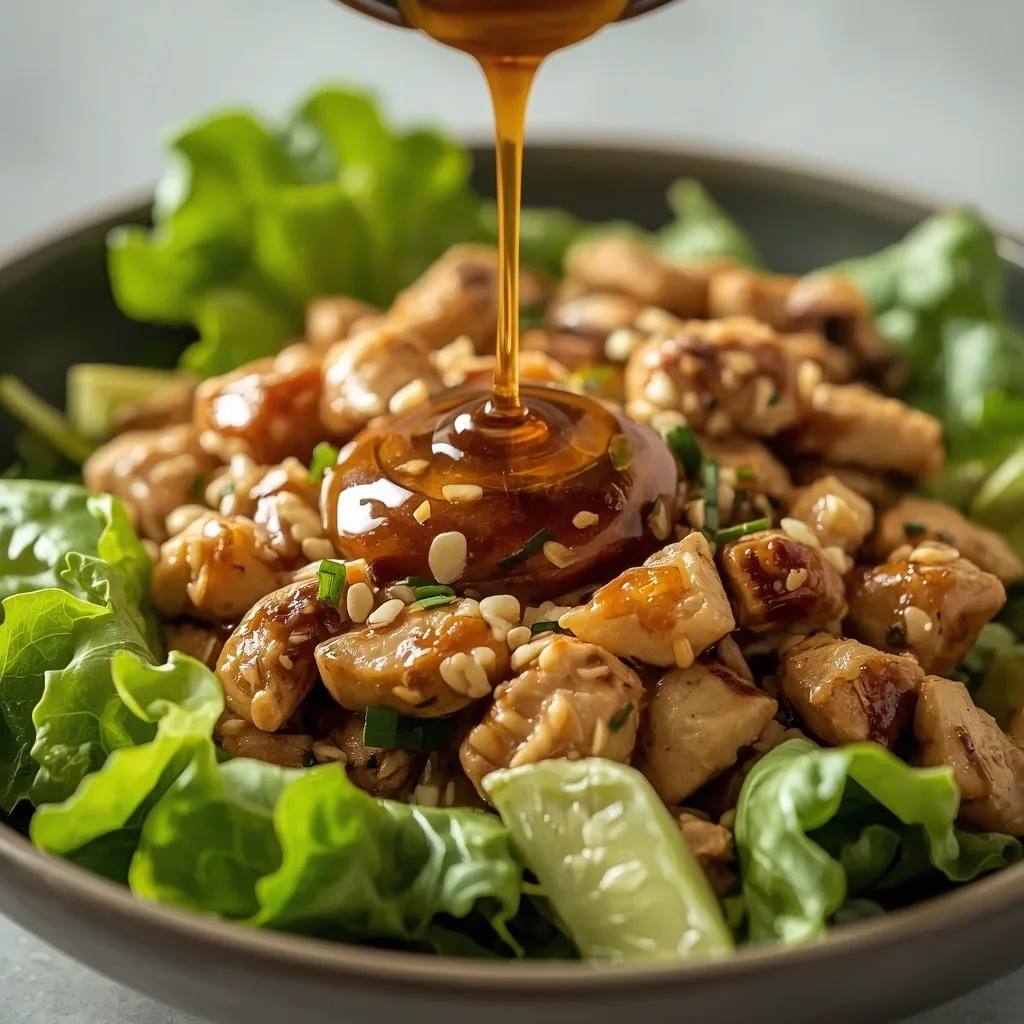
What Makes This Recipe Special
Fresh ginger and garlic give this dressing an aromatic punch that bottled versions cannot touch. The toasted sesame oil adds a warm, nutty depth while the honey and sugar round out the sharp edges of the vinegar. It coats every leaf evenly because of the stable emulsion created by the slow oil addition.
Ingredients You’ll Need
Here is exactly what goes into this dressing. Use the exact amounts listed for the best results.
The Aromatics & Base
- 1/4 cup rice vinegar (unseasoned) — Provides the tangy backbone. Unseasoned means no added sugar or salt, so you control the balance.
- 3 tablespoons soy sauce (low-sodium preferred) — Adds savory umami without making it too salty. Low-sodium lets you adjust salt later if needed.
- 2 tablespoons toasted sesame oil — The signature flavor. Toasted sesame oil is darker and more aromatic than regular sesame oil — do not substitute with plain.
- 1 tablespoon granulated sugar — Dissolves quickly and adds clean sweetness.
- 1 tablespoon honey — Brings floral sweetness and helps the emulsion hold together.
- 1 tablespoon fresh ginger, peeled and finely grated — Freshly grated releases more flavor than pre-minced. A microplane works best here.
- 1 clove garlic, minced (about 1 teaspoon) — Use fresh garlic for the best pungent kick. Avoid jarred minced garlic for this recipe.
The Oil & Garnish
- 1/2 cup grapeseed oil or other neutral oil — Grapeseed has a clean flavor that lets the sesame oil shine. Avocado or light olive oil also works.
- 1 tablespoon toasted sesame seeds (optional, for garnish) — Adds a subtle crunch and visual appeal. Toast them yourself in a dry pan for 2 minutes.
Equipment Needed
- Medium mixing bowl — Wide enough to whisk without splashing. A glass or stainless steel bowl works best.
- Whisk — A balloon whisk incorporates air and helps create a stable emulsion more effectively than a fork.
- Fine grater or microplane — Needed to get the ginger into fine strands rather than chunks. A standard box grater’s fine side also works.
- Lidded jar or airtight container — For storing the dressing. A mason jar with a tight lid is perfect for shaking before use.
- Measuring spoons and liquid measuring cup — Accuracy matters here since the balance is tight. Use proper measuring spoons, not dinner spoons.
Instructions to Prepare Chinese Chicken Salad Dressing
Follow these steps in order for the best texture and flavor. The order matters — especially when adding the oil.
- Mix the base — In a medium bowl, combine 1/4 cup rice vinegar, 3 tablespoons soy sauce, 2 tablespoons toasted sesame oil, 1 tablespoon sugar, and 1 tablespoon honey. Whisk until the sugar and honey are fully dissolved, about 30 seconds. The base should be translucent and slightly syrupy.
- Add the aromatics — Add the grated ginger and minced garlic to the bowl. Whisk again to distribute evenly — the ginger should be in fine strands, not clumps. The aroma will immediately become pungent and fragrant.
- Emulsify with oil — While whisking constantly, slowly drizzle in 1/2 cup grapeseed oil in a thin, steady stream. This slow addition is critical: if you pour too quickly, the dressing will separate instead of forming a stable emulsion. You should see the mixture thicken and turn opaque as the oil incorporates.
- Adjust the flavor — Taste a small spoonful: it should be tangy, savory, and slightly sweet with a pronounced sesame finish. If the dressing tastes too sharp, whisk in 1 extra teaspoon of honey. If too sweet, add 1 teaspoon more rice vinegar. Adjust saltiness with a pinch of fine sea salt if needed — but the soy sauce typically provides enough salt.
- Store properly — Transfer the dressing to a lidded jar or airtight container. It will keep refrigerated for up to 1 week. Before each use, shake vigorously to re-emulsify, as separation is natural.
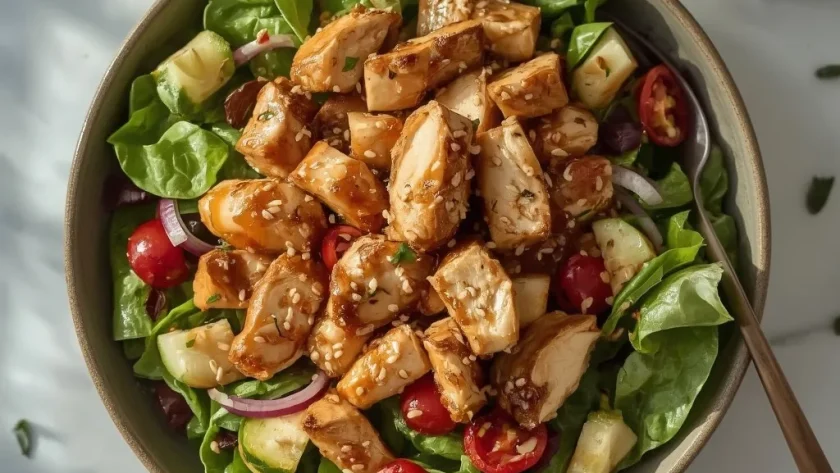
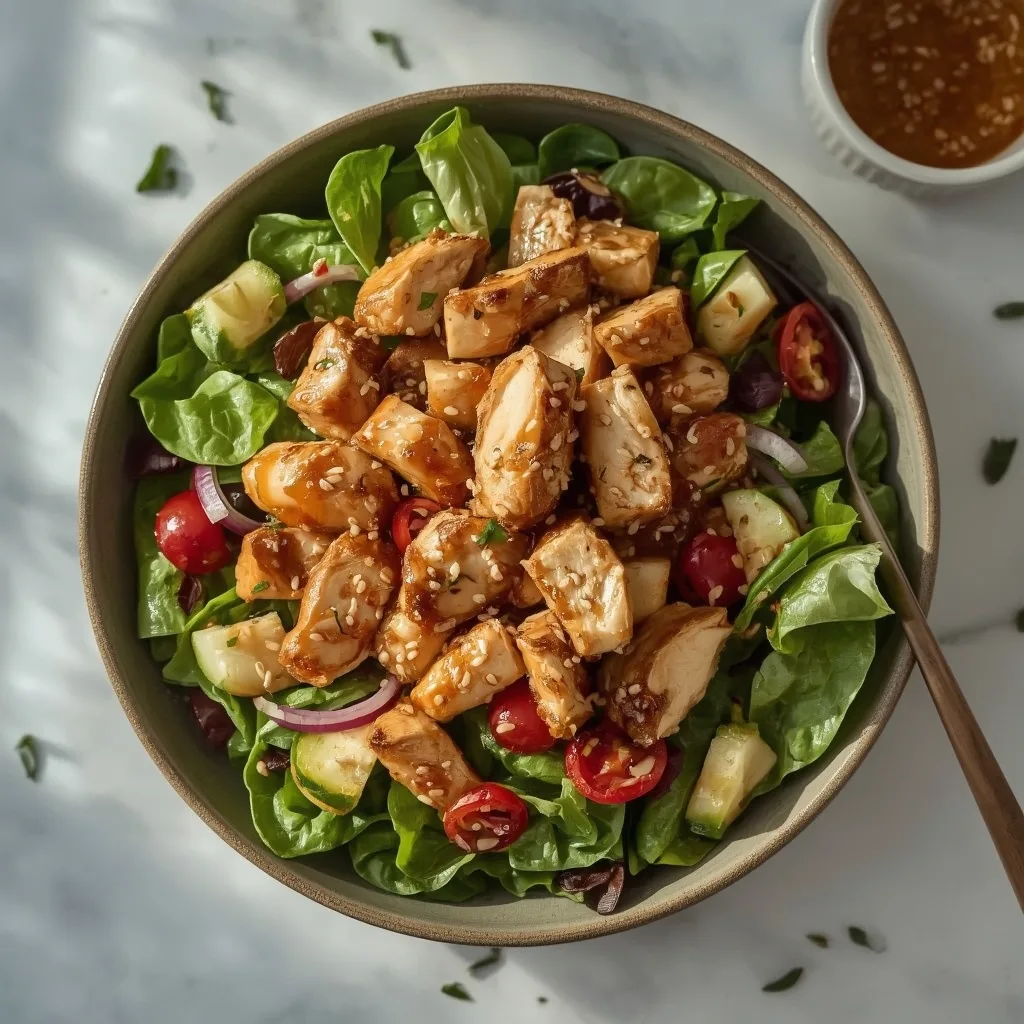
- Serve the salad — To serve, drizzle 2 to 3 tablespoons over a classic Chinese chicken salad (shredded romaine, shredded poached chicken, crispy wonton strips, mandarin oranges, and sliced almonds). Toss gently to coat and sprinkle with optional toasted sesame seeds.
More Recipe
Expert Tips for a Standout Chinese Chicken Salad Dressing
- Grate ginger finely — Large pieces of ginger will overwhelm each bite. Use a microplane and aim for a paste-like consistency rather than shreds.
- Use room temperature ingredients — Cold oil straight from the fridge makes emulsification harder. Let everything sit out for 10 minutes before starting.
- Slow pour is non-negotiable — A steady stream, not a drizzle, not a pour. If you dump the oil in all at once, the dressing will separate and stay separated.
- Taste before adjusting — The flavor changes as the oil incorporates. Always taste after emulsification, not before, to decide if it needs balancing.
- Shake before each use — Natural separation happens in the fridge. A vigorous shake for 10 seconds brings it back together perfectly.
- Let it warm up if cold — The dressing will solidify slightly when cold. Let it sit at room temperature for 10 minutes and shake vigorously before serving.
- Thin it if needed — For a thinner consistency, whisk in 1 tablespoon of water before serving. This works better than adding more vinegar or oil.
Common Mistakes to Avoid
- Using seasoned rice vinegar — Seasoned vinegar already has sugar and salt added, which throws off the balance. Stick with unseasoned for full control.
- Adding oil too fast — The dressing will split into a greasy mess. If this happens, start over with a fresh tablespoon of vinegar in a new bowl and slowly whisk the broken mixture into it.
- Skipping the fresh ginger — Dried ginger powder does not provide the same bright, spicy note. Fresh ginger is non-negotiable here.
- Over-whisking after emulsification — Once the oil is fully incorporated, stop. Whisking too much can break the emulsion and make the dressing thin.
- Storing without a tight lid — The aromatics will absorb fridge smells and the oil can oxidize. Always use an airtight container.
Variations & Ways to Customize Chinese Chicken Salad Dressing
- Spicy version — Add 1/2 teaspoon of chili garlic sauce or a squirt of sriracha along with the ginger. It adds heat without changing the texture.
- Citrus twist — Replace 1 tablespoon of rice vinegar with fresh lime or orange juice. The citrus brightens the dressing nicely for summer salads.
- Peanut version — Whisk in 2 tablespoons of smooth peanut butter after the oil is incorporated. This creates a thicker, creamier dressing with a nutty profile.
- Herb-infused version — Add 1 tablespoon of finely chopped fresh cilantro or Thai basil to the finished dressing. Stir gently to avoid breaking the emulsion.
- Lower-sodium option — Use tamari or coconut aminos instead of soy sauce. Both have less sodium while still providing that umami backbone.
- Vegan version — Replace honey with maple syrup or agave nectar. The flavor shifts slightly but the sweetness and texture remain similar.
What to Serve With Chinese Chicken Salad Dressing
This dressing pairs best with the classic Chinese chicken salad, but its versatility goes beyond that. Try these pairings for a full meal.
- Classic Chinese chicken salad — Shredded romaine, poached chicken, crispy wonton strips, mandarin oranges, and sliced almonds create the perfect vehicle for this dressing.
- Grilled shrimp skewers — The smoky char from the grill contrasts beautifully with the bright, tangy dressing used as a marinade or dipping sauce.
- Cold soba noodle salad — Toss cooked buckwheat noodles with the dressing, shredded carrots, and edamame for a cold side dish.
- Spring rolls — Use the dressing as a dipping sauce instead of the traditional hoisin or peanut sauce for a lighter option.
- Steamed edamame — Drizzle a little over warm edamame pods with a pinch of flaky salt for an easy appetizer.
- Iced green tea — The clean, slightly grassy flavor of green tea cuts through the richness of the dressing between bites.
Make-Ahead Instructions
- Prep the aromatics — Grate the ginger and mince the garlic up to 2 days ahead. Store them together in a small airtight container in the fridge.
- Mix the dry base — Combine the sugar and sesame seeds (if using) in a small bag or jar. Add the liquids when ready to make the dressing.
- Make the full dressing — Prepare the dressing up to 1 week in advance. Store it in the fridge in an airtight container and shake before each use.
- Toast the sesame seeds — Toast a batch of sesame seeds in advance. They stay fresh for about 2 weeks in an airtight container at room temperature.
Storage and Reheating
Storage
- Airtight jar or container — Transfer the dressing to a jar with a tight-fitting lid. Glass is ideal since plastic can absorb smells over time.
- Refrigerate immediately — Store in the refrigerator for up to 1 week. Do not leave it at room temperature for more than 2 hours.
- Do not freeze — Freezing will break the emulsion permanently. Thawed dressing will be watery and separated with no way to fix it.
Reheating
- Room temperature rest — Let the dressing sit at room temperature for 10 minutes before serving. This softens the solidified oil without melting it.
- Shake vigorously — After resting, shake the jar for 10 seconds to re-emulsify. The dressing should look creamy and opaque again.
- Warm water bath — If the dressing is still too thick, place the sealed jar in a bowl of warm water for 5 minutes, then shake again.
Nutritional Breakdown (Per Serving)
Based on 1 serving = 1/4 of the total dressing recipe.
- Calories: 196
- Protein: about 1g
- Fat: about 20g
- Carbohydrates: 5g
- Fiber: 0g
- Sugar: about 5g
- Sodium: around 580mg
Frequently Asked Questions
Can I freeze Chinese chicken salad dressing?
No, freezing will break the emulsion permanently. The dressing will separate into a watery, greasy mess when thawed. Stick to refrigerating it for up to a week.
How long does Chinese chicken salad dressing last in the fridge?
Up to 1 week when stored in an airtight container. The ginger and garlic flavor will intensify over time, so it may taste slightly stronger on day 7 than day 1.
What can I use if I do not have grapeseed oil?
Any neutral oil with a high smoke point works well. Avocado oil, light olive oil, or canola oil are all good substitutes. Avoid extra-virgin olive oil — its flavor will clash with the sesame.
Why did my dressing separate?
Most likely you added the oil too quickly. The emulsion breaks when the oil overwhelms the vinegar base. To fix it, start with a fresh tablespoon of vinegar in a clean bowl and slowly whisk the broken dressing into it.
Can I reduce the sugar in this dressing?
Yes, but the balance will shift. The sugar and honey soften the sharpness of the vinegar and soy sauce. Reduce to 1 tablespoon total sweetener (half sugar, half honey or all honey). It will taste more tart.
Is this dressing gluten-free?
Only if you use tamari or a certified gluten-free soy sauce. Standard soy sauce contains wheat, so check the label carefully if you need it to be gluten-free.
Final Words
This Chinese chicken salad dressing delivers restaurant-quality flavor with minimal effort. The combination of fresh ginger, garlic, and toasted sesame oil makes every salad feel special.
Give it a try with your next batch of Chinese chicken salad — I think you will find yourself reaching for this recipe again and again.
PrintChinese Chicken Salad Dressing
A perfectly balanced dressing that combines savory soy sauce, tangy rice vinegar, and nutty sesame oil with a hint of sweetness. This emulsified vinaigrette clings beautifully to every piece of salad, delivering a bright, umami-rich finish.
- Prep Time: 10
- Total Time: 10
- Yield: 4 1x
- Category: Salad Dressing
- Method: No-Cook
- Cuisine: Chinese-American
Ingredients
- 1/4 cup rice vinegar (unseasoned)
- 3 tablespoons soy sauce (low-sodium preferred)
- 2 tablespoons toasted sesame oil
- 1 tablespoon granulated sugar
- 1 tablespoon honey
- 1 tablespoon fresh ginger, peeled and finely grated
- 1 clove garlic, minced (about 1 teaspoon)
- 1/2 cup grapeseed oil or other neutral oil
- 1 tablespoon toasted sesame seeds (optional, for garnish)
Instructions
- In a medium bowl, combine 1/4 cup rice vinegar, 3 tablespoons soy sauce, 2 tablespoons toasted sesame oil, 1 tablespoon sugar, and 1 tablespoon honey. Whisk until the sugar and honey are fully dissolved, about 30 seconds. The base should be translucent and slightly syrupy.
- Add the grated ginger and minced garlic to the bowl. Whisk again to distribute evenly — the ginger should be in fine strands, not clumps. The aroma will immediately become pungent and fragrant.
- While whisking constantly, slowly drizzle in 1/2 cup grapeseed oil in a thin, steady stream. This slow addition is critical: if you pour too quickly, the dressing will separate instead of forming a stable emulsion. You should see the mixture thicken and turn opaque as the oil incorporates.
- Once all oil is added, continue whisking for another 10 seconds to ensure a creamy, unified texture. Taste a small spoonful: it should be tangy, savory, and slightly sweet with a pronounced sesame finish.
- If the dressing tastes too sharp, whisk in 1 extra teaspoon of honey. If too sweet, add 1 teaspoon more rice vinegar. Adjust saltiness with a pinch of fine sea salt if needed — but the soy sauce typically provides enough salt.
- Transfer the dressing to a lidded jar or airtight container. It will keep refrigerated for up to 1 week. Before each use, shake vigorously to re-emulsify, as separation is natural.
- To serve, drizzle 2 to 3 tablespoons over a classic Chinese chicken salad (shredded romaine, shredded poached chicken, crispy wonton strips, mandarin oranges, and sliced almonds). Toss gently to coat and sprinkle with optional toasted sesame seeds.
Notes
Store dressing in an airtight container in the refrigerator for up to 1 week. The dressing will solidify slightly when cold; let it sit at room temperature for 10 minutes and shake vigorously before serving. Do not freeze. For a thinner consistency, whisk in 1 tablespoon of water before serving.
Nutrition
- Calories: 196
- Sugar: 5g
- Sodium: 580mg
- Unsaturated Fat: 2.4g
- Carbohydrates: 5g
- Fiber: 0g
- Protein: 1g
- Cholesterol: 0mg
Keywords: Chinese chicken salad dressing, sesame dressing recipe, Asian vinaigrette, soy ginger dressing, Chinese salad dressing, savory vinaigrette, no-cook dressing, make-ahead dressing, salad dressing for meal prep