 Kendric adan
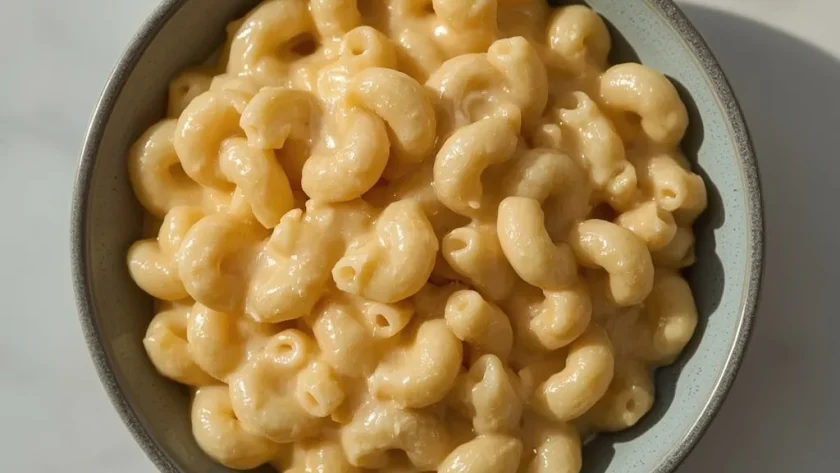
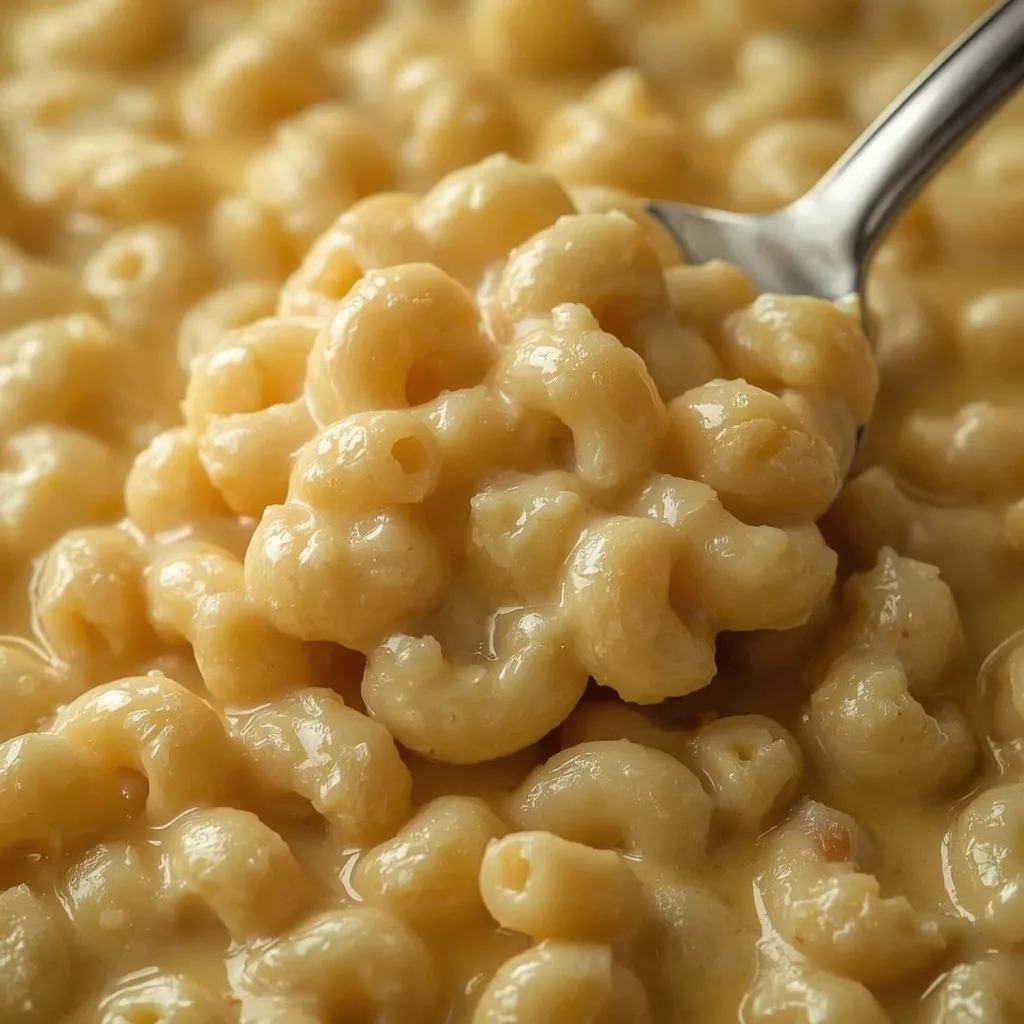
 This Luby’s Cafeteria Macaroni And Cheese recipe nails that creamy, custard-style mac and cheese you remember from the cafeteria line. It bakes up golden on top with a tender, almost soufflé-like interior that is rich without being heavy.
Total time is about 50 minutes from start to finish, and the difficulty sits at a solid intermediate level. The one step that needs your full attention is tempering the egg, but the recipe walks you through it clearly.
Why You’ll Love This Recipe
- Custard texture — The egg-thickened sauce creates a creamy, sliceable interior that standard stovetop mac and cheese cannot match.
- Real cheese flavor — Sharp cheddar brings a bold, tangy taste that stands up to the rich sauce without being overpowering.
- Golden crust — Baking uncovered gives you that signature browned top with tender pasta hiding underneath.
What Makes This Recipe Special
This recipe relies on an egg-enriched cheese sauce that sets as it bakes, giving the dish a custard-like consistency instead of a loose, saucy one. The elbow macaroni soaks up just enough of that thick sauce to stay tender without turning mushy. You get a soft, creamy bite with every spoonful, topped by a lightly browned crust that adds texture.
Ingredients You’ll Need
Every ingredient in this recipe plays a specific role. Here is what you need and why it matters.
Pasta and Dairy Base
- 8 oz (about 2 cups dry) elbow macaroni — Classic elbow shape holds the sauce well. Cook it just to al dente since it will keep cooking in the oven.
- 1 1/2 cups whole milk — Whole milk gives the sauce a rich body. Lower-fat milks will make the custard thinner and less creamy.
- 8 oz sharp cheddar cheese, shredded (about 2 cups) — Sharp cheddar provides that tangy, upfront cheese flavor. Pre-shredded cheese has anti-caking agents that can make the sauce grainy, so shred your own.
- 1 large egg, lightly beaten — This is what creates the custard texture. The egg thickens the sauce as it bakes, giving the dish its signature structure.
Thickener and Seasonings
- 2 tbsp unsalted butter, plus more for greasing the dish — Butter forms the base of the roux that thickens the sauce. Unsalted keeps salt levels in your control.
- 2 tbsp all-purpose flour — Whisked into the butter to make a roux. Cook it briefly to remove the raw flour taste before adding milk.
- 1/2 tsp kosher salt — Brightens every flavor in the dish. Adjust up or down based on your cheese’s saltiness.
- 1/4 tsp ground black pepper — Adds a mild warmth. Freshly ground pepper gives the best flavor.
- 1/4 tsp paprika (optional, for color) — Not a must-have, but it adds a warm golden tint to the finished dish.
Equipment Needed
- 8-inch square baking dish (1.5-quart capacity) — The right size prevents the mac and cheese from baking too thin or too thick. Butter it well before adding the mixture.
- Large pot — For boiling the macaroni. Use enough water to keep the pasta moving freely while it cooks.
- Medium saucepan — For making the roux and cheese sauce. A heavy-bottomed pan helps the sauce cook evenly without scorching.
- Whisk — Essential for a lump-free roux and smooth sauce. A silicone whisk works well because it reaches the edges of the pan.
- Rubber spatula — For folding the macaroni into the sauce gently. Metal spoons can break the pasta.
Instructions to Prepare Lubys Cafeteria Macaroni And Cheese
Take your time with the tempering step, and the rest comes together smoothly. Here is the full process broken down clearly.
- Preheat and prep — Set your oven to 350°F (177°C). Grease the baking dish with butter so nothing sticks.
- Cook the macaroni — Bring a large pot of salted water to a rolling boil over high heat. Add the elbow macaroni and cook until just al dente, about 7 minutes, stirring occasionally. The pasta should be firm to the bite since it will continue cooking in the oven. Drain well in a colander.
- Make the roux — In a medium saucepan over medium heat, melt the 2 tbsp butter until it is foamy but not browning, about 1 minute. Watch for the foam to subside slightly — that tells you the butter is hot enough. Whisk in the flour until smooth and cook for 1 to 2 minutes. The mixture will become pale and faintly bubbly; do not let it brown.
- Make the cheese sauce — Slowly pour in the whole milk while whisking vigorously to prevent lumps. Continue whisking over medium heat until the mixture thickens and just begins to bubble, about 3 to 4 minutes. You should see a few large bubbles break the surface. Remove from heat, then stir in the shredded cheddar, salt, pepper, and paprika (if using) until fully melted and smooth. Let cool for 2 minutes.
- Temper the egg — Add 2 to 3 tablespoons of the warm cheese sauce to the beaten egg while whisking continuously. This gradually raises the egg’s temperature so it does not scramble when added to the hot sauce. Pour the egg mixture back into the saucepan, stirring constantly until fully incorporated. The sauce will become slightly thicker and glossier.
- Combine and bake — Add the drained macaroni to the sauce and fold gently with a rubber spatula until all noodles are evenly coated. Transfer to the greased baking dish and spread into an even layer without pressing down. Bake uncovered at 350°F (177°C) for 25 to 30 minutes. The top should be golden brown and slightly puffed, with bubbling edges. A knife inserted into the center should come out warm and clean.
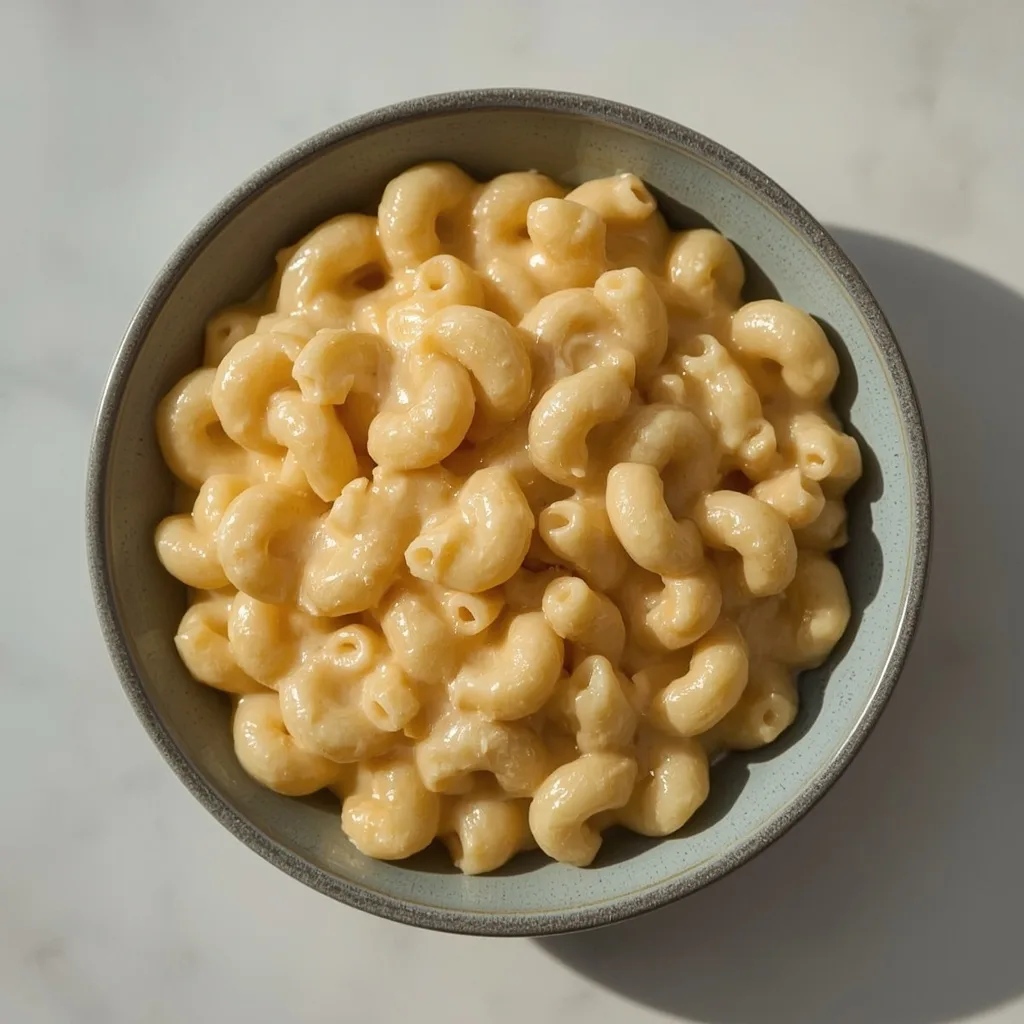
- Rest and serve — Let the dish rest for 5 minutes before serving. This allows the custard to set fully. Scoop portions with a large spoon, making sure each serving includes some of the browned top crust.
Expert Tips for a Standout Lubys Cafeteria Macaroni And Cheese
- Shred your own cheese — Bagged shredded cheese contains starches and anti-caking agents that prevent smooth melting. A block of sharp cheddar grated at home gives you a silky, lump-free sauce.
- Cook pasta one minute less than the package says — The noodles will finish cooking in the oven. If you cook them to full tenderness now, they turn mushy after baking.
- Let the sauce cool slightly before adding the egg — If the sauce is too hot, the egg will scramble on contact. Two minutes of cooling is enough to get the temperature right.
- Do not skip the tempering step — Adding hot sauce to the egg slowly while whisking raises its temperature gradually. Dumping the egg in all at once leaves you with lumpy, curdled custard.
- Fold the pasta in gently — A rubber spatula and a light hand keep the macaroni from breaking apart. Pressing or stirring aggressively creates a dense, gummy texture.
- Bake uncovered the whole time — Covering the dish traps steam and prevents that signature golden crust from forming. Let the top brown freely for the best texture contrast.
- Let it rest before serving — Five minutes off the heat lets the custard set so the slices hold their shape. Cutting into it right away gives you a runny mess.
Common Mistakes to Avoid
- Overcooking the pasta — Soft, fully cooked macaroni turns into paste after 25 minutes in the oven. Always cook it to al dente, about 7 minutes, for a tender but intact bite.
- Adding the egg directly to hot sauce — The heat scrambles the egg instantly, leaving you with flecks of cooked egg white throughout the sauce. Tempering with a small amount of warm sauce first keeps the texture smooth.
- Using pre-shredded cheese — The coating on bagged cheese stops it from melting into a smooth sauce. Your final dish will feel grainy instead of creamy.
- Skipping the rest time — The custard needs those five minutes to set after baking. Scooping it too early gives you a loose, soupy portion that collapses on the plate.
- Pressing the pasta into the dish — Spreading it flat and compact leads to a dense, heavy texture. A loose, even layer keeps the final dish light and tender.
Variations & Ways to Customize Lubys Cafeteria Macaroni And Cheese
- Add a crunchy topping — Sprinkle buttered breadcrumbs or crushed crackers over the top before baking for a crispy finish against the creamy custard.
- Mix in extra cheese — Replace half the sharp cheddar with Monterey Jack, colby, or a mild gouda for a different flavor profile. Keep the total cheese weight the same.
- Bump up the heat — Add a pinch of cayenne pepper or a few dashes of hot sauce to the cheese sauce for a subtle kick that does not overpower the custard.
- Include vegetables — Fold in 1/2 cup of finely diced roasted red peppers or well-drained cooked spinach after combining the pasta and sauce. Pat vegetables dry first to avoid watering down the custard.
- Use a different pasta shape — Small shells, cavatappi, or rotini all work well because their curves hold the sauce. Avoid long noodles or very tiny shapes.
What to Serve With Lubys Cafeteria Macaroni And Cheese
This mac and cheese is rich enough to stand alone, but it also pairs well with lighter sides. Here are a few ideas.
- Simple green salad — A crisp mix of lettuce, cucumber, and a tangy vinaigrette cuts through the creamy custard and balances the meal.
- Roasted broccoli — The slight char and earthy flavor of roasted broccoli complement the sharp cheddar without competing with it.
- Grilled chicken breast — Lean, simply seasoned chicken is a natural side that adds protein without making the plate feel heavy.
- Steamed green beans — A bright, simple vegetable side keeps the overall meal from feeling too rich. Toss them with a squeeze of lemon.
- Fresh fruit salad — A bowl of sliced melon, berries, or citrus offers a refreshing contrast after a creamy, cheesy main dish.
Make-Ahead Instructions
- Assemble before baking — Prepare the entire dish up to the point of baking, cover it tightly with foil, and refrigerate for up to 24 hours. Add 5 to 10 minutes to the bake time since you are starting from cold.
- Shred cheese in advance — Grate the cheddar up to three days ahead and store it in a sealed bag in the refrigerator. This saves time on cooking day.
- Cook and drain the pasta — Boil the macaroni, drain it, toss it with a teaspoon of butter to prevent sticking, and refrigerate for up to two days. Fold it into the sauce just before baking.
- Make the full dish and reheat later — Bake the mac and cheese completely, let it cool, then cover and refrigerate for up to three days. Reheat individual portions as needed.
Storage and Reheating
Storage
- In the refrigerator — Transfer leftovers to an airtight container and store for up to three days. Press a piece of plastic wrap directly onto the surface to prevent a skin from forming.
- Freezing is not recommended — The custard texture turns grainy and watery after thawing. If you must freeze it, portion it into single servings and expect some texture change.
- Separate portions for easy reheating — Divide leftovers into individual containers so you only reheat what you need. This keeps the rest fresh longer.
Reheating
- In the oven — Place portions in a 350°F (177°C) oven for 10 to 15 minutes. Cover loosely with foil if the top browns too fast.
- In the microwave — Heat on medium power in 30-second intervals, stirring gently between each round. High heat can make the sauce separate.
- On the stovetop — Transfer to a small saucepan, add a splash of milk, and warm over low heat while stirring. This restores some creaminess to refrigerated leftovers.
Nutritional Breakdown (Per Serving)
Based on 1 serving out of 4 total.
- Calories: 518
- Protein: 26g
- Fat: 27g
- Saturated Fat: around 16g
- Carbohydrates: 46g
- Fiber: 2g
- Sugar: about 7g
- Sodium: roughly 680mg
Frequently Asked Questions
Can I freeze Lubys Cafeteria Macaroni And Cheese?
Freezing is not ideal because the custard texture breaks down during thawing. If you need to freeze it, portion it into single servings and expect a grainier, less creamy result after reheating.
How long does Lubys Cafeteria Macaroni And Cheese last in the fridge?
Stored in an airtight container, it stays fresh for up to three days. Press plastic wrap onto the surface to keep a skin from forming.
What if my cheese sauce turns lumpy?
Lumpy sauce usually means the heat was too high or the cheese was added all at once. Keep the heat at medium and stir the cheese in off the heat so it melts gradually.
Can I use a different pasta shape?
Small shells, cavatappi, or rotini all work well because their curves hold the sauce. Avoid very small shapes like orzo or long noodles like spaghetti.
Do I need to use whole milk?
Whole milk gives the custard its creamy richness. Two percent milk works in a pinch, but the texture will be thinner and less luxurious.
Can I double this recipe?
Yes, but use a 9×13-inch baking dish and increase the bake time by 5 to 10 minutes. Check for doneness with a knife in the center.
Final Words
This Luby’s Cafeteria Macaroni And Cheese delivers that nostalgic, custard-style texture you cannot get from stovetop recipes. It takes a bit more care than the boxed version, but the creamy, cheesy result is well worth the extra steps. Try it for your next family dinner, and I think you will see why this version has a loyal following.
More Recipes
- Applebees Flamin Hot Cheetos Wings
- Luby’s Chicken Durango
- Luby’s Jalapeno Cornbread
- Steak And Shake Garlic Double Steakburger
Luby’s Cafeteria Macaroni And Cheese

This creamy, custard-style macaroni and cheese mimics the classic Luby’s Cafeteria version. Elbow macaroni is baked in a rich, egg-thickened cheese sauce until golden and bubbly, with a tender, almost soufflé-like texture.
- Prep Time: 15
- Cook Time: 35
- Total Time: 50
- Yield: 4 1x
- Category: Main Course
- Method: Baking
- Cuisine: American
Ingredients
- 8 oz (about 2 cups dry) elbow macaroni
- 2 tbsp unsalted butter, plus more for greasing the dish
- 2 tbsp all-purpose flour
- 1 1/2 cups whole milk
- 8 oz sharp cheddar cheese, shredded (about 2 cups)
- 1 large egg, lightly beaten
- 1/2 tsp kosher salt
- 1/4 tsp ground black pepper
- 1/4 tsp paprika (optional, for color)
Instructions
- Preheat the oven to 350°F (177°C). Lightly grease an 8-inch square (or similar 1.5-quart) baking dish with butter.
- Bring a large pot of salted water to a rolling boil over high heat. Add the elbow macaroni and cook until just al dente, about 7 minutes, stirring occasionally. The pasta should be firm to the bite as it will continue cooking in the oven. Drain well in a colander and set aside.
- In a medium saucepan over medium heat, melt the 2 tbsp butter until it is foamy but not browning. This should take about 1 minute. Watch for the foam to subside slightly, indicating the butter is hot enough.
- Whisk the flour into the melted butter until smooth, forming a roux. Cook, whisking constantly, for 1 to 2 minutes. The mixture will become pale and faintly bubbly; do not let it brown. This step removes the raw flour taste.
- Slowly pour in the whole milk while whisking vigorously to prevent lumps. Continue whisking over medium heat until the mixture thickens and just begins to bubble, about 3 to 4 minutes. You should see a few large bubbles break the surface.
- Remove the saucepan from the heat. Immediately add the shredded cheddar cheese, salt, black pepper, and paprika (if using). Stir with a wooden spoon or rubber spatula until the cheese is fully melted and the sauce is smooth. Let cool for 2 minutes.
- Temper the beaten egg by adding 2 to 3 tablespoons of the warm cheese sauce to the egg while whisking continuously. This gradually raises the egg’s temperature, preventing it from scrambling when added to the hot sauce.
- Pour the egg mixture into the saucepan with the remaining cheese sauce, stirring constantly until fully incorporated. The sauce will become slightly thicker and glossier.
- Add the drained macaroni to the sauce and fold gently with a rubber spatula until all noodles are evenly coated. Make sure no clumps of pasta remain dry.
- Transfer the mixture to the prepared baking dish, spreading it into an even layer. Do not press down; keep it loose for a creamy texture.
- Bake uncovered at 350°F (177°C) for 25 to 30 minutes. The top should be golden brown and slightly puffed, and the edges should be bubbling. A knife inserted into the center should come out warm and clean. Let rest for 5 minutes before serving; this allows the custard to set.
- Scoop portions with a large spoon, ensuring each serving includes some of the browned top crust. The interior should be creamy and tender. Enjoy hot.
Notes
Store leftovers in an airtight container in the refrigerator for up to 3 days. To reheat, place portions in a 350°F (177°C) oven for 10 to 15 minutes, or microwave on medium power in 30-second intervals until warm. Freezing is not recommended as the texture may become grainy.
Nutrition
- Calories: 518
- Sugar: 7g
- Sodium: 680mg
- Saturated Fat: 17g
- Carbohydrates: 46g
- Fiber: 2g
- Protein: 26g
- Cholesterol: 105mg
Keywords: Luby’s macaroni and cheese, cafeteria mac and cheese, baked macaroni and cheese, creamy mac and cheese, comfort food, American casserole, cheese pasta, egg-enriched macaroni