 Kendric adan
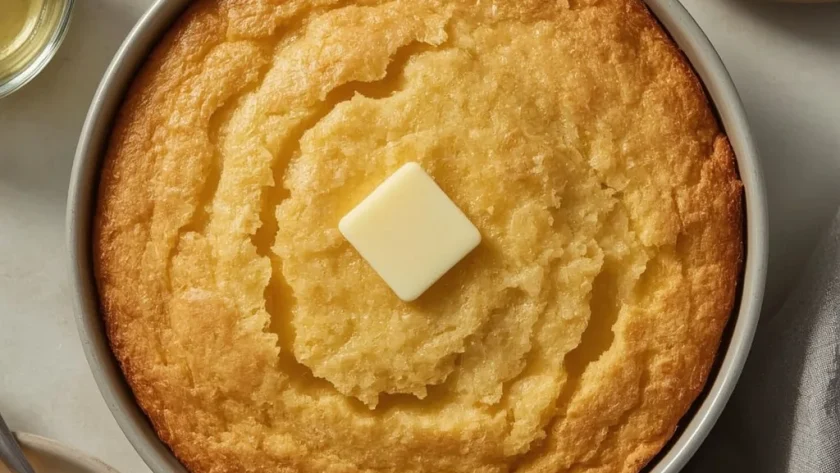
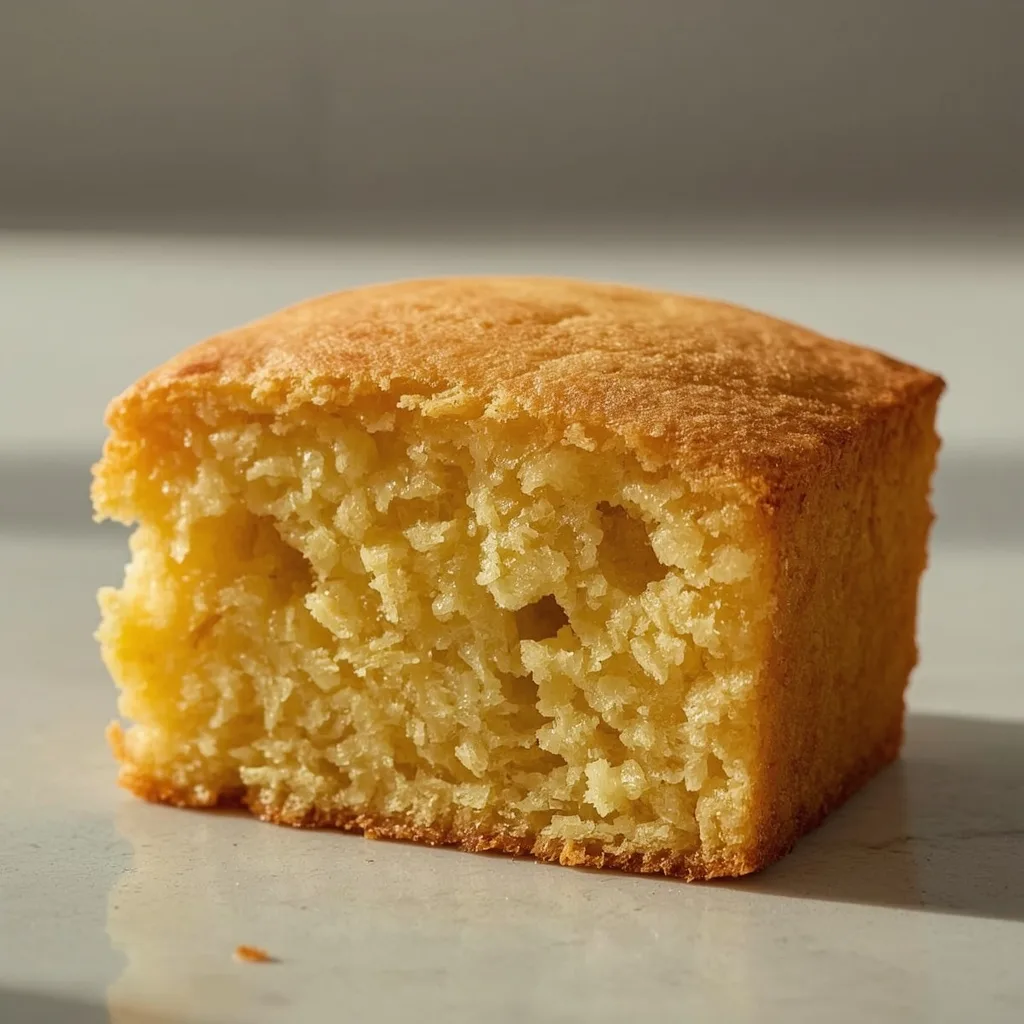
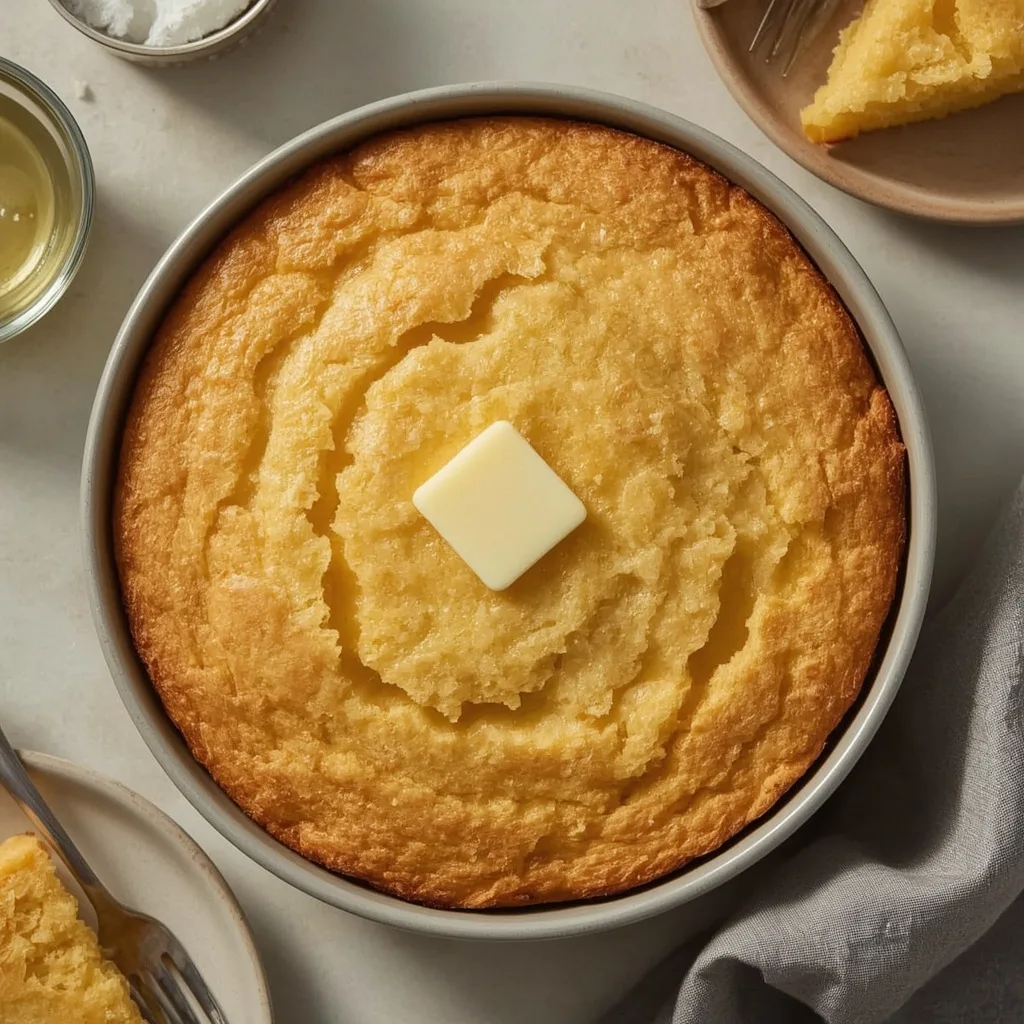
 No Egg Cornbread delivers all the tender, buttery goodness you expect from a classic Southern-style bread without a single egg in sight. Made with buttermilk and melted butter, this version turns out moist with a golden, slightly crisp crust that works for breakfast, alongside chili, or as a quick side.
It takes just 32 minutes from start to finish and falls into the beginner difficulty camp — the only real challenge is not overmixing the batter. This recipe serves 4 and is especially handy when you are out of eggs or cooking for someone with an egg allergy.
Why You’ll Love This Recipe
- No eggs needed — The buttermilk and baking soda create all the lift and tenderness you would normally get from eggs.
- Quick enough for a weeknight — From mixing to table in just over 30 minutes with only 10 minutes of hands-on prep.
- Perfectly moist every time — The combination of whole milk, buttermilk, and melted butter keeps the crumb soft and never dry.
- Versatile base for add-ins — Cheese, jalapeños, or herbs fold right into this batter without throwing off the chemistry.
What Makes This Recipe Special
Two things do the heavy lifting here: buttermilk reacting with baking soda, and melted butter worked into the batter at the right temperature. The buttermilk provides acidity that tenderizes the gluten and activates the soda for a strong, even rise. You end up with a cornbread that is moist inside, sturdy enough to hold up to stew or chili, and browned beautifully around the edges. It is the kind of side dish you reach for when you want something simple but satisfying.
Ingredients You’ll Need
Every ingredient here earns its spot. Skip or swap any without considering the consequences and the texture changes.
Dry Ingredients
- 1 cup (120g) yellow cornmeal (fine or medium grind) — Fine or medium grind both work; coarse will make the bread gritty. Yellow cornmeal gives the classic color and flavor.
- 1 cup (125g) all-purpose flour — Provides structure and softens the cornmeal texture. Do not substitute with whole wheat without adjusting the liquid.
- 2 tablespoons granulated sugar — Just enough to balance the cornmeal’s natural bitterness. This is not a sweet cornbread, but the sugar is noticeable if you leave it out.
- 1 tablespoon baking powder — The main leavening agent for lift and an open crumb.
- 1/2 teaspoon baking soda — Reacts with the buttermilk acid to create extra tenderness and browning.
- 1/2 teaspoon kosher salt — Enhances every flavor. If using table salt, reduce to 1/4 teaspoon.
Wet Ingredients
- 1 cup (240ml) buttermilk, shaken well — The acid in buttermilk tenderizes gluten and activates the baking soda. Shake the carton before measuring because the solids settle at the bottom.
- 1/3 cup (75ml) whole milk — Adds enough liquid to loosen the batter without thinning it too much. Whole milk gives the richest crumb; 2% works but expect slightly less moisture.
- 1/4 cup (60ml) unsalted butter, melted and cooled slightly (plus extra for greasing pan) — Melted butter is what creates that tender, almost cake-like texture. Cool it slightly so it does not cook the flour when you stir.
Equipment Needed
- 8-inch square baking pan or 9-inch cast iron skillet — The square pan gives square portions; cast iron gives a crispier crust. Both work well here.
- Large mixing bowl — Use one big enough to whisk dry ingredients and fold in wet without spilling over the sides.
- Liquid measuring cup — Easier to mix the buttermilk and milk together before pouring. A 2-cup size is ideal.
- Rubber spatula or wooden spoon — A spatula lets you scrape the edges clean and fold only until combined. A wooden spoon works in a pinch but splashes more.
- Wire cooling rack — Lets air circulate under the pan while the cornbread rests, preventing a soggy bottom.
Instructions to Prepare No Egg Cornbread
Follow the order closely — the buttermilk starts reacting as soon as it hits the dry ingredients, so work without pausing once you combine them.
- Preheat and prepare the pan — Set your oven to 400°F (204°C) with a rack in the center. Grease an 8-inch square pan or 9-inch cast iron skillet with about 1 teaspoon of butter, coating both bottom and sides.
- Whisk dry ingredients — In a large bowl, whisk together cornmeal, flour, sugar, baking powder, baking soda, and salt for about 30 seconds. This aerates the flour and spreads the leaveners evenly.
- Combine the milk mixture — In a separate liquid measuring cup or small bowl, stir together the buttermilk and whole milk with a fork until blended. The acid in the buttermilk is what creates lift without eggs — do not skip this step.
- Mix wet into dry — Pour the milk mixture into the dry ingredients all at once. Add the melted butter. Stir gently with a rubber spatula or wooden spoon just until the dry ingredients are moistened, about 12 to 15 strokes. The batter will be lumpy and thick — that is normal, and overmixing will make the cornbread tough.
- Transfer to pan — Scrape the batter into the prepared pan immediately and spread it evenly to the edges with the spatula. The batter should fill the pan about halfway.
- Bake and rotate — Place the pan in the oven and bake for 20 to 24 minutes, rotating the pan halfway through. The top should be deep golden brown and a toothpick inserted into the center should come out clean with no wet batter. The edges will pull away from the pan slightly.
- Rest in the pan — Remove the cornbread from the oven and set the pan on a wire cooling rack. Let it cool for 5 minutes in the pan — this short rest lets the structure firm up so it does not crumble when you cut it.
- Slice and serve — Use a serrated knife to cut the cornbread into 4 equal pieces while still warm. Serve immediately with extra butter, honey, or alongside chili, stew, or barbecue.
Expert Tips for a Standout No Egg Cornbread
- Shake the buttermilk well before measuring — The solids settle at the bottom of the carton, and pouring without shaking leaves you with thin liquid and less acid for the baking soda reaction.
- Do not overmix the batter — Stirring more than 12 to 15 strokes develops gluten and creates a dense, hockey-puck texture. Lumps are your friend here.
- Let the melted butter cool slightly before adding — Hot butter can partially cook the flour on contact, leading to a gummy texture. Let it sit for 2-3 minutes after melting.
- Rotate the pan halfway through baking — Ovens heat unevenly, and rotating ensures the edges brown at the same rate and the center bakes through evenly.
- Use a serrated knife for slicing — A straight blade tends to compress the soft crumb and create a gummy surface. A serrated knife glides through without crushing.
- Do not skip the 5-minute rest in the pan — Cutting too early causes the cornbread to fall apart. That short wait allows the starches to set while the butter soaks back in.
- Check doneness with a toothpick in the center — The edges can look done while the middle is still wet. The clean toothpick is your only reliable test.
Common Mistakes to Avoid
- Overmixing the batter — Even a few extra strokes can turn a tender cornbread into a tough, rubbery one. Stop the moment the flour disappears.
- Using cold buttermilk straight from the fridge — Cold liquid thickens the melted butter and creates an uneven batter. Let the buttermilk sit at room temperature for 10 minutes before mixing.
- Baking in an ungreased pan — The batter has enough butter to stay moist, but it will still stick to an ungreased pan. Grease generously, especially the corners.
- Skipping the oven preheat — Dropping the batter into a cold oven means the leavening reaction starts before the heat sets the structure, producing a flat, dense cornbread.
- Cutting the cornbread before the rest — Slicing right out of the oven collapses the airy crumb. Even 5 minutes makes a visible difference.
- Using expired baking powder or baking soda — Old leaveners lose potency, and the cornbread will not rise. Check the dates before you start — it is worth it.
Variations & Ways to Customize No Egg Cornbread
- Cheddar and jalapeño — Fold in 1/2 cup grated sharp cheddar and 2 tablespoons pickled jalapeño slices after combining wet and dry ingredients. The cheese adds richness and the jalapeño cuts through the butter.
- Honey butter cornbread — Increase the sugar to 3 tablespoons and drizzle 1 tablespoon of honey over the batter before baking. Serve with softened honey butter on the side.
- Herb and black pepper — Stir in 1 tablespoon chopped fresh chives or rosemary and 1/2 teaspoon cracked black pepper. This works well alongside roasted vegetables or grilled chicken.
- Dairy-free version — Substitute the buttermilk with 1 cup plant milk plus 1 tablespoon lemon juice or apple cider vinegar (let it sit 5 minutes). Use a neutral oil or vegan butter in place of the butter.
- Sweet corn addition — Fold in 1/2 cup frozen or canned sweet corn (drained well) for pops of sweetness and a slight textural contrast.
- Gluten-free adaptation — Replace the all-purpose flour with a 1:1 gluten-free baking blend that contains xanthan gum. Do not use straight rice flour or almond flour — the texture will suffer.
What to Serve With No Egg Cornbread
This cornbread is neutral enough to pair with boldly flavored dishes and simple enough to work with breakfast. These pairings make the most of its moist, buttery crumb.
- Chili or stew — The cornbread soaks up the broth without turning mushy, and the slight sweetness balances spicy tomato-based chili.
- Barbecue pulled pork or brisket — Smoky, tangy meat paired with a tender cornbread side is a classic Southern combination for a reason.
- Fried chicken — The crisp crust of the chicken contrasts with the soft cornbread, and the buttermilk flavors in both tie the meal together.
- Collard greens or sautéed kale — Bitter, garlicky greens need a soft, slightly sweet bread to mellow the meal. A slice of cornbread works perfectly.
- Butter and honey for breakfast — Toast leftover slices and slather them with butter and a drizzle of honey for a quick morning treat or snack.
- Soup, especially tomato or bean soups — A warm slice crumbled into soup adds body and flavor. It works as a dumpling substitute in a pinch.
Make-Ahead Instructions
- Mix dry ingredients in advance — Combine the cornmeal, flour, sugar, baking powder, baking soda, and salt in a zip-top bag or container up to 1 week ahead. Store at room temperature.
- Measure wet ingredients separately — Combine the buttermilk and whole milk in a sealed container and store in the fridge for up to 3 days. Shake well before using.
- Bake the cornbread a day ahead — Cool the cornbread completely, wrap it tightly in foil, and store at room temperature. Reheat before serving for the best texture.
- Freeze unbaked batter (not recommended) — The leavening reaction starts as soon as the wet and dry ingredients combine, so freezing raw batter leads to flat, dense results. Bake first, then freeze.
Storage and Reheating
Storage
- At room temperature — Store leftover cornbread in an airtight container at room temperature for up to 2 days. Do not refrigerate uncovered — the bread dries out quickly.
- In the refrigerator — Wrap pieces tightly in plastic wrap or place them in a sealed container. They stay fresh for up to 5 days. Refrigeration firms the texture slightly but preserves the moisture.
- In the freezer — Wrap each piece individually in plastic wrap, then a layer of foil. Freeze for up to 3 months. Thaw at room temperature or reheat directly from frozen.
Reheating
- Oven method — Wrap cornbread in foil and warm in a 350°F oven for 8-10 minutes. The foil keeps the crust from getting too hard while the inside steams back to softness.
- Microwave method — Place a single piece on a microwave-safe plate and heat for 20-30 seconds. The cornbread turns out soft but loses any crispness — best for a quick fix.
- Air fryer method — Set the air fryer to 350°F and heat a slice for 3-4 minutes. The crust gets slightly crunchy while the inside stays tender — a good middle ground.
- Skillet method — Reheat slices in a dry cast iron skillet over medium-low heat for 2-3 minutes per side. This restores some of the crisp golden edges.
Nutritional Breakdown (Per Serving)
Based on 1 serving = 1 slice out of 4 total.
- Calories: 290
- Protein: 7g
- Fat: about 9g
- Carbohydrates: 47g
- Fiber: about 3g
- Sugar: 7g
- Sodium: roughly 620mg
Frequently Asked Questions
Can I freeze No Egg Cornbread?
Yes, tightly wrap each slice in plastic wrap and a layer of foil, then freeze for up to 3 months. Thaw at room temperature or reheat in a 350°F oven for 8-10 minutes.
How long does No Egg Cornbread last in the fridge?
Stored in an airtight container or tightly wrapped, it stays fresh for up to 5 days in the refrigerator. The texture firms slightly but the moisture remains.
Can I make No Egg Cornbread without buttermilk?
Yes, make a quick buttermilk substitute by adding 1 tablespoon of lemon juice or apple cider vinegar to 1 cup of milk. Let it sit for 5 minutes before using. The acid is essential for the baking soda reaction.
Why is my cornbread dry and crumbly?
Overbaking or overmixing are the most common causes. Bake only until a toothpick comes out clean and stop stirring as soon as the flour disappears. Using whole milk instead of a lower-fat option also helps.
Can I use self-rising cornmeal mix instead?
You can, but omit the baking powder, baking soda, and salt from the recipe. Self-rising mixes already contain these. Expect a slightly different texture because the flour-to-cornmeal ratio is different.
What if I want sweeter cornbread?
Increase the sugar to 3 or 4 tablespoons. You can also stir in 1 tablespoon of honey after the butter is incorporated. The extra sugar may darken the crust, so check for doneness a minute early.
Final Words
This No Egg Cornbread proves you do not need eggs to get that soft, buttery crumb and golden crust you crave. The buttermilk and melted butter work together to create a tender bread that holds its own beside chili, stew, or a simple pat of butter. Give it a try the next time you want a quick, reliable side that does not require a trip to the store for eggs.
More Recipes
PrintNo Egg Cornbread
This eggless cornbread is perfectly tender and moist with a golden, slightly crisp crust. Made with buttermilk and melted butter, it delivers classic Southern-style flavor without any eggs, making it ideal for veggie sides or breakfast.
- Prep Time: 10
- Cook Time: 22
- Total Time: 32
- Yield: 4 1x
- Category: Side Dish
- Method: Baking
- Cuisine: American
Ingredients
- 1 cup (120g) yellow cornmeal (fine or medium grind)
- 1 cup (125g) all-purpose flour
- 2 tablespoons granulated sugar
- 1 tablespoon baking powder
- 1/2 teaspoon baking soda
- 1/2 teaspoon kosher salt
- 1 cup (240ml) buttermilk, shaken well
- 1/3 cup (75ml) whole milk
- 1/4 cup (60ml) unsalted butter, melted and cooled slightly (plus extra for greasing pan)
Instructions
- Preheat your oven to 400°F (204°C). Position an oven rack in the center. Grease an 8-inch square baking pan or a 9-inch cast iron skillet with 1 teaspoon of butter, coating the bottom and sides thoroughly to prevent sticking.
- In a large mixing bowl, whisk together the cornmeal, all-purpose flour, sugar, baking powder, baking soda, and kosher salt. Whisk for about 30 seconds to aerate the dry ingredients and ensure even distribution of leaveners.
- In a separate bowl or liquid measuring cup, combine the buttermilk and whole milk. Stir briefly with a fork to blend. The buttermilk reacts with the baking soda to create lift and tenderness in the absence of eggs.
- Pour the milk mixture into the dry ingredients all at once. Add the melted butter. Stir gently with a rubber spatula or wooden spoon just until the dry ingredients are moistened — about 12 to 15 strokes. The batter will be slightly lumpy and thick; do not overmix or the cornbread will become tough.
- Immediately scrape the batter into the prepared pan. Use the spatula to spread it evenly to the edges. The batter should fill the pan about halfway.
- Place the pan in the preheated oven. Bake for 20 to 24 minutes, rotating the pan halfway through, until the top is deep golden brown and a toothpick inserted into the center comes out clean with no wet batter clinging. The edges will have pulled away slightly from the pan.
- Remove the cornbread from the oven and place the pan on a wire cooling rack. Let it cool for 5 minutes in the pan. This short rest allows the structure to set before cutting, preventing crumbling.
- For clean slices, use a serrated knife and cut the cornbread into 4 equal portions while still warm. Serve immediately with extra butter, honey, or alongside chili, stew, or barbecue.
Notes
Storage: Keep leftover cornbread in an airtight container at room temperature for up to 2 days, or refrigerate for up to 5 days. For longer storage, freeze tightly wrapped in plastic wrap and a layer of foil for up to 3 months. To reheat, wrap in foil and warm in a 350°F (177°C) oven for 8-10 minutes, or microwave a single piece for 20-30 seconds. To make a dairy-free version, substitute buttermilk with 1 cup plant milk plus 1 tablespoon lemon juice or apple cider vinegar, and use a neutral oil or vegan butter in place of the butter.
Nutrition
- Calories: 290
- Sugar: 7g
- Sodium: 620mg
- Saturated Fat: 5g
- Carbohydrates: 47g
- Fiber: 3g
- Protein: 7g
- Cholesterol: 25mg
Keywords: eggless cornbread, no egg cornbread, Southern cornbread, buttermilk cornbread, homemade cornbread, easy cornbread recipe, vegetarian side dish, cornbread without eggs, classic cornbread, quick bread