 Kendric adan
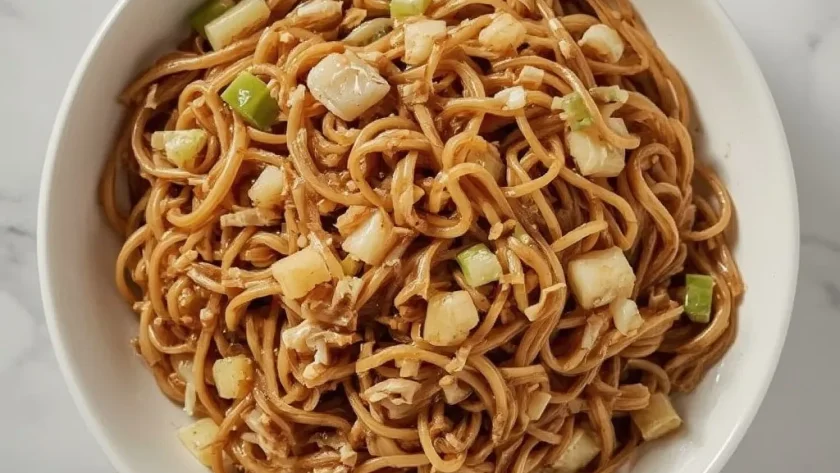
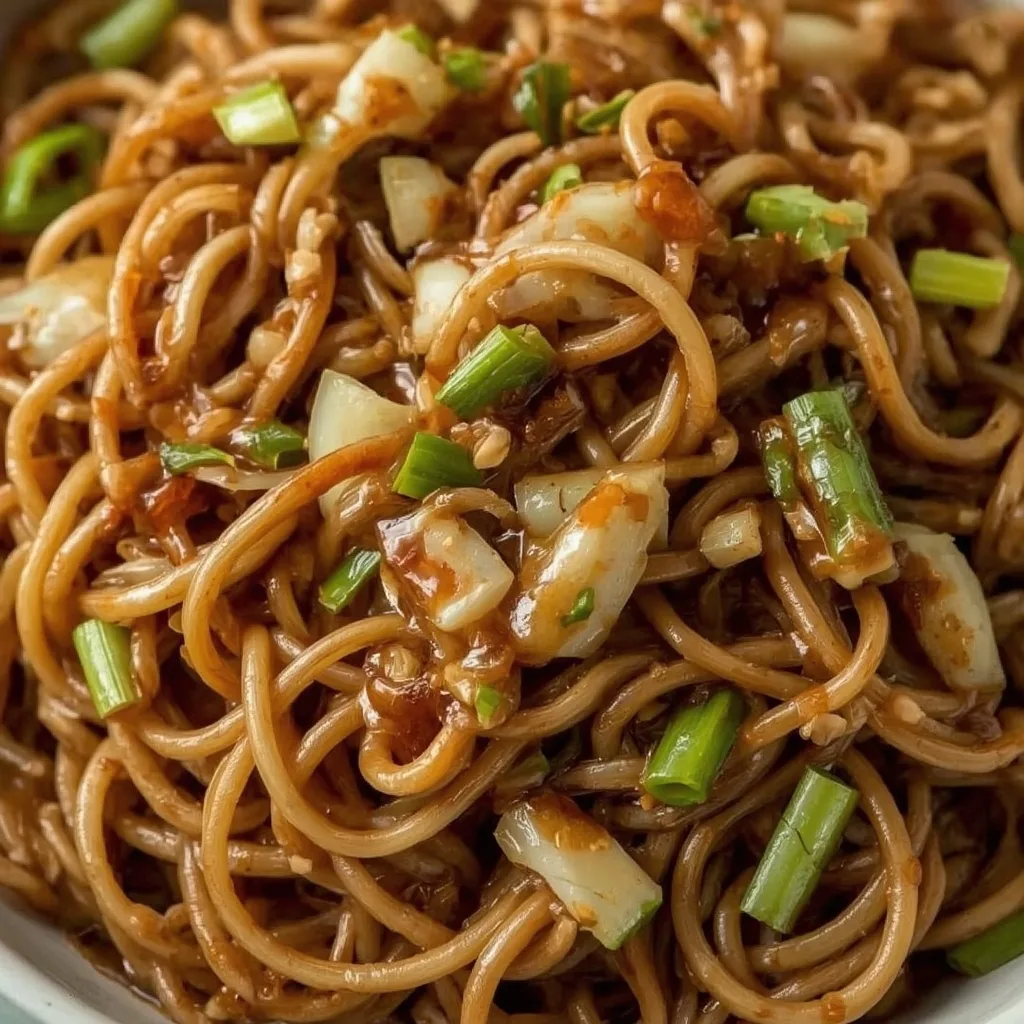
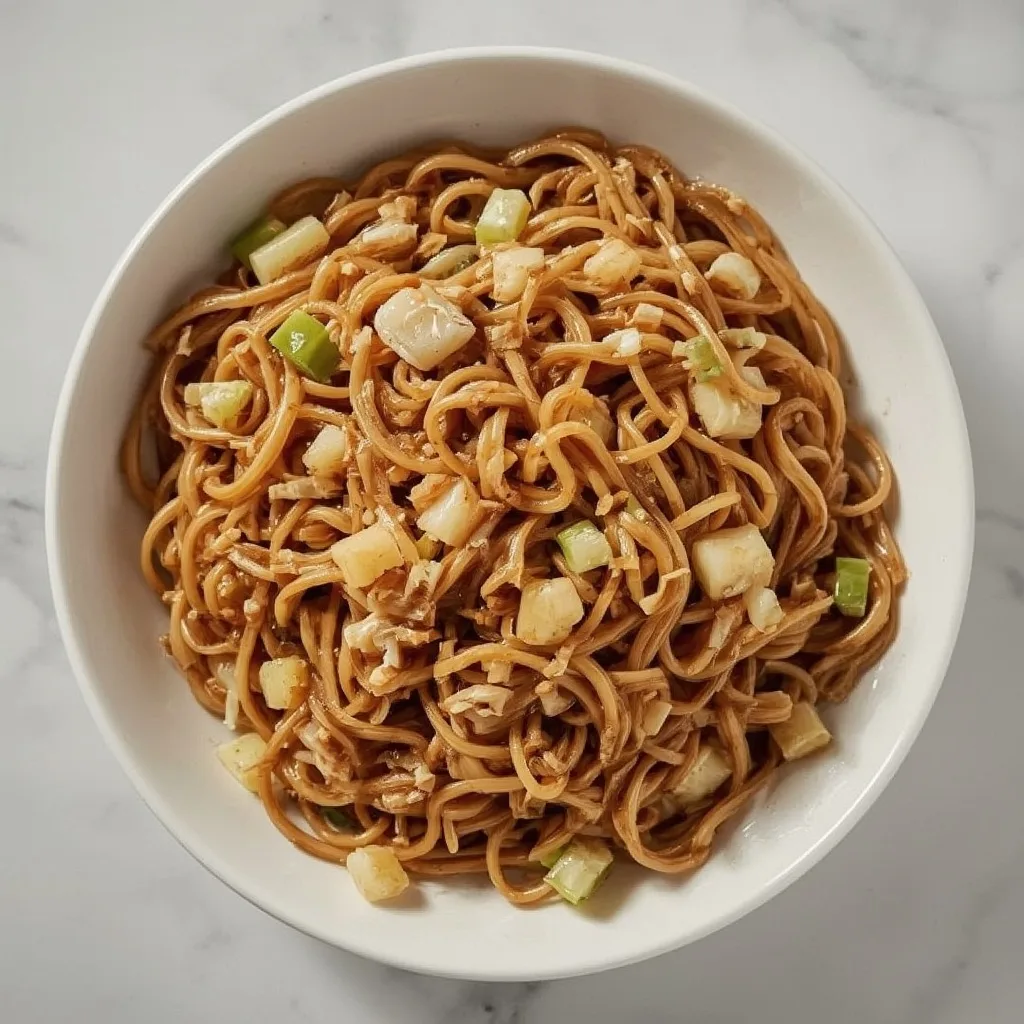
 This Panda Express Chow Mein copycat delivers tender, chewy noodles stir-fried with crunchy cabbage, celery, and onion in a savory soy-oyster sauce. It’s a quick side that mimics the signature takeout flavor with a perfect balance of salty and umami notes.
Total time is 25 minutes, with a 15-minute prep and 10-minute cook. You’ll manage fine as a beginner, though getting the high-heat stir-fry right takes a little focus. Make it for weeknight dinners or alongside your favorite Asian-inspired mains.
Why You’ll Love This Recipe
- Fast and easy — From start to finish in under half an hour, with simple stovetop steps you can handle any night of the week.
- Better than takeout — You control the sodium and oil levels without losing that signature chewy texture and savory punch.
- Budget-friendly — Common pantry ingredients replace the delivery fee, giving you four generous servings for pennies per plate.
- Customizable — Add protein, swap vegetables, or adjust the spice level to suit your family’s taste without changing the core method.
What Makes This Recipe Special
The key lies in the sauce — a blend of soy sauce, oyster sauce, sugar, and white pepper that creates those familiar umami notes. Tossing the noodles first in toasted sesame oil prevents clumping and adds a subtle nutty aroma. The vegetables stay tender-crisp because you cook them quickly over high heat, just like they do at the restaurant. This dish works perfectly as a weeknight side or a hearty base for leftover grilled chicken.
Ingredients You’ll Need
Everything on this list is available at most grocery stores. If you can’t find fresh chow mein noodles, dried lo mein works just as well.
Noodles
- 12 oz dried lo mein or chow mein noodles — These form the backbone of the dish. Fresh noodles (1 lb) give a chewier texture, but dried ones are easier to store and still deliver great results.
Aromatics and Vegetables
- 3 tbsp vegetable oil (canola or peanut), divided — High smoke point oils handle the intense stir-fry heat without burning.
- 1 cup green cabbage, thinly sliced — Adds crunch and mild sweetness. Slice it thin so it wilts quickly without turning mushy.
- 1/2 cup celery, thinly sliced on the bias — The bias cut increases surface area for better browning and a more attractive shape.
- 1/2 cup yellow onion, thinly sliced — Provides a subtle sharpness that mellows during cooking.
- 2 cloves garlic, minced — Fresh garlic delivers pungent aroma that infuses the oil in seconds.
Sauce Base
- 2 tbsp low-sodium soy sauce — The primary salty element. Low-sodium lets you control the final saltiness.
- 1 tbsp oyster sauce — This adds depth and a slight sweetness that rounds out the soy sauce.
- 1 tsp granulated sugar — Balances the saltiness and helps glaze the noodles.
- 1/2 tsp white pepper (or black pepper) — White pepper gives a milder, more authentic Chinese restaurant flavor; black pepper works in a pinch.
- 2 tbsp water — Helps the sauce spread evenly without making the noodles soggy.
- 1 1/2 tsp toasted sesame oil, divided — Used both to coat the cooked noodles and as a finishing drizzle for fragrance.
Equipment Needed
- Large pot (4-5 quarts) — You need enough water for the noodles to cook without sticking together.
- Wok or large 12-inch nonstick skillet — A wok’s curved sides make tossing easy, but a flat skillet works fine if you don’t own one.
- Spider or colander — For draining the noodles quickly and rinsing them under cold water to stop cooking.
- Small bowl — To whisk the sauce ingredients together before cooking so you can add it all at once.
- Metal spatula or wooden spoon — Needed for stir-frying and scraping up any browned bits from the pan surface.
Instructions to Prepare Panda Express Chow Mein
Follow these exact steps in order. Each one builds on the last to get that restaurant-quality texture and flavor.
- Cook and dress the noodles — Bring a large pot of water to a rolling boil. Add dried noodles and cook until just tender but still chewy (al dente), about 3-4 minutes. Drain, rinse under cold water, and drain again. Toss with 1 tsp toasted sesame oil to prevent sticking; set aside.
- Mix the sauce — In a small bowl, combine soy sauce, oyster sauce, sugar, white pepper, and 2 tbsp water. Stir until sugar dissolves completely.
- Heat the wok — Set a wok or large nonstick skillet over high heat for about 1 minute until a drop of water sizzles instantly. Add 2 tbsp vegetable oil and swirl to coat.
- Cook the aromatics — Add minced garlic and stir-fry about 15 seconds until fragrant. Be careful not to burn it; if you like heat, toss in a pinch of red pepper flakes at this stage.
- Stir-fry the vegetables — Add onion and celery, stir-fry 1 minute until onion softens and celery brightens. Then add cabbage and cook 1-2 minutes until slightly wilted but still bright green and crunchy.
- Combine noodles and sauce — Push vegetables to one side of the wok. Add remaining 1 tbsp oil to the center, then add noodles and let them sit undisturbed about 30 seconds for slight browning. Pour the sauce over everything and stir-fry vigorously for 2-3 minutes until each strand is coated and hot.
- Finish with sesame oil — Drizzle the remaining 1/2 tsp toasted sesame oil over the chow mein and toss once more. Taste and adjust with a pinch more soy sauce or sugar if needed, but avoid adding extra liquid to prevent sogginess.
- Serve immediately — Transfer to a platter or divide among plates. Serve as a side to orange chicken, beef and broccoli, or top with grilled protein for a main dish.
Expert Tips for a Standout Panda Express Chow Mein
- Use high heat throughout — The intense heat mimics a restaurant wok burner and gives the noodles slight char marks without burning them. Let the wok get smoking hot before adding oil.
- Rinse noodles thoroughly after cooking — Cold water stops the carryover cooking and washes off excess starch, preventing gumminess when you stir-fry later.
- Prep all ingredients before you start — Stir-frying moves fast; have your sliced vegetables, minced garlic, and mixed sauce ready within arm’s reach before turning on the heat.
- Don’t overcrowd the wok — If your skillet is too small, cook in batches. Overcrowding lowers the temperature and steams the vegetables instead of stir-frying them.
- Let the noodles sit briefly in the oil — That 30-second rest before tossing creates a light crust on the noodles, adding texture and absorbing more sauce flavor.
- Add the sesame oil at the very end — Toasted sesame oil loses its fragrance when heated too long. Drizzling it just before serving preserves that nutty aroma.
Common Mistakes to Avoid
- Overcooking the noodles — Mushy noodles ruin the texture. Cook them only until al dente; they’ll finish cooking in the wok with the sauce.
- Skipping the cold water rinse — Unrinsed noodles clump and become sticky. The rinse stops cooking and washes off excess starch for a clean, separate strand.
- Using too much sauce at once — The noodles can only absorb so much liquid. Stick to the measured amount; extra sauce makes the dish watery and dulls the flavor.
- Stir-frying vegetables too long — Panda Express chow mein vegetables stay tender-crisp. Cook them just until they start to wilt; they’ll soften slightly more in the final toss.
- Adding garlic too early — Garlic burns quickly over high heat. Add it only after the oil is hot and then stir-fry no more than 15 seconds before adding the vegetables.
- Forgetting to taste before serving — Brands of soy sauce and oyster sauce vary in saltiness. A quick taste lets you adjust with a pinch of sugar or a dash more soy sauce without compromising the dish.
Variations & Ways to Customize Panda Express Chow Mein
- Protein boost — Thinly slice grilled chicken, beef, or pork and stir-fry it with the aromatics before adding vegetables. Cook until just done, then proceed with the recipe.
- Spicy kick — Add 1/2 teaspoon of chili garlic sauce or sriracha to the sauce mixture, or toss in dried red pepper flakes with the garlic for a milder heat.
- Extra vegetables — Toss in shredded carrots, snap peas, or bean sprouts along with the cabbage. Keep total volume to about 1 1/2 cups to avoid overcrowding.
- Gluten-free version — Use tamari or coconut aminos in place of soy sauce, and choose a gluten-free oyster sauce or substitute with hoisin sauce. Most lo mein noodles contain wheat, so look for rice noodles instead.
- Vegan adaptation — Replace oyster sauce with a vegan mushroom-based stir-fry sauce or a mix of soy sauce, dark soy sauce, and a pinch of sugar. The rest of the recipe is already plant-based.
- Low-carb option — Swap the noodles for thinly sliced cabbage, zucchini noodles, or shirataki noodles. Reduce the oil slightly and cook the vegetables until just tender before adding the sauce.
What to Serve With Panda Express Chow Mein
This chow mein shines as a side dish, but it can also anchor a larger meal. Consider these pairings for a complete dinner spread.
- Orange chicken — The sweet-tangy sauce contrasts beautifully with the salty, savory noodles. A classic Panda Express combination.
- Beef and broccoli — Rich beef and tender broccoli in a garlicky brown sauce complement the chow mein’s light texture.
- Kung Pao chicken — Spicy, nutty flavors from the chili and peanuts add another layer of heat and crunch alongside the noodles.
- Egg rolls or spring rolls — Crispy rolls filled with vegetables or pork offer a satisfying textural counterpoint to the chewy noodles.
- Wonton soup — A warm, brothy starter or side helps balance the stir-fry’s bold seasoning.
- Steamed dumplings — Pork or vegetable dumplings with soy-vinegar dipping sauce round out the meal without extra work.
Make-Ahead Instructions
- Cook and refrigerate the noodles — Boil noodles, rinse, and toss with 1 tsp sesame oil. Store in an airtight container in the fridge for up to 2 days before using.
- Pre-slice all vegetables — Thinly slice cabbage, celery, and onion up to 24 hours ahead. Keep them in separate bags or a container lined with paper towels to absorb moisture.
- Mix the sauce in advance — Combine soy sauce, oyster sauce, sugar, white pepper, and water in a small jar. Refrigerate for up to 5 days; give it a shake before using.
- Store minced garlic separately — Mince garlic and keep it in a small covered container in the fridge for up to 2 days. For longer storage, freeze in a tiny bag and break off pieces as needed.
Storage and Reheating
Storage
- Airtight container — Transfer leftover chow mein to a sealed container and refrigerate within 2 hours of cooking. It stays good for up to 3 days.
- Separate from sauces if possible — If you made extra sauce, store it in a different container. Adding it fresh when reheating helps restore the original flavor.
- Do not freeze — Freezing turns the noodles mushy and the vegetables limp. The texture after thawing is far from the original.
Reheating
- Stovetop method (recommended) — Heat a wok or nonstick skillet over medium-high heat. Add a splash of water or soy sauce and stir-fry the chow mein for 2-3 minutes until hot. This restores the chewy texture best.
- Microwave method — Place leftovers in a microwave-safe bowl, cover with a damp paper towel, and heat in 30-second bursts, stirring between intervals. Total time about 1-2 minutes. The noodles may soften more than stovetop.
- Air fryer method — Spread cold chow mein in the air fryer basket. Cook at 350°F for 3-4 minutes, shaking halfway through. The edges get slightly crispy while the center stays tender.
Nutritional Breakdown (Per Serving)
Based on 1 serving out of 4 total. Values are approximate and will vary based on specific brands and ingredient swaps.
- Calories — 430
- Protein — 12g
- Fat — 13g
- Carbohydrates — 69g
- Fiber — around 2g
- Sugar — about 3g
- Sodium — roughly 500mg
Frequently Asked Questions
Can I freeze Panda Express Chow Mein?
Freezing is not recommended. The noodles become mushy upon thawing, and the vegetables lose their crunchy texture. For best results, only make what you’ll eat within a few days.
How long does Panda Express Chow Mein last in the fridge?
Stored in an airtight container, it stays fresh for up to 3 days. Reheat on the stovetop with a splash of water or soy sauce to revive the texture.
What noodles work best for this copycat recipe?
Dried lo mein or chow mein noodles give the nearest texture to the restaurant version. Fresh chow mein noodles are even chewier if you can find them. Avoid spaghetti or angel hair — they cook differently and lack the right bite.
Can I make this dish without oyster sauce?
Yes. Substitute with hoisin sauce for a sweeter finish, or use a mix of soy sauce and a little brown sugar. The flavor won’t be identical, but it will still be delicious.
Is this Panda Express Chow Mein gluten-free?
Not as written — the noodles contain wheat, and oyster sauce often has gluten. To make it gluten-free, use rice noodles, tamari, and a gluten-free hoisin or stir-fry sauce.
Why did my noodles turn out sticky?
Usually from not rinsing after cooking, or from using too much oil. Rinse thoroughly under cold water and toss with only 1 tsp of sesame oil. Also, avoid overcooking — al dente noodles resist clumping better.
Final Words
This Panda Express Chow Mein copycat delivers that familiar takeout experience without leaving your kitchen. The chewy noodles, tender-crisp vegetables, and savory-sweet sauce come together in just 25 minutes. Give it a try for your next weeknight dinner — you’ll wonder why you ever ordered delivery.
More Recipes
PrintPanda Express Chow Mein (Copycat)
This copycat Panda Express chow mein delivers tender, chewy noodles stir-fried with crunchy cabbage, celery, and onion in a savory soy-oyster sauce. It’s a quick and easy side that mimics the signature takeout flavor with a perfect balance of salty and umami notes.
- Prep Time: 15
- Cook Time: 10
- Total Time: 25
- Yield: 4 1x
- Category: Side Dish
- Method: Stovetop
- Cuisine: Chinese-American
Ingredients
- 12 oz dried lo mein or chow mein noodles (or 1 lb fresh chow mein noodles)
- 3 tbsp vegetable oil (canola or peanut), divided
- 1 cup green cabbage, thinly sliced (about 3 oz)
- 1/2 cup celery, thinly sliced on the bias (about 2 oz)
- 1/2 cup yellow onion, thinly sliced (about 2.5 oz)
- 2 cloves garlic, minced
- 2 tbsp low-sodium soy sauce
- 1 tbsp oyster sauce
- 1 tsp granulated sugar
- 1/2 tsp white pepper (or black pepper)
- 2 tbsp water
- 1 1/2 tsp toasted sesame oil, divided (1 tsp for noodles, 1/2 tsp for finish)
Instructions
- Bring a large pot of water to a rolling boil (about 4-5 quarts). Add the dried noodles and cook according to package directions until just tender but still chewy (al dente), typically 3-4 minutes. Drain immediately, rinse under cold running water to stop cooking, and drain well. Toss with 1 teaspoon of toasted sesame oil to prevent sticking; set aside.
- In a small bowl, combine the soy sauce, oyster sauce, sugar, white pepper, and 2 tablespoons of water. Stir until the sugar dissolves completely. This sauce will add the savory, slightly sweet umami flavor that characterizes Panda Express chow mein.
- Heat a wok or large 12-inch nonstick skillet over high heat for about 1 minute until a drop of water sizzles and evaporates immediately. Add 2 tablespoons of the vegetable oil and swirl to coat the surface. The oil should shimmer but not smoke.
- Add the minced garlic to the hot oil and stir-fry for about 15 seconds until fragrant, taking care not to burn it. If you prefer extra crunch, you can add a pinch of red pepper flakes at this stage.
- Add the sliced onion and celery to the wok. Stir-fry for 1 minute, tossing constantly with a spatula or metal wok turner, until the onion begins to soften and the celery brightens in color.
- Add the sliced cabbage to the wok. Continue stir-frying for 1-2 minutes until the cabbage is slightly wilted but still retains a bright green color and some crunch. Do not overcook; the vegetables should offer a tender-crisp texture.
- Push the vegetables to one side of the wok, creating a well in the center. Add the remaining 1 tablespoon of vegetable oil to the center of the wok and let it heat for a few seconds.
- Add the reserved noodles to the wok and spread them out over the oil. Let them sit undisturbed for about 30 seconds to allow some browning, then begin tossing and stirring to combine with the vegetables.
- Pour the prepared sauce evenly over the noodles and vegetables. Increase the heat to high and stir-fry vigorously, tossing and flipping ingredients, for 2-3 minutes until the sauce coats every strand and the noodles are heated through.
- Drizzle the remaining 1/2 teaspoon of toasted sesame oil over the chow mein and toss once more to incorporate. This final touch adds a nutty aroma and a slight sheen to the dish.
- Taste the chow mein and adjust seasoning if needed: add a pinch more soy sauce for saltiness or a sprinkle of sugar for sweetness. Avoid adding too much liquid at this stage to keep the noodles from becoming soggy.
- Transfer the chow mein to a serving platter or divide among plates. Serve immediately as a side to your favorite Chinese takeout dishes like orange chicken or beef and broccoli. For a main course, top with grilled chicken or beef.
Notes
Store leftovers in an airtight container in the refrigerator for up to 3 days. To reheat, place in a wok or nonstick skillet over medium-high heat with a splash of water or soy sauce and stir-fry for 2-3 minutes until hot, or microwave in 30-second bursts. Freezing is not recommended as the noodles become mushy upon thawing.
Nutrition
- Calories: 430
- Sugar: 3g
- Sodium: 500mg
- Unsaturated Fat: 1.5g
- Carbohydrates: 69g
- Fiber: 2g
- Protein: 12g
- Cholesterol: 0mg
Keywords: Panda Express chow mein, copycat chow mein, Chinese takeout side, stir-fried noodles, cabbage noodle recipe, easy chow mein, restaurant style noodles, Asian noodle side, quick stir-fry, weeknight side