 Kendric adan
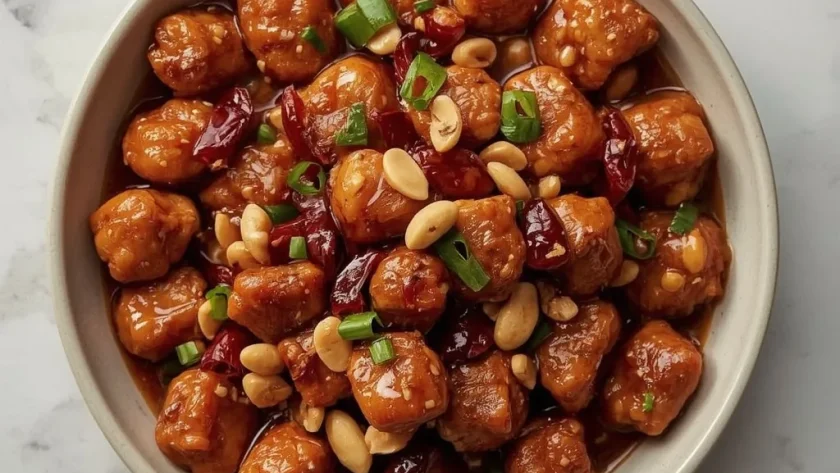
 This Panda Express Kung Pao Chicken is my go-to when a takeout craving hits but I don’t want to wait for delivery. Tender chicken, crunchy peanuts, and a glossy sauce that balances savory, sweet, and spicy come together in about 25 minutes.
Total time is 25 minutes from start to finish, making it a solid beginner-friendly weeknight dinner. The one step that needs your full attention is stir-frying the chicken over high heat to get that golden crust without burning the aromatics.
Why You’ll Love This Recipe
- Quick — Active cooking takes only 10 minutes, perfect for busy evenings.
- Better than takeout — You control the heat level and know exactly what goes into the sauce.
- Simple ingredients — Everything is available at a standard grocery store, no specialty suppliers needed.
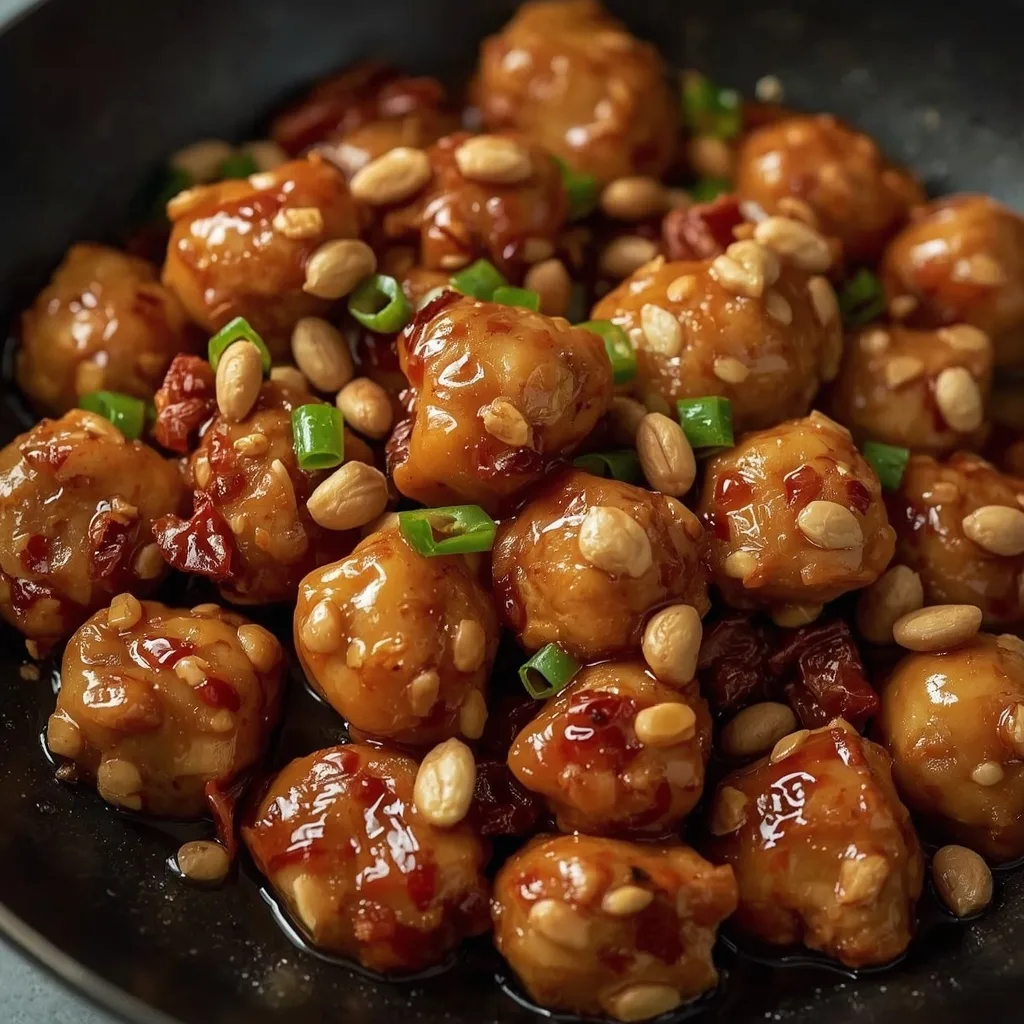
What Makes This Recipe Special
This dish nails the balance between a quick stir-fry and deep flavor development. The chicken gets a brief marinade that tenderizes it, then hits high heat for a seared crust. Dried red chili peppers add a fruity warmth that builds gradually, while roasted peanuts provide crunch in every bite. It fits perfectly into a weeknight rotation but tastes like you spent more time on it.
Ingredients You’ll Need
The ingredient list is straightforward, but each item plays a specific role in building the final flavor. Here is what goes into it.
For the Chicken Marinade
- 1 lb boneless skinless chicken breast — Cut into 1/2-inch cubes so they cook quickly and evenly. Look for uniform pieces.
- 1 tbsp soy sauce — Adds saltiness and helps tenderize the meat.
- 1 tsp cornstarch — Creates a light coating that helps the chicken brown and stay juicy.
- 1 tsp rice vinegar — A splash of acidity balances the soy sauce and brightens the chicken. Dry sherry works too.
For the Sauce
- 1 tbsp soy sauce — The base of the savory flavor.
- 1 tbsp hoisin sauce — Adds sweetness, depth, and a subtle earthy note.
- 1 tbsp rice vinegar — Cuts through the richness and keeps the sauce from being cloying.
- 1 tbsp granulated sugar — Balances the salty and spicy elements.
- 1 tsp cornstarch — Thickens the sauce to a glossy glaze that clings to the chicken.
- 1/4 cup water or low-sodium chicken broth — Provides the liquid volume. Broth adds a little extra savory depth.
For the Stir-Fry
- 2 tbsp vegetable oil, divided — Use a neutral oil with a high smoke point like canola or peanut oil.
- 1/4 cup dried red chili peppers — Stem and seed them if you want less heat. Leaving them whole adds more spice.
- 2 cloves garlic, minced — Fresh garlic is essential here. Pre-minced jarred garlic can burn faster.
- 1 tsp fresh ginger, minced — Gives the dish its signature aromatic warmth.
- 4 green onions — Separate the white and green parts. The whites cook with the aromatics; the greens finish the dish.
- 1/4 cup roasted peanuts — Use unsalted or lightly salted peanuts. Raw peanuts will not have the same crunch.
Equipment Needed
- Wok or large 12-inch skillet — A wok gives you the high sides and even heat distribution for stir-frying. A heavy skillet works as a close second.
- Slotted spoon — Useful for removing the chili peppers after toasting if you want to control heat level.
- Small bowl — For whisking the sauce ingredients together before cooking starts.
- Medium bowl — For marinating the chicken pieces.
- Spatula or wok spatula — A wide, flat spatula helps toss ingredients without spilling.
Instructions to Prepare Panda Express Kung Pao Chicken
Everything moves fast once the wok is hot, so have all ingredients measured and ready before you start cooking. Here is how it comes together.
- Marinate the chicken — In a medium bowl, combine the chicken cubes with 1 tablespoon soy sauce, 1 teaspoon cornstarch, and 1 teaspoon rice vinegar. Toss well to coat evenly, then let marinate at room temperature for 10 minutes while you prepare the remaining ingredients. This tenderizes the chicken and builds a light coating for crispy edges.
- Prepare the sauce — In a small bowl, whisk together the sauce ingredients: 1 tablespoon soy sauce, 1 tablespoon hoisin sauce, 1 tablespoon rice vinegar, 1 tablespoon sugar, 1 teaspoon cornstarch, and 1/4 cup water or broth. Stir until the sugar and cornstarch are fully dissolved, then set aside. This sauce will thicken during stir-frying to create a glossy glaze.
- Toast the chili peppers — Heat a wok or a large 12-inch skillet over high heat until it begins to smoke lightly. Add 1 tablespoon of the vegetable oil and swirl to coat the surface. Add the dried chili peppers and stir-fry for 15 seconds, until they darken slightly and become fragrant. Use a slotted spoon to transfer them to a plate (or leave them in for more heat).
- Cook the chicken — Add the remaining 1 tablespoon oil to the wok. Carefully add the marinated chicken pieces in a single layer. Let sear undisturbed for 30 seconds to develop a golden-brown crust on the bottom. Then stir-fry constantly, tossing with a spatula, until the chicken is cooked through and lightly browned on all sides, about 3 to 4 minutes. The chicken should feel firm and opaque.
- Add aromatics — Push the chicken to one side of the wok. Add the garlic, ginger, and the white parts of the green onions to the center. Stir-fry for 30 seconds until fragrant, taking care not to burn the garlic. The aroma will become sharp and earthy.
- Combine everything — Return the dried chili peppers to the wok if you removed them. Add the roasted peanuts and toss everything together until evenly distributed.
- Add the sauce — Pour the prepared sauce mixture over the chicken and vegetables. Stir-fry vigorously for 1 to 2 minutes, scraping the bottom of the wok, until the sauce bubbles, thickens, and coats every piece. The sauce should cling to the chicken without pooling in the bottom. If it seems too thick, add a splash of water.
- Finish and serve — Remove the wok from heat. Sprinkle the remaining sliced green onion tops over the dish. Serve immediately over steamed rice, as the chicken will continue to cook and the sauce will set. The dish is best enjoyed fresh, with the peanuts retaining their crunch.
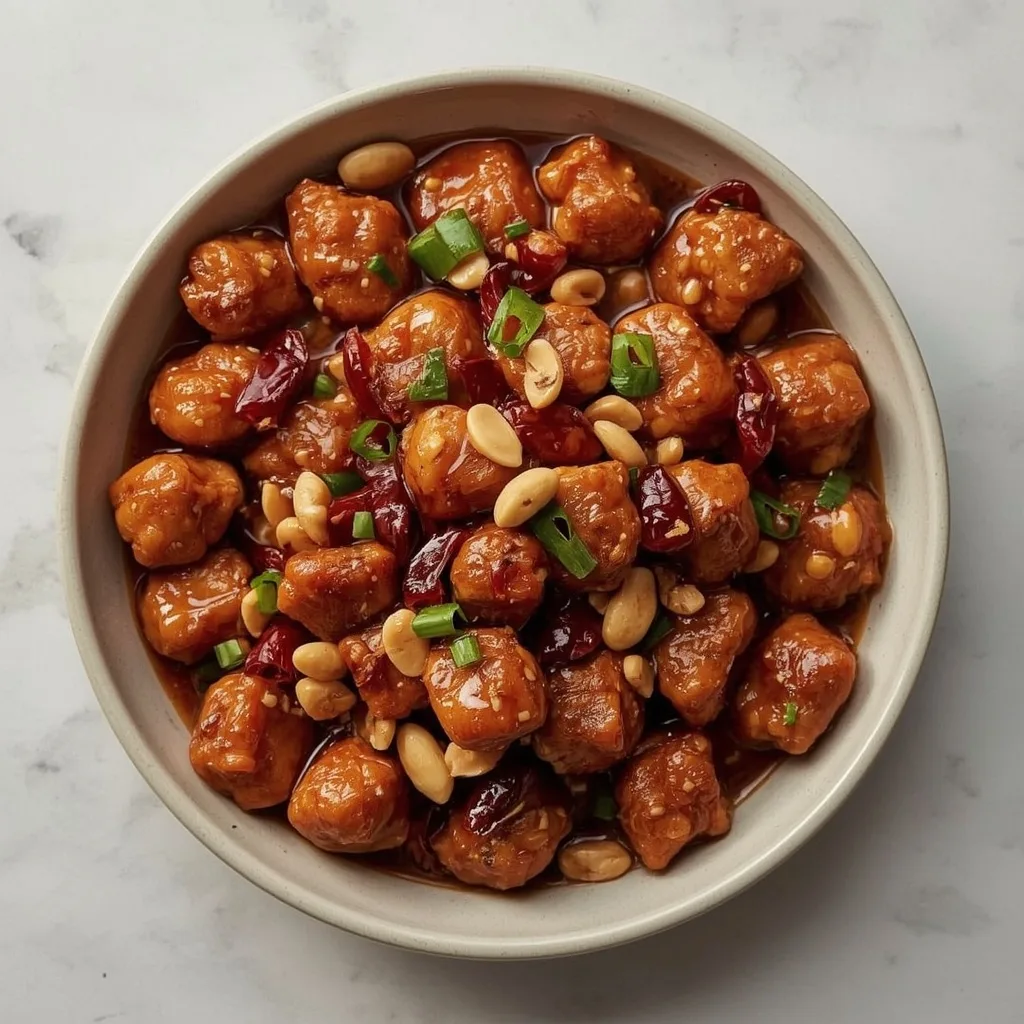
Expert Tips for a Standout Panda Express Kung Pao Chicken
- Getting the wok hot enough — Wait until you see a light wisp of smoke before adding oil. If the wok is not hot enough, the chicken will steam instead of sear, and the sauce will not thicken properly.
- Marinating is not optional — That 10-minute rest with soy sauce, cornstarch, and rice vinegar makes a real difference. Skipping it leads to drier chicken with less flavor.
- Prep everything first — This stir-fry cooks in about 4 minutes once the wok is hot. Having minced garlic, sliced green onions, and the sauce prepped in bowls keeps you from scrambling mid-cook.
- Do not overcrowd the wok — Adding the chicken in a single layer ensures each piece gets direct contact with the hot surface. Overcrowding drops the temperature and causes the chicken to release liquid instead of browning.
- Adjust chili heat to your tolerance — Leaving the dried peppers whole and intact keeps the spice mild. Cutting them open or crushing them releases more heat into the sauce. Start with whole peppers and adjust next time.
- Serve immediately after cooking — The peanuts stay crunchy and the sauce remains glossy right off the heat. Letting it sit too long softens the peanuts and the sauce thickens into a paste.
Common Mistakes to Avoid
- Using low heat — High heat is non-negotiable for stir-fry. Low heat makes the chicken release moisture, turns the sauce into a thin soup, and gives the peanuts a steamed texture.
- Skipping the cornstarch in the marinade — Without it, the chicken browns unevenly and lacks that slightly crispy exterior. The sauce also has trouble clinging to the meat.
- Adding all the oil at once — The two-tablespoon total is divided for a reason. The first batch toasts the chili peppers, the second batch cooks the chicken. Combining them dilutes the chili flavor.
- Burning the garlic — Garlic and ginger go in after the chicken is cooked, and they only need 30 seconds. Any longer and they turn bitter and acrid.
- Pouring the sauce too early — The sauce needs to go in at the very end, after the chicken is fully cooked and the aromatics are fragrant. Adding it earlier evaporates the liquid before it can thicken.
Variations & Ways to Customize Panda Express Kung Pao Chicken
- Vegetable version — Replace the chicken with 1 pound of firm tofu, cubed and patted dry. Skip the marinade and sear the tofu directly in the oil until golden on all sides before adding the aromatics.
- Extra heat — Add 1/2 teaspoon of red pepper flakes along with the dried chili peppers, or stir in 1 teaspoon of chili garlic sauce at the same time as the sauce mixture.
- Protein swap — Boneless skinless chicken thighs work well here. They stay juicier than breasts and need about 30 seconds longer per side to cook through.
- Nut-free option — Replace roasted peanuts with roasted cashews or slivered almonds. Both provide the same textural crunch without peanut allergens.
- Sweeter sauce — Increase the sugar to 1 1/2 tablespoons or add 1 teaspoon of honey dissolved into the sauce mixture. This toned-down version works well for kids who find the standard spice level too strong.
What to Serve With Panda Express Kung Pao Chicken
This dish is saucy and assertive, so pair it with neutral sides that balance the heat and let the chicken shine. Here are some good options.
- Steamed jasmine rice — The fluffy grains absorb the glossy sauce without competing for flavor. Short-grain white rice also works well.
- Simple cucumber salad — Thinly sliced cucumbers tossed with rice vinegar, a pinch of sugar, and sesame seeds provide a cool, crunchy contrast.
- Steamed broccoli or bok choy — Green vegetables add freshness and a mild bitterness that cuts through the rich sauce.
- Egg drop soup — A light, brothy soup before the main dish prepares the palate without overwhelming it.
- Cold beer or iced green tea — A crisp lager or unsweetened iced green tea cleanses the palate between spicy bites.
Make-Ahead Instructions
- Chicken marinade — Cube the chicken and toss it with the soy sauce, cornstarch, and rice vinegar up to 8 hours ahead. Keep it covered in the refrigerator. Let it sit at room temperature for 10 minutes before cooking.
- Sauce mixture — Whisk the sauce ingredients together and store in a sealed container in the fridge for up to 3 days. Stir well before using, as the cornstarch settles at the bottom.
- Vegetable prep — Mince the garlic, grate the ginger, slice the green onions, and measure the peanuts. Store each in separate small containers in the refrigerator for up to 2 days.
- Dried chili peppers — Stem and seed the peppers in advance. Store them in a sealed bag at room temperature for up to a week.
Storage and Reheating
Storage
- Airtight container — Store leftovers in an airtight container in the refrigerator for up to 3 days. Let the dish cool completely before sealing to prevent condensation that causes sogginess.
- Peanuts separately — If you plan to have leftovers, store the peanuts in a separate bag at room temperature. Add them only when reheating to preserve their crunch.
- Freezing not recommended — The sauce may become watery upon thawing, and the peanuts lose their texture entirely. Reheat fresh instead.
Reheating
- Wok or skillet (best method) — Reheat over medium-high heat with a splash of water or chicken broth to restore moisture. Stir-fry for 2-3 minutes until hot. This revives the sauce and keeps the chicken tender.
- Microwave (quick method) — Place in a microwave-safe bowl, cover loosely, and heat in 30-second bursts at 70% power. Stir between bursts. Microwaving can make the chicken rubbery, so do not overdo it.
- Air fryer (for crispiness) — Reheat at 350°F for 3-4 minutes, shaking the basket halfway through. Only use this method if the peanuts are stored separately, as they will toast further.
Nutritional Breakdown (Per Serving)
Based on 1 serving out of 4 total servings.
- Calories: 335
- Protein: around 38g
- Fat: 16g
- Carbohydrates: roughly 10g
- Fiber: 1g
- Sugar: about 5g
- Sodium: 620mg
Frequently Asked Questions
Can I make Panda Express Kung Pao Chicken with chicken thighs instead of breasts?
Yes, boneless skinless chicken thighs work well here. They stay juicier than breasts and need about 30 seconds longer per side to cook through. Trim any excess fat before cubing.
How long does Panda Express Kung Pao Chicken last in the fridge?
Store leftovers in an airtight container for up to 3 days. The sauce may thicken slightly upon cooling, but it loosens back up during reheating. Keep the peanuts separate if possible.
Can I freeze this dish?
Freezing is not recommended. The sauce can become watery during thawing, and the peanuts lose their crunchy texture entirely. It reheats better fresh from the fridge.
How do I make this milder for kids?
Leave the dried chili peppers whole and remove them from the wok before adding the chicken. The peppers will still add a mild fruity note without much heat. Cutting them open releases more spice.
What is the best substitute for rice vinegar?
Dry sherry or mirin work well as substitutes in both the marinade and the sauce. White wine vinegar diluted with a pinch of sugar is a decent emergency alternative.
Final Words
This Panda Express Kung Pao Chicken delivers the same bold flavors as takeout but takes less time than waiting for delivery. Give it a try the next time a stir-fry craving hits — the whole meal comes together in under 30 minutes.
Similar Recipes
PrintPanda Express Kung Pao Chicken
This copycat Panda Express Kung Pao Chicken delivers tender, juicy chicken pieces coated in a savory-sweet-spicy sauce, with crunchy peanuts and dried chilies for heat. Quick to prepare in a wok over high heat, it’s a perfect weeknight stir-fry that rivals takeout.
- Prep Time: 15
- Cook Time: 10
- Total Time: 25
- Yield: 4 1x
- Category: Main Course
- Method: Stovetop
- Cuisine: Chinese-American
Ingredients
- 1 lb boneless skinless chicken breast, cut into 1/2-inch cubes
- 1 tbsp soy sauce (for marinade)
- 1 tsp cornstarch (for marinade)
- 1 tsp rice vinegar (or dry sherry, for marinade)
- 2 tbsp vegetable oil, divided
- 1/4 cup dried red chili peppers, stemmed and seeded if desired
- 2 cloves garlic, minced
- 1 tsp fresh ginger, minced
- 4 green onions, white and green parts separated, sliced
- 1/4 cup roasted peanuts
- 1 tbsp soy sauce (for sauce)
- 1 tbsp hoisin sauce
- 1 tbsp rice vinegar
- 1 tbsp granulated sugar
- 1 tsp cornstarch (for sauce)
- 1/4 cup water or low-sodium chicken broth
Instructions
- In a medium bowl, combine the chicken cubes with 1 tablespoon soy sauce, 1 teaspoon cornstarch, and 1 teaspoon rice vinegar. Toss well to coat evenly, then let marinate at room temperature for 10 minutes while you prepare the remaining ingredients. This tenderizes the chicken and builds a light coating for crispy edges.
- In a small bowl, whisk together the sauce ingredients: 1 tablespoon soy sauce, 1 tablespoon hoisin sauce, 1 tablespoon rice vinegar, 1 tablespoon sugar, 1 teaspoon cornstarch, and 1/4 cup water or broth. Stir until the sugar and cornstarch are fully dissolved, then set aside. This sauce will thicken during stir-frying to create a glossy glaze.
- Heat a wok or a large 12-inch skillet over high heat until it begins to smoke lightly. Add 1 tablespoon of the vegetable oil and swirl to coat the surface. Add the dried chili peppers and stir-fry for 15 seconds, until they darken slightly and become fragrant. Use a slotted spoon to transfer them to a plate (or leave them in for more heat).
- Add the remaining 1 tablespoon oil to the wok. Carefully add the marinated chicken pieces in a single layer. Let sear undisturbed for 30 seconds to develop a golden-brown crust on the bottom. Then stir-fry constantly, tossing with a spatula, until the chicken is cooked through and lightly browned on all sides, about 3 to 4 minutes. The chicken should feel firm and opaque.
- Push the chicken to one side of the wok. Add the garlic, ginger, and the white parts of the green onions to the center. Stir-fry for 30 seconds until fragrant, taking care not to burn the garlic. The aroma will become sharp and earthy.
- Return the dried chili peppers to the wok if you removed them. Add the roasted peanuts and toss everything together until evenly distributed.
- Pour the prepared sauce mixture over the chicken and vegetables. Stir-fry vigorously for 1 to 2 minutes, scraping the bottom of the wok, until the sauce bubbles, thickens, and coats every piece. The sauce should cling to the chicken without pooling in the bottom. If it seems too thick, add a splash of water.
- Remove the wok from heat. Sprinkle the remaining sliced green onion tops over the dish. Serve immediately over steamed rice, as the chicken will continue to cook and the sauce will set. The dish is best enjoyed fresh, with the peanuts retaining their crunch.
Notes
Store leftovers in an airtight container in the refrigerator for up to 3 days. Reheat in a hot wok or skillet over medium-high heat with a splash of water or chicken broth to restore moisture; microwaving can make the chicken rubbery. Freezing is not recommended as the sauce may become watery and the peanuts lose their crunch.
Nutrition
- Calories: 335
- Sugar: 5g
- Sodium: 620mg
- Saturated Fat: 2.5g
- Carbohydrates: 10g
- Fiber: 1g
- Protein: 38g
- Cholesterol: 96mg
Keywords: kung pao chicken, Panda Express copycat, Chinese chicken stir-fry, spicy peanut chicken, quick weeknight dinner, homemade takeout, wok recipe, easy stir-fry, chicken breast recipe, Asian chicken dish