 Kendric adan
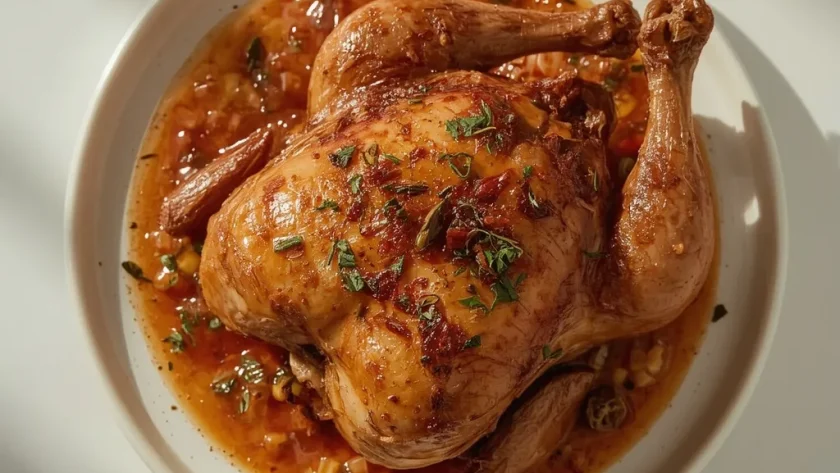
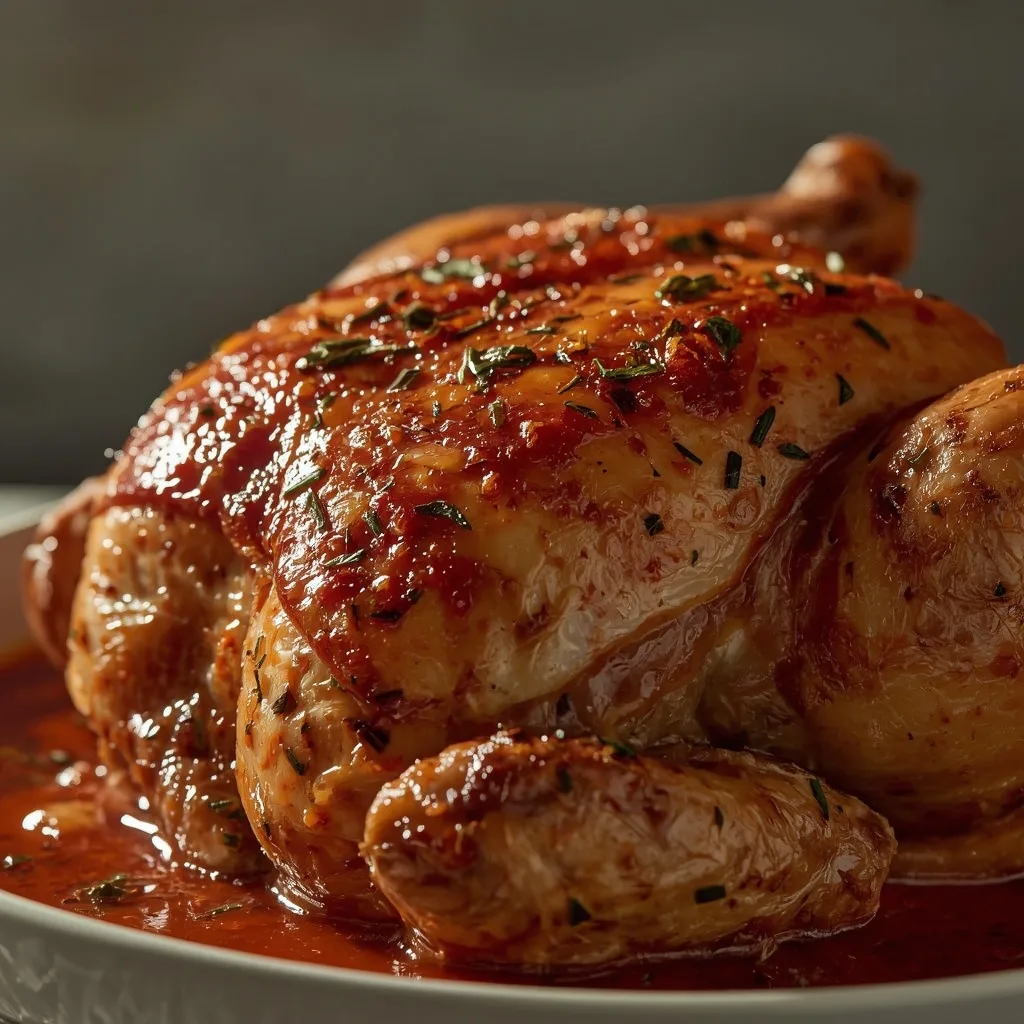
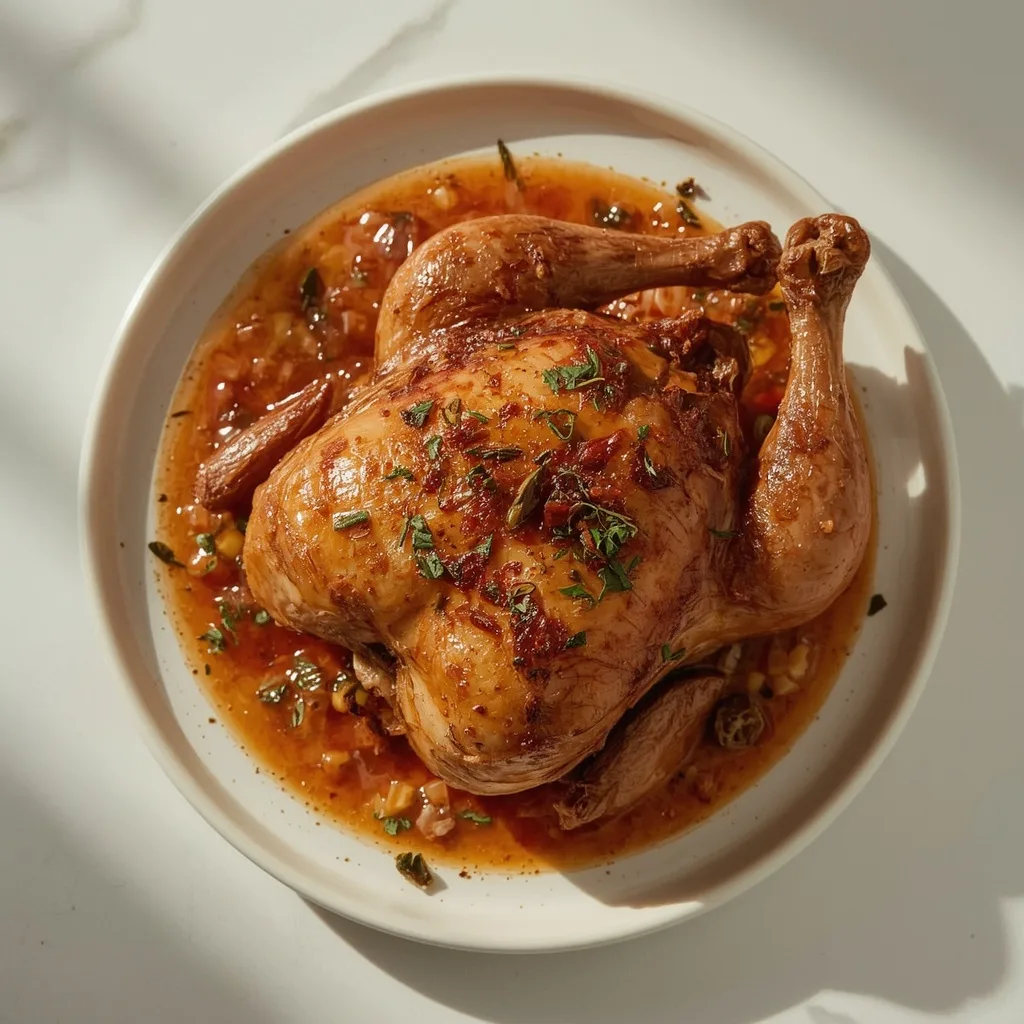
 If you have ever craved that perfectly bronzed rotisserie chicken with the signature tangy-sweet dipping sauce from the iconic Canadian chain, this Swiss Chalet Rotisserie Chicken recipe brings it straight to your kitchen. The meat stays juicy and tender under crispy, seasoned skin, while the warm clove-and-allspice tomato sauce is spot-on for drizzling or dipping.
The whole process takes about 1 hour 50 minutes — 20 minutes of prep and 75 minutes in the oven. It is beginner-friendly, though you will want to pat the chicken very dry and let it rest before carving. The sauce comes together while the bird rests, so the timing works out beautifully.
Why You’ll Love This Recipe
- Authentic copycat flavor — The spice rub and sauce replicate the chain’s signature taste without artificial shortcuts.
- Simple, everyday ingredients — Nothing fancy here; you likely have paprika, garlic powder, tomato paste, and apple cider vinegar in your pantry.
- One chicken, multiple meals — Leftover meat works for sandwiches, salads, or soups, stretching your grocery budget.
- No special equipment required — A roasting pan with a rack and a medium saucepan are all you need.
What Makes This Recipe Special
The secret lies in two things: a dry rub applied under the skin and a sauce built with warm baking spices like cloves, allspice, and cinnamon. The rub stays on the surface for a crispy, bronzed crust, while the sauce delivers that sweet-tangy-tart balance that keeps you dipping bite after bite. It is a full-flavored weeknight dinner that feels like a takeout treat without leaving home.
Ingredients You’ll Need
Here is what goes into the chicken and the sauce. Please use the exact amounts listed — they have been tested to match the original.
For the Chicken Rub
- 1 whole chicken (about 4 lb / 1.8 kg) — Giblets removed and patted very dry so the seasoning sticks and the skin crisps.
- 2 tsp kosher salt — It penetrates the meat better than fine table salt; use Diamond Crystal or Morton.
- 1 tsp freshly ground black pepper — Adds mild heat and depth.
- 1 tsp sweet paprika — Gives the skin that warm red color and a subtle smoky note.
- 1/2 tsp garlic powder — Dry powder distributes evenly without burning like fresh garlic would.
- 1/2 tsp onion powder — Rounds out the savory flavor.
- 2 tbsp vegetable oil (canola or grapeseed) — Helps the rub adhere and encourages browning.
For the Signature Sauce
- 1 cup low-sodium chicken broth — Forms the base; low-sodium lets you control the final saltiness.
- 1/4 cup tomato paste — Provides concentrated umami and body.
- 2 tbsp ketchup — Adds sweetness and a familiar tang.
- 1 tbsp apple cider vinegar — Brightens the sauce and cuts through the richness.
- 2 tbsp packed light brown sugar — Balances the acidity without making it cloying.
- 1/2 tsp ground cloves — The key to that distinct Swiss Chalet warmth; do not skip it.
- 1/2 tsp ground allspice — Adds a complex, slightly peppery sweetness.
- 1/4 tsp ground cinnamon — A subtle background note that ties the spice blend together.
- 1/4 tsp cayenne pepper (optional) — For a gentle kick; leave it out if you prefer mild.
- 1 tbsp cornstarch mixed with 2 tbsp cold water (slurry) — Thickens the sauce to a syrupy, spoon-coating consistency.
Equipment Needed
- Roasting pan with a metal rack — The rack lifts the chicken so hot air circulates underneath, crisping the bottom skin.
- Kitchen twine — Keeps legs tucked together for even roasting and protects delicate wing tips.
- Instant-read thermometer — The only reliable way to know when the breast hits 165°F and the thigh reaches 175°F.
- Medium saucepan — For simmering the sauce; nonstick works fine but stainless steel gives better whisking control.
- Cutting board with a groove — Catches juices while the chicken rests and makes carving easier.
Instructions to Prepare Swiss Chalet Rotisserie Chicken
Follow these steps in order. The resting period is not optional — it is the difference between juicy meat and dry shreds.
- Preheat and temper — Set the oven to 375°F / 190°C with a rack in the center. Take the chicken out of the fridge 30 minutes before roasting so it cooks more evenly.
- Season the bird — Mix salt, pepper, paprika, garlic powder, and onion powder in a small bowl. Rub the chicken all over with vegetable oil, then sprinkle the seasoning mix over the entire surface — including the cavity, underside, and between the skin and breast meat for deeper flavor.
- Truss for even cooking — Tuck the wing tips behind the back. Tie the legs together with kitchen twine at the ankles. This prevents thin parts from burning and promotes a uniform shape.
- Roast on a rack — Place the chicken breast-side up on a rack inside the roasting pan. The rack keeps the bird above the rendered fat, which is essential for crispy skin.
- Cook to temperature — Roast for 60 to 75 minutes. Check with an instant-read thermometer: the thickest part of the breast (not touching bone) should read 165°F / 74°C, and the thigh 175°F / 80°C. If the skin browns too quickly after 45 minutes, tent loosely with foil.
- Rest before carving — Transfer the chicken to a cutting board and let it rest uncovered for 15 to 20 minutes. The internal temperature will rise about 5°F during this time, and the juices redistribute so the meat stays moist.
- Make the sauce — While the chicken rests, whisk together chicken broth, tomato paste, ketchup, apple cider vinegar, brown sugar, cloves, allspice, cinnamon, and cayenne (if using) in a medium saucepan over medium heat. Bring to a gentle simmer, then reduce heat to low and cook for 10 minutes, stirring occasionally, to meld the flavors.
- Thicken the sauce — Whisk the cornstarch slurry again, then drizzle it into the simmering sauce while stirring constantly. Cook for 1 to 2 minutes until the sauce coats the back of a spoon — it should be syrupy but still pourable. Season with salt and pepper to taste.
- Carve and serve — Remove the twine. Separate the legs and thighs, then slice the breast meat against the grain. Arrange on a platter and serve the warm sauce on the side for dipping or spooned over the top.
Expert Tips for a Standout Swiss Chalet Rotisserie Chicken
- Pat the chicken bone-dry — Use paper towels inside and out. Any moisture on the skin will steam instead of crisp, leaving you with a rubbery surface.
- Season under the skin too — Gently loosen the breast skin with your fingers and rub the seasoning mix directly onto the meat. This gives you flavorful meat all the way through, not just on the outside.
- Let the bird come to room temperature — Thirty minutes out of the fridge prevents the center from staying cold while the outside overcooks. This is a small step that makes a big difference in even doneness.
- Use a rack every time — Placing the chicken directly in the pan means the bottom steams in rendered fat. The rack keeps the skin dry and crispy all around.
- Do not open the oven door early — Wait at least 45 minutes before checking. Every time you open the door, heat escapes and extends cooking time unnecessarily.
- Rest uncovered — Covering the chicken during rest traps steam and softens the crisp skin you worked hard to achieve. Resting uncovered keeps it crunchy while the juices settle.
- Taste the sauce before serving — Everyone’s tomato paste and broth vary in saltiness. Adjust with a pinch of salt or a splash of vinegar at the end to balance the sweetness.
Common Mistakes to Avoid
- Skipping the dry rub under the skin — The seasoning only flavors the surface, leaving the breast meat bland. Take the extra minute to separate the skin and rub directly onto the flesh.
- Roasting without trussing — Untucked wings burn quickly, and loose legs cook unevenly. A simple twine tie makes the chicken a uniform shape for consistent roasting.
- Using a thermometer that touches bone — Bone conducts heat differently, giving you a falsely high reading. Insert the probe into the thickest part of the breast, angling away from any bone.
- Cutting into the chicken too soon — The juices will run out onto the cutting board instead of staying in the meat, leaving it dry. Waiting the full 15–20 minutes is non-negotiable.
- Overcooking the sauce — The cornstarch slurry thickens quickly. Simmer only until it coats the spoon; letting it boil for several more minutes can make it gummy or break the texture.
- Storing chicken and sauce together — The sauce will make the skin soggy. Always keep them in separate containers in the fridge or freezer.
Variations & Ways to Customize Swiss Chalet Rotisserie Chicken
- Spicy jalapeño twist — Finely dice one fresh jalapeño and stir it into the sauce after simmering. Leave the seeds in for extra heat, or remove them for milder warmth.
- Herb-crusted version — Add 1 tablespoon dried thyme and 1 teaspoon dried rosemary to the dry rub. This gives the skin a Mediterranean-leaning aroma that pairs nicely with the sweet sauce.
- Smoky chipotle sauce — Replace the cayenne with 1 teaspoon adobo sauce from canned chipotles. The smoky heat adds depth without overwhelming the original flavor profile.
- Honey-mustard finish — After roasting, brush the chicken with a mixture of 2 tablespoons honey and 1 tablespoon Dijon mustard. Return to the oven for 5 minutes to glaze — it creates a sticky-sweet crust.
- Lemon-garlic variation — Stuff the cavity with 2 halved lemons and 4 smashed garlic cloves before roasting. The steam infuses the meat with citrus brightness that contrasts the rich sauce.
- Grilled alternative — Cook the seasoned chicken on a charcoal or gas grill over indirect medium heat (about 350°F / 177°C) for 60–75 minutes, turning once. The smoky char complements the sauce beautifully.
What to Serve With Swiss Chalet Rotisserie Chicken
This dish shines with simple sides that absorb the sauce or provide a fresh contrast. Here are some pairings that work every time.
- Buttered egg noodles — The wide, flat noodles catch every drop of the clove-spiced sauce, turning the plate into a saucy, comforting bowl.
- Steamed green beans with garlic — Crisp-tender beans offer a bright, vegetal crunch that cuts through the richness of the chicken and sauce.
- Classic coleslaw — A tangy, creamy slaw (think apple cider vinegar and mayo) provides a cool, acidic counterpoint to the warm, sweet-tart sauce.
- Roasted baby potatoes — Toss halved potatoes with olive oil, salt, and rosemary, then roast alongside the chicken during the last 30 minutes. They soak up drippings and become irresistibly crisp.
- Simple garden salad — A mix of romaine, cucumber, and cherry tomatoes with a light vinaigrette keeps the meal from feeling heavy.
- Warm crusty bread — Sourdough or French baguette slices are perfect for sopping up any leftover sauce from the plate.
Make-Ahead Instructions
- Prep the dry rub in advance — Combine the salt, pepper, paprika, garlic powder, and onion powder in an airtight container. Store at room temperature for up to 2 weeks, so roasting day is just a shake and rub away.
- Mix the sauce base ahead — Whisk together the chicken broth, tomato paste, ketchup, vinegar, brown sugar, and all spices (except cornstarch) in a jar. Refrigerate for up to 3 days. When ready, just pour into a saucepan and proceed from the simmering step.
- Season and refrigerate the chicken overnight — Rub the oil and spice mix onto the chicken, then place it uncovered on a tray in the fridge for 8–12 hours. This dry-brines the meat, making it even more flavorful and helping the skin dry out for extra crispiness.
- Fully cook and store for later — Roast the chicken, let it cool, and carve the meat. Keep the chicken and sauce in separate airtight containers in the fridge for up to 4 days, or freeze for longer storage.
Storage and Reheating
Storage
- Refrigerate separately — Place leftover chicken in an airtight container or wrap tightly in plastic wrap. Store the sauce in a separate sealed jar. Both keep for up to 4 days.
- Freeze the chicken — Wrap cooled chicken pieces tightly in plastic wrap, then a layer of foil. Freeze for up to 3 months. Thaw overnight in the fridge before reheating.
- Freeze the sauce — Pour cooled sauce into a freezer-safe bag, squeeze out air, and seal. It will stay good for up to 3 months. Thaw in the fridge or in a bowl of cold water.
- Label everything — Write the date and contents on containers. Frozen chicken and sauce look similar and lose quality after 3 months.
Reheating
- Oven method (best for crisp skin) — Preheat to 350°F / 177°C. Place chicken pieces on a wire rack over a baking sheet. Heat for 15–20 minutes, until the internal temperature reaches 165°F / 74°C. The skin will re-crisp nicely.
- Microwave method (quick but soft skin) — Place chicken on a microwave-safe plate, cover with a damp paper towel, and heat in 30-second bursts until hot. The skin will be soft, so this is best if you are shredding the meat.
- Air fryer method (fast and crispy) — Set air fryer to 350°F / 177°C. Arrange chicken pieces in a single layer and cook for 5–8 minutes, shaking halfway. The skin comes out very crisp.
- Reheat the sauce on the stovetop — Pour the sauce into a small saucepan and warm over medium-low heat, stirring occasionally. If it thickens too much, add a splash of water or chicken broth to loosen it.
Nutritional Breakdown (Per Serving)
Based on 1 serving = ¼ of the chicken plus about ¼ cup of sauce. Values are estimates and will vary based on specific brands and preparation.
- Calories: 465
- Protein: 41g
- Fat: around 27g
- Carbohydrates: 13g
- Fiber: 0g
- Sugar: 13g
- Sodium: roughly 1425mg
Frequently Asked Questions
Can I make Swiss Chalet Rotisserie Chicken without a roasting rack?
Yes, but the skin will be less crispy on the bottom. Place the chicken on a bed of halved onions or carrots to lift it slightly above the pan juices. The result is good, but a rack is ideal.
How long does Swiss Chalet Rotisserie Chicken last in the fridge?
Store the chicken and sauce separately in airtight containers. The chicken stays fresh for up to 4 days, and the sauce also keeps for 4 days. Do not keep it longer than that for food safety.
Can I use chicken thighs or legs instead of a whole bird?
Absolutely. Reduce the roasting time to 35–45 minutes, depending on the size of the pieces. Use the same dry rub and sauce recipe. The skin will be even crispier because there is less moisture.
My sauce is too thin. How can I fix it?
Mix another teaspoon of cornstarch with 1 tablespoon cold water, then whisk it into the simmering sauce. Cook for another minute until it thickens. This is an easy fix that does not affect flavor.
Can I skip the resting time?
I strongly advise against it. Slicing into the hot chicken releases the juices, leaving dry meat. The 15–20 minute rest allows the juices to reabsorb, ensuring every bite is moist and tender.
Is the sauce gluten-free?
Yes, as long as you use a gluten-free chicken broth (most are) and pure cornstarch. Check the label on any broth you buy — some contain wheat starch as a filler. This recipe is otherwise gluten-free.
Final Words
Making this Swiss Chalet Rotisserie Chicken at home is well worth the hour-plus in the oven. The crispy, spice-rubbed skin paired with that warm, tangy-sweet dipping sauce brings the chain’s classic experience right to your table. Give it a try for your next Sunday dinner or casual get-together — I think you will be surprised how close it tastes to the real thing.
More Recipes
PrintSwiss Chalet Rotisserie Chicken
A spot-on homage to the iconic Canadian chain, this rotisserie chicken delivers juicy, tender meat with bronzed, crispy skin. The signature tangy-sweet tomato-based sauce, infused with warm cloves and allspice, completes the experience—perfect for dipping or drizzling.
- Prep Time: 20
- Cook Time: 75
- Total Time: 110
- Yield: 4 1x
- Category: Main Course
- Method: Roasting
- Cuisine: Canadian
Ingredients
- 1 whole chicken (about 4 lb / 1.8 kg), giblets removed, patted very dry
- 2 tsp kosher salt
- 1 tsp freshly ground black pepper
- 1 tsp sweet paprika
- 1/2 tsp garlic powder
- 1/2 tsp onion powder
- 2 tbsp vegetable oil (such as canola or grapeseed)
- 1 cup low-sodium chicken broth
- 1/4 cup tomato paste
- 2 tbsp ketchup
- 1 tbsp apple cider vinegar
- 2 tbsp packed light brown sugar
- 1/2 tsp ground cloves
- 1/2 tsp ground allspice
- 1/4 tsp ground cinnamon
- 1/4 tsp cayenne pepper (optional, for heat)
- 1 tbsp cornstarch mixed with 2 tbsp cold water (slurry)
Instructions
- Preheat the oven to 375°F / 190°C with a rack in the center position. Remove the chicken from the refrigerator 30 minutes before roasting to take the chill off for more even cooking.
- In a small bowl, combine the salt, pepper, paprika, garlic powder, and onion powder. Rub the chicken all over with the vegetable oil, then evenly sprinkle the seasoning mixture over the entire surface, including the cavity, underside, and between the skin and breast meat for deeper flavor.
- Tuck the wing tips behind the back and tie the legs together with kitchen twine at the ankles. This promotes even roasting and prevents thin parts from burning. Place the chicken breast-side up on a rack set inside a roasting pan—the rack lifts the bird away from the rendered fat, ensuring crispy skin.
- Roast the chicken for 60 to 75 minutes, or until an instant-read thermometer inserted into the thickest part of the breast (without touching bone) reads 165°F / 74°C and the thigh reaches 175°F / 80°C. If the skin browns too quickly after 45 minutes, tent loosely with foil.
- Remove the chicken from the oven and transfer it to a cutting board. Let rest uncovered for 15 to 20 minutes—this allows the juices to redistribute, preventing dry meat when carved. Do not skip resting; internal temperature will rise about 5°F during this time.
- While the chicken rests, make the sauce. In a medium saucepan over medium heat, whisk together the chicken broth, tomato paste, ketchup, apple cider vinegar, brown sugar, cloves, allspice, cinnamon, and cayenne (if using). Bring to a gentle simmer, then reduce heat to low and cook for 10 minutes, stirring occasionally, to meld flavors.
- Whisk the cornstarch slurry again to recombine, then drizzle it into the simmering sauce while stirring constantly. Continue to cook for 1 to 2 minutes until the sauce thickens enough to coat the back of a spoon—it should be syrupy but still pourable. Season with salt and pepper to taste.
- Carve the rested chicken: remove the twine, separate the legs and thighs, then slice the breast meat against the grain. Arrange on a platter and serve the warm sauce on the side for dipping or spooned over the top.
Notes
Store leftover chicken and sauce separately in airtight containers in the refrigerator for up to 4 days. To freeze, wrap cooled chicken tightly in plastic wrap then foil, and freeze for up to 3 months; sauce can be frozen in a freezer bag for up to 3 months. Reheat chicken in a 350°F / 177°C oven for 15–20 minutes (or until internal temperature reaches 165°F / 74°C) to restore crispness. Reheat the sauce gently on the stovetop over medium-low heat, adding a splash of water or broth if too thick. The sauce also works as a glaze for grilled chicken or pork.
Nutrition
- Calories: 465
- Sugar: 13g
- Sodium: 1425mg
- Unsaturated Fat: 7g
- Carbohydrates: 13g
- Fiber: 0g
- Protein: 41g
- Cholesterol: 150mg
Keywords: Swiss Chalet chicken, rotisserie chicken recipe, Canadian rotisserie chicken, signature dipping sauce, tomato-clove sauce, roasted chicken, weeknight dinner, homemade Swiss Chalet, chicken with sauce, Sunday dinner