 Kendric adan
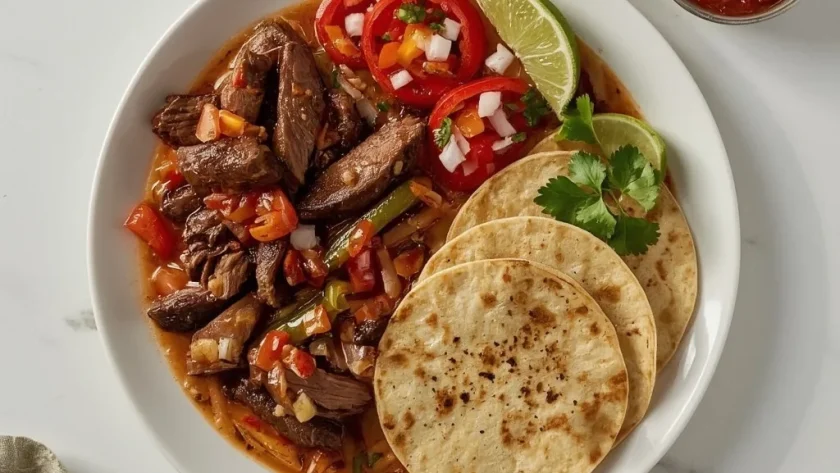
 Chilis Beef Fajitas are everything you want from a Tex-Mex night — smoky, charred skirt steak with tender peppers and onions, all served sizzling hot. The bold marinade gives the beef a savory, citrusy punch that tastes just like the restaurant version.
This recipe takes about 2.5 hours total, with most of that hands-off marinating time. It sits at intermediate level, mainly because getting a perfect sear on skirt steak takes a hot pan and a little confidence. The payoff is a dinner that feels like an event, perfect for a weekend gathering or a fun weeknight treat.
Why You’ll Love This Recipe
- Restaurant-quality flavor at home — The marinade, hot skillet, and simple veggies recreate that iconic sizzling platter experience without leaving your kitchen.
- Quick cooking once prepped — Actual stovetop time is only about 15 minutes, so you get a impressive meal fast after the marinade does its work.
- Totally customizable for every eater — Set out tortillas, sour cream, cheese, avocado, and salsa so everyone builds their perfect fajita.
What Makes This Recipe Special
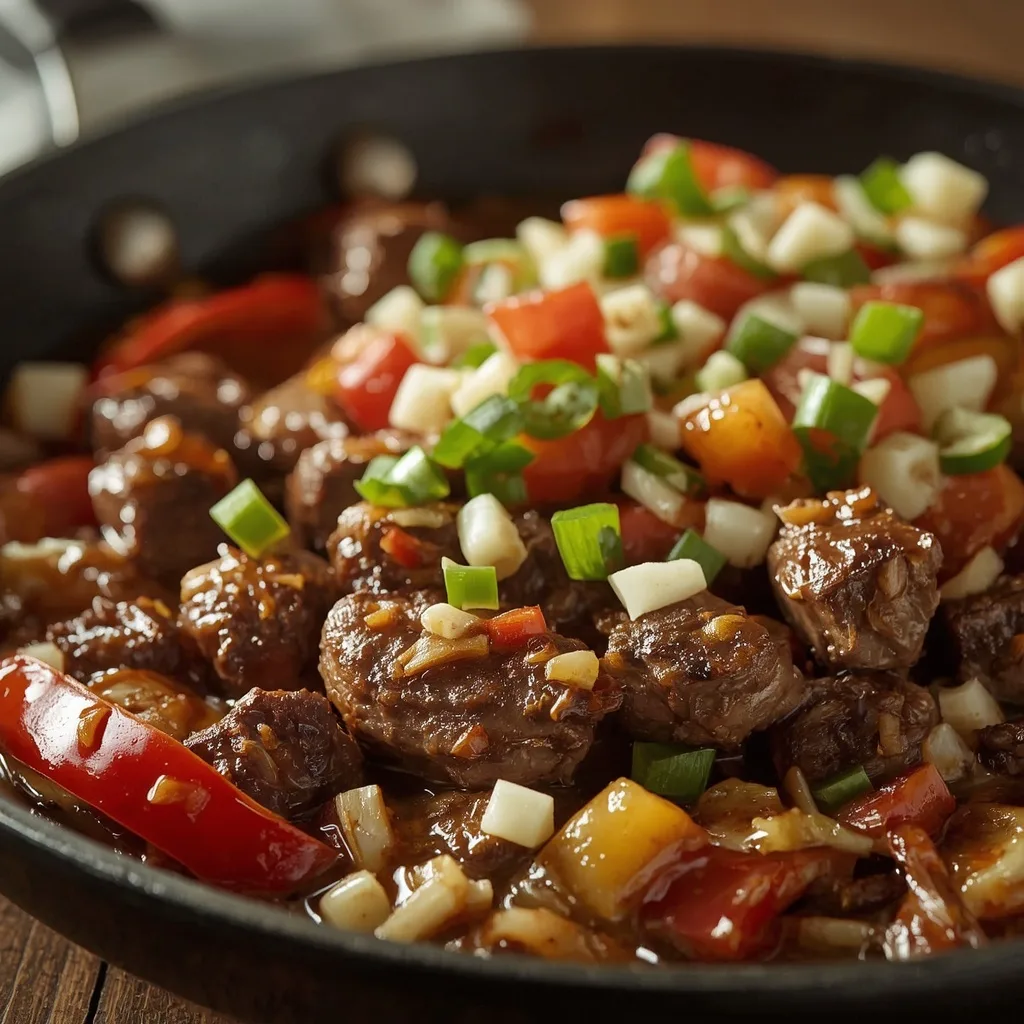
A double dose of lime juice and a blend of cumin, chili powder, and smoked paprika gives the skirt steak a deep, complex flavor you don’t get from a simple seasoning. The char on the peppers and onions, cooked right in the same pan with the beef drippings, adds a smoky depth that ties everything together. Every bite balances tangy, savory, and slightly spicy notes with tender, juicy meat. This dish brings the interactive fun of a fajita bar to your own table, making it great for casual dinners or festive occasions.
Ingredients You’ll Need
Here is the full list to make four generous servings. I have broken it into the marinade and the vegetable assembly so prep stays organized.
For the Marinade
- 1/4 cup fresh lime juice — The acid from about 2 limes tenderizes the beef and brightens the whole dish. Fresh juice is essential; bottled lime juice tastes flat.
- 2 tablespoons vegetable oil — Helps the marinade coat the meat evenly and aids browning during searing.
- 2 cloves garlic, minced — Adds a pungent, savory base note that mellows during cooking.
- 1 teaspoon ground cumin — Brings warm, earthy depth that is classic in Tex-Mex cooking.
- 1 teaspoon chili powder — Provides mild heat and a rich red color.
- 1/2 teaspoon smoked paprika — Adds a subtle smoky flavor that mimics the char from a grill.
- 1/2 teaspoon kosher salt — Seasons the beef from the inside out.
- 1/4 teaspoon cayenne pepper (optional, for heat) — Skip it if you prefer mild fajitas, or add it for a spicy kick.
- 1 pound skirt steak — Trimmed of excess fat and cut crosswise into 4-inch portions. Skirt steak absorbs marinade well and cooks quickly.
For the Vegetables and Assembly
- 1 large red bell pepper — Sliced into 1/4-inch strips. Adds sweetness and color.
- 1 large green bell pepper — Sliced into 1/4-inch strips. Provides a slightly bitter contrast to the sweet red pepper.
- 1 medium yellow onion — Halved and sliced into 1/4-inch half-moons. Softens and sweetens as it chars.
- 2 tablespoons vegetable oil, divided — One portion goes into the marinade, the other coats the vegetables.
- 1/2 teaspoon kosher salt, plus more — Seasons the vegetables and the finished dish.
- 1/4 teaspoon black pepper, plus more — Adds a subtle heat to the veggies.
- 8 (6-inch) flour or corn tortillas, warmed — The vessel for your fajitas. Flour tortillas are softer; corn gives a more authentic flavor.
For Serving (optional)
- 1/2 cup sour cream — Cools the heat and adds creamy richness.
- 1/2 cup pico de gallo or salsa — Adds fresh, chunky texture and acidity.
- 1/2 cup shredded Monterey Jack or cheddar cheese — Melts beautifully over the hot fajita meat.
- 1 large avocado, sliced — Creamy, buttery contrast to the smoky beef.
- 1 lime, cut into wedges — A final squeeze brightens every bite.
Equipment Needed
- Large cast-iron skillet or heavy-bottomed pan — Holds heat intensely for that perfect sear. A stainless steel skillet works if that is all you have.
- Cutting board and sharp knife — Essential for slicing the bell peppers, onion, and rested steak cleanly.
- Tongs — Let you flip the steak without piercing it, keeping juices inside.
- Zip-top bag or shallow dish — For marinating the steak evenly without a mess.
- Paper towels — Critical for patting the steak dry before searing. Moisture is the enemy of browning.
Instructions to Prepare Chilli’s Beef Fajitas
Follow these steps exactly, and you will get tender, charred beef and perfectly cooked vegetables every time.
- Make the marinade — Whisk together lime juice, 2 tablespoons vegetable oil, minced garlic, cumin, chili powder, smoked paprika, 1/2 teaspoon kosher salt, and cayenne if using. The acidity tenderizes while the spices build a robust base.
- Marinate the beef — Place the skirt steak pieces in a zip-top bag or shallow dish, pour the marinade over, and turn to coat. Refrigerate for at least 2 hours and up to 8 hours. Do not exceed 8 hours or the acid can make the meat mushy. Let it sit at room temperature 20 minutes before cooking for even searing.
- Prep the vegetables — Toss sliced bell peppers and onion with the remaining 2 tablespoons vegetable oil, 1/2 teaspoon kosher salt, and 1/4 teaspoon black pepper. Set aside.
- Warm the tortillas — Stack them, wrap in foil, and place in a 350°F oven for 10 minutes. Or heat each directly over a gas flame for 30 seconds per side using tongs until lightly charred and pliable. Keep wrapped in a clean kitchen towel.
- Heat the skillet — Preheat your cast-iron skillet over high heat for 3 to 4 minutes until smoking hot. This intense heat is crucial for a deep caramelized sear.
- Prepare the steak — Remove the skirt steak from the marinade, letting excess drip off. Pat completely dry with paper towels. Season both sides with a pinch of kosher salt and black pepper.
- Sear the steak — Working in batches to avoid overcrowding, place the steak in the hot dry skillet. Cook for 3 to 4 minutes without moving — you should hear a loud sizzle and see edges brown. Flip and cook 2 to 3 minutes more for medium-rare (internal temperature 130°F). For medium, cook 4 to 5 minutes per side (140°F). Do not exceed 160°F or the meat becomes tough.
- Rest the steak — Transfer to a cutting board and let rest 5 minutes, loosely tented with foil. This lets juices redistribute so the meat stays moist.
- Cook the vegetables — Add the seasoned peppers and onions to the same hot skillet over medium-high heat. Cook, stirring occasionally, for 4 to 5 minutes until softened and charred in spots. The browned bits from the steak will flavor the vegetables. Taste and adjust salt and pepper.
- Slice the steak — Cut the rested steak against the grain into 1/2-inch thick strips. Cutting across the grain shortens the muscle fibers for tenderness.
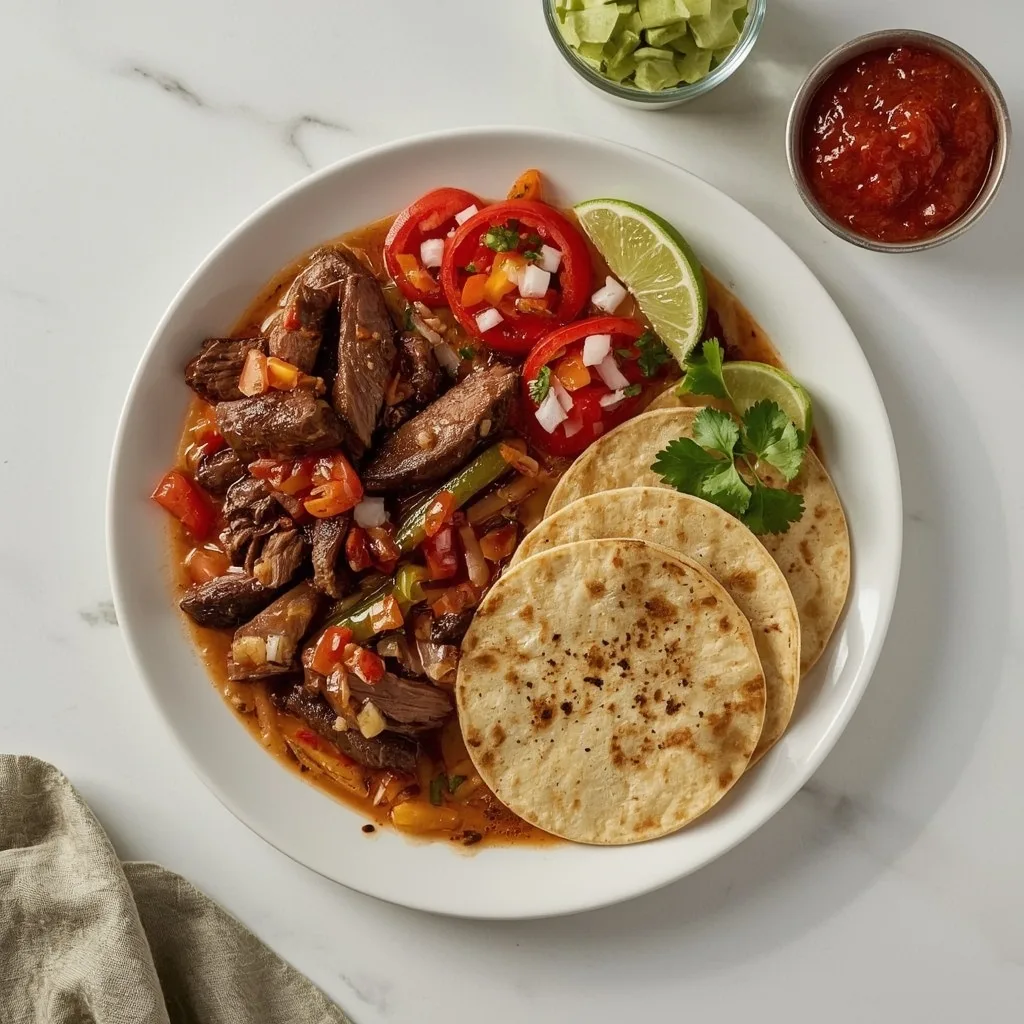
- Combine and serve — Return the sliced steak and any accumulated juices to the skillet with the vegetables. Toss over high heat for 30 seconds to reheat and combine. Serve immediately from the hot skillet or a warmed platter alongside tortillas and all optional toppings.
Expert Tips for a Standout Chilli’s Beef Fajitas
- Pat the steak completely dry — Moisture creates steam, not sear. After marinating, use paper towels to blot the meat so it browns deeply instead of steaming.
- Do not overcrowd the pan — If the skillet is too full, the temperature drops and the meat stews rather than sears. Cook the steak in two batches if needed.
- Let the steak rest without fail — Cutting into it immediately releases all the juices onto the cutting board instead of staying in the meat. Five minutes makes a huge difference.
- Cut against the grain every time — Look at the lines running through the skirt steak and slice perpendicular to them. This shortens the fibers so each bite is tender, not chewy.
- Get the pan smoking hot before adding steak — A hot pan is non-negotiable for a good sear. Heat it for a full 3-4 minutes over high heat before adding any meat.
- Use the same pan for vegetables — Cooking the peppers and onions in the same skillet picks up the browned bits (fond) left from the steak, adding deep flavor without extra effort.
- Warm tortillas properly — Cold tortillas crack when you fold them. Warming them in foil in the oven or directly over a flame makes them pliable and adds a slight char if you want it.
Common Mistakes to Avoid
- Over-marinating the steak — Leaving it longer than 8 hours turns the meat mushy because the lime acid breaks down the proteins too much. Stick to the 2-8 hour window.
- Adding oil to the skillet — The meat already has oil from the marinade, so extra oil can cause flare-ups and prevent a clean sear. Cook the steak in a dry, hot pan.
- Skipping the resting step — Cutting into the steak immediately releases all the juices. Your fajitas will be dry and tough without that vital five-minute rest.
- Overcooking the skirt steak — This cut is naturally lean and becomes tough past medium. Use a thermometer and pull it at 130°F for medium-rare or 140°F for medium.
- Cutting with the grain — Slicing parallel to the muscle fibres makes the meat stringy and hard to chew. Always identify the grain and cut perpendicular to it.
- Reheating in the microwave — Microwaves turn skirt steak rubbery and vegetables soggy. Use a hot skillet or oven to maintain texture.
Variations & Ways to Customise Chilli’s Beef Fajitas
- Grilled version — Skip the skillet and cook the marinated steak directly on a hot grill over high heat for 3-4 minutes per side. Grill the peppers and onions in a cast-iron pan on the grill alongside the meat.
- Chicken fajitas — Replace the skirt steak with 1 pound of boneless, skinless chicken breasts or thighs. Marinate the same way and cook until the internal temperature reaches 165°F.
- Spicy kick — Double the cayenne pepper in the marinade or add a minced chipotle pepper in adobo sauce for smoky heat. Serve with extra jalapeño slices on the side.
- Vegetarian fajitas — Substitute the steak with 1 pound of portobello mushrooms, sliced thick, or extra-firm tofu. Marinate and sear the same way for a satisfying plant-based option.
- Cheesy fajita bowls — Skip the tortillas and serve the meat and vegetables over cilantro-lime rice or cauliflower rice. Top with all the usual fixings for a low-carb meal.
- Extra smoky flavor — Add 1/2 teaspoon of liquid smoke to the marinade or grill the steak over mesquite charcoal. The smokiness intensifies the overall profile.
What to Serve With Chilli’s Beef Fajitas
These fajitas are a meal on their own, but a few thoughtful sides turn dinner into a full Tex-Mex spread.
- Cilantro-lime rice — Fluffy rice tossed with fresh cilantro, lime juice, and a pinch of salt soaks up any extra juices from the fajitas.
- Refried beans or black beans — Creamy refried beans or seasoned black beans add protein and fiber. They balance the acidity of the lime and salsa.
- Mexican street corn salad — Charred corn kernels mixed with cotija cheese, lime, chili powder, and crema offers a sweet, tangy, and creamy side.
- Simple green salad with avocado — Crisp lettuce, diced avocado, cherry tomatoes, and a lime vinaigrette cuts through the richness of the beef and cheese.
- Chilled margaritas or Mexican beer — A classic pairing. The citrus in a margarita complements the marinade, while a light lager like Corona refreshes the palate.
- Churros with chocolate sauce — For dessert, crispy cinnamon-sugar churros with warm chocolate dip finish the meal on a sweet note without being too heavy.
Make-Ahead Instructions
- Marinate the steak up to 8 hours ahead — Mix the marinade and coat the meat, then refrigerate. Do not exceed 8 hours or the acid will over-tenderize. Remove from fridge 20 minutes before cooking.
- Slice the vegetables a day in advance — Prep the bell peppers and onion, store them in an airtight container in the fridge. Toss with oil and seasoning just before cooking.
- Prepare toppings the morning of serving — Make pico de gallo, shred cheese, and slice avocado. Store each separately so the avocado does not brown. Squeeze lime over the avocado to preserve color.
- Warm tortillas while the steak rests — Do not warm them hours ahead; they will dry out. Pop them in the oven or over a flame during the five-minute steak rest for the best texture.
Storage and Reheating
Storage
- Refrigerate leftovers in an airtight container — Store the fajita meat and vegetables together for up to 3 days. Keep tortillas separately at room temperature if using within 2 days, or refrigerate them for up to 1 week.
- Freeze for longer storage — Cool the fajita meat and vegetables completely, then transfer to a freezer-safe bag or container. Freeze for up to 3 months. Thaw overnight in the fridge before reheating.
- Label with the date — Use a marker on the bag or container so you know exactly when you made them. Frozen fajitas taste best within the first two months.
Reheating
- Stovetop skillet (best method) — Reheat in a hot cast-iron skillet over medium-high heat for 2 to 3 minutes, stirring occasionally. The high heat restores the char and keeps the meat from steaming.
- Oven reheating — Spread the meat and vegetables on a baking sheet and warm in a 375°F oven for 5 to 7 minutes. This works well for larger portions and avoids sogginess.
- Microwave (last resort) — Heat in a microwave-safe dish on high in 30-second bursts. Expect some loss of texture — the meat will be chewier and the vegetables softer. Use only when time is tight.
- Refresh tortillas separately — Warm tortillas in a dry skillet over medium heat or directly over a gas flame for 20-30 seconds per side. Do not microwave them — they turn rubbery.
Nutritional Breakdown (Per Serving)
Based on 1 serving = 1/4 of the total fajita meat and vegetables, not including tortillas or optional toppings.
- Calories: roughly 485
- Protein: around 31g
- Fat: about 29g
- Carbohydrates: 30g
- Fiber: around 5g
- Sugar: 6g
- Sodium: about 720mg
Frequently Asked Questions
Can I freeze Chilli’s Beef Fajitas?
Yes, you can freeze the cooked fajita meat and vegetables for up to 3 months. Cool them completely, pack in a freezer-safe bag, and thaw overnight in the fridge before reheating in a hot skillet.
How long do Chilli’s Beef Fajitas last in the fridge?
Stored in an airtight container, the cooked fajita meat and vegetables stay fresh for up to 3 days. Keep tortillas separately at room temperature for 2 days or in the fridge for up to a week.
What is the best cut of beef for fajitas?
Skirt steak is the traditional choice because it absorbs marinade well and cooks quickly. Flank steak works as a substitute but is slightly leaner and can be tougher if overcooked. Both benefit from slicing against the grain.
Can I make this recipe without a cast-iron skillet?
Absolutely. A heavy-bottomed stainless steel pan or even a non-stick skillet will work, but you will need to heat it thoroughly over high heat. Avoid overcrowding the pan to maintain a good sear.
Why is my skirt steak tough?
It is likely overcooked or sliced with the grain. Skirt steak becomes chewy past medium (above 160°F). Always cook to medium-rare or medium, let it rest, and then slice perpendicular to the muscle fibers for tender strips.
Can I use a different marinade?
This lime-cumin-chilli pepper marinade is what gives the dish its signature Tex-Mex flavor. You could swap in orange juice for a sweeter note, but the core spices work best as written.
Final Words
Making Chilis Beef Fajitas at home is simpler than it looks, and the results rival any restaurant platter. With a hot skillet, a quick marinade, and fresh toppings, you get a meal that feels special without hours of work. Give it a try for your next taco night or casual dinner party — I think you will be surprised how easily it comes together.
More Recipes
PrintChili’s Beef Fajitas
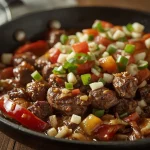
Tender, marinated skirt steak seared with smoky peppers and onions, served sizzling with warm tortillas and classic toppings. This Tex-Mex favorite delivers bold, savory flavor with a perfect balance of char and citrus.
- Prep Time: 20
- Cook Time: 15
- Total Time: 155
- Yield: 4 1x
- Category: Main Course
- Method: Stovetop
- Cuisine: Tex-Mex
Ingredients
- For the Marinade:
- 1/4 cup fresh lime juice (from about 2 limes)
- 2 tablespoons vegetable oil
- 2 cloves garlic, minced
- 1 teaspoon ground cumin
- 1 teaspoon chili powder
- 1/2 teaspoon smoked paprika
- 1/2 teaspoon kosher salt
- 1/4 teaspoon cayenne pepper (optional, for heat)
- 1 pound skirt steak, trimmed of excess fat and cut crosswise into 4-inch portions
- For the Vegetables and Assembly:
- 1 large red bell pepper, stemmed, seeded, and sliced into 1/4-inch strips
- 1 large green bell pepper, stemmed, seeded, and sliced into 1/4-inch strips
- 1 medium yellow onion, halved and sliced into 1/4-inch half-moons
- 2 tablespoons vegetable oil, divided
- 1/2 teaspoon kosher salt, plus more to taste
- 1/4 teaspoon black pepper, plus more to taste
- 8 (6-inch) flour or corn tortillas, warmed
- For Serving (optional):
- 1/2 cup sour cream
- 1/2 cup pico de gallo or salsa
- 1/2 cup shredded Monterey Jack or cheddar cheese
- 1 large avocado, sliced
- 1 lime, cut into wedges
Instructions
- Prepare the marinade: In a medium bowl, whisk together lime juice, 2 tablespoons vegetable oil, minced garlic, cumin, chili powder, smoked paprika, 1/2 teaspoon kosher salt, and cayenne (if using). The acidity from the lime helps tenderize the beef while the spices build a robust Tex-Mex flavor base.
- Marinate the beef: Place the skirt steak pieces in a large zip-top bag or shallow dish. Pour the marinade over the beef, seal or cover, and turn to coat evenly. Refrigerate for at least 2 hours and up to 8 hours — do not exceed 8 hours or the acid can over-tenderize, making the meat mushy. Let the meat sit at room temperature for 20 minutes before cooking to ensure even searing.
- While the meat rests, prepare vegetables: Toss sliced bell peppers and onion with the remaining 2 tablespoons vegetable oil, 1/2 teaspoon kosher salt, and 1/4 teaspoon black pepper in a bowl. Set aside.
- Warm the tortillas: Stack tortillas, wrap in foil, and place in a 350°F / 177°C oven for 10 minutes. Alternatively, heat each tortilla directly over a gas flame for 30 seconds per side using tongs until lightly charred and pliable. Keep wrapped in a clean kitchen towel.
- Preheat a large cast-iron skillet or heavy-bottomed pan over high heat for 3 to 4 minutes until the pan is smoking hot. This intense heat is crucial for a deep, caramelized sear on the steak.
- Remove the skirt steak from the marinade, letting excess drip off. Pat the steak completely dry with paper towels — moisture inhibits browning. Season both sides with a pinch of kosher salt and black pepper.
- Working in batches if needed to avoid overcrowding, place the steak in the hot dry skillet (no additional oil needed as the meat is oiled). Cook for 3 to 4 minutes without moving — you should hear a loud sizzle and see the edges begin to brown. Flip and cook for another 2 to 3 minutes for medium-rare (internal temperature 130°F / 54°C). For medium, cook 4 to 5 minutes per side (140°F / 60°C). Do not exceed 160°F / 71°C or the skirt steak will become tough.
- Transfer cooked steak to a cutting board and let it rest for 5 minutes, loosely tented with foil. Resting allows juices to redistribute, keeping the meat moist. Do not skip this step.
- While the steak rests, add the seasoned peppers and onions to the same hot skillet (reduce heat to medium-high). Cook, stirring occasionally, for 4 to 5 minutes until the vegetables are softened and charred in spots. The residual oil and browned bits from the steak will flavor the vegetables. Taste and adjust salt and pepper.
- Slice the rested steak against the grain into 1/2-inch thick strips. Cutting across the grain shortens the muscle fibers, ensuring each bite is tender.
- Return the sliced steak and any accumulated juices to the skillet with the vegetables. Toss together over high heat for 30 seconds to reheat and combine. The sizzle is part of the experience — the dish is meant to be served immediately.
- Serve the fajita mixture directly in the hot skillet or on a warmed platter alongside warm tortillas and optional toppings (sour cream, pico de gallo, cheese, avocado, lime wedges). Encourage guests to build their own fajitas.
Notes
Storage: Refrigerate leftover fajita meat and vegetables in an airtight container for up to 3 days. Store tortillas separately at room temperature if using within 2 days, or refrigerate for up to 1 week. Freezing: Cool fajita meat and vegetables completely, then transfer to a freezer-safe bag or container. Freeze for up to 3 months. Thaw overnight in the refrigerator before reheating. Reheating: For best results, reheat in a hot cast-iron skillet over medium-high heat for 2 to 3 minutes, or in a 375°F / 190°C oven for 5 to 7 minutes. Avoid microwaving — it will make the meat rubbery and the vegetables soggy. Tortillas can be refreshed in a dry skillet or directly over a gas flame.
Nutrition
- Calories: 485
- Sugar: 6g
- Sodium: 720mg
- Unsaturated Fat: 8g
- Carbohydrates: 30g
- Fiber: 5g
- Protein: 31g
- Cholesterol: 80mg
Keywords: beef fajitas, Chili’s fajitas, Tex-Mex fajitas, skirt steak fajitas, sizzling fajitas, fajita marinade, weeknight dinner, steak and peppers, cast iron fajitas, restaurant-style fajitas