 Kendric adan
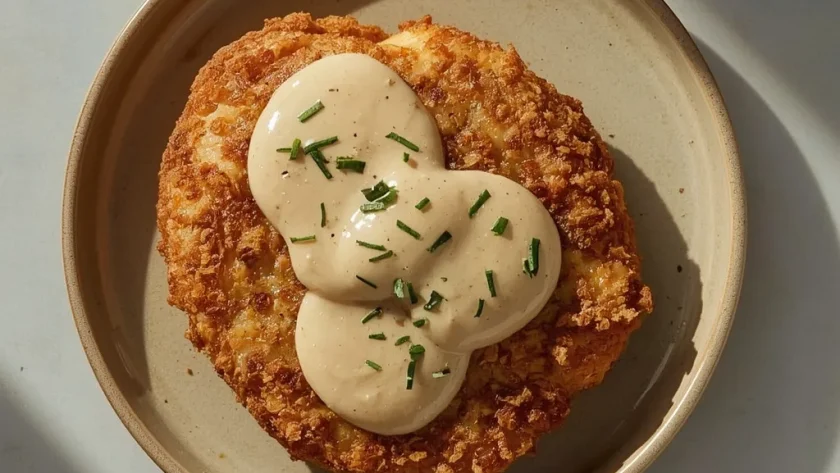
 This Texas Roadhouse Chicken Fried Sirloin copycat recipe delivers a tenderized steak with a thick, craggy crust and a rich, peppery cream gravy. It is the kind of hearty comfort food that turns a weeknight dinner into something special.
The whole process takes about 45 minutes from start to finish, making it accessible for a home cook with some stovetop experience. The trickiest part is maintaining the oil temperature for an even golden crust, but the step-by-step instructions here make it manageable.
Why You’ll Love This Recipe
- Authentic Crunch — The double-dredge method creates a thick, craggy coating that stays crispy even under the gravy.
- Juicy Interior — Pounding the sirloin to an even thickness ensures it cooks quickly without drying out.
- Rich, Peppery Gravy — The gravy uses pan drippings and heavy cream for a deeply savory, assertively seasoned finish.
What Makes This Recipe Special
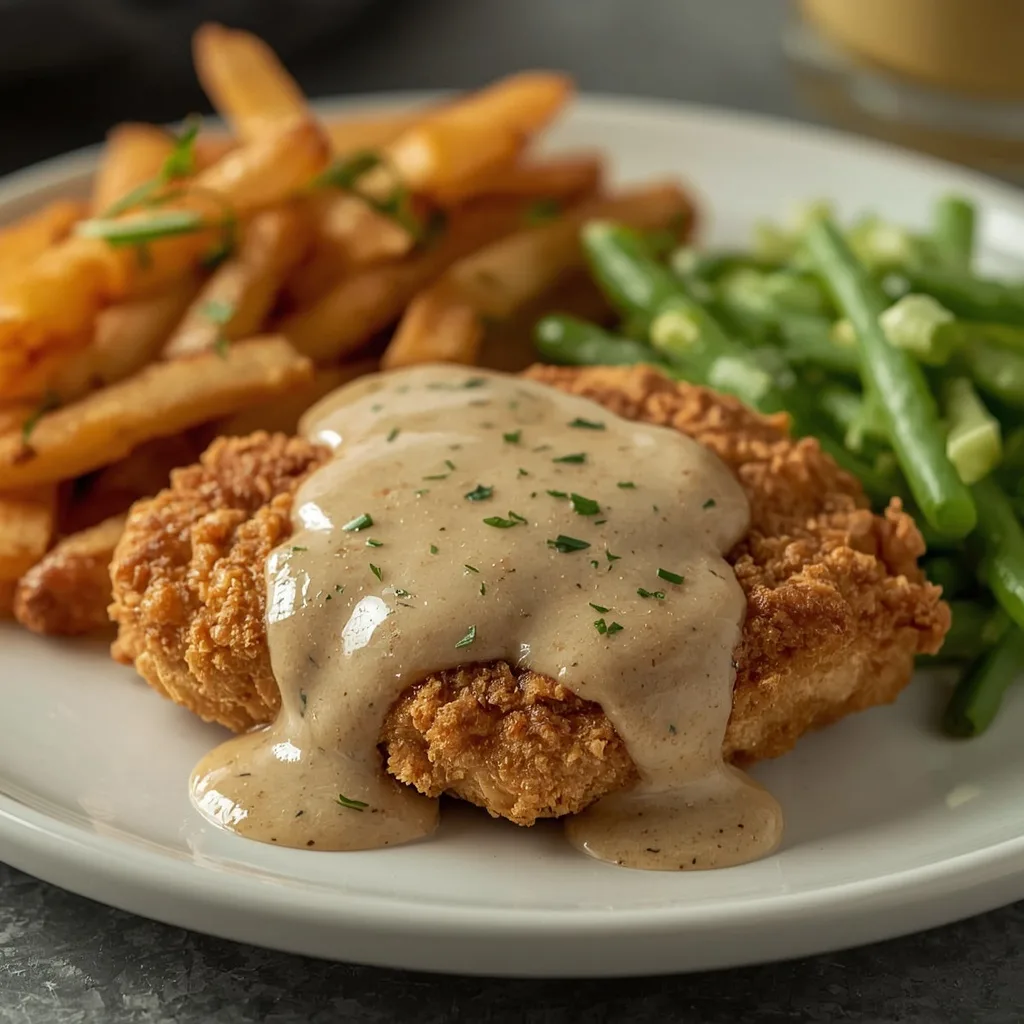
The defining feature here is the crust — a seasoned flour and breadcrumb blend applied in a double-dredge that traps steam and creates shatteringly crisp texture. The sirloin is pounded thin, which tenderizes the meat and allows it to cook through in the same time the crust turns golden. The gravy, made from the pan drippings with extra black pepper, ties everything together with a creamy, peppery punch.
Ingredients You’ll Need
Here is everything required to make the steaks and the gravy. Most are pantry staples.
For the Steaks
- 4 (6-ounce) sirloin steaks, each about 1/2 inch thick — Pounding them to 1/4 inch tenderizes the meat and ensures even cooking. Choose steaks with good marbling for best flavor.
- 1 1/2 cups all-purpose flour — Forms the base of the coating. No need for self-rising flour here.
- 1/2 cup plain breadcrumbs — Adds extra crunch and texture to the crust. Panko can work but will change the texture slightly.
- 2 teaspoons kosher salt, divided — One teaspoon seasons the steaks, the other goes into the flour mixture.
- 1 1/2 teaspoons freshly ground black pepper, divided — Three-quarters teaspoon seasons the steaks, the remaining goes into the flour and gravy.
- 1 teaspoon smoked paprika — Adds a subtle smoky depth to the coating.
- 1/2 teaspoon garlic powder — Provides a gentle savory note without overpowering the beef.
- 1/4 teaspoon cayenne pepper (optional for heat) — Adds a mild kick. Skip it if you prefer a milder crust.
- 2 large eggs — Binds the second layer of flour to the steak.
- 1/2 cup whole milk — Thins the egg wash so it coats evenly without clumping.
- 2 cups vegetable oil, for frying (about 1/2 inch deep) — Use a neutral oil with a high smoke point like canola or peanut oil.
For the Gravy
- 1/4 cup reserved pan drippings (or 1/4 cup butter) — The fond left in the skillet after frying provides deep beefy flavor. Butter works as a backup.
- 1/4 cup all-purpose flour — Thickens the gravy into a smooth, pourable consistency.
- 2 cups whole milk — Creates a rich, creamy base. Low-fat milk will work but yields a thinner gravy.
- 1/4 cup heavy cream — Adds richness and body that milk alone cannot provide.
- Kosher salt and black pepper to taste (for gravy) — The gravy should be assertively peppery, so season generously.
Equipment Needed
- Meat mallet or rolling pin — For pounding the steaks to an even 1/4-inch thickness. Plastic wrap prevents splatter.
- Large cast-iron skillet or heavy-bottomed skillet — Holds heat evenly and maintains oil temperature during frying. A Dutch oven also works.
- Wire rack set over a baking sheet — Essential for resting the breaded steaks before frying and draining them afterward. The rack keeps the crust from steaming.
- Fine-mesh strainer — For straining the hot oil to remove browned bits before making the gravy.
- Whisk — Necessary for making a lump-free gravy. A wooden spoon works but requires more effort.
Instructions to Prepare Texas Roadhouse Chicken Fried Sirloin
Follow these steps in order for the best results. Pay close attention to the breading and oil temperature.
- Tenderize the steaks — Place one steak between two sheets of plastic wrap. Pound evenly with the flat side of a meat mallet until 1/4 inch thick. Repeat with remaining steaks, then season both sides with 1 teaspoon salt and 3/4 teaspoon pepper.
- Prepare the breading station — In a shallow dish, combine 1 1/2 cups flour, 1/2 cup breadcrumbs, 1 teaspoon salt, 3/4 teaspoon pepper, smoked paprika, garlic powder, and cayenne. In a second dish, beat the eggs with 1/2 cup milk until smooth.
- Double-dredge each steak — Working one steak at a time, dredge in the flour mixture, pressing firmly. Shake off excess, dip into the egg wash, then return to the flour and press again to create a thick crust.
- Rest the breaded steaks — Place them on a wire rack over a baking sheet. Refrigerate uncovered for 10 to 15 minutes. This step helps the coating adhere during frying.
- Heat the oil — Pour oil into the skillet to a depth of 1/2 inch. Heat over medium-high until it shimmers and a pinch of flour sizzles immediately when dropped in.
- Fry the steaks — Carefully lower one steak into the hot oil. Fry for 3 to 4 minutes on the first side, until deep golden brown. Flip carefully and fry the second side for 2 to 3 minutes. The internal temperature should reach 145°F for medium-rare.
- Drain and keep warm — Transfer fried steaks to a clean wire rack over paper towels. Season immediately with a pinch of salt. Keep warm in a 200°F oven while making the gravy.
- Make the gravy — Pour the hot oil through a fine-mesh strainer, reserving 1/4 cup drippings back into the skillet. Whisk in 1/4 cup flour over medium heat for 2 to 3 minutes until sandy tan. Slowly whisk in 2 cups milk and 1/4 cup cream until thickened, about 4 to 5 minutes. Season with remaining 1/2 teaspoon pepper and 1/4 teaspoon salt.
Expert Tips for a Standout Texas Roadhouse Chicken Fried Sirloin
- Pound to uniform thickness — Uneven steaks cook at different rates, leaving some parts overdone and others undercooked. A consistent 1/4 inch ensures the meat is done exactly when the crust is golden.
- Chill the breaded steaks — The 10-minute rest in the fridge lets the coating set, which prevents it from sliding off in the hot oil. Do not skip this step.
- Check oil temperature visually — If the oil smokes, it is too hot. If the steak does not sizzle immediately on contact, the oil is not hot enough. A steady, vigorous sizzle throughout frying is the goal.
- Use a wire rack for draining — Paper towels alone trap steam and soften the crust. A rack allows air to circulate, keeping the coating crisp while excess oil drips away.
- Season gravy assertively — The gravy should be noticeably peppery. Taste and add more black pepper than you think is necessary — the peppercorns mellow slightly with heat.
- Work in batches — Crowding the pan drops the oil temperature, leading to greasy, less-crispy steaks. Fry one or two at a time depending on skillet size.
Common Mistakes to Avoid
- Overcrowding the skillet — Lowering too many steaks at once causes the oil temperature to plummet. The coating absorbs oil instead of crisping up.
- Skipping the resting step — Without the refrigerator rest, the breading can separate from the steak during frying, leaving bare patches.
- Using cold milk for the gravy — Cold milk added to hot drippings can cause the roux to seize and create lumps. Let the milk sit at room temperature for 10 minutes before using.
- Not seasoning the steaks before breading — Salt and pepper on the raw meat build flavor from the inside out. Relying solely on the seasoned flour results in a bland interior.
- Flipping the steak too early — The crust needs time to set and brown before being disturbed. Flipping too soon tears the coating away.
Variations & Ways to Customize Texas Roadhouse Chicken Fried Sirloin
- Spicy Crust — Increase the cayenne pepper to 1/2 teaspoon or add 1/4 teaspoon chipotle powder for a smoky heat. This pairs well with a cooler side like coleslaw.
- Herb-Infused Gravy — Stir in 1 tablespoon of fresh thyme or rosemary leaves into the gravy after it thickens. The herbs add an earthy layer that complements the beef.
- Buttermilk Marinade — Soak the pounded steaks in 1 cup buttermilk mixed with 1 teaspoon hot sauce for 30 minutes before breading. This tenderizes further and adds tang, similar to traditional chicken fried steak.
- Gluten-Free Adaptation — Substitute the all-purpose flour with a 1:1 gluten-free baking blend and use gluten-free breadcrumbs. The coating will be slightly less crisp but still satisfying.
- Lighter Gravy — Replace the heavy cream with an additional 1/4 cup whole milk and use 2 tablespoons of butter instead of pan drippings. The gravy will be thinner but still flavorful.
- Mushroom Gravy — Sauté 4 ounces of sliced cremini mushrooms in the pan drippings before adding the flour. This adds an earthy, umami-rich dimension to the sauce.
What to Serve With Texas Roadhouse Chicken Fried Sirloin
This dish is hefty on its own, so pair it with sides that balance richness and add freshness.
- Mashed potatoes — The creamy texture soaks up extra gravy perfectly. Russet or Yukon Gold potatoes work best for a fluffy mash.
- Steamed green beans — A bright, crisp vegetable side cuts through the richness of the steak and gravy. Toss with a little butter and salt.
- Texas toast — Thick slices of white bread, buttered and griddled, are ideal for sopping up leftover gravy. Use sourdough for extra tang.
- Coleslaw with vinegar dressing — A tangy, crunchy slaw provides contrast to the creamy, savory main dish. Avoid creamy coleslaw to prevent flavor overlap.
- Roasted corn on the cob — Sweet corn kernels charred in a hot skillet add a pop of color and sweetness that complements the peppery gravy.
- Iced tea or lemonade — Refreshing, tart drinks cut through the heaviness of the fried steak. Sweet tea is classic for a Texas-inspired meal.
Make-Ahead Instructions
- Bread the steaks early — Complete the double-dredge process up to 4 hours ahead. Keep the breaded steaks on a wire rack in the refrigerator, uncovered, until ready to fry.
- Prepare the gravy base — Make the roux (flour and drippings) and store it in a covered container in the fridge for up to 2 days. When ready to serve, reheat the roux in a skillet, then whisk in milk and cream.
- Pound the steaks in advance — Flatten the sirloins to 1/4 inch thickness up to 24 hours ahead. Wrap tightly in plastic wrap and refrigerate. Season just before breading.
- Pre-measure dry ingredients — Combine the flour, breadcrumbs, and seasonings in a sealed bag or container up to a week ahead. This cuts the prep time on cooking day significantly.
Storage and Reheating
Storage
- Refrigerate leftovers separately — Store the fried steaks and gravy in separate airtight containers. They maintain quality for up to 3 days in the refrigerator.
- Do not stack the steaks — Place a sheet of parchment paper between each steak in the container to prevent the crust from sticking and becoming soggy.
- Cool completely before sealing — Warm steaks release steam that softens the coating. Let them sit at room temperature for 15 minutes before refrigerating.
- Freezing is not recommended — The coating becomes unpleasantly soggy upon thawing, and the texture of the steak degrades significantly.
Reheating
- Oven method for crispiest results — Reheat steaks on a wire rack in a 350°F oven for 10 to 12 minutes. The rack keeps air circulating around the crust, restoring much of its original crunch.
- Stovetop for gravy — Reheat the gravy in a small saucepan over medium-low heat, whisking constantly. Add a splash of milk if it has thickened too much during refrigeration.
- Air fryer alternative — Place the steak in a single layer in the air fryer basket. Cook at 350°F for 5 to 7 minutes, flipping halfway. This method works well but may dry out the meat slightly.
- Avoid the microwave for steaks — Microwaving turns the coating rubbery and steaming. Use it only for the gravy in a pinch, but watch for splattering.
Nutritional Breakdown (Per Serving)
Based on 1 serving = 1 steak plus gravy.
- Calories: 748
- Protein: 43g
- Fat: 43g
- Carbohydrates: 45g
- Fiber: 2g
- Sugar: 7g
- Sodium: 980mg
Frequently Asked Questions
Can I use a different cut of beef for Texas Roadhouse Chicken Fried Sirloin?
Yes, you can substitute cube steak or top round. Just pound them to 1/4 inch thickness and adjust seasoning accordingly as cube steak is often pre-tenderized.
How do I keep the breading from falling off during frying?
Two things matter most: press the flour firmly into the steak during the second dredge, and refrigerate the breaded steaks for 10 to 15 minutes before frying. This sets the coating.
Can I make the gravy without pan drippings?
Absolutely. Use 1/4 cup of butter instead. Melt it in the skillet over medium heat, whisk in the flour, and proceed with the recipe. The flavor will be slightly less beefy but still delicious.
What oil temperature should I maintain for frying?
Aim for a steady 350°F if you have a thermometer. On a home stove, heat the oil until it shimmers and a pinch of flour sizzles vigorously on contact. Adjust the heat between batches to maintain this level.
Can I freeze Texas Roadhouse Chicken Fried Sirloin for later?
Freezing is not recommended. The coating becomes soggy upon thawing, and the texture of the steak degrades significantly. It is best enjoyed fresh.
How do I know when the steak is cooked through?
Use an instant-read thermometer inserted into the thickest part. 145°F indicates medium-rare. For well-done, cook to 160°F. Since the steak is thin and pounded evenly, visual cues also work — the meat should be opaque with no pink at the center.
Final Words
This Texas Roadhouse Chicken Fried Sirloin brings the steakhouse experience into your own kitchen with a crispy, well-seasoned crust and a creamy peppery gravy. The method is straightforward once you get the rhythm of the double-dredge and the oil temperature right. Give it a try for your next comfort food craving — it is well worth the effort.
More Recipes
- Longhorn Steakhouse Mac and Cheese
- Cream Cheese Mints
- Chilis Southwest Egg Rolls
- Wingstop Cajun Wings
- Chick-fil-A Spicy Chicken Sandwich
Texas Roadhouse Chicken Fried Sirloin
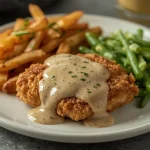
This iconic Texas Roadhouse copycat features a tenderized sirloin steak coated in a seasoned flour batter and pan-fried until golden and crispy. The rich, peppery cream gravy poured over the top delivers the ultimate comfort food experience, with a crunchy crust and juicy interior in every bite.
- Prep Time: 25
- Cook Time: 20
- Total Time: 45
- Yield: 4 1x
- Category: Main Course
- Method: Stovetop
- Cuisine: American
Ingredients
- 4 (6-ounce) sirloin steaks, each about 1/2 inch thick
- 1 1/2 cups all-purpose flour
- 1/2 cup plain breadcrumbs
- 2 teaspoons kosher salt, divided
- 1 1/2 teaspoons freshly ground black pepper, divided
- 1 teaspoon smoked paprika
- 1/2 teaspoon garlic powder
- 1/4 teaspoon cayenne pepper (optional for heat)
- 2 large eggs
- 1/2 cup whole milk, plus 2 cups for gravy
- 2 cups vegetable oil, for frying (about 1/2 inch deep)
- 1/4 cup reserved pan drippings (or 1/4 cup butter)
- 1/4 cup all-purpose flour (for gravy)
- 1/4 cup heavy cream
- Kosher salt and black pepper to taste (for gravy)
Instructions
- Place one sirloin steak between two sheets of plastic wrap. Using the flat side of a meat mallet or a rolling pin, pound the steak evenly until it is about 1/4 inch thick. This tenderizes the meat and ensures even cooking. Repeat with remaining steaks, then season both sides with 1 teaspoon kosher salt and 3/4 teaspoon black pepper.
- In a shallow dish, combine 1 1/2 cups all-purpose flour, 1/2 cup breadcrumbs, 1 teaspoon kosher salt, 3/4 teaspoon black pepper, smoked paprika, garlic powder, and cayenne. Whisk until evenly mixed. In a second shallow dish, beat the eggs with 1/2 cup whole milk until smooth. The milk thins the egg wash for better adherence.
- Working with one steak at a time, dredge it in the seasoned flour mixture, pressing firmly to coat both sides. Shake off excess, then dip into the egg wash, allowing excess to drip off. Return to the flour mixture and press again to create a thick, craggy crust. This double-dredge is essential for that signature crunchy coating.
- Place the breaded steaks on a wire rack set over a baking sheet. Refrigerate, uncovered, for 10 to 15 minutes. This helps the coating set and adhere during frying, preventing it from sliding off in the hot oil.
- Pour vegetable oil into a large cast-iron skillet or heavy-bottomed skillet to a depth of 1/2 inch. Heat over medium-high heat until the oil shimmers and a pinch of flour sizzles immediately when dropped in (about 350°F / 175°C on a deep-fry thermometer, though home stoves should use visual cues). Do not let the oil smoke.
- Carefully lower one steak into the hot oil. Fry for 3 to 4 minutes on the first side, until deep golden brown and the edges look lacquered. Use tongs to flip carefully — oil may splatter. Fry the second side for 2 to 3 minutes, until equally browned. The internal temperature of the steak should reach 145°F (63°C) for medium-rare (adjust for well-done: 160°F/71°C).
- Transfer the fried steak to a clean wire rack set over paper towels. Do not drain on paper towels alone — the rack keeps the crust crispy. Season immediately with a pinch of salt. Repeat with the remaining steaks, adjusting heat as needed to maintain a steady sizzle. Keep fried steaks warm in a 200°F / 93°C oven while making gravy.
- After all steaks are cooked, carefully pour the hot oil through a fine-mesh strainer into a heatproof bowl, leaving behind any browned bits (fond) in the skillet. Measure 1/4 cup of the drippings back into the skillet; discard or save the remaining oil for another use. If you don’t have enough drippings, supplement with butter.
- Place the skillet over medium heat. Add 1/4 cup all-purpose flour to the drippings and whisk continuously for 2 to 3 minutes, until the roux turns a sandy tan color. This cooks out the raw flour taste and forms the base for a smooth gravy.
- Slowly pour in 2 cups whole milk while whisking vigorously to prevent lumps. Add 1/4 cup heavy cream and continue to whisk until the gravy comes to a gentle simmer and thickens, about 4 to 5 minutes. The gravy should coat the back of a spoon — if too thick, thin with a splash of milk.
- Season the gravy with the remaining 1/2 teaspoon black pepper and 1/4 teaspoon kosher salt, or to taste. For an authentic Texas Roadhouse flavor, add an extra pinch of black pepper, as the gravy should be assertively peppery. Taste and adjust seasoning.
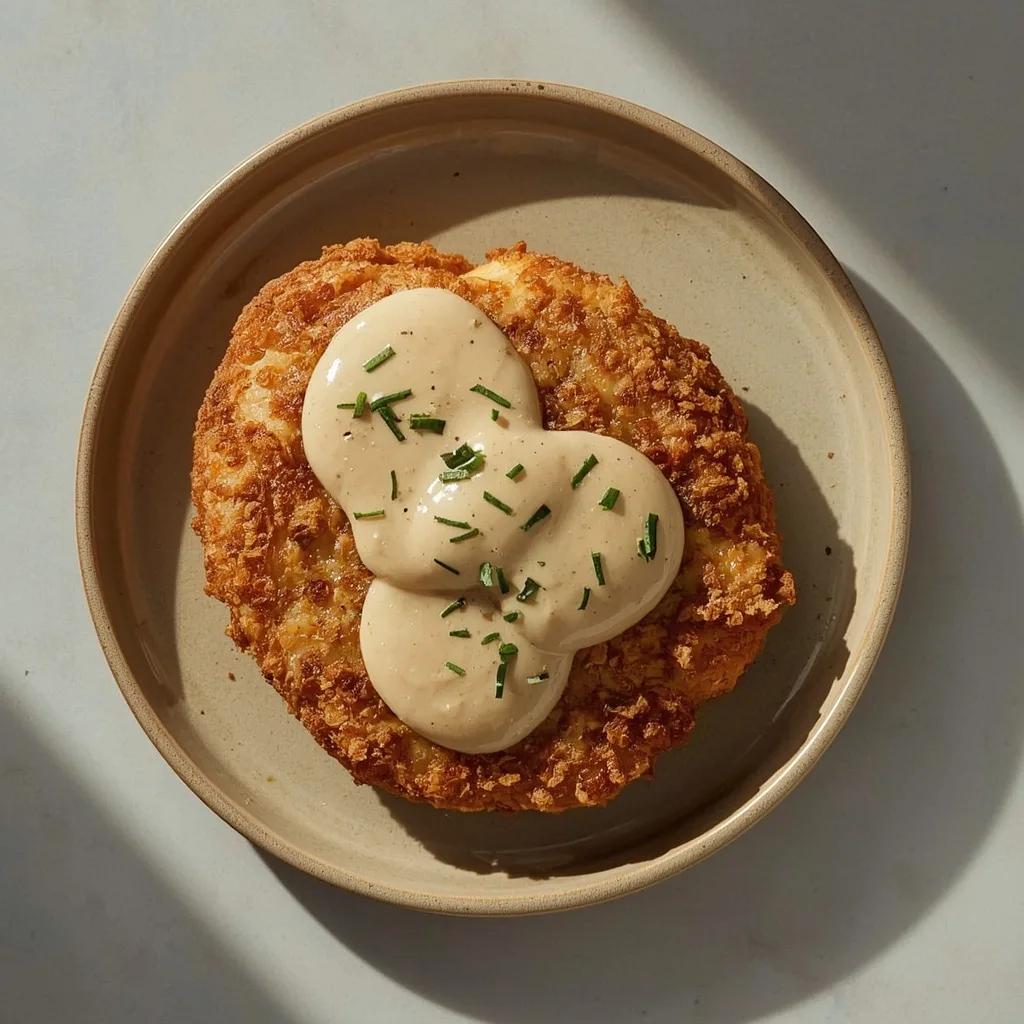
- To serve, place one chicken fried steak on a warm plate and ladle a generous amount of cream gravy over the top. Serve immediately with mashed potatoes, steamed green beans, or Texas toast. The gravy will soak into the crust slightly but should remain distinct and glossy.
Notes
Storage: Refrigerate leftover fried steaks and gravy separately in airtight containers for up to 3 days. Reheating: For best results, reheat steaks in a 350°F / 177°C oven on a wire rack for 10 to 12 minutes to restore crispness. Reheat gravy in a small saucepan over medium-low heat, whisking in a splash of milk if needed. Not recommended for freezing, as the coating becomes soggy upon thawing.
Nutrition
- Calories: 748
- Sugar: 7g
- Sodium: 980mg
- Saturated Fat: 15g
- Carbohydrates: 45g
- Fiber: 2g
- Protein: 43g
- Cholesterol: 210mg
Keywords: chicken fried steak, Texas Roadhouse copycat, country fried steak, pan-fried steak, sirloin recipe, cream gravy, southern comfort food, steak and gravy, crispy steak, cowboy dinner