 Kendric adan
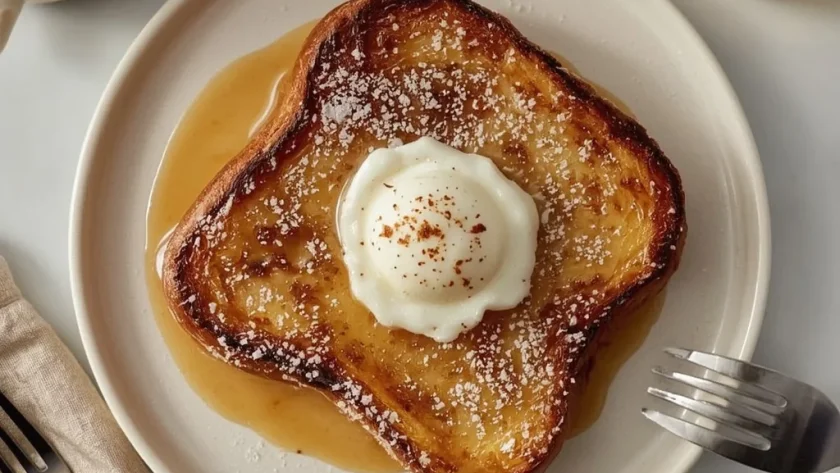
 If you’ve ever craved that thick, fluffy, and perfectly golden breakfast from the famous roadside restaurant, this Cracker Barrel French Toast is about to become your new weekend ritual. It’s a Belgian-style twist on the classic, featuring a custardy center, crisp buttery edges, and a whisper of vanilla and cinnamon in every bite.
You can have this decadent breakfast on the table in just 30 minutes from start to finish, and it’s surprisingly beginner-friendly. The only step that needs a little attention is getting the custard soak just right, but I’ll walk you through exactly how to nail it every single time.
Why You’ll Love This Recipe
- Restaurant Quality at Home — You get that iconic Cracker Barrel flavor without leaving your kitchen or waiting for a table.
- Perfect Texture Contrast — The outside crisps up beautifully while the inside stays soft, creamy, and almost pudding-like.
- Simple Pantry Ingredients — Everything you need is probably already sitting in your fridge and pantry right now.
What Makes This Recipe Special
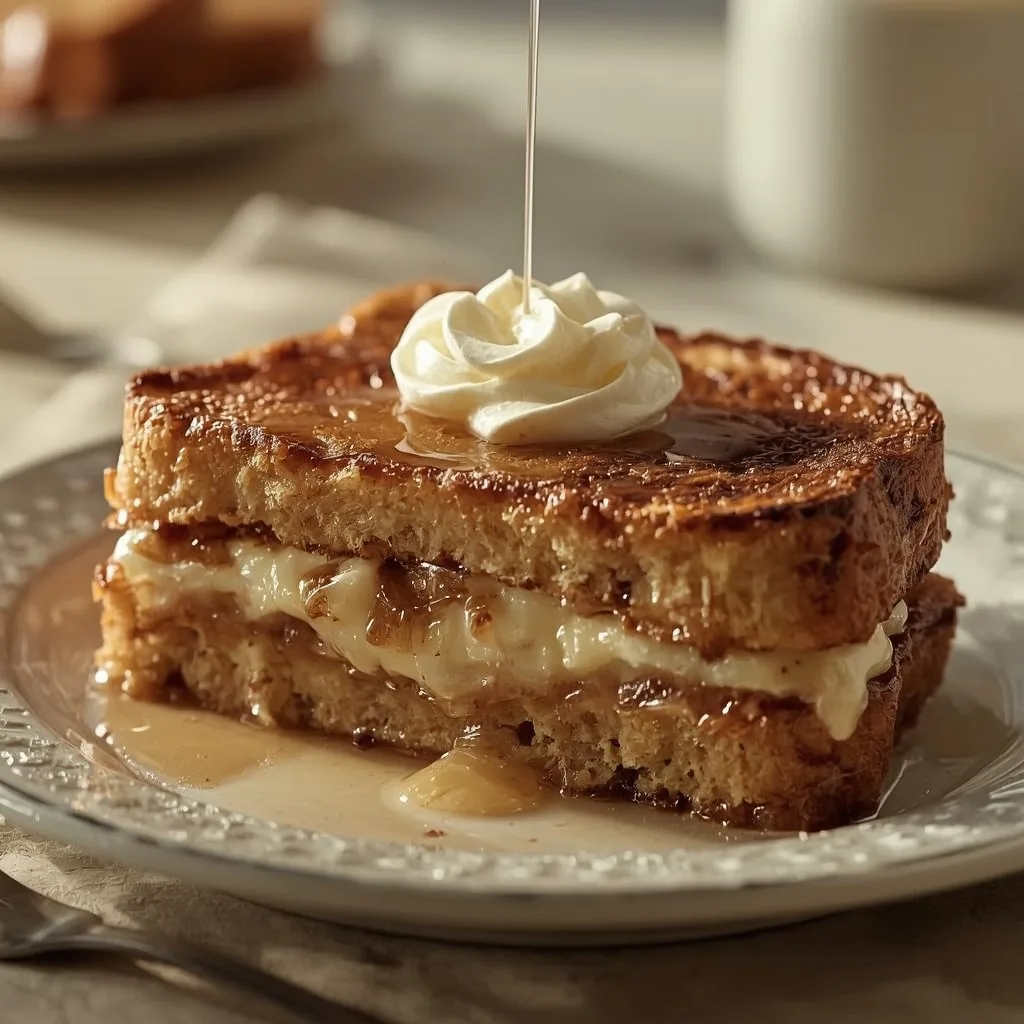
The secret here is the thick-cut bread and the carefully balanced custard. While most French toast recipes rely on just egg and milk, this one adds sugar, vanilla, cinnamon, and nutmeg to create a flavor profile that’s warm and comforting, not just eggy. Each slice comes out with a golden-brown exterior that gives way to a tender, almost custard-like center — the kind of texture that soaks up maple syrup perfectly. This is the kind of breakfast that feels special enough for a holiday morning but simple enough for any lazy Sunday.
Ingredients You’ll Need
Here’s everything you need to gather before you start cooking. These are all straightforward ingredients, but the quality of your bread matters most.
Core Ingredients
- 8 slices thick-cut sourdough or brioche bread (1-inch thick, preferably day-old) — This is the backbone of the dish. Day-old bread has slightly less moisture, which means it absorbs the custard without turning to mush.
- 4 large eggs — These create the rich custard base that gives the french toast its structure and protein.
- 1 cup whole milk — Whole milk adds richness that lower-fat options just can’t match. The fat content helps create that tender, creamy interior.
- 1/4 cup granulated sugar — This sweetens the custard and helps the outside caramelize to a beautiful golden brown.
- 1 tbsp vanilla extract — Pure vanilla adds that warm, aromatic depth that makes this taste like a bakery treat.
- 1 tsp ground cinnamon — A classic warm spice that pairs perfectly with the vanilla and brings that cozy breakfast flavor.
- 1/4 tsp ground nutmeg — Just a small amount adds a subtle nutty warmth that elevates the whole dish without overpowering it.
- 1/4 tsp fine sea salt — A pinch of salt balances the sweetness and enhances all the other flavors.
For Cooking and Serving
- 1/4 cup unsalted butter, for the griddle (plus more for serving) — Butter is essential for that golden, crispy exterior. You’ll use it in batches, so having extra on hand for serving is a must.
- Pure maple syrup, for serving — The real stuff makes all the difference. Its deep, woodsy sweetness is the perfect counterpoint to the rich custard.
- Powdered sugar, for dusting (optional) — A light dusting adds a pretty finish and a touch of extra sweetness right before serving.
Equipment Needed
You probably own most of what you need for this recipe. Here’s the essential gear and what to use if you’re improvising.
- Large, shallow dish or pie plate — This is your custard bath. The wide surface area makes it easy to dip slices evenly without bending or breaking them.
- Large griddle or nonstick skillet — A griddle lets you cook more slices at once, but a large skillet works great too. Just make sure it’s big enough to leave space between slices.
- Thin spatula — This is crucial for flipping. A thin, flexible metal or silicone spatula slides under the toast without crushing the soft custard center.
- Wire rack over a baking sheet — This keeps cooked batches warm in the oven without letting the bottoms get soggy from trapped steam.
- Measuring cups and spoons — Because the custard ratio matters. Too much milk and the bread falls apart; not enough and it’s too eggy.
Instructions to Prepare Cracker Barrel French Toast
Follow these steps in order and you’ll have golden, fluffy perfection. The process moves quickly once you start cooking, so have everything ready before you heat the pan.
- Mix the Custard — In a large, shallow dish or pie plate, whisk together the eggs, milk, sugar, vanilla extract, cinnamon, nutmeg, and salt until the mixture is completely smooth. Make sure the sugar is fully dissolved, otherwise you’ll get uneven caramelization.
- Prep the Bread — Slice your bread into 1-inch thick pieces. If using a fresh loaf, let the slices sit out on a wire rack for 30–60 minutes to dry slightly; this helps the custard absorb without the bread turning soggy.
- Heat the Griddle — Heat a large griddle or nonstick skillet over medium heat. Add 1–2 tablespoons of butter and swirl to coat the surface; the butter should foam and sizzle but not brown.
- Soak the Bread — Dip each bread slice into the custard mixture for about 15 seconds per side, or until fully saturated but not falling apart. The center should feel slightly heavy but the bread should still hold its shape. Allow excess custard to drip off.
- Cook the First Batch — Place the soaked bread slices onto the heated griddle, being careful not to overcrowd the pan. Work in batches, adding more butter as needed between batches.
- Flip and Finish — Cook the French toast for 3–4 minutes per side over medium heat, until the bottom is golden brown and the edges look set. Flip using a thin spatula, then cook another 3–4 minutes until the second side is equally browned and the inside is fully cooked through. The toast should feel firm and spring back when gently pressed.
- Adjust Heat If Needed — Lower the heat to medium-low if the bread browns too quickly before the custard inside is set, to prevent a raw eggy center.
- Keep Warm — Transfer the cooked French toast to a warm oven (200°F) on a wire rack set over a baking sheet to keep warm while you cook remaining batches.
- Repeat with Remaining Slices — Repeat with the remaining bread slices, adding more butter to the griddle as needed and allowing it to melt and foam before adding the next batch.
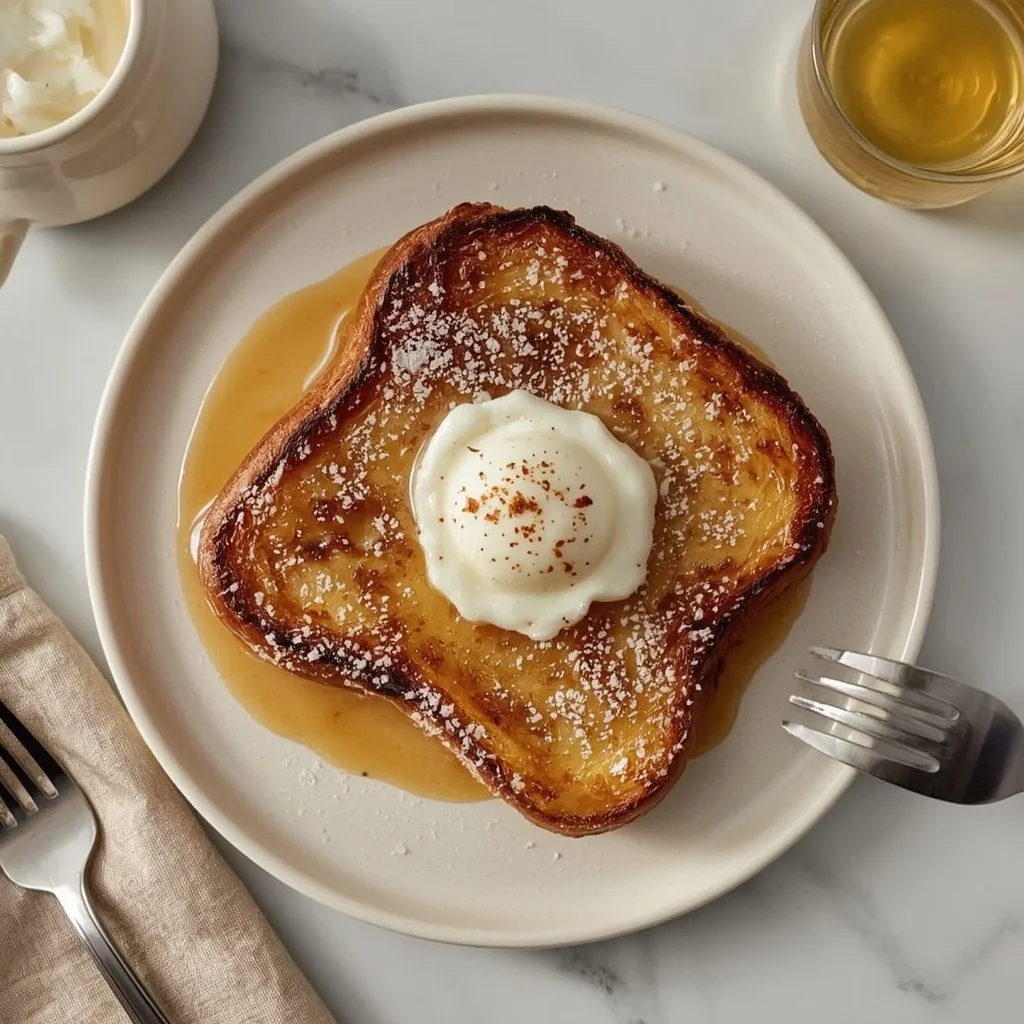
- Serve Immediately — Serve right away with a pat of butter, warm pure maple syrup, and a dusting of powdered sugar if desired.
Expert Tips for a Standout Cracker Barrel French Toast
These are the small details that separate good french toast from exceptional french toast. I’ve learned these through plenty of trial and error.
- Day-Old Bread Is Your Best Friend — Stale bread absorbs custard more evenly and holds its shape better. If your bread is fresh, just let it sit out on a counter for an hour or two.
- Whisk the Custard Thoroughly — The sugar needs to fully dissolve. Whisk for a full minute; you shouldn’t feel any graininess when you rub a bit between your fingers.
- Don’t Rush the Soak — Fifteen seconds per side is the sweet spot. Too little and the center will be dry; too long and the bread disintegrates into the pan.
- Let Excess Custard Drip Off — A quick pause after dipping lets the excess run off, preventing pools of uncooked custard on your griddle that burn and stick.
- Medium Heat Is the Goldilocks Zone — Too hot and you’ll have burnt exteriors with raw centers. Too low and the toast turns tough and leathery instead of crisp.
- Test with a Gentle Press — Press the center of a slice with your finger. When it springs back and feels firm, the custard is fully set and ready to serve.
Common Mistakes to Avoid
We’ve all had a french toast fail at some point. Here are the most frequent pitfalls and how to steer clear of them.
- Using Fresh, Thin Bread — Thin sandwich bread turns to mush in the custard and cooks up soggy. You need thick, sturdy slices to get that signature texture.
- Overcrowding the Pan — Too many slices at once lowers the pan temperature and steams the toast instead of crisping it. Leave space between each slice.
- Skipping the Salt — That small 1/4 teaspoon might seem optional, but salt brightens all the other flavors and prevents the dish from tasting flat or one-dimensional.
- Rushing the Custard Mix — If the sugar isn’t dissolved, you’ll get grainy spots that burn before the rest of the toast is cooked. Whisk until truly smooth.
- Flipping Too Early — Patience pays off here. Wait the full 3–4 minutes so the bottom develops a proper golden crust. If it sticks to the spatula, it’s not ready.
- Forgetting to Re-Butter the Pan — Each batch needs fresh butter. The first batch removes most of it, and without more, the subsequent slices will stick and brown unevenly.
Variations & Ways to Customize Cracker Barrel French Toast
Once you’ve mastered the basic recipe, these fun twists keep things exciting. Each one is simple to make without altering the core technique.
- Berry Compote Topping — Simmer a cup of mixed berries with a tablespoon of sugar and a squeeze of lemon for five minutes. Spoon it warm over the top.
- Bananas Foster Style — Cook sliced bananas in butter, brown sugar, and a splash of rum or vanilla until caramelized, then pile them onto the finished toast.
- Chocolate Hazelnut Spread — Spread a thin layer of chocolate hazelnut spread between two slices before dipping. It melts into the custard as it cooks.
- Lemon Ricotta Version — Whisk a tablespoon of lemon zest and a 1/4 cup of ricotta into the custard mixture for a fresh, creamy twist.
- Pecan Crunch Coating — After dipping, press each slice into finely chopped pecans before hitting the griddle. The nuts toast alongside the bread for extra crunch.
- Overnight Oats on the Side — Top the finished french toast with a scoop of creamy overnight oats and a drizzle of honey for a hearty breakfast bowl vibe.
What to Serve With Cracker Barrel French Toast
This dish is hearty enough to stand alone, but it also pairs beautifully with other breakfast favorites. Here’s what complements it best.
- Crispy Bacon — The salty, smoky crunch of bacon cuts through the sweet richness of the custard beautifully.
- Fresh Fruit Salad — Bright, acidic berries and citrus provide a refreshing contrast to the buttery toast.
- Scrambled Eggs — Soft, fluffy eggs add protein and balance out the sweetness for a complete breakfast.
- Sausage Links — A classic savory companion that makes this feel like a full diner breakfast at home.
- Whipped Cream — A dollop of lightly sweetened whipped cream adds a pillowy richness that takes this over the top.
Make-Ahead Instructions
Weekend mornings can be hectic. These make-ahead strategies let you enjoy this meal without the morning rush.
- Overnight Soak — Assemble the soaked bread slices on a parchment-lined baking sheet, cover with plastic wrap, and refrigerate overnight. Cook them fresh in the morning.
- Mix the Custard Early — The custard mixture can be whisked up to 24 hours in advance and stored in an airtight container in the fridge. Just whisk again before dipping.
- Prep the Bread Ahead — Slice and dry your bread the day before. Leave the slices on a wire rack on the counter overnight, and they’ll be perfectly stale by morning.
- Cook and Reheat Batch — Cook a full batch on the weekend, cool completely, and reheat slices individually in a toaster or skillet for busy weekday breakfasts.
Storage and Reheating
Leftover french toast stores surprisingly well if you handle it right. Here’s how to keep it fresh and bring it back to life.
Storage
- Refrigerator — Keep leftover French toast in an airtight container in the refrigerator for up to 3 days. Place parchment paper between layers to prevent sticking.
- Freezer Method — Arrange pieces in a single layer on a baking sheet, freeze until solid (about 2 hours), then transfer to a zip-top freezer bag and freeze for up to 3 months.
- Cool Before Storing — Never seal warm french toast in a container. Let it cool on a wire rack first, or condensation will make it soggy.
Reheating
- Toaster or Skillet — For fridge leftovers, warm in a toaster or in a nonstick skillet over medium heat for 2–3 minutes per side until heated through. This restores the crisp exterior.
- Oven — For frozen french toast, reheat directly from frozen in a 350°F oven for 10–12 minutes, flipping halfway. This method works best for larger batches.
- Air Fryer — Warm frozen slices in the air fryer at 350°F for 4–5 minutes, flipping once. The rapid air circulation brings back the crunch perfectly.
- Microwave (Last Resort) — This works for a quick fix but will soften the crisp exterior. Microwave on high for 30–45 seconds per slice in 15-second intervals.
Nutritional Breakdown (Per Serving)
Based on 1 serving being roughly 2 slices (4 total servings per recipe). These numbers reflect the full recipe as written, including butter used for the griddle but not additional butter for serving.
- Calories — 582 per serving
- Protein — about 16g
- Fat — 34g
- Carbohydrates — around 50g
- Fiber — close to 3g
- Sugar — 18g
- Sodium — roughly 545mg
Frequently Asked Questions
Can I freeze Cracker Barrel French Toast?
Absolutely. Freeze the cooked slices in a single layer on a baking sheet until solid, then transfer to a zip-top freezer bag. They’ll keep well for up to 3 months, and you can reheat them straight from frozen in a toaster or oven.
What’s the best bread for this Cracker Barrel French Toast recipe?
Thick-cut sourdough or brioche works best. Both have enough structure to hold up to the custard soak without falling apart, and their slightly sweet or tangy flavors complement the custard beautifully. Day-old bread is ideal.
Why is my french toast soggy in the middle?
That usually means either the bread was too thin, the soak was too long, or your pan wasn’t hot enough. Make sure you’re using 1-inch thick bread, dipping for only 15 seconds per side, and cooking over medium heat so the custard sets before the outside burns.
How long does Cracker Barrel French Toast last in the fridge?
Cooked french toast keeps for up to 3 days in an airtight container in the refrigerator. For best results, reheat it in a toaster or skillet to bring back that crisp exterior.
Can I use plant-based milk instead of whole milk?
Yes, but the texture will differ slightly. Oat milk is the closest substitute because of its creaminess. Although, keep in mind the custard may be a bit lighter and less rich than with whole milk.
More Recipes
Final Words
This Cracker Barrel French Toast recipe delivers everything you love about the restaurant version — thick, custardy slices with crisp golden edges and warm spiced flavor. Whether it’s a slow Saturday morning or a holiday brunch with family, this is the kind of breakfast that makes everyone linger at the table a little longer.
Give it a try this weekend and taste the difference a good custard soak makes. You might never order french toast out again once you see how easy it is to make it this good at home.
PrintCracker Barrel French Toast
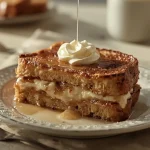
This belgian-style French toast boasts a thick, fluffy custard center and a perfectly golden, buttery- crisp exterior, with a warm hint of vanilla and cinnamon. It’s a decadent breakfast that delivers the comforting flavor of Cracker Barrel’s classic right at home.
- Prep Time: 10
- Cook Time: 20
- Total Time: 30
- Yield: 4 1x
- Category: Breakfast
- Method: Stovetop
- Cuisine: American
Ingredients
- 8 slices thick-cut sourdough or brioche bread (1-inch thick, preferably day-old)
- 4 large eggs
- 1 cup whole milk
- 1/4 cup granulated sugar
- 1 tbsp vanilla extract
- 1 tsp ground cinnamon
- 1/4 tsp ground nutmeg
- 1/4 tsp fine sea salt
- 1/4 cup unsalted butter, for the griddle (plus more for serving)
- Pure maple syrup, for serving
- Powdered sugar, for dusting (optional)
Instructions
- In a large, shallow dish or pie plate, whisk together the eggs, milk, sugar, vanilla extract, cinnamon, nutmeg, and salt until the mixture is completely smooth. The sugar should be fully dissolved to ensure even caramelization during cooking.
- Slice your bread into 1-inch thick pieces. If using a fresh loaf, let the slices sit out on a wire rack for 30–60 minutes to dry slightly; this helps the custard absorb without the bread turning soggy.
- Heat a large griddle or nonstick skillet over medium heat. Add 1–2 tablespoons of butter and swirl to coat the surface; the butter should foam and sizzle but not brown.
- Dip each bread slice into the custard mixture for about 15 seconds per side, or until fully saturated but not falling apart. The center should feel slightly heavy but the bread should still hold its shape. Allow excess custard to drip off.
- Place the soaked bread slices onto the heated griddle, being careful not to overcrowd the pan. Work in batches, adding more butter as needed between batches.
- Cook the French toast for 3–4 minutes per side over medium heat, until the bottom is golden brown and the edges look set. Flip using a thin spatula, then cook another 3–4 minutes until the second side is equally browned and the inside is fully cooked through—the toast should feel firm and spring back when gently pressed.
- Lower the heat to medium-low if the bread browns too quickly before the custard inside is set, to prevent a raw eggy center.
- Transfer the cooked French toast to a warm oven (200°F / 95°C) on a wire rack set over a baking sheet to keep warm while you cook remaining batches.
- Repeat with the remaining bread slices, adding more butter to the griddle as needed and allowing it to melt and foam before adding the next batch.
- Serve immediately with a pat of butter, warm pure maple syrup, and a dusting of powdered sugar if desired.
Notes
To store: keep leftover French toast in an airtight container in the refrigerator for up to 3 days. To freeze: arrange pieces in a single layer on a baking sheet, freeze until solid (about 2 hours), then transfer to a zip-top freezer bag and freeze for up to 3 months. To reheat: for fridge leftovers, warm in a toaster or in a nonstick skillet over medium heat for 2–3 minutes per side until heated through. For frozen, reheat directly from frozen in a toaster, or in a 350°F / 175°C oven for 10–12 minutes, flipping halfway.
Nutrition
- Calories: 582
- Sugar: 18g
- Sodium: 545mg
- Unsaturated Fat: 16g
- Carbohydrates: 50g
- Fiber: 3g
- Protein: 16g
- Cholesterol: 285mg
Keywords: Cracker Barrel French Toast, French toast, Belgian French toast, thick-cut French toast, breakfast, brunch, cinnamon French toast, vanilla French toast, griddle French toast, copycat Cracker Barrel, sourdough French toast, eggy bread, weekend breakfast