 Kendric adan
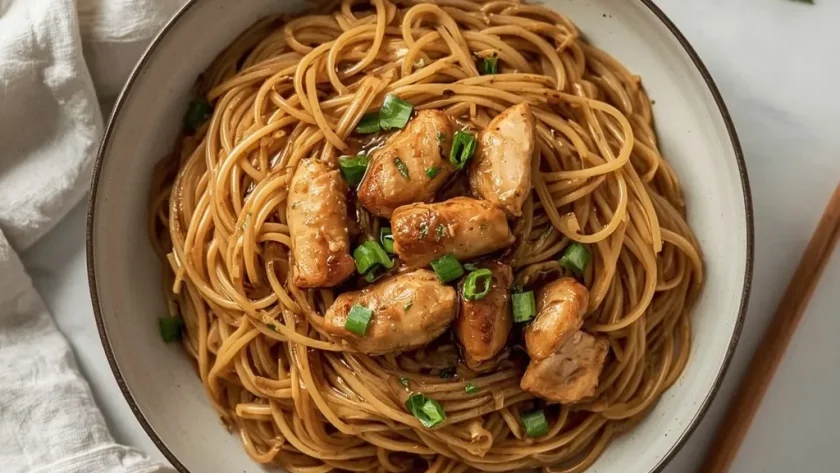
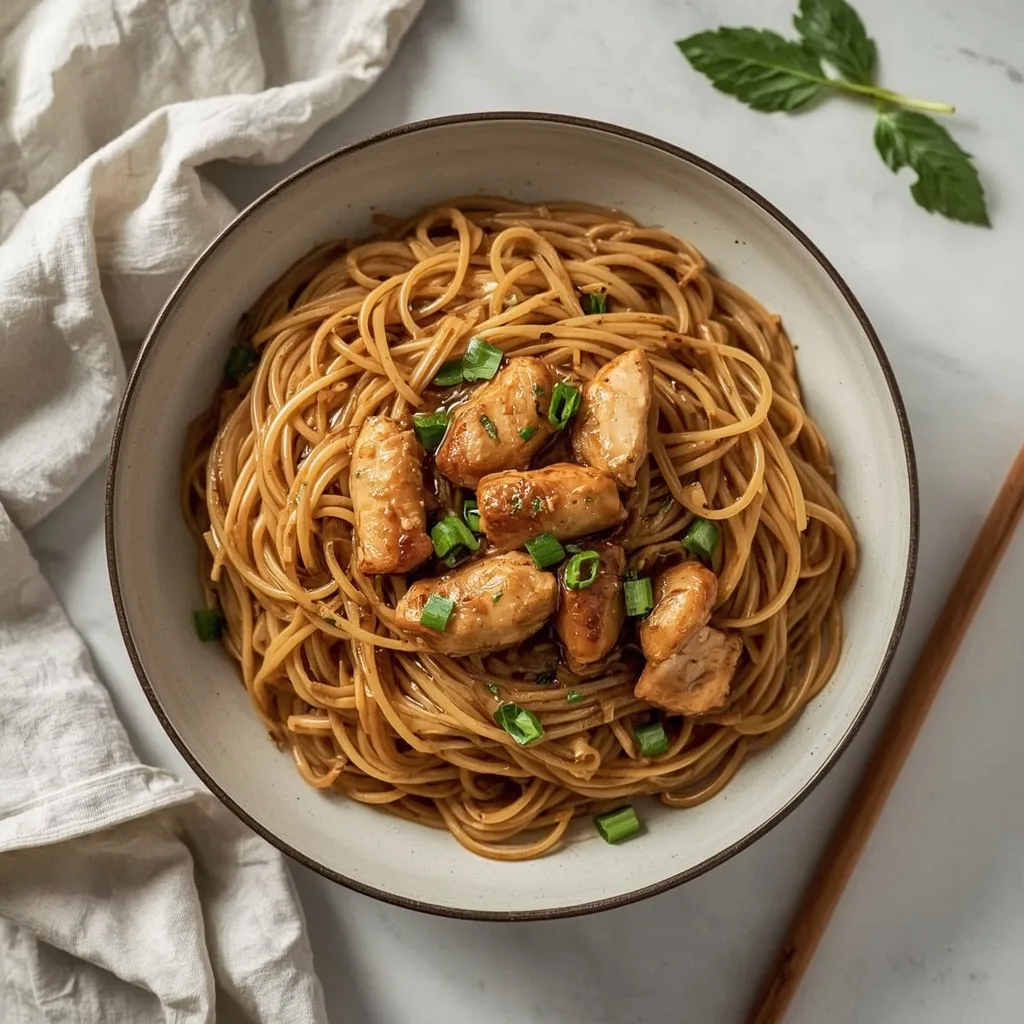
 This Easy Chicken Lo Mein No Vegetables is a straightforward stir-fry that focuses on tender chicken and chewy noodles coated in a rich, savory sauce. It is a satisfying weeknight dinner that comes together quickly with minimal fuss.
The entire dish takes about 25 minutes from start to finish and is beginner-friendly. The key step is cooking the noodles to al dente and searing the chicken properly to prevent it from becoming tough.
Why You’ll Love This Recipe
- Quick Cooking — Dinner is on the table in under 30 minutes, making it perfect for busy weeknights.
- Simple Ingredients — You need just a handful of pantry staples and fresh chicken, with no long list of specialty items.
- Pure Flavor Focus — Without vegetables, the umami-packed sauce and tender chicken take center stage for a comforting, no-distraction meal.
What Makes This Recipe Special
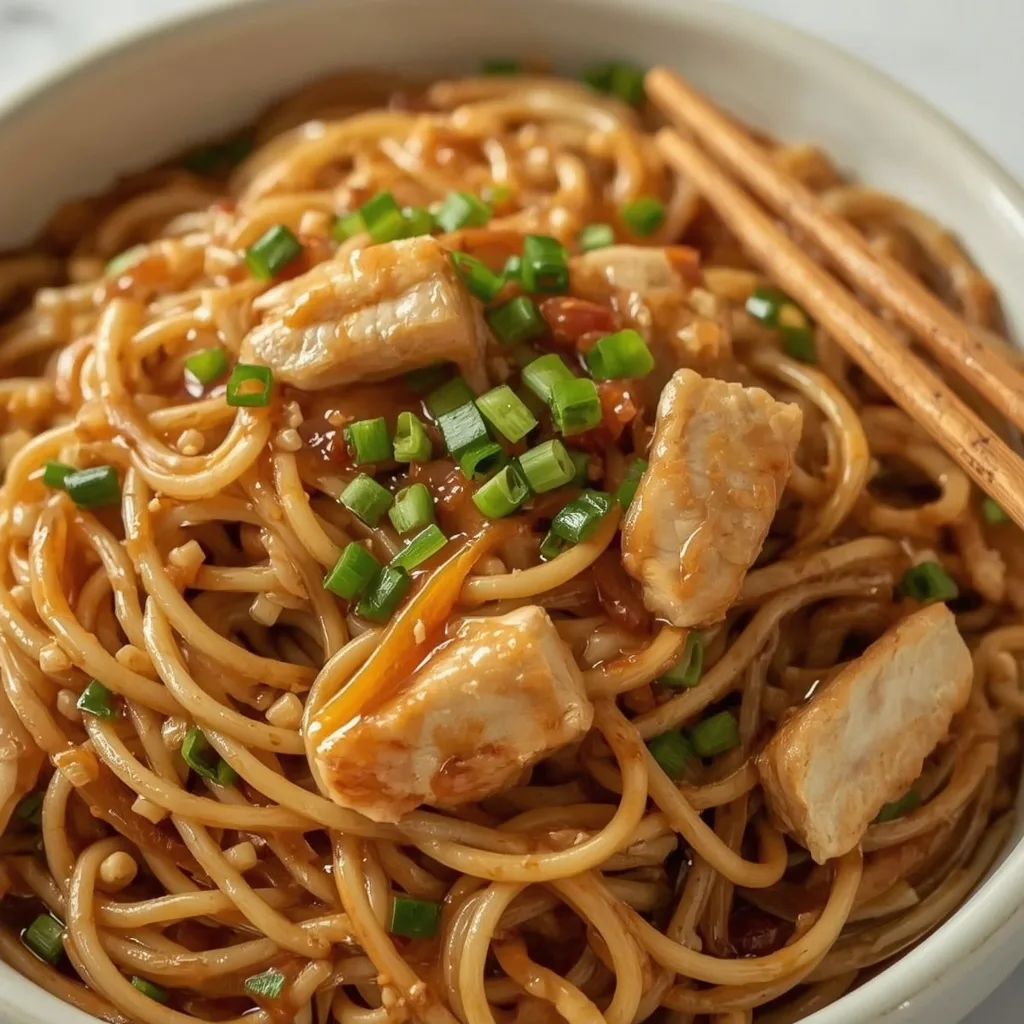
This dish relies on a balanced combination of soy sauces, oyster sauce, and sesame oil to create a glossy, savory coating that clings to every noodle. The chicken gets a quick cornstarch marinade that helps it brown beautifully and stay juicy inside. The texture is chewy from the lo mein noodles and tender from the chicken, with a rich, slightly sweet-savory finish. It is ideal for a simple, satisfying dinner any night of the week.
Ingredients You’ll Need
Here is the complete list of ingredients you will need for this recipe. I have organized them by category for easy shopping and prep.
For the Noodles and Chicken
- 8 oz (225g) dried lo mein egg noodles or 12 oz fresh lo mein noodles — These provide the chewy base. Dried noodles work perfectly; just cook them until al dente. Fresh noodles are a great shortcut if available.
- 1 lb (454g) boneless skinless chicken breast, thinly sliced into 1/4-inch strips — The protein for the dish. Slicing against the grain ensures tenderness.
- 2 tbsp cornstarch — Coats the chicken for browning and helps thicken the final sauce slightly.
- 1/4 cup low-sodium soy sauce — Divided; part goes into the chicken marinade, the rest into the sauce for saltiness and umami.
- 1/2 tsp ground white pepper — Adds a mild, earthy heat without the black specks of black pepper.
For the Sauce
- 2 tbsp dark soy sauce — Provides a deeper color and richer flavor than regular soy sauce. It is not just for color — it adds complexity.
- 2 tbsp oyster sauce — Gives the sauce a savory, slightly sweet backbone essential for authentic lo mein flavor.
- 1 tbsp brown sugar, packed — Balances the saltiness with a touch of sweetness and helps the sauce caramelize slightly on the noodles.
- 1 tsp toasted sesame oil — A finishing oil that adds nutty aroma. Use it in the sauce, not for cooking.
For Stir-Frying and Garnish
- 2 tbsp vegetable oil, divided — A neutral oil with a high smoke point for searing the chicken and stir-frying.
- 4 cloves garlic, minced — Aromatic base that infuses the oil with flavor. Mince finely for even distribution.
- 1 tbsp fresh ginger, finely grated — Adds a warm, spicy note that complements the soy sauce. Grate on a microplane for best results.
- 1/4 cup low-sodium chicken broth — Used for deglazing the wok and adding moisture to the sauce without making it watery.
- 2 green onions, thinly sliced for garnish (optional) — A fresh, mild onion flavor and visual pop. Omit if you prefer a pure noodle-only dish.
Equipment Needed
- Wok or Large Nonstick Skillet — A wok provides high heat and plenty of space for tossing. A large nonstick skillet works just as well for this recipe.
- Large Pot — For boiling the noodles. A 4-quart or larger pot is sufficient.
- Wooden Spatula or Heatproof Spatula — For deglazing the wok without scratching the surface. A thin metal spatula also works with a wok.
- Tongs — Essential for tossing the noodles and chicken together without breaking them apart.
- Small Bowl — For mixing the sauce in advance. A measuring cup works too.
Instructions to Prepare Easy Chicken Lo Mein No Vegetables
The process moves quickly once you start, so have all ingredients prepped and measured before you begin. Here are the exact steps.
- Cook the Noodles — Bring a large pot of water to a rolling boil. Add the dried lo mein noodles and cook according to package directions until just al dente — about 4-5 minutes. Drain and rinse under cold water to stop cooking, then toss with 1 teaspoon of the vegetable oil to prevent sticking.
- Marinate the Chicken — In a medium bowl, toss the sliced chicken with the cornstarch, 1 tablespoon of the low-sodium soy sauce, and the white pepper until evenly coated. Let it rest for 5 minutes — the cornstarch helps the chicken brown beautifully and thickens the sauce slightly.
- Make the Sauce — In a small bowl, whisk together the remaining 3 tablespoons low-sodium soy sauce, dark soy sauce, oyster sauce, brown sugar, and toasted sesame oil. Set this sauce mixture aside — the dark soy adds both color and depth.
- Sear the Chicken — Heat a wok or large nonstick skillet over high heat until a drop of water evaporates instantly. Add 1 tablespoon of vegetable oil and swirl to coat. Carefully add the chicken strips in a single layer (work in batches if necessary to avoid crowding) and sear without moving for 1 minute.
- Cook the Chicken Through — Stir-fry the chicken strips, flipping often, until golden brown and cooked through, about 3-4 minutes total. The internal temperature should reach 165°F / 74°C. Transfer the chicken to a clean plate and set aside.
- Sauté Aromatics — Reduce heat to medium-high and add the remaining 1 tablespoon vegetable oil to the wok. Add the minced garlic and grated ginger, stirring constantly for 15-20 seconds until fragrant but not brown — burnt garlic will turn bitter.
- Deglaze the Wok — Pour in the chicken broth and scrape up any brown bits from the bottom of the wok with a wooden spatula — this deglazing captures all that flavor. Let it simmer for 30 seconds.
- Add Noodles and Sauce — Add the cooked noodles to the wok, then pour the reserved sauce over them. Toss and stir constantly with tongs for 1-2 minutes until the noodles are evenly coated and heated through.
- Combine and Finish — Return the cooked chicken to the wok, tossing everything together for another 30 seconds. The sauce should cling to the noodles and chicken — if too dry, add a splash more broth or water (1 tablespoon at a time).
- Serve Immediately — Taste and adjust seasoning with a pinch of white pepper or a few drops of sesame oil if needed. Serve immediately, garnished with sliced green onions if desired.
Expert Tips for a Standout Easy Chicken Lo Mein No Vegetables
- Noodle Timing — Cook the noodles just until al dente — they will finish cooking in the sauce. Overcooking makes them mushy.
- High Heat Matters — The wok must be smoking hot before adding oil. A properly heated wok gives the chicken a good sear instead of steaming it.
- Don’t Crowd the Wok — Sear the chicken in a single layer. If you add too many strips at once, they release moisture and braise instead of browning. Cook in two batches if needed.
- Sauce Consistency Check — The sauce should coat the noodles evenly without pooling at the bottom. If it looks dry, add broth a tablespoon at a time. If too wet, cook 30 seconds longer.
- Fresh Ginger Over Dried — Freshly grated ginger provides a bright, pungent kick that dried ginger powder cannot replicate. A microplane grates it finely enough to blend into the sauce.
- Rest the Chicken — Letting the marinated chicken sit for a full 5 minutes allows the cornstarch to absorb moisture. This creates a thin, protective coating that stays on during stir-frying.
Common Mistakes to Avoid
- Soggy Noodles — Not rinsing the cooked noodles under cold water leaves residual starch that makes them sticky. Always rinse and toss with a little oil.
- Tough Chicken — Slicing the chicken breast too thick or against the grain causes chewiness. Keep strips no thicker than 1/4 inch and always cut across the grain.
- Burnt Garlic — Cooking garlic over too high heat for too long turns it bitter and ruins the dish’s flavor. Stir constantly and remove from heat after 15-20 seconds.
- Overcrowding the Wok — Adding too many noodles or chicken strips at once lowers the wok’s temperature, leading to steaming instead of stir-frying. Work in batches when necessary.
- Dry Sauce — Not adding enough liquid during deglazing results in a dry, clumpy sauce that does not coat the noodles. Use the full 1/4 cup of broth and add more as needed.
- Underseasoning — White pepper is mild, so do not skip it. The sauce needs the full amount of soy sauces and oyster sauce for proper depth. Taste before adding extra salt.
Variations & Ways to Customize Easy Chicken Lo Mein No Vegetables
- Protein Swap — Substitute the chicken with thinly sliced beef sirloin, pork tenderloin, or shrimp. Adjust cooking times accordingly — shrimp needs only 1-2 minutes.
- Spicy Kick — Add 1-2 teaspoons of chili garlic sauce or sriracha to the sauce mixture for heat. Start with less and adjust to taste.
- Vegetable Additions — If you change your mind about skipping vegetables, toss in shredded carrots, bean sprouts, or snap peas during the last minute of stir-frying.
- Gluten-Free Option — Use gluten-free tamari instead of soy sauce, a gluten-free oyster sauce (or hoisin sauce), and rice noodles instead of lo mein egg noodles.
- Richer Sauce — Add 1 teaspoon of hoisin sauce or a splash of Shaoxing wine to the sauce for extra complexity. Hoisin adds sweetness, while wine adds a subtle fermented note.
- Nutty Twist — Sprinkle toasted sesame seeds or crushed peanuts over the finished dish for crunch and extra sesame flavor.
What to Serve With Easy Chicken Lo Mein No Vegetables
This noodle dish is hearty enough on its own, but a few simple sides can round out the meal. Here are some quick pairings.
- Egg Drop Soup — The light, silky texture of egg drop soup contrasts nicely with the chewy noodles and rich sauce.
- Steamed Edamame — A simple, protein-packed starter that takes minutes to prepare. Sprinkle with flaky sea salt.
- Asian Cucumber Salad — Thinly sliced cucumbers tossed with rice vinegar, soy sauce, and sesame oil offer a refreshing, crunchy counterpoint.
- Spring Rolls — Fresh or fried spring rolls add a satisfying crunch. Serve with sweet chili dipping sauce for extra flavor.
- Iced Green Tea — Unsweetened iced green tea cleanses the palate between bites and complements the savory notes without adding sweetness.
- Fortune Cookies — A classic fun finish. They are not traditional, but they are a nostalgic way to end the meal.
Make-Ahead Instructions
- Prep the Chicken — Slice the chicken and toss it with the cornstarch, soy sauce, and white pepper up to 24 hours in advance. Store in an airtight container in the refrigerator until ready to cook.
- Mix the Sauce — Combine all sauce ingredients in a small jar or bowl and refrigerate for up to 3 days. Give it a quick stir before using.
- Cook and Cool Noodles — Boil the noodles, rinse, and toss with oil up to 2 hours ahead. Keep them covered at room temperature — do not refrigerate, as they will harden.
- Store Garnish Separately — Slice the green onions and keep them in a sealed container in the fridge for up to 2 days. Add them fresh just before serving.
Storage and Reheating
Storage
- Airtight Container — Store leftovers in an airtight container in the refrigerator for up to 2 days. The noodles will absorb some sauce, so the texture will be slightly softer.
- Cool Before Sealing — Let the dish cool completely to room temperature before covering it. Trapping steam creates condensation that makes noodles mushy.
- Portion for Easy Reheating — Divide leftovers into single-serving containers. This makes reheating faster and reduces the risk of overcooking.
- Freezing Not Recommended — The noodles become rubbery and the sauce loses its cling when frozen and thawed. Stick to refrigeration.
Reheating
- Stovetop (Best Method) — Place in a nonstick skillet over medium-high heat with a splash of water or chicken broth. Toss frequently until hot, about 2-3 minutes. This restores the best texture.
- Microwave (Quickest) — Transfer to a microwave-safe bowl, cover with a damp paper towel, and heat in 30-second bursts, stirring between each. Watch carefully to avoid rubbery noodles.
- Air Fryer — Spread in a single layer in the air fryer basket. Heat at 350°F for 3-4 minutes, shaking halfway through. This can dry out the noodles slightly, so add a teaspoon of water if needed.
Nutritional Breakdown (Per Serving)
Based on 1 serving = 1/4 of the total recipe.
- Calories: 455
- Protein: 36g
- Fat: 11g
- Carbohydrates: 49g
- Fiber: 1g
- Sugar: 5g
- Sodium: 960mg
Frequently Asked Questions
Can I use a different type of noodle for Easy Chicken Lo Mein No Vegetables?
Yes, you can substitute with spaghetti, udon noodles, or even ramen noodles. Just cook them al dente and rinse well. The texture will vary slightly, but the sauce works with any long, chewy noodle.
How do I prevent the chicken from getting dry in Easy Chicken Lo Mein No Vegetables?
The cornstarch coating and quick high-heat sear keep the chicken moist. Do not overcook the chicken in the wok — remove it once it reaches 165°F / 74°C, then add it back just to reheat at the end.
Can I make Easy Chicken Lo Mein No Vegetables ahead of time for a party?
It is best made fresh, but you can prep the ingredients up to a day ahead. Cook the dish just before serving for optimal texture. If you must reheat, use the stovetop method with a splash of broth.
What if I don’t have dark soy sauce?
Use regular low-sodium soy sauce in its place. The color will be lighter and the flavor slightly less rich, but the dish will still taste good. A tiny drop of molasses can mimic the color.
Is this dish gluten-free?
It is not gluten-free as written because lo mein egg noodles and soy sauce contain gluten. Use gluten-free tamari and rice noodles, and check that your oyster sauce is certified gluten-free.
Can I add vegetables to Easy Chicken Lo Mein No Vegetables?
Absolutely. Add shredded carrots, bell peppers, or snap peas during the last minute of stir-frying. You can also toss in bean sprouts after adding the noodles. Adjust the cooking time so the vegetables stay crisp.
More Recipes
Final Words
This Easy Chicken Lo Mein No Vegetables delivers exactly what it promises — a quick, flavorful, and satisfying meal without the clutter of extra ingredients. It is a reliable recipe for those nights when you want something warm and comforting with minimal effort. Give it a try and enjoy the simplicity.
PrintEasy Chicken Lo Mein No Vegetables
This quick and savory chicken lo mein skips the vegetables for a pure, comforting noodle dish. Tender chicken strips and chewy lo mein egg noodles are coated in a rich, umami-packed soy-based sauce, delivering a satisfying weeknight dinner in under 30 minutes.
- Prep Time: 10
- Cook Time: 15
- Total Time: 25
- Yield: 4 1x
- Category: Main Course
- Method: Stovetop
- Cuisine: Chinese
Ingredients
- 8 oz (225g) dried lo mein egg noodles or 12 oz fresh lo mein noodles
- 1 lb (454g) boneless skinless chicken breast, thinly sliced into 1/4-inch strips
- 2 tbsp cornstarch
- 1/4 cup low-sodium soy sauce
- 2 tbsp dark soy sauce
- 2 tbsp oyster sauce
- 1 tbsp brown sugar, packed
- 1 tsp toasted sesame oil
- 1/2 tsp ground white pepper
- 2 tbsp vegetable oil, divided
- 4 cloves garlic, minced
- 1 tbsp fresh ginger, finely grated
- 1/4 cup low-sodium chicken broth
- 2 green onions, thinly sliced for garnish (optional)
Instructions
- Bring a large pot of water to a rolling boil. Add the dried lo mein noodles and cook according to package directions until just al dente — about 4–5 minutes. Drain and rinse under cold water to stop cooking, then toss with 1 teaspoon of the vegetable oil to prevent sticking.
- In a medium bowl, toss the sliced chicken with the cornstarch, 1 tablespoon of the low-sodium soy sauce, and the white pepper until evenly coated. Let it rest for 5 minutes — the cornstarch helps the chicken brown beautifully and thickens the sauce slightly.
- In a small bowl, whisk together the remaining 3 tablespoons low-sodium soy sauce, dark soy sauce, oyster sauce, brown sugar, and toasted sesame oil. Set this sauce mixture aside — the dark soy adds both color and depth.
- Heat a wok or large nonstick skillet over high heat until a drop of water evaporates instantly. Add 1 tablespoon of vegetable oil and swirl to coat. Carefully add the chicken strips in a single layer (work in batches if necessary to avoid crowding) and sear without moving for 1 minute.
- Stir-fry the chicken strips, flipping often, until golden brown and cooked through, about 3–4 minutes total. The internal temperature should reach 165°F / 74°C. Transfer the chicken to a clean plate and set aside.
- Reduce heat to medium-high and add the remaining 1 tablespoon vegetable oil to the wok. Add the minced garlic and grated ginger, stirring constantly for 15–20 seconds until fragrant but not brown — burnt garlic will turn bitter.
- Pour in the chicken broth and scrape up any brown bits from the bottom of the wok with a wooden spatula — this deglazing captures all that flavor. Let it simmer for 30 seconds.
- Add the cooked noodles to the wok, then pour the reserved sauce over them. Toss and stir constantly with tongs for 1–2 minutes until the noodles are evenly coated and heated through.
- Return the cooked chicken to the wok, tossing everything together for another 30 seconds. The sauce should cling to the noodles and chicken — if too dry, add a splash more broth or water (1 tablespoon at a time).
- Taste and adjust seasoning with a pinch of white pepper or a few drops of sesame oil if needed. Serve immediately, garnished with sliced green onions if desired.
Notes
Store leftovers in an airtight container in the refrigerator for up to 2 days. To reheat, place in a nonstick skillet over medium-high heat with a splash of water or chicken broth, tossing frequently until hot, about 2–3 minutes. Avoid microwaving, which can make noodles rubbery. This dish does not freeze well due to the texture of the noodles.
Nutrition
- Calories: 455
- Sugar: 5g
- Sodium: 960mg
- Saturated Fat: 2g
- Carbohydrates: 49g
- Fiber: 1g
- Protein: 36g
- Cholesterol: 97mg
Keywords: chicken lo mein, lo mein recipe, easy lo mein, chicken noodles, Chinese noodles, weeknight dinner, quick stir-fry, no vegetable lo mein, egg noodle recipe, chicken stir-fry