 Kendric adan
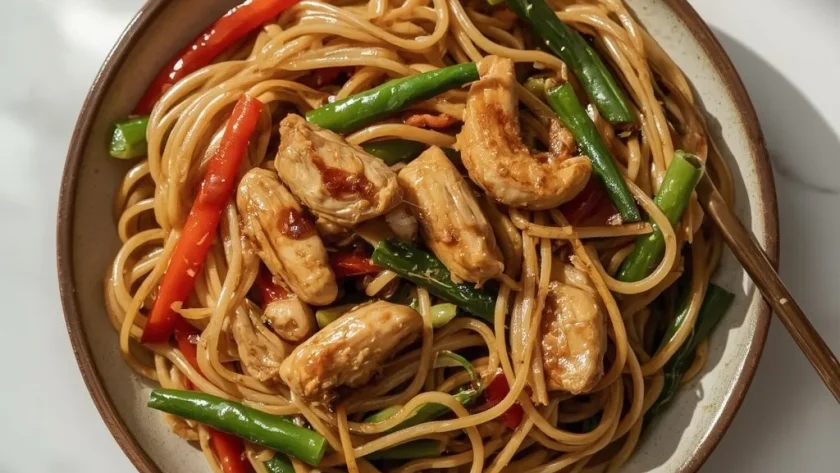
 Easy Chicken Lo Mein is one of those dinners that delivers big flavor with surprisingly little effort. Tender chicken, crisp vegetables, and chewy noodles come together in a savory-sweet sauce that coats every strand perfectly.
This stir-fry takes just 25 minutes from start to finish and is beginner-friendly enough for a Tuesday night. The only tricky part is keeping your pan hot enough to sear the chicken rather than steam it.
Why You’ll Love This Recipe
- Speed matters — Dinner hits the table in under half an hour, faster than most delivery options.
- Custom protein works — Swap chicken for shrimp, beef, or tofu without changing the technique.
- Sauce consistency nails it — Cornstarch gives the sauce a light cling that sticks to noodles and veggies without turning gummy.
- Pantry-friendly ingredients — Most items live in your fridge or cupboard already, so shopping is minimal.
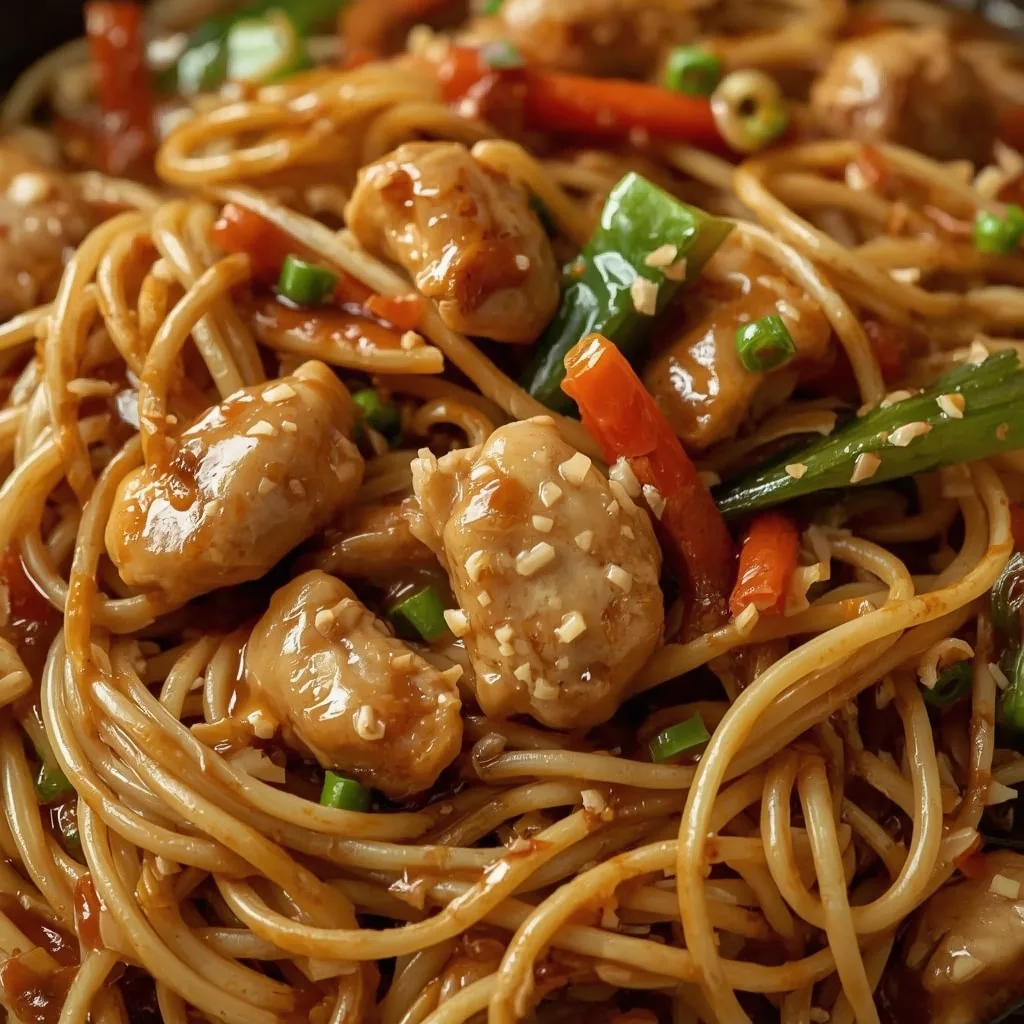
What Makes This Recipe Special
A glossy sauce built from soy sauce, hoisin, and sesame oil creates a balanced savory-sweet profile that clings to every noodle. The vegetables stay tender-crisp because the high heat cooks them fast without turning mushy. Chewy lo mein noodles provide a satisfying texture that contrasts with the chicken and crunchy snow peas. This Chinese-American classic is perfect for any weeknight when you crave takeout flavor without the wait.
Ingredients You’ll Need
Here is everything you need to pull this dish together, organized by where it appears in the method.
For the Noodles
- 8 ounces dried lo mein noodles or spaghetti — Lo mein noodles have the right chew, but spaghetti works as a swap if that is what you have. Cook spaghetti 1 minute less than package time to keep it al dente.
For the Sauce
- 1/4 cup low-sodium soy sauce — Controls the salt level so you can season the chicken separately.
- 3 tablespoons dark soy sauce (or substitute with 1 tbsp regular soy + 1 tsp molasses) — Adds color and a deeper, slightly sweet flavor.
- 1 tablespoon hoisin sauce — Brings a subtle sweetness and complexity that balances the soy.
- 1 teaspoon toasted sesame oil — A finishing oil that gives the dish its signature aromatic note.
- 1 teaspoon granulated sugar — Helps balance the saltiness and aids in glazing the sauce.
- 1/2 cup low-sodium chicken broth — Thins the sauce to the right consistency so it coats without drowning the noodles.
- 2 teaspoons cornstarch — Thickens the sauce into a glossy sheen that clings beautifully.
For the Stir-Fry
- 3 tablespoons vegetable oil, divided — Sesame oil has a low smoke point, so use a neutral oil for cooking. Reserve the sesame oil for the sauce.
- 1 pound boneless skinless chicken breast, cut into 1/2-inch strips — Slices thin enough to cook through in 2 minutes but thick enough to stay juicy.
- 1/2 teaspoon kosher salt — Season the chicken directly for flavor that penetrates the meat.
- 1/4 teaspoon white pepper (or black pepper) — White pepper adds a mild heat without visible specks, but black pepper works fine.
- 2 cloves garlic, minced — Fresh garlic is non-negotiable here; pre-minced jarred stuff burns faster.
- 1 tablespoon fresh ginger, grated — Microplane works best, giving you fine shreds that melt into the oil.
- 2 medium carrots, julienned (about 3/4 cup) — Matchstick-sized pieces cook evenly and blend with the noodles visually.
- 1 red bell pepper, thinly sliced (about 1 cup) — Adds sweetness and color contrast against the dark sauce.
- 4 ounces snow peas, trimmed and halved crosswise (about 1 cup) — Their natural crunch holds up well in high heat.
- 3 scallions, sliced diagonally into 1-inch pieces, green parts reserved for garnish — White parts cook into the dish; green tops add freshness at the end.
Equipment Needed
- Large pot — Big enough to boil noodles without crowding. A 5-quart pot works well.
- Wok or 12-inch nonstick skillet — High sides let you toss ingredients without spillage. A wok conducts heat faster, but a skillet works fine.
- Tongs — Essential for turning noodles without breaking them. Silicone-tipped tongs won’t scratch nonstick pans.
- Small bowl — For whisking the sauce ahead of time so you can add it quickly mid-cook.
- Cutting board and sharp knife — Julienning carrots and slicing pepper evenly requires a steady blade.
Instructions to Prepare Easy Chicken Lo Mein
The key to this stir-fry is having everything prepped before you turn on the heat. Here is exactly how to do it.
- Cook the noodles — Boil lo mein noodles until just al dente (4-5 minutes). Drain, rinse with cold water to stop cooking, and toss with 1 teaspoon vegetable oil to prevent sticking. Set aside.
- Whisk the sauce — Combine low-sodium soy sauce, dark soy sauce, hoisin, sesame oil, sugar, chicken broth, and cornstarch in a small bowl. Whisk until cornstarch dissolves completely. Set the bowl near the stove.
- Season the chicken — Pat the strips dry, then season with salt and white pepper. This step locks in flavor and helps the meat brown.
- Heat the pan — Place your wok over high heat until a drop of water sizzles and evaporates instantly. Add 1 tablespoon vegetable oil and swirl to coat.
- Sear the chicken — Add strips in a single layer. Let cook undisturbed for 1 minute until golden, then stir-fry 1-2 minutes until cooked through (165°F internal). Transfer to a plate.
- Sauté aromatics — Reduce heat to medium-high. Add remaining 2 tablespoons oil, then garlic and ginger. Stir constantly for about 15 seconds until fragrant. Garlic burns quickly, so watch it closely.
- Cook vegetables — Toss in carrots, bell pepper, and snow peas. Stir-fry 2-3 minutes until carrots are tender-crisp and peppers brighten but still crunch.
- Combine everything — Return chicken to the wok. Add noodles, white scallion parts, and the prepared sauce. The sauce will bubble immediately from the heat.
- Toss to coat — Use tongs to toss everything together for 45-60 seconds until every noodle is glossy and the sauce clings without pooling.
- Serve immediately — Remove from heat. Divide into bowls, top with scallion greens, and eat right away for the best texture.
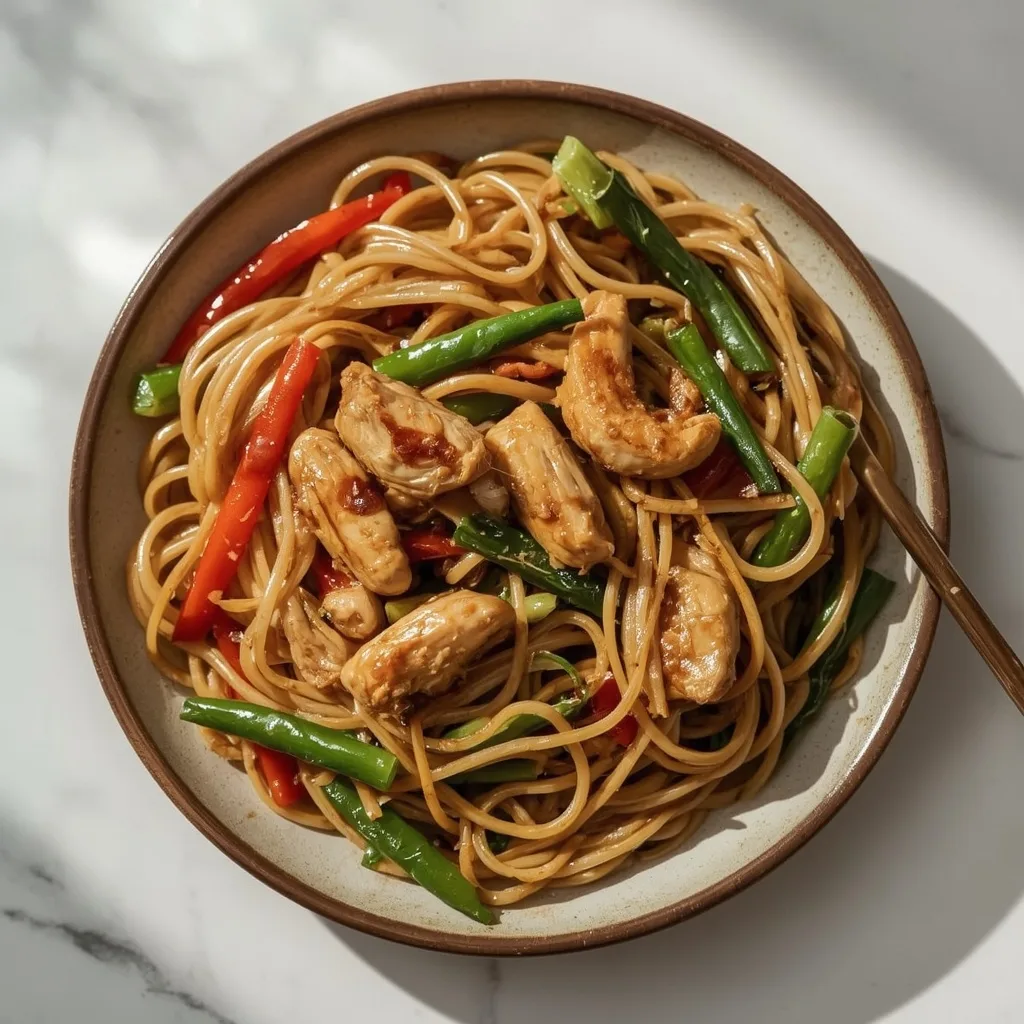
Expert Tips for a Standout Easy Chicken Lo Mein
- Pat the chicken dry — Excess moisture steams the meat instead of browning it. A dry surface gives you that golden crust.
- Prepare all ingredients before cooking — Stir-frying moves fast. Having everything measured and chopped means you never have to step away from the stove.
- Use high heat throughout — Medium heat will stew your chicken and make vegetables soggy. The pan should be smoking hot for each addition.
- Don’t overcrowd the pan — Cook chicken in two batches if needed. Overcrowding drops the pan temperature and causes steaming instead of searing.
- Rinse noodles after boiling — Cold water stops carryover cooking and removes excess starch that can make them sticky later.
- Add sauce right before serving — Stirring it in too early causes the cornstarch to break down, leaving a thin, watery coating. Add it at the end and toss quickly.
- Taste before serving — Different brands of soy sauce vary in saltiness. If needed, add a pinch more sugar to balance or a splash more chicken broth to dilute.
Common Mistakes to Avoid
- Overcooking the noodles — Mushy noodles ruin the texture. Cook them just barely al dente since they will cook another 45 seconds in the sauce.
- Using a cold pan — If food sticks and chars unevenly, your heat is not high enough. Let the pan heat fully before adding oil, then add oil and let it shimmer.
- Skipping the oil toss — Noodles clump together if not coated after draining. That single teaspoon of oil keeps them separated and ready to stir-fry.
- Adding sauce too early — The cornstarch thickens when it hits the hot pan, but if you add it before the noodles and chicken are in, it can scorch or form lumps.
- Overcooking vegetables — Limp, gray vegetables mean you cooked them too long. Stir-fry only until tender-crisp, about 2-3 minutes max.
- Forgetting the aromatics — Garlic and ginger take only seconds to burn. If you add them to a screaming hot pan without reducing the heat first, they turn bitter.
Variations & Ways to Customize Easy Chicken Lo Mein
- Protein swap — Replace chicken with peeled shrimp (they cook in 90 seconds) or thinly sliced flank steak for a beef version. Tofu works too, but press it dry first.
- Vegetable mix change — Swap snow peas for broccoli florets or snap peas. Add sliced mushrooms, bok choy, or bean sprouts for extra crunch.
- Spicy version — Stir in 1-2 teaspoons chili garlic sauce or sriracha with the sauce. Adjust heat to your tolerance without overwhelming the other flavors.
- Nutty twist — Toss 1/4 cup toasted cashews or peanuts in at the end for added texture and a toasty note that pairs well with the sesame oil.
- Gluten-free option — Use rice noodles or gluten-free spaghetti and swap the soy sauce for tamari or coconut aminos. Note that hoisin contains gluten, so check labels or skip it.
- Egg addition — Scramble 2 eggs in the wok after cooking the chicken, then remove them and add back at the end. Creates a heartier dish with extra protein.
What to Serve With Easy Chicken Lo Mein
This noodle dish stands well on its own, but a few simple sides round it into a full Chinese-style meal.
- Cucumber salad with sesame — Thinly sliced cucumbers tossed in rice vinegar, sesame oil, and a pinch of sugar provide a cool, acidic counterpoint to the warm noodles.
- Egg drop soup — A light, comforting soup made with chicken broth and ribbons of egg takes minimal effort and mirrors the takeout experience.
- Steamed edamame — Lightly salted edamame pods add a pop of color and a protein-rich starter that requires zero cooking.
- Fried wonton strips — Store-bought crispy wonton strips sprinkled over the top add a subtle crunch contrast to the chewy noodles.
- Green tea or jasmine tea — A hot cup of green tea cleanses the palate between bites and complements the savory-sweet sauce.
- Sliced oranges — Fresh orange segments served on the side offer a bright, sweet finish that balances the dish’s umami notes.
Make-Ahead Instructions
- Prep vegetables — Julienne carrots, slice bell pepper, trim snow peas, and chop scallions up to 2 days ahead. Store them in separate sealed bags in the fridge to keep them crisp.
- Make the sauce — Whisk the soy sauce mixture together and refrigerate in a jar for up to 5 days. Give it a quick stir before using, as cornstarch settles.
- Slice the chicken — Cut the chicken into strips and season with salt and pepper up to 1 day ahead. Store in the fridge and pat dry again before cooking.
- Cook noodles in advance — Boil, drain, rinse, and oil-toss noodles up to 1 day ahead. Keep them in a covered container in the fridge. Add a splash of water when reheating to loosen them up.
Storage and Reheating
Storage
- Airtight container — Transfer leftovers to a sealed container within 2 hours of cooking. Refrigerate for up to 3 days.
- Separate sauce if possible — If you made extra sauce, keep it in a separate jar and add it during reheating to refresh the flavor and moisture.
- Freezing not recommended — Noodles and vegetables lose their texture when frozen and thawed. If you must freeze, store without vegetables and add fresh ones when reheating.
Reheating
- Stovetop method — Heat a wok or skillet over medium-high heat with a splash of water or chicken broth. Stir-fry leftovers for 2-3 minutes until hot throughout. This restores the sauce’s cling.
- Microwave method — Cover a bowl of leftovers with a damp paper towel and microwave at 70% power for 1-2 minutes, stirring halfway. Watch for uneven heating and avoid overcooking.
- Air fryer method (not ideal) — If using an air fryer, spread in a single layer at 350°F for 3-4 minutes. Noodles may dry out, so spray lightly with oil first.
- Avoid overcooking — Reheat only until piping hot. Prolonged heat turns noodles mushy and vegetables limp, especially in the microwave.
Nutritional Breakdown (Per Serving)
Based on 1 serving out of 4 total.
- Calories — 491
- Protein — 33g
- Fat — about 16g
- Carbohydrates — 52g
- Fiber — around 4g
- Sugar — 8g
- Sodium — around 896mg
Frequently Asked Questions
Can I make Easy Chicken Lo Mein ahead of time?
Yes, but it is best served fresh. Prep the vegetables, sauce, and chicken up to 2 days ahead, then cook the noodles and stir-fry everything right before serving for the best texture.
What is the best noodle substitute for lo mein?
Spaghetti works very well as a swap. Cook it 1 minute less than the package directs to keep it al dente, then rinse and oil-toss just like lo mein noodles. A thinner noodle might break apart during tossing.
How do I prevent Easy Chicken Lo Mein from becoming too salty?
Use low-sodium soy sauce and chicken broth, and taste the sauce before pouring it into the pan. If it seems too salty, add a pinch of sugar or an extra splash of broth to balance it out.
Can I add more vegetables to this recipe?
Absolutely. Broccoli florets, sliced mushrooms, bell peppers, or bok choy all work well. Just keep total vegetable volume similar to the recipe to avoid overcrowding the pan and steaming everything.
Is this dish freezer-friendly?
Not really. The noodles and vegetables degrade in texture after freezing, becoming mushy and watery when thawed. If you must freeze, leave out the vegetables and add fresh ones when reheating.
How long does Easy Chicken Lo Mein last in the fridge?
Leftovers keep for up to 3 days in an airtight container. The noodles will absorb sauce and soften over time, so reheating with a splash of broth helps restore moisture.
More Recipes
Final Words
Easy Chicken Lo Mein proves that homemade takeout is not only possible but genuinely better than delivery. With a hot wok, a simple sauce, and fresh ingredients, you get a dinner that is faster, more flavorful, and fully under your control.
Give it a try on your next busy weeknight. I think you will be surprised how often it lands in your regular rotation.
PrintEasy Chicken Lo Mein
Tender chicken and vegetables are tossed with chewy lo mein noodles in a savory-sweet sauce for a quick and satisfying weeknight dinner. This stir-fry comes together in under 30 minutes with a glossy, flavorful coating that clings to every strand.
- Prep Time: 15
- Cook Time: 10
- Total Time: 25
- Yield: 4 1x
- Category: Main Course
- Method: Stovetop
- Cuisine: Chinese-American
Ingredients
- 8 ounces dried lo mein noodles or spaghetti
- 1/4 cup low-sodium soy sauce
- 2 tablespoons dark soy sauce (or substitute with 1 tbsp regular soy + 1 tsp molasses)
- 1 tablespoon hoisin sauce
- 1 teaspoon toasted sesame oil
- 1 teaspoon granulated sugar
- 1/2 cup low-sodium chicken broth
- 2 teaspoons cornstarch
- 3 tablespoons vegetable oil, divided
- 1 pound boneless skinless chicken breast, cut into 1/2-inch strips
- 1/2 teaspoon kosher salt
- 1/4 teaspoon white pepper (or black pepper)
- 2 cloves garlic, minced
- 1 tablespoon fresh ginger, grated
- 2 medium carrots, julienned (about 3/4 cup)
- 1 red bell pepper, thinly sliced (about 1 cup)
- 4 ounces snow peas, trimmed and halved crosswise (about 1 cup)
- 3 scallions, sliced diagonally into 1-inch pieces, green parts reserved for garnish
Instructions
- Bring a large pot of salted water to a rolling boil over high heat. Cook the lo mein noodles according to package directions until just al dente, usually 4 to 5 minutes (if using spaghetti, cook 1 minute less than package time). Drain well and rinse with cold water to stop cooking; toss with 1 teaspoon of vegetable oil to prevent sticking and set aside.
- In a small bowl, whisk together the low-sodium soy sauce, dark soy sauce, hoisin sauce, toasted sesame oil, sugar, chicken broth, and cornstarch until the cornstarch is fully dissolved. Set the sauce aside near the stove — this will be added quickly later.
- Pat the chicken strips dry with paper towels, then season evenly with kosher salt and white pepper. Drying ensures browning rather than steaming; seasoning at this stage builds flavor into the meat.
- Heat a large wok or 12-inch nonstick skillet over high heat until a drop of water sizzles and evaporates instantly, about 30 seconds. Add 1 tablespoon of vegetable oil and swirl to coat the bottom. The pan must be ripping hot to sear the chicken, not stew it.
- Add the chicken strips in a single layer (work in two batches if needed to avoid overcrowding). Cook without moving for 1 minute until the bottom is golden brown, then stir-fry for another 1 to 2 minutes until cooked through — the thickest strip should reach 165°F / 74°C internally. Transfer the chicken to a clean plate and set aside.
- Reduce heat to medium-high and add the remaining 2 tablespoons vegetable oil. Add the minced garlic and grated ginger, stirring constantly for about 15 seconds until fragrant but not browned — garlic burns quickly and turns bitter.
- Add the julienned carrots, sliced red bell pepper, and snow peas to the wok. Stir-fry for 2 to 3 minutes, tossing frequently, until the carrots are tender-crisp and the peppers have slightly softened but still retain some crunch. The vegetables should be vibrant and not limp.
- Return the cooked chicken to the wok, then add the drained noodles and the white parts of the scallions. Pour the prepared sauce over everything — it will bubble and thicken immediately from the hot pan.
- Toss continuously with tongs for 45 to 60 seconds, ensuring each noodle is evenly coated with the glossy sauce and all ingredients are well combined. The cornstarch in the sauce creates a light cling, not a gummy paste, so don’t over-stir.
- Remove the wok from the heat. Divide the lo mein among 4 shallow bowls, garnish with the reserved scallion greens, and serve immediately. For best texture, eat within minutes of cooking — leftovers will be softer but still delicious.
Notes
Storage: Refrigerate leftovers in an airtight container for up to 3 days. The noodles will absorb sauce and soften. Freezing: Not recommended as the texture of noodles and vegetables degrades significantly. Reheating: Reheat in a wok or skillet over medium-high heat with a splash of water or chicken broth to restore moisture, stirring for 2 to 3 minutes until hot. Or microwave in a covered bowl at 70% power for 1 to 2 minutes, stirring halfway. Avoid overcooking during reheating to prevent mushy noodles.
Nutrition
- Calories: 491
- Sugar: 8g
- Sodium: 896mg
- Saturated Fat: 2.5g
- Carbohydrates: 52g
- Fiber: 4g
- Protein: 33g
- Cholesterol: 72mg
Keywords: easy chicken lo mein, lo mein recipe, chicken stir fry, Chinese noodles, weeknight dinner, lo mein noodles, chicken and vegetables, 30 minute meal, soy sauce noodles, quick stir fry