 Kendric adan
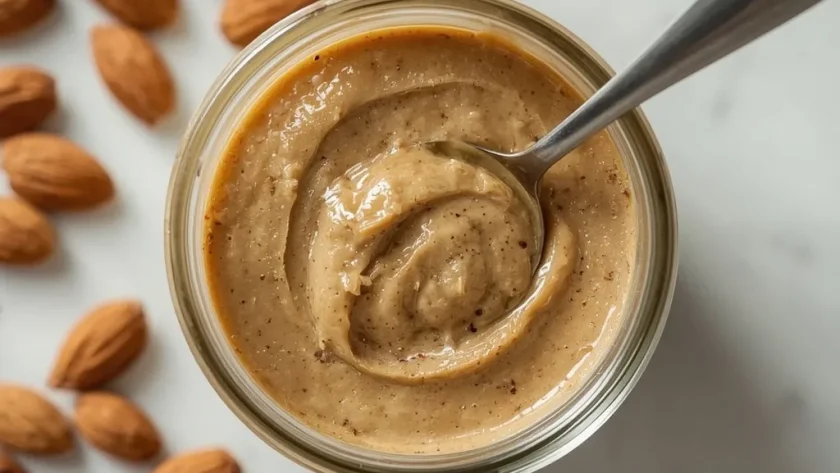
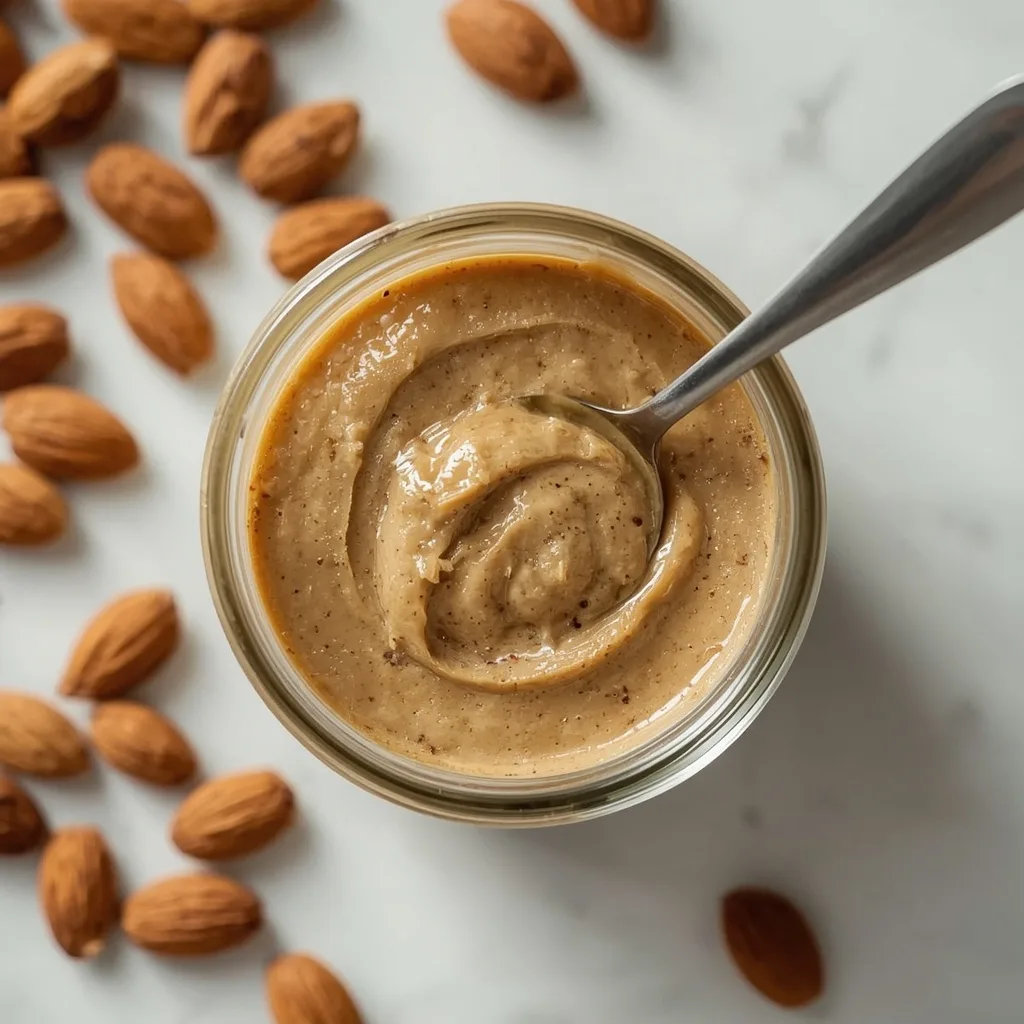
 Homemade Vanilla Almond Butter is exactly what you need if you want a creamy, flavorful spread with zero additives. It comes together from just three ingredients and tastes far better than anything from a jar at the store.
The total time is about 17 minutes — 12 for roasting and just 5 for blending. This is a beginner-level recipe, though you do need to be patient during the food processor stage when the almonds clump before turning silky.
Why You’ll Love This Recipe
- Minimal effort — Three simple ingredients and one appliance do all the work. No stirring, no stovetop monitoring, no complicated techniques.
- Total control — You decide the salt level, the vanilla intensity, and whether to add sweetener. Store-bought versions often pack in sugar and preservatives you do not want.
- Cost savings — A batch costs less than half of what you would pay for a premium jar at the market. Bulk almonds make it even cheaper.
What Makes This Recipe Special
Roasting the almonds first is the secret here. That 12-minute step deepens the nutty aroma and helps the natural oils release during blending, so you get a luscious, pourable texture without adding any extra oil. The vanilla extract rounds out the warmth with a subtle sweetness that does not overpower. This is a straightforward, honest spread that works for breakfast, snacks, or baking.
Ingredients You’ll Need
Here is what goes into the bowl. The list is short, but each ingredient plays a clear role.
Base Ingredient
- 1 1/2 cups raw almonds — Whole, unsalted almonds give you the cleanest flavor. Raw is important here because you will roast them yourself. Pre-roasted nuts can turn bitter with a second toast.
Flavorings
- 1 teaspoon vanilla extract — Pure vanilla extract delivers the warm, aromatic note that makes this butter feel indulgent. Imitation vanilla works in a pinch but lacks depth.
- 1/4 teaspoon kosher salt — Salt sharpens the sweetness of the almonds and the vanilla. A small pinch makes every flavor pop.
Equipment Needed
- Food processor — A full-size 7-11 cup processor with a metal blade is best. Small mini choppers may overheat or struggle to break down the almonds into butter.
- Baking sheet — A standard half-sheet pan gives the almonds enough room to roast in a single layer. Parchment paper helps with cleanup but is not required.
- Spatula — A sturdy silicone spatula lets you scrape down the sides and bottom of the processor bowl between blending intervals.
- Glass jar with tight-fitting lid — A 12-16 ounce mason jar or similar container stores the finished butter. Make sure the lid seals well to keep out moisture.
Instructions to Prepare Homemade Vanilla Almond Butter
The process moves from oven to processor in just a few steps. Pay attention during the blending stage — that is where patience pays off.
- Roast the almonds — Preheat the oven to 350°F (177°C). Spread the almonds in a single layer on a baking sheet. Roast for 10-12 minutes, stirring halfway through, until they are fragrant and lightly golden. Roasting deepens the nutty flavor and helps release natural oils for smoother blending.
- Cool briefly — Let the roasted almonds cool on the baking sheet for 5 minutes. Over-roasting can introduce bitterness, and cooling prevents overheating the food processor.
- Process to a powder — Transfer the cooled almonds to a food processor fitted with the metal blade. Process on high for 1 minute until they form a fine, powdery meal. Scrape down the sides and bottom of the bowl with a spatula.
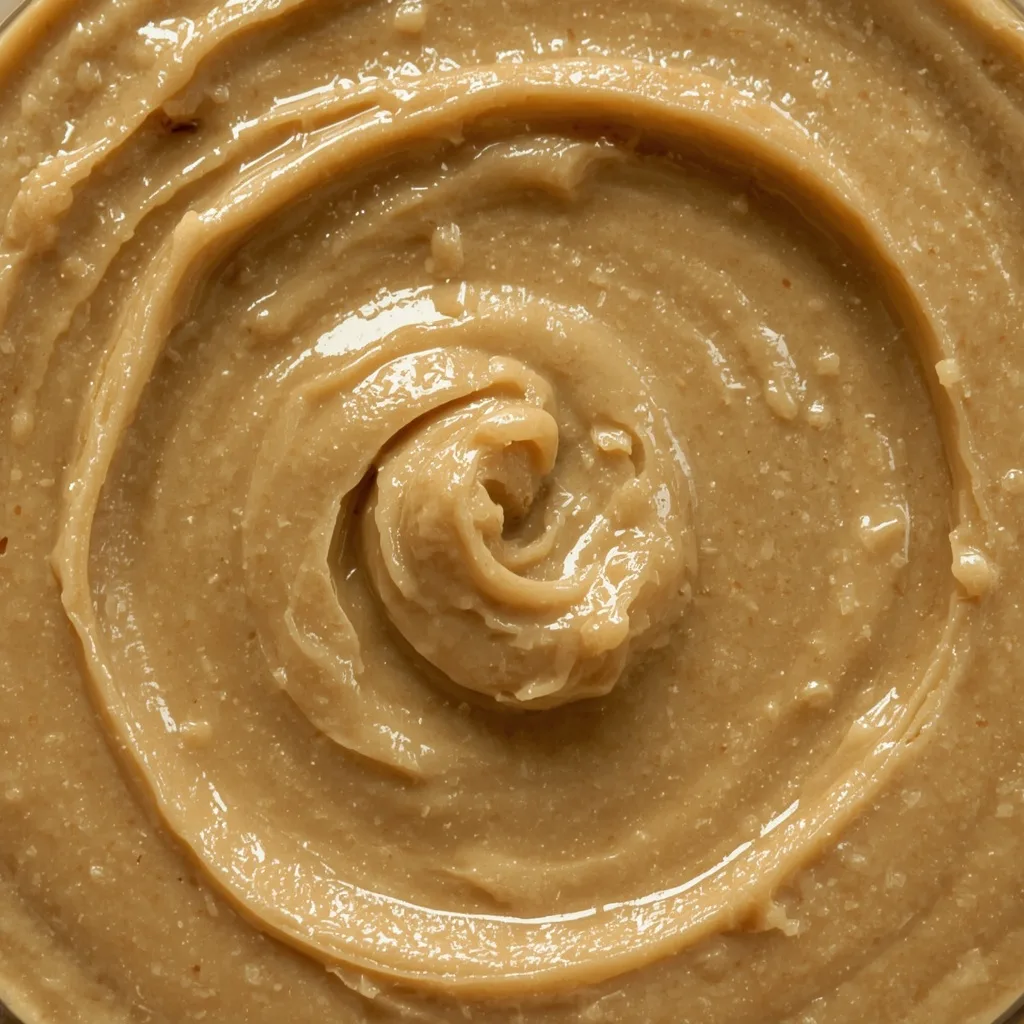
- Blend until smooth — Continue processing for 4-5 minutes, stopping to scrape every minute. The almonds will go through several stages: clumping into a ball, then slowly releasing oils to become a smooth, flowing butter. Do not rush — this gradual process is essential for creaminess.
- Add the flavorings — Add the vanilla extract and salt. Pulse 4-5 times to incorporate evenly. Taste and add a pinch more salt if desired, or a teaspoon of honey for sweetness. The butter should be pourable and silky.
- Transfer and store — Transfer the almond butter to a clean glass jar with a tight-fitting lid. Use immediately or store as directed. The butter will thicken slightly upon cooling.
Expert Tips for a Standout Homemade Vanilla Almond Butter
- Watch the roasting color — Pull the almonds when they smell nutty and look pale golden. Dark brown spots signal over-roasting, which can make the final butter taste bitter rather than toasty.
- Scrape the bowl thoroughly each time — Almond meal sticks stubbornly to the bottom and sides of the processor. A clean scrape every 60 seconds ensures even blending and prevents the motor from working too hard.
- Do not skip the cooling step — Hot almonds can heat up the processor motor and cause the butter to separate or seize. Five minutes on the sheet is enough to bring them down to a safe temperature.
- Use the pulse function for additions — Running the processor on high after adding vanilla and salt can aerate the butter too much. Short pulses mix everything without incorporating excess air.
- Let the butter rest before jarring — If the butter looks slightly warm and runny, let it sit in the processor bowl for 10 minutes. It will thicken to a more spreadable consistency as it cools.
- Keep a spare batch of roasted almonds — Roasting an extra cup of almonds while the oven is hot saves time next week. Store them in an airtight container at room temperature and blend fresh butter whenever you need it.
Common Mistakes to Avoid
- Rushing the blending process — The almonds will clump into a dry ball and seem stuck for about 2-3 minutes. That is normal. Keep processing and scraping — the oils will eventually release and turn it into butter.
- Using pre-roasted or salted almonds — Pre-roasted nuts can burn during the oven step, and salted almonds will make the final butter too salty. Always start with raw, unsalted almonds for best results.
- Overfilling the processor — A crowded bowl prevents the almonds from moving freely, which extends blending time and strains the motor. Stick to 1 1/2 cups for a standard 7-11 cup processor.
- Skipping the scrape-down step — If you leave almond meal clinging to the sides, it will not integrate into the butter. Uneven texture and a gritty mouthfeel are the usual results.
- Adding oil or water to speed things up — Extra liquid can cause the butter to seize or separate. Trust the process — the almonds have enough natural oil to become creamy on their own.
Variations & Ways to Customize Homemade Vanilla Almond Butter
- Sweetened version — Add 1-2 teaspoons of honey or maple syrup along with the vanilla. Pulse to combine. This works well if you plan to use the butter as a pancake or waffle topping.
- Crunchy style — After blending the butter smooth, fold in 1/4 cup chopped roasted almonds. The extra bits give a satisfying texture contrast.
- Spiced blend — Add 1/2 teaspoon of ground cinnamon or a pinch of cardamom with the salt. Warm spices complement the vanilla and make the butter feel more festive.
- Chocolate variation — Pulse in 2 tablespoons of unsweetened cocoa powder after the butter is smooth. Taste and add a little honey if you want a sweeter chocolate spread.
- Maple-sea salt finish — Stir in 1 tablespoon of maple syrup and a generous pinch of flaky sea salt right before jarring. The sweet-salty combination is hard to resist on toast.
What to Serve With Homemade Vanilla Almond Butter
This butter is versatile enough to work with sweet and savory dishes alike. Here are some of my favorite ways to use it.
- Toast or bagels — Spread a thick layer on whole-grain toast or a warm everything bagel. The vanilla notes pair beautifully with a drizzle of honey or sliced banana.
- Apple slices or celery sticks — Use the butter as a dip for crisp fruit or vegetables. It makes a satisfying afternoon snack with a little crunch.
- Smoothie booster — Drop a spoonful into your morning smoothie for extra protein and creaminess. It blends well with banana, spinach, and oat milk.
- Oatmeal topping — Swirl a dollop into hot oatmeal along with a sprinkle of cinnamon. The butter melts into the oats and adds richness without dairy.
- Rice cakes or crackers — Spread the butter on plain rice cakes or seedy crackers. Top with a few raspberries or a pinch of sea salt for a quick bite.
Make-Ahead Instructions
- Roast almonds in bulk — Double or triple the almond quantity and roast them in batches. Cool completely, then store in an airtight container at room temperature for up to 2 weeks. Blend fresh butter whenever you need it.
- Pre-measure the dry ingredients — Combine the salt and any spices in a small container. When you are ready to make the butter, just dump them in with the vanilla. It saves a step on busy mornings.
- Freeze roasted almonds — Cooled roasted almonds can be frozen in a zip-top bag for up to 3 months. Thaw at room temperature for 20 minutes before processing. The frozen nuts blend just as well as fresh.
Storage and Reheating
Storage
- Room temperature jar — Store the butter in a clean glass jar with a tight-fitting lid at cool room temperature for up to 2 weeks. Keep it away from direct sunlight and heat sources to prevent oil separation.
- Refrigerated jar — For longer storage, refrigerate the butter for up to 3 months. The cold will thicken it significantly, so let it sit at room temperature for 15 minutes before using.
- Oil separation handling — Natural separation may occur over time. Simply stir the butter vigorously with a spoon or small spatula to recombine the oils before each use.
Reheating
- Room temperature rest — If the butter is too stiff from refrigeration, let it sit on the counter for 15-20 minutes. Stir well before spreading. This gentle method preserves the texture best.
- Warm water bath — Place the sealed jar in a bowl of warm water for 5-10 minutes. The gentle heat softens the butter without overheating it. Dry the jar thoroughly before opening to keep water out.
- Microwave softening — Transfer 2-3 tablespoons to a microwave-safe bowl and heat in 10-second bursts at 50% power. Stir between bursts until it reaches a spreadable consistency. Do not overheat or the butter can separate.
Nutritional Breakdown (Per Serving)
Based on 1 serving = 1/4 of the total batch (roughly 1/4 cup).
- Calories: 307
- Protein: about 11g
- Fat: about 26g
- Carbohydrates: around 12g
- Fiber: around 6g
- Sugar: 2g
- Sodium: about 150mg
Frequently Asked Questions
Can I freeze Homemade Vanilla Almond Butter?
Yes. Transfer the butter to a freezer-safe jar or container, leaving about 1/2 inch of headspace. Freeze for up to 6 months. Thaw in the refrigerator overnight and stir well before using.
How long does Homemade Vanilla Almond Butter last in the fridge?
It stays fresh for up to 3 months when stored in an airtight jar in the refrigerator. Let it sit at room temperature for 15 minutes before spreading if you want a softer texture.
Why did my almond butter turn out grainy?
Grainy texture usually means the almonds were not processed long enough. Continue blending for another 2-3 minutes, stopping to scrape every minute, until the natural oils release and the butter becomes smooth.
Can I use a blender instead of a food processor?
A high-speed blender can work, but you may need to stop and scrape more often. The blender jar is narrower, so the almonds can get stuck. A food processor is easier and more reliable for this recipe.
Can I make this without roasting the almonds first?
You can, but the butter will have a raw, less complex flavor. Roasting brings out the nutty aroma and helps the oils release more efficiently, so the texture will also be creamier. I recommend roasting.
What if I want a sweeter Homemade Vanilla Almond Butter?
Add 1-2 teaspoons of honey, maple syrup, or a pinch of coconut sugar along with the vanilla. Pulse to combine. Taste and adjust until it reaches your preferred sweetness level.
Final Words
Making your own Homemade Vanilla Almond Butter takes almost no effort once you know the simple steps. The deep roasted flavor and subtle vanilla sweetness beat anything from a store shelf, and you control exactly what goes into the jar. Give it a try — you will probably never go back to the store-bought version.
Similar Recipes
PrintHomemade Vanilla Almond Butter
Rich, creamy vanilla-scented almond butter made from roasted almonds. Perfect for spreading on toast, adding to smoothies, or eating by the spoonful. This homemade version has no added oils or preservatives.
- Prep Time: 5
- Cook Time: 12
- Total Time: 17
- Yield: 4 1x
- Category: Snack
- Method: No-Cook
- Cuisine: American
Ingredients
- 1 1/2 cups raw almonds
- 1 teaspoon vanilla extract
- 1/4 teaspoon kosher salt
Instructions
- Preheat oven to 350°F (177°C). Spread the almonds in a single layer on a baking sheet. Roast for 10-12 minutes, stirring halfway through, until they are fragrant and lightly golden. Roasting deepens the nutty flavor and helps release natural oils for smoother blending.
- Let the roasted almonds cool on the baking sheet for 5 minutes. Over-roasting can introduce bitterness, and cooling prevents overheating the food processor.
- Transfer the cooled almonds to a food processor fitted with the metal blade. Process on high for 1 minute until they form a fine, powdery meal. Scrape down the sides and bottom of the bowl with a spatula.
- Continue processing for 4-5 minutes, stopping to scrape every minute. The almonds will go through several stages: clumping into a ball, then slowly releasing oils to become a smooth, flowing butter. Do not rush — this gradual process is essential for creaminess.
- Add the vanilla extract and salt. Pulse 4-5 times to incorporate evenly. Taste and add a pinch more salt if desired, or a teaspoon of honey for sweetness. The butter should be pourable and silky.
- Transfer the almond butter to a clean glass jar with a tight-fitting lid. Use immediately or store as directed. The butter will thicken slightly upon cooling.
Notes
Store at room temperature (up to 2 weeks) or refrigerated (up to 3 months). If refrigerated, let it sit at room temperature for 15 minutes before using. Natural oil separation may occur — simply stir well. For crunchy almond butter, fold in 1/4 cup chopped roasted almonds after blending.
Nutrition
- Calories: 307
- Sugar: 2g
- Sodium: 150mg
- Saturated Fat: 2g
- Carbohydrates: 12g
- Fiber: 6g
- Protein: 11g
- Cholesterol: 0mg
Keywords: homemade almond butter, vanilla almond butter, almond butter recipe, healthy snack, high protein, keto, paleo, vegan, no-cook, easy nut butter, vanilla extract, roasted almonds