 Kendric adan
 Huancaina sauce is a creamy, slightly spicy Peruvian sauce that comes together in just 15 minutes. It gets its vibrant yellow color and mild heat from aji amarillo paste, balanced by the tang of queso fresco and a velvety texture from evaporated milk and a touch of saltine crackers.
You need only 10 minutes of prep and 5 minutes on the stove. This beginner-friendly recipe works perfectly for appetizers, snacks, or light meals. The only slightly tricky part is not letting the garlic burn while sautéing the onion.
Why You’ll Love Huancaina Sauce Recipe
- Fast and easy — From start to finish, you spend just 15 minutes making this sauce. No long simmering or complicated techniques.
- Bold Peruvian flavor — The combination of queso fresco and aji amarillo gives an authentic taste you’d find in a Lima restaurant.
- Versatile condiment — Spoon it over boiled potatoes, dip raw vegetables into it, or drizzle it on eggs for breakfast. It works for every meal.
What Makes This Huancaina Sauce Special
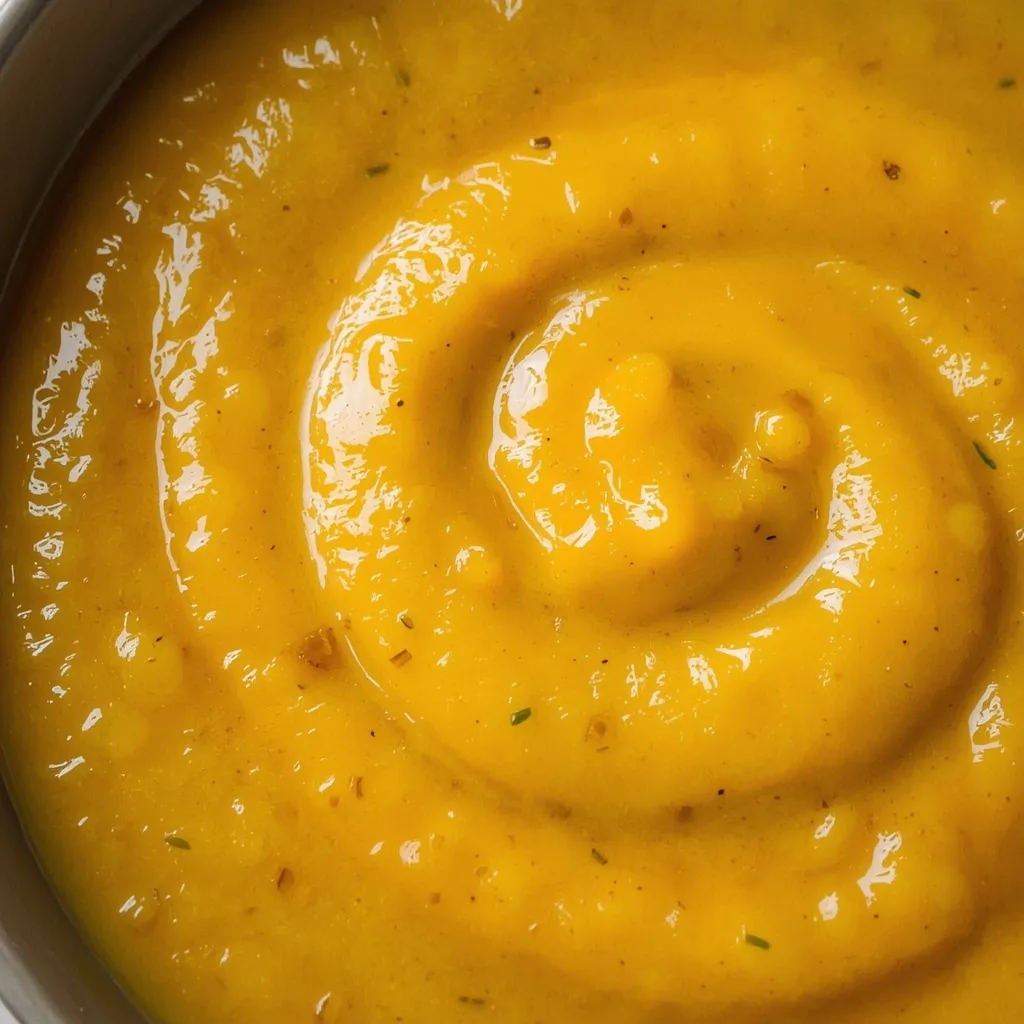
This sauce hinges on the balance of creamy dairy, mild heat, and a hint of umami from the saltine crackers. The crackers do double duty — they thicken the sauce and help the oily aji amarillo paste emulsify into a smooth, stable mixture. The final texture is rich and velvety, not grainy or watery. It’s traditional in Peru alongside papa a la huancaina (potatoes in cheese sauce) but works just as well as a dip for crusty bread.
Ingredients You’ll Need
Here is exactly what you need — no substitutions are necessary, but I’ll note easy swaps where they work.
Dairy Base
- 1/2 cup (4 oz) queso fresco, crumbled — This fresh, salty cheese forms the backbone of the sauce. If you can’t find queso fresco, substitute with crumbled feta (reduce added salt) or panela cheese.
- 1/2 cup evaporated milk — It adds creaminess without making the sauce too thin. Whole milk works but gives a slightly thinner consistency; add 1 tablespoon more crackers to compensate.
Aromatics & Thickener
- 1/4 cup onion, roughly chopped — Yellow or white onion works best. Cook it until translucent to mellow its bite.
- 1 clove garlic, minced — Fresh garlic is key. Use a microplane or press for the finest mince.
- 2 saltine crackers — These are the secret thickener. They also stabilize the emulsion. No saltines? Use 1 tablespoon of breadcrumbs or 1 teaspoon of cornstarch blended with a little milk.
Heat & Flavor
- 2 tablespoons aji amarillo paste — This is the heart of the dish. It’s a Peruvian yellow chili paste with moderate heat (similar to a mild jalapeño). Find it in Latin markets or online. If unavailable, substitute with 1 tablespoon of yellow curry paste plus a pinch of cayenne.
- 1 tablespoon vegetable oil — Any neutral oil like canola or sunflower works. Olive oil will add a fruity note that competes with the cheese.
- 1/4 teaspoon kosher salt, plus more to taste — Start with this amount because queso fresco is already salty.
- 1/8 teaspoon ground black pepper — A tiny pinch for background warmth.
Equipment Needed
- Small skillet — For sautéing the onion and garlic. A non-stick or well-seasoned cast iron works fine.
- Blender or food processor — You need something with enough power to puree the cheese and crackers into a silky sauce. A high-speed blender gives the smoothest result.
- Rubber spatula — To scrape down the sides of the blender and transfer every last drop.
- Cutting board and knife — For chopping the onion and mincing the garlic.
- Measuring spoons and cups — Exact measurements matter for the crackers and paste; aji amarillo paste is potent.
Instructions to Prepare Huancaina Sauce
Follow these five steps exactly, and you’ll have a smooth, restaurant-quality sauce in 15 minutes.
- Sauté the aromatics — Heat the vegetable oil in a small skillet over medium-high heat until shimmering. Add the chopped onion and cook, stirring frequently, until softened and translucent, about 2 to 3 minutes. Add the minced garlic and cook for 30 seconds until fragrant, being careful not to let it burn.
- Transfer to blender — Scrape the cooked onion and garlic into your blender or food processor. Add the crumbled queso fresco, evaporated milk, aji amarillo paste, saltine crackers, salt, and pepper.
- Blend until smooth — Run the blender on high speed until completely smooth, stopping to scrape down the sides as needed. The sauce should be thick and creamy, with no visible pieces of cheese or onion.
- Adjust consistency — If the sauce seems too thick, add 1 to 2 tablespoons of water or milk and blend again until it reaches your desired consistency. Taste and adjust seasoning with extra salt or aji amarillo paste for more heat.
- Serve or warm — Transfer the sauce to a serving bowl. You can serve it immediately at room temperature or gently warm it in a small saucepan over low heat, stirring constantly, until just heated through.
More recipes
Expert Tips for a Standout Huancaina Sauce
- Don’t skip the cracker trick — The saltines act as an emulsifier, keeping the oil from the aji amarillo paste separated. Without them, your sauce may look greasy or break after a few hours in the fridge.
- Toast the onion well — Pale, undercooked onion leaves a raw sulfurous taste. Cook it until it’s translucent and just starting to brown at the edges — that caramelized flavor melds beautifully with the cheese.
- Let the garlic go last — Garlic burns in less than 10 seconds over medium-high heat. Add it after the onion is soft, then stir constantly and count to thirty.
- Use room-temperature dairy — Cold evaporated milk straight from the fridge can cause the cheese to seize into tiny curds. Let the milk sit out for 10 minutes, or warm it slightly in the microwave before blending.
- Blend in bursts — Running the blender continuously for more than 30 seconds can heat the sauce and thin it out. Pulse, scrape, then blend again until smooth.
- Taste the aji amarillo first — The heat level of different brands varies. Some pastes are mild, others are fiery. Start with 1 tablespoon, then add more after blending if you want more kick.
- Strain for extra silkiness — If you have a fine-mesh strainer, pour the blended sauce through it to catch any stubborn cracker fragments or cheese bits. This step is optional but makes the texture impossibly smooth.
Common Mistakes to Avoid
- Burning the garlic — Charred garlic turns bitter and ruins the whole sauce. If you smell toast, stop and start over with fresh garlic.
- Over-blending the crackers — Blending for more than 60 seconds can turn the saltines into a gummy paste that makes the sauce gluey. Blend just until it’s smooth.
- Using too much aji amarillo at once — It’s easier to add heat than to take it away. Start with the recipe amount and increase gradually after tasting.
- Skipping the salt adjustment — Queso fresco varies widely in saltiness. Always taste the finished sauce before serving and add a pinch of salt if the flavor seems flat.
- Reheating on high heat — Direct high heat causes the dairy to separate into curds and whey. Warm the sauce over low heat, stirring constantly, or simply let it come to room temperature.
- Making it too thick on purpose — The sauce thickens as it sits. Intentionally making it thick means you’ll need to add extra liquid later. Aim for a consistency slightly thinner than mayonnaise.
Variations & Ways to Customize Huancaina Sauce
- Spicy roasted pepper version — Replace half the aji amarillo paste with roasted red bell pepper (pureed). This tones down the heat while keeping the vibrant color.
- Herb-infused sauce — Add a handful of fresh cilantro or a few basil leaves to the blender. A soft green note pairs beautifully with the cheese.
- Vegan adaptation — Swap queso fresco for 1/2 cup of soaked cashews and use full-fat oat milk instead of evaporated milk. The texture will be slightly grainier but still delicious.
- Extra tangy twist — Replace 1 tablespoon of evaporated milk with lime juice. The acidity cuts through the richness and brightens the flavor for summer meals.
- Smoky chipotle version — Stir in 1 teaspoon of chipotle chili powder after blending. The smoky heat contrasts nicely with the creamy base, great for dipping fries.
- Lighter consistency — Use low-fat evaporated milk and skip the saltine crackers. You’ll get a thinner sauce that still tastes rich — best for drizzling over salads.
What to Serve With Huancaina Sauce
This sauce pairs with a wide range of dishes, from traditional Peruvian plates to your everyday snacks. Here are my favorite ways to use it.
- Boiled potatoes — The classic combo: slice boiled yellow potatoes, pour the sauce over them, and garnish with black olives and hard-boiled eggs. Simple and perfect.
- Corn on the cob — Brush the sauce over grilled or boiled corn for a Peruvian street-food experience. Add crumbled queso fresco and a squeeze of lime.
- Hard-boiled eggs — Halve warm hard-boiled eggs and drizzle sauce over them. This makes a protein-packed breakfast or snack.
- Root vegetable fries — Dip sweet potato fries, yucca fries, or even regular french fries into the sauce. The creamy heat contrasts with crispy edges.
- Steamed vegetables — Broccoli, cauliflower, or green beans become exciting when topped with this sauce. It’s a great way to get kids to eat veggies.
- Bread or crackers — A crusty baguette or sturdy crackers make a simple appetizer. The sauce is thick enough to stay put.
Make-Ahead Instructions
- Prepare up to 3 days in advance — Make the sauce, cool it completely, then transfer to an airtight container. Reheat gently before serving.
- Pre-chop the onion and garlic — Store them together in a sealed container in the fridge for up to 2 days. This shaves 2 minutes off your prep time.
- Portion into serving sizes — Divide the sauce into small jars or ramekins for individual servings. This is handy for lunchboxes or appetizer parties.
- Keep crackers separate until blending — If you pre-measure everything else, add the saltine crackers only when you’re ready to blend. Pre-crumbled crackers can stale and lose their thickening power.
Storage and Reheating
Storage
- Airtight container in the fridge — Store leftover sauce in a glass jar or plastic container with a tight lid. It will stay fresh for up to 5 days.
- Press plastic wrap onto the surface — Before sealing the lid, lay plastic wrap directly on the sauce to prevent a skin from forming. This keeps the texture smooth.
- Do not freeze the sauce — The dairy separates upon thawing, leaving a grainy, watery mess. Refrigeration only.
- Label with the date — Write the date on the container because the sauce’s flavor peaks within 3 days. After that, it still safe but tastes less vibrant.
Reheating
- Stovetop, low heat — Pour the sauce into a small saucepan and warm over low heat, stirring constantly, for about 3 to 4 minutes. Do not let it bubble.
- Microwave, short bursts — Microwave in a microwave-safe bowl at 50% power for 20 seconds. Stir, then repeat in 10-second bursts until just warm. Overheating causes separation.
- Add a splash of milk if needed — If the sauce has thickened after refrigeration, whisk in 1 to 2 tablespoons of warm milk while reheating to restore the original consistency.
- Whisk vigorously if separated — If the sauce breaks and looks curdled, transfer it to a blender with 1 tablespoon of hot water and blend on high for 15 seconds. This often re-emulsifies it.
Nutritional Breakdown (Per Serving)
Based on 1 serving = ¼ of the recipe (about ¼ cup of sauce).
- Calories: 136
- Protein: 6g
- Fat: about 10g
- Saturated Fat: around 4g
- Carbohydrates: 6g
- Fiber: 0g
- Sugar: about 4g
- Sodium: 240mg
Frequently Asked Questions
Can I freeze Huancaina Sauce?
I do not recommend freezing it. The dairy in the sauce separates when thawed, leaving a curdled, watery texture. Refrigerate instead and use within 5 days.
How long does Huancaina Sauce last in the fridge?
Stored in an airtight container, the sauce stays fresh for up to 5 days. The flavor is best within the first 3 days, but it remains safe to eat for the full week if kept cold.
What can I use instead of aji amarillo paste?
If you can’t find aji amarillo, substitute with yellow curry paste (start with 1 tablespoon and adjust to taste) or a mix of 1 roasted yellow bell pepper and ½ teaspoon cayenne pepper. The flavor won’t be identical, but the creamy texture and mild heat will still shine.
Is this sauce spicy?
The 2 tablespoons of aji amarillo paste give a moderate heat — similar to a mild jalapeño. For a milder version, halve the paste and add a spoonful of roasted red pepper puree. For more heat, add an extra teaspoon of paste or a pinch of cayenne.
Can I make this sauce without a blender?
A blender or food processor is strongly recommended for a smooth consistency. However, you can use an immersion blender directly in a tall jar. Pulse in short bursts and shake the jar occasionally to mix everything evenly.
Why did my sauce turn out grainy?
Graininess usually happens when the queso fresco didn’t blend long enough, or when the cheese was very cold. Let the cheese come to room temperature, and blend for a full 30 seconds after scraping down the sides. If it’s still grainy, strain the sauce through a fine-mesh sieve.
Final Words
This Huancaina Sauce is one of those recipes that delivers huge flavor with almost no effort. You can whip it up for a last-minute appetizer or meal prep it for the week ahead. I hope you give it a try — your potatoes (and your taste buds) will thank you.
PrintHuancaina Sauce

Huancaina sauce is a creamy, slightly spicy Peruvian sauce made with fresh queso fresco and aji amarillo. It has a smooth, velvety texture and a vibrant yellow color, traditionally served over boiled potatoes or with vegetables and eggs.
- Prep Time: 10
- Cook Time: 5
- Total Time: 15
- Yield: 4 1x
- Category: Appetizer
- Method: Stovetop
- Cuisine: Peruvian
Ingredients
- 1/2 cup (4 oz) queso fresco, crumbled
- 1/2 cup evaporated milk
- 2 tablespoons aji amarillo paste
- 1/4 cup onion, roughly chopped
- 1 clove garlic, minced
- 2 saltine crackers
- 1 tablespoon vegetable oil
- 1/4 teaspoon kosher salt, plus more to taste
- 1/8 teaspoon ground black pepper
Instructions
- Heat the vegetable oil in a small skillet over medium-high heat until shimmering. Add the chopped onion and cook, stirring frequently, until softened and translucent, about 2 to 3 minutes. Add the minced garlic and cook for 30 seconds until fragrant, being careful not to let it burn.
- Transfer the cooked onion and garlic to a blender or food processor. Add the crumbled queso fresco, evaporated milk, aji amarillo paste, saltine crackers, salt, and pepper. The crackers act as a thickener and help create a smooth, stable emulsion.
- Blend the mixture on high speed until completely smooth, stopping to scrape down the sides as needed. The sauce should be thick and creamy, with no visible pieces of cheese or onion. If it seems too thick, add 1 to 2 tablespoons of water or milk and blend again until desired consistency is reached.
- Taste the sauce and adjust seasoning with additional salt or aji amarillo paste if more heat is desired. Transfer to a serving bowl. The sauce can be served immediately at room temperature or gently warmed in a small saucepan over low heat, stirring constantly, until just heated through.
- If the sauce thickens upon standing, thin it with a splash of milk. Serve over boiled potatoes, corn, hard-boiled eggs, or as a dip for vegetables and bread.
Notes
Store leftover Huancaina sauce in an airtight container in the refrigerator for up to 5 days. The sauce does not freeze well due to the dairy separating upon thawing. To reheat, warm gently in a saucepan over low heat, stirring constantly. If the sauce separates, whisk in a tablespoon of warm milk to bring it back together. For a thinner consistency, add a little milk or water before serving.
Nutrition
- Calories: 136
- Sugar: 4g
- Sodium: 240mg
- Unsaturated Fat: 3g
- Carbohydrates: 6g
- Fiber: 0g
- Protein: 6g
- Cholesterol: 20mg
Keywords: huancaina sauce, Peruvian sauce, aji amarillo sauce, queso fresco sauce, creamy spicy sauce, potato topping, Peruvian appetizer, easy sauce recipe, no-bake sauce, salsa huancaina, Peruvian condiment