 Kendric adan
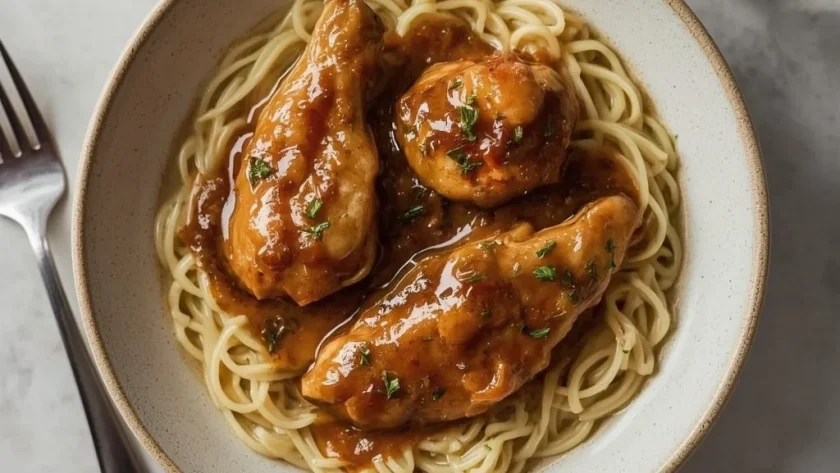
 Low Sodium Swiss Chalet Sauce brings that famous Canadian chicken-dinner flavor right into your own kitchen, minus the salt bomb. This glossy, tangy gravy-style sauce hits all the right notes—rich tomato depth, warm spices, and a subtle sweetness that makes it dangerously easy to pour over everything.
You can have it on the table in just 35 minutes from start to finish, and it’s beginner-friendly enough for a first-time sauce maker. The only mildly tricky moment comes when you add the cornstarch slurry, but I’ll walk you through it so there’s no guesswork.
Why You’ll Love This Recipe
- Salt-free satisfaction — You get the full Chalet-style tang without relying on sodium, thanks to Worcestershire, vinegar, and spices doing the heavy lifting.
- Weeknight-fast — From chopping the onion to the final stir, this sauce comes together in about half an hour with minimal hands-on time.
- Versatile by design — It swings from roasted chicken gravy to poutine topping to a dipping sauce for crispy fries without missing a beat.

What Makes This Recipe Special
The secret here is building layers, not shortcuts. Caramelizing the tomato paste until it turns a deep brick-red creates that umami backbone, while the smoked paprika adds a subtle warmth you won’t find in store-bought versions. The finished sauce coats the back of a spoon with a silky, gloss finish that clings beautifully to whatever you pour it over. It’s the kind of condiment that makes a simple weeknight chicken dinner feel like a proper restaurant meal.
Ingredients You’ll Need
Everything on this list is easy to find at any grocery store, and most of it probably lives in your pantry right now.
The Aromatics and Base
- 1 tablespoon olive oil — The cooking fat that softens the onion and carries the flavor. Any neutral oil works if you’re out.
- 1/2 cup onion, finely diced — A smaller dice means it melts into the sauce rather than leaving chunky bits. Yellow or white onions both work great.
- 2 cloves garlic, minced — Adds that savory punch that makes the sauce taste like it simmered for hours.
- 2 tablespoons tomato paste — The concentrated heart of the sauce. Don’t skip the caramelization step—it’s where the depth comes from.
The Liquid and Flavor Boosters
- 1 1/4 cups low-sodium chicken stock — The base liquid that carries everything. Homemade stock gives the best flavor, but quality store-bought works fine too.
- 4 teaspoons Worcestershire sauce — The backbone of that Chalet-style tang. Look for low-sodium versions if you can find them.
- 1 tablespoon honey — Balances the acidity and adds that subtle sweetness the original is known for. Maple syrup works as a swap if needed.
- 1 teaspoon dry mustard powder — A quiet heat and earthy note that rounds out the other spices.
- 1/2 teaspoon smoked paprika — This is what gives the sauce its subtle smoky character. Regular paprika works but won’t have quite the same depth.
- 1/4 teaspoon ground black pepper — A gentle kick that replaces the heat salt usually provides.
- 1 teaspoon apple cider vinegar — Stirred in at the end to brighten everything and mimic that distinctive tang.
The Thickener
- 1 tablespoon cornstarch mixed with 2 tablespoons cold water — The slurry that transforms thin liquid into glossy gravy. Cold water is crucial—warm water creates lumps.
Equipment Needed
- Small saucepan — A 1.5 to 2-quart pan works perfectly. Anything larger and the sauce spreads too thin to reduce properly.
- Wooden spoon — Essential for scraping up the browned bits when you add the stock. A silicone spatula works in a pinch.
- Fine-mesh sieve — Optional but handy if you want a silky-smooth sauce. Skip it if you like a chunkier texture.
- Measuring spoons — Precision matters here since the quantities are small. Eyeballing the mustard or paprika can throw off the balance.
- Small whisk — For mixing the cornstarch slurry without any lumps. A fork also works if you’re in a hurry.
Instructions to Prepare Low Sodium Swiss Chalet Sauce
The process moves fast once you start, so having everything measured and ready before you turn on the heat makes things smoother.
- Soften the onion — Heat the olive oil in a small saucepan over medium heat until it shimmers. Add the finely diced onion and cook for 4-5 minutes, stirring occasionally, until soft and translucent but not browned.
- Bloom the paste — Add the minced garlic and tomato paste, then stir constantly for 1 minute until the garlic smells fragrant and the paste darkens to a deep brick-red. This caramelization builds the umami foundation.
- Deglaze the pan — Slowly pour in the low-sodium chicken stock while stirring to dissolve the tomato paste. Scrape the bottom with your wooden spoon to release any browned bits for added depth.
- Season the base — Stir in the Worcestershire sauce, honey, dry mustard powder, smoked paprika, and black pepper. Bring to a gentle simmer over medium heat—small bubbles at the edges, not a rolling boil.
- Simmer and reduce — Drop the heat to low and let the sauce bubble uncovered for 15-20 minutes until it reduces by about one-third. Stir occasionally so nothing sticks to the bottom.
- Brighten with vinegar — Stir in the apple cider vinegar. This cuts through the sweetness and gives the sauce that distinctive tang that makes it taste like the real thing.
- Mix the slurry — Whisk the cornstarch with cold water in a small bowl until fully dissolved with no lumps. Cold water is non-negotiable here.
- Thicken the sauce — While stirring the sauce, slowly pour in the slurry. Keep stirring over medium-low heat for 2-3 minutes until it reaches a coat-the-back-of-a-spoon consistency.
- Adjust to taste — Taste and tweak now—a few extra drops of vinegar for more tang, or a pinch of honey if you prefer sweeter. Don’t add salt; the stock and Worcestershire bring plenty.
- Strain if desired — For a smoother texture, press through a fine-mesh sieve, squeezing the solids well. Prefer chunky? Skip this step entirely.
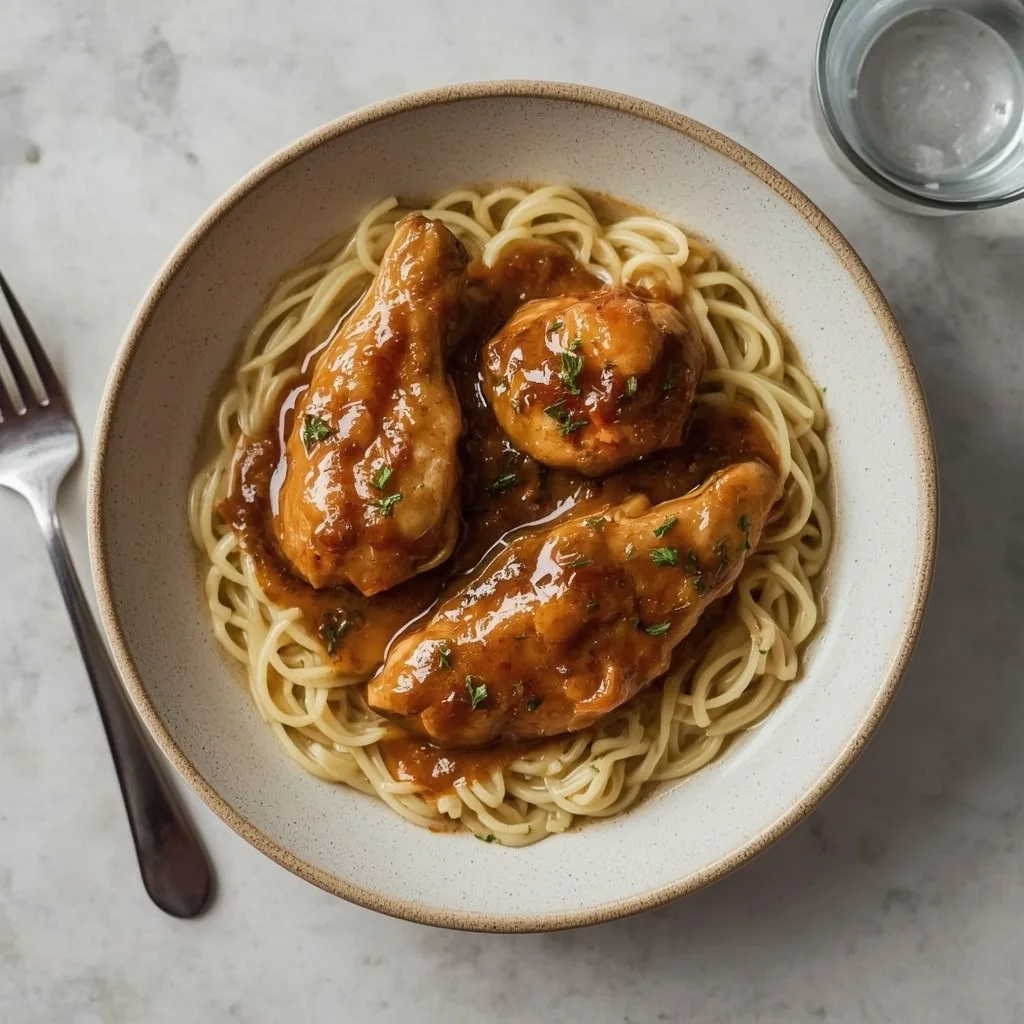
- Serve warm — Pour over roasted chicken, mashed potatoes, or use as a dip for fries. It’s also fantastic on poutine if you’re feeling indulgent.
- Store properly — Cool to room temperature before transferring to an airtight container. It keeps in the fridge for up to 5 days.
Expert Tips for a Standout Low Sodium Swiss Chalet Sauce
A few simple tweaks separate a good sauce from a great one. Here’s what tripped me up the first few times I made this.
- Patience at the paste stage — Let the tomato paste actually darken in color before adding liquid. That 60 seconds of constant stirring is where most of the flavor lives.
- Low and slow simmering — A gentle bubble over low heat concentrates flavors without turning the sauce bitter. A rolling boil breaks down the spices too aggressively.
- Slurry discipline — Always whisk cornstarch into cold water, never warm, or you’ll get lumps that never dissolve no matter how hard you stir.
- Thicker than you think — The sauce plumps up more as it cools, so pull it off the heat when it’s slightly thinner than your ideal final texture.
- Season at the end — Flavors intensify as the sauce reduces. Taste after simmering, not before, or you’ll overcompensate early.
- Double the batch — This sauce freezes beautifully for up to 3 months, so making extra on a Sunday pays off on busy weeknights later.
- Rested is better — If time allows, let the sauce sit for 10 minutes after cooking. The spices meld together and the flavor rounds out noticeably.
Common Mistakes to Avoid
Even experienced cooks hit a snag now and then. Skipping these pitfalls keeps your sauce on track.
- Overcooking the onion — Letting it brown instead of staying translucent adds a burnt bitterness that no amount of honey can fix. Keep it to 4-5 minutes on medium.
- Rushing the slurry — Dumping in unmixed cornstarch creates gelatinous lumps that make the sauce unpalatable. Whisk until there’s no white powder left in the bowl.
- Boiling instead of simmering — A vigorous boil breaks the sauce’s body and can make the cornstarch separate. Keep the liquid at a gentle, lazy bubble.
- Adding salt out of habit — Trust the Worcestershire and stock to carry the flavor. Adding salt defeats the entire purpose and can overwhelm the other seasonings.
- Judging thickness too early — The sauce looks thin right after the slurry goes in. Give it the full 2-3 minutes of stirring before deciding it needs more thickener.
Variations & Ways to Customize Low Sodium Swiss Chalet Sauce
Once you’ve mastered the base recipe, a few small swaps can push it in different directions entirely.
- Extra smoky version — Double the smoked paprika and add a tiny pinch of chipotle powder for a deeper barbecue-style character. Great on grilled chicken.
- Herb-forward twist — Throw in a sprig of fresh thyme or rosemary during the simmer, then remove it before serving. Adds an aromatic layer that screams comfort food.
- Maple-sweetened option — Swap the honey for an equal amount of maple syrup for a slightly more complex sweetness that pairs beautifully with turkey.
- Spicy kick — Add a pinch of cayenne or a few dashes of hot sauce with the other seasonings. It brightens without overwhelming the tang.
- Roasted garlic style — Replace the raw minced garlic with 2 teaspoons of roasted garlic for a mellower, nuttier flavor profile.
- Vegan-friendly base — Use vegetable stock instead of chicken and a vegan Worcestershire sauce. The flavor shifts a bit but stays delicious over roasted vegetables.
What to Serve With Low Sodium Swiss Chalet Sauce
This condiment plays well with almost anything, but these pairings show it off best.
- Roasted chicken — The classic match. Pour it over a simple roast chicken and watch it soak into the meat and crispy skin.
- Mashed potatoes — A generous ladle over fluffy mashed potatoes turns a side dish into the main event. The tang cuts through the richness perfectly.
- Poutine — Canadian comfort food at its finest. Top crispy fries with cheese curds and this sauce for a homemade version of the classic.
- Crispy fries — Use it as a dipping sauce instead of ketchup. The smoky tang makes plain fries taste like a treat.
- Roasted turkey breast — A brilliant way to add flavor without complicated gravy. It works for holiday leftovers too.
- Steamed vegetables — Broccoli, green beans, or carrots get a delicious upgrade with a drizzle of this sauce instead of butter.
Make-Ahead Instructions
This sauce was made for meal prep. A little planning means you’re always minutes away from a flavor boost.
- Cook fully in advance — Make the complete sauce up to 5 days ahead and store it in an airtight container in the fridge. The flavor actually deepens overnight.
- Freeze in portions — Divide cooled sauce into ice cube trays or small freezer bags in 1/4-cup portions. It freezes for up to 3 months with no quality loss.
- Prep the aromatics — Dice the onion and mince the garlic up to 2 days ahead, keeping them in a sealed container in the fridge. Cut your cook time down significantly.
- Mix the slurry ahead — Whisk cornstarch and cold water together and store in a small jar for up to 24 hours. Give it a quick stir before using.
Storage and Reheating
Getting the storage right keeps this sauce ready whenever you need it.
Storage
- Airtight container — Transfer cooled sauce to a glass or plastic container with a tight lid. It stays fresh in the fridge for up to 5 days.
- Freezer bags — For longer storage, pour cooled sauce into labeled freezer bags and lay them flat. They stack easily and thaw quickly.
- Plastic wrap surface — If storing in a bowl, press plastic wrap directly onto the sauce’s surface. It prevents a skin from forming on top.
- Glass jars — Mason jars work great for fridge storage. Leave a little headroom so the sauce doesn’t expand and crack the glass if frozen.
Reheating
- Stovetop method — Warm gently over low heat, stirring frequently. Add water or low-sodium stock 1 tablespoon at a time if it’s too thick after refrigeration.
- Microwave option — Heat in 30-second bursts at medium power, stirring between each interval. Watch closely so it doesn’t scorch on the edges.
- Double boiler trick — Place the sauce in a heatproof bowl over simmering water for gentle reheating. This prevents any risk of burning.
- Cold sauce straight up — In a pinch, this sauce tastes delicious cold as a dip. No reheating required if you’re serving it with fries or veggies.
Nutritional Breakdown (Per Serving)
Based on 1 serving out of 4 total. This keeps the salt count impressively low while still delivering big flavor.
- Calories — 53
- Protein — 0.5g
- Fat — around 3.8g
- Carbohydrates — 4.7g
- Fiber — 0.4g
- Sugar — roughly 2.8g
- Sodium — just 95mg
Frequently Asked Questions
Can I freeze Low Sodium Swiss Chalet Sauce?
Yes, absolutely. Portion it into freezer-safe containers or bags and it will keep for up to 3 months. Thaw overnight in the fridge and reheat gently with a splash of stock if needed.
What makes this sauce taste like the original Swiss Chalet version?
The combination of tomato paste, Worcestershire sauce, and apple cider vinegar creates that signature tangy-sweet profile. The smoked paprika adds a subtle warmth that mimics the original’s layered spice blend.
How long does Low Sodium Swiss Chalet Sauce last in the fridge?
Stored in an airtight container, the sauce stays fresh for up to 5 days. The flavor actually deepens after a day or two as the spices continue to meld together.
Can I use regular chicken stock instead of low-sodium?
Technically yes, but it will significantly increase the sodium content. If that’s all you have, taste before adding any seasoning, as the stock may already provide enough flavor.
Why did my sauce turn out lumpy?
Most likely the cornstarch wasn’t fully dissolved before you added it, or the water wasn’t cold enough. Always whisk the slurry until completely smooth, and use cold water every time.
Can I make this sauce gluten-free?
Yes, with one simple swap. Use a gluten-free Worcestershire sauce since some brands contain gluten. Everything else in the recipe is naturally gluten-free.
More Recipes
Final Words
Low Sodium Swiss Chalet Sauce is proof that cutting salt doesn’t mean sacrificing flavor. The tangy kick, the smoky warmth, and that satisfied feeling of pulling off a restaurant-style condiment from scratch make it worth every minute. Give it a try, pour it over your next roast chicken, and enjoy every bite.
PrintLow Sodium Swiss Chalet Sauce

This copycat Swiss Chalet sauce delivers the iconic chicken gravy flavor—rich, tangy, and subtly spiced—without the salt overload. A blend of tomato, Worcestershire-style seasoning, and warm spices creates a glossy, savory sauce perfect for roasted chicken, mashed potatoes, or poutine.
- Prep Time: 10
- Cook Time: 25
- Total Time: 35
- Yield: 4 1x
- Category: Condiment
- Method: Stovetop
- Cuisine: Canadian
Ingredients
- 1 tablespoon olive oil
- 1/2 cup onion, finely diced
- 2 cloves garlic, minced (about 1 teaspoon)
- 2 tablespoons tomato paste
- 1 1/4 cups low-sodium chicken stock
- 4 teaspoons Worcestershire sauce (low-sodium if available)
- 1 tablespoon honey
- 1 teaspoon dry mustard powder
- 1/2 teaspoon smoked paprika
- 1/4 teaspoon ground black pepper
- 1 teaspoon apple cider vinegar
- 1 tablespoon cornstarch mixed with 2 tablespoons cold water (slurry)
Instructions
- Heat the olive oil in a small saucepan over medium heat until it shimmers. Add the finely diced onion and cook, stirring occasionally, for 4-5 minutes until the onion is soft and translucent but not browned.
- Add the minced garlic and tomato paste to the pan. Stir constantly for 1 minute until the garlic is fragrant and the tomato paste darkens slightly to a deep brick-red color—this caramelization builds the sauce’s umami foundation.
- Slowly pour in the low-sodium chicken stock while stirring to dissolve the tomato paste and prevent lumps. Scrape the bottom of the pan with a wooden spoon to release any browned bits (deglazing) for added depth.
- Stir in the Worcestershire sauce, honey, dry mustard powder, smoked paprika, and black pepper. Bring the mixture to a gentle simmer over medium heat—you should see small bubbles breaking at the edges, not a rolling boil.
- Reduce the heat to low and let the sauce simmer uncovered for 15-20 minutes, stirring occasionally, until it has reduced by about one-third and slightly thickened. During this time, the flavors will meld and concentrate.
- After simmering, stir in the apple cider vinegar. This brightens the sauce and brings a subtle tang that balances the sweetness from the honey, mimicking the original Chalet sauce’s distinctive tang.
- In a small bowl, whisk the cornstarch with cold water until fully dissolved—no lumps should remain. While stirring the sauce, slowly pour the cornstarch slurry into the simmering sauce.
- Continue stirring over medium-low heat for 2-3 minutes until the sauce thickens to a coat-the-back-of-a-spoon consistency. The sauce will thicken further as it cools, so keep it slightly thinner at this stage.
- Taste the sauce and adjust seasoning now—add a few extra drops of vinegar for more tang or a pinch of sugar or honey if you prefer sweeter. Do not add salt; the stock and Worcestershire supply enough flavor.
- Remove the sauce from heat. For a smoother texture, you can strain it through a fine-mesh sieve, pressing the solids to extract as much liquid as possible. If you prefer a chunkier sauce, skip straining.
- Serve warm over roasted chicken, mashed potatoes, or as a dip for fries. If making ahead, cool the sauce to room temperature before transferring to an airtight container.
- Store in the refrigerator for up to 5 days. Reheat gently on the stovetop over low heat, stirring occasionally, and add a splash of water or stock if the sauce becomes too thick after refrigeration.
Notes
Storage: Keep in an airtight container in the refrigerator for up to 5 days. For longer storage, freeze for up to 3 months. Reheating: Warm gently on the stovetop over low heat, stirring occasionally; add water or low-sodium stock 1 tablespoon at a time to restore the desired consistency. This sauce is excellent over roasted chicken, turkey, or as a gravy for poutine.
Nutrition
- Calories: 53
- Sugar: 2.8g
- Sodium: 95mg
- Unsaturated Fat: 0.6g
- Carbohydrates: 4.7g
- Fiber: 0.4g
- Protein: 0.5g
- Cholesterol: 0mg
Keywords: low sodium swiss chalet sauce, swiss chalet gravy, copycat swiss chalet, homemade chicken gravy, low salt sauce, canadian sauce, chicken dipping sauce, poutine gravy, roasted chicken sauce, low sodium gravy, chalet sauce recipe