 Kendric adan
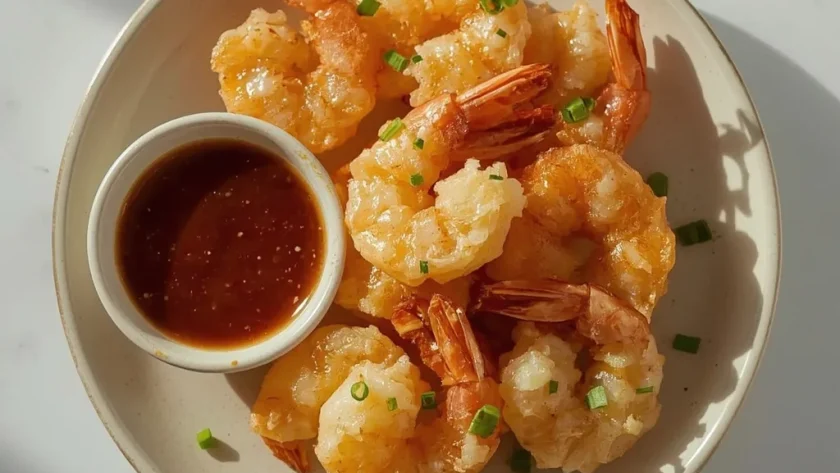
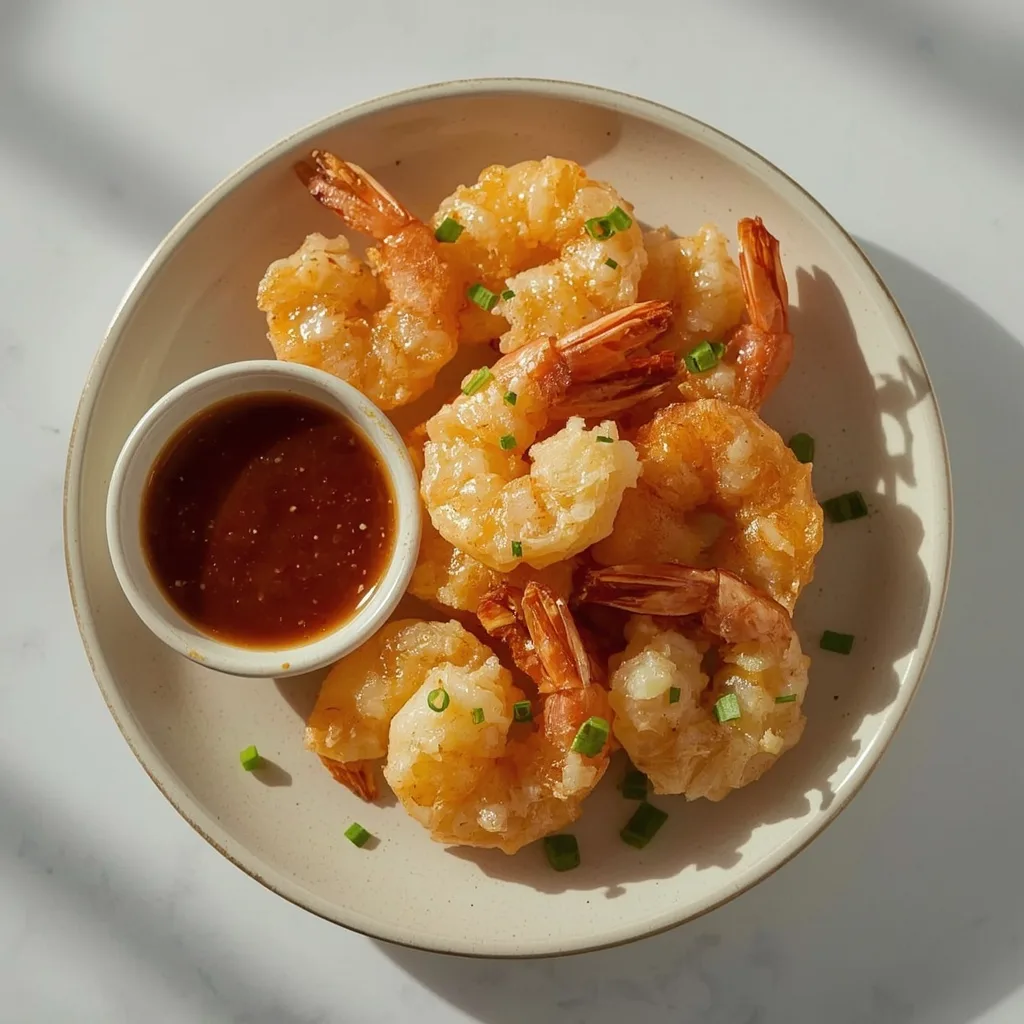
 Shrimp Tempura is one of those dishes that looks like it requires a professional kitchen, but it actually comes together with a few smart tricks at home. The batter stays impossibly light and crisp, while the shrimp inside turns tender and sweet.
From start to finish, this recipe takes about 35 minutes and is beginner-friendly — though the batter mixing step needs a light hand. It’s perfect for a weekend lunch, a Japanese-themed dinner, or a party appetizer that disappears fast.
Why You’ll Love This Shrimp Tempura Recipe
- Crisp that lasts — The batter stays shatteringly crunchy even a few minutes after frying, thanks to the ice-cold water and quick mixing.
- Simple ingredients — You probably already have flour, cornstarch, and eggs. The only specialty item is dashi for the dipping sauce, but a simple substitute works too.
- Restaurant quality at home — With the right oil temperature and a few basic techniques, you’ll get tempura that rivals your favorite takeout spot.
What Makes This Recipe Shrimp Tempura Special
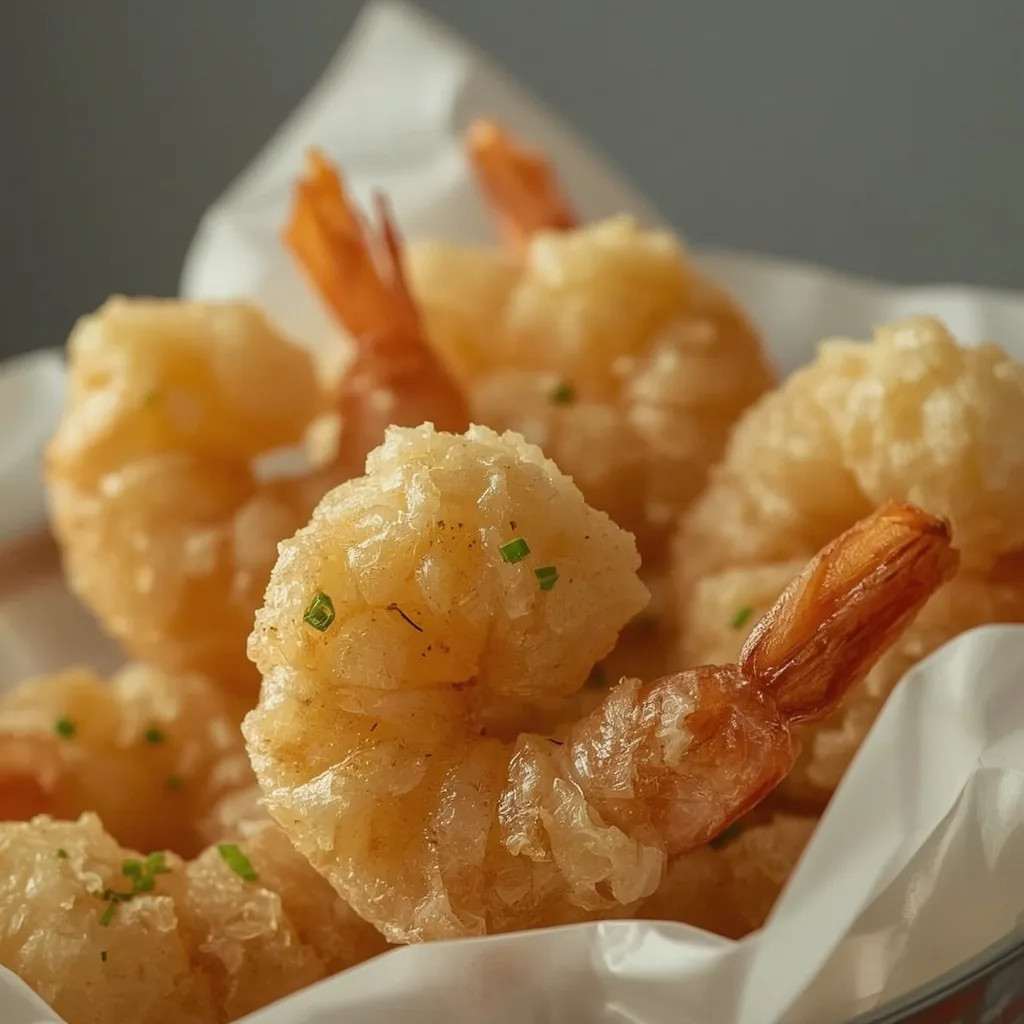
The key is the batter — barely mixed, with visible lumps and streaks of flour. That rough texture creates tiny air pockets that puff up in hot oil, giving Tempura its signature lacy, paper-thin crunch. The shrimp are seasoned lightly, then fried just until the coating turns pale gold. The warm dipping sauce, with grated daikon and ginger, cuts through the richness and adds a fresh finish.
Ingredients You’ll Need
Here is everything you need, broken into three simple groups.
For the Shrimp
- 1 pound jumbo shrimp (16-20 count) — Peeled and deveined, tails left on. The larger size stays juicy inside the thin coating.
- ½ teaspoon kosher salt — Lightly seasons the shrimp without drawing out too much moisture.
- ¼ teaspoon white pepper — Adds a mild heat that blends into the background.
For the Tempura Batter
- 1 cup all-purpose flour — All-purpose gives just enough structure for the lacy crust.
- ¼ cup cornstarch — Helps create that ultra-crisp, shattery texture.
- 1 teaspoon baking powder — A little lift so the batter puffs up quickly in the hot oil.
- 1 large egg, cold — Right from the fridge keeps the batter temperature low.
- 1 cup ice-cold water — The single most important ingredient for a light, non-greasy crust. Use extra if the batter seems too thick.
For the Dipping Sauce
- ½ cup dashi stock (or ½ cup water + ½ teaspoon dashi granules) — The umami backbone of the sauce. Instant dashi is fine.
- 2 tablespoons soy sauce — Adds salty depth.
- 2 tablespoons mirin — Sweet rice wine balances the salt and adds shine.
- 1 tablespoon granulated sugar — Rounds out the flavor.
- ¼ cup grated daikon radish, drained — A fresh, slightly peppery contrast that you stir in just before serving.
- 1 teaspoon grated fresh ginger — Adds a warm zing.
Equipment Needed
- Heavy-bottomed pot or Dutch oven — Holds heat steadily and prevents temperature swings during frying.
- Deep-fry thermometer — Essential for keeping oil between 340-360°F. Without it, you risk greasy or burnt tempura.
- Wire rack set over a baking sheet — Drains fried shrimp without trapping steam under them. Paper towels soften the crust.
- Slotted spoon or wire skimmer — Lifts shrimp out of the oil cleanly and lets excess oil drip back.
- Chopsticks or a fork — For mixing the batter. Chopsticks help you stir without overworking the gluten.
Instructions to Prepare Shrimp Tempura
Follow these steps in order, and the whole process will flow smoothly.
- Prepare the shrimp — Pat the shrimp completely dry with paper towels, then season lightly with kosher salt and white pepper. Make 3 to 4 shallow diagonal slits on the underside of each shrimp to prevent curling during frying; gently press the shrimp flat to straighten. Set aside on a plate lined with paper towels and refrigerate while you prepare the batter and sauce.
- Make the dipping sauce — In a small saucepan, combine the dashi, soy sauce, mirin, and sugar. Bring to a gentle simmer over medium heat, stirring until the sugar dissolves, about 1 minute. Remove from heat and keep warm. Just before serving, stir in the grated daikon and ginger, or serve them on the side.
- Heat the oil — Pour vegetable oil into the pot to a depth of 2 inches. Heat over medium-high heat until the oil reaches 340 to 360°F (170 to 182°C) on a deep-fry thermometer. If you don’t have a thermometer, drop a small bit of batter into the oil; it should sink slightly then immediately float and sizzle vigorously.
- Prepare the batter — In a large bowl, whisk together the flour, cornstarch, and baking powder. In a measuring cup, beat the cold egg briefly with a fork, then add the ice-cold water. Pour the liquid into the dry ingredients and stir with chopsticks or a fork only 8 to 10 strokes; the batter should be lumpy and thin with visible flour streaks. Do not overmix or the tempura will be heavy and dense.
- Check oil temperature — If using a thermometer, hold it at 350°F (177°C). Adjust heat as needed to maintain a steady temperature. It is crucial to keep the oil between 340 and 360°F; below that and the batter absorbs oil, above that and it browns too quickly without cooking through.
- Coat and fry the shrimp — Working in batches of 3 to 4 shrimp, dip each shrimp into the batter, letting excess drip off briefly. Carefully slide it into the hot oil away from you to avoid splashing. Do not overcrowd the pot; the temperature will drop and result in greasy tempura.
- Fry until golden and crisp — Cook the shrimp for 2 to 3 minutes, turning once halfway, until the batter is puffed and pale golden. The shrimp should be cooked through (opaque and firm to the touch). Remove with a slotted spoon or wire skimmer and transfer to a wire rack set over a baking sheet to drain. Do not drain on paper towels as that will make the crust soggy.
- Maintain oil temperature — Between batches, let the oil return to 350°F (177°C) for about 30 seconds. Skim any loose batter bits from the oil with a fine-mesh skimmer to keep the oil clean and prevent off-flavors.
- Fry remaining shrimp — Repeat the coating and frying process with the remaining shrimp, keeping the fried tempura in a single layer on the rack in a 200°F (93°C) oven if you need to hold them warm for more than a few minutes. For best texture, serve immediately.
- Serve — Arrange the hot tempura on a platter with small bowls of warm dipping sauce and piles of grated daikon and ginger. Tempura is best eaten within minutes of frying, while the batter is still shatteringly crisp.
Expert Tips for a Standout Shrimp Tempura
- Keep everything cold — The batter must be ice-cold when it hits the hot oil. That sudden temperature difference creates the puff and keeps oil from soaking in. Chill your bowl and mixing utensils if your kitchen is warm.
- Mix only 8 to 10 strokes — Lumps are not just okay; they are what gives tempura its delicate, lacy texture. Overmixing makes the batter tough and pancake-like.
- Dry the shrimp completely — Any moisture on the surface will steam inside the batter, causing it to separate from the shrimp and turn soggy. Pat them dry with paper towels and then season.
- Slit the underside of the shrimp — Those shallow cuts are not optional. They break the muscle fibers so the shrimp stays straight rather than curling into a tight ball when fried.
- Use a thermometer for oil — Guessing the temperature leads to either oil-soaked tempura (too cool) or burnt batter with raw centers (too hot). A simple deep-fry thermometer costs very little and changes the outcome completely.
- Fry in small batches — Three to four shrimp at a time keeps the oil temperature steady. Dumping in too many drops the temp, and the batter absorbs oil like a sponge.
- Drain on a wire rack, not paper towels — Hot steam trapped under paper softens the crisp crust. A wire rack lets air circulate all around, keeping the crunch alive for several minutes.
Common Mistakes to Avoid
- Overmixing the batter — This develops gluten and creates a dense, chewy coating instead of a light, airy one. Stop after a few strokes, even if it looks lumpy.
- Frying in oil that is not hot enough — If the oil temperature drops below 340°F, the batter soaks up oil and turns greasy. Always let the oil recover between batches.
- Skipping the shrimp prep step — Not slitting the underside causes the shrimp to curl, which makes uneven frying and a messy presentation. The five seconds it takes are worth it.
- Using room-temperature ingredients — Warm batter = heavy crust. Both the egg and water must be ice-cold straight from the refrigerator. Some people even chill the flour briefly.
- Letting the battered shrimp sit before frying — Once you dip the shrimp, slide it into the oil immediately. If it sits, the batter begins to hydrate and loses its puffiness.
- Reheating in the microwave — This turns the crisp tempura into a limp, rubbery mess. If you must reheat, use the oven or air fryer (details in the storage section).
Variations & Ways to Customize Shrimp Tempura
- Vegetable tempura — Swap some shrimp for thin slices of sweet potato, zucchini, bell pepper, or shiso leaves. Fry them after the shrimp are done, using the same batter.
- Spicy dipping sauce — Add 1 teaspoon of chili oil or a pinch of shichimi togarashi to the warm sauce for a kick. Serve extra chili threads on the side.
- Gluten-free alternative — Replace the all-purpose flour with a gluten-free all-purpose blend and use tamari instead of soy sauce. The texture will be slightly different but still crisp.
- Herb-infused batter — Stir in 1 tablespoon of finely chopped fresh parsley, cilantro, or chives after the batter comes together. It adds flecks of color and a subtle freshness.
- Tempura with a twist of lemon — Squeeze a wedge of lemon over the fried shrimp right before serving. The acidity brightens the whole dish and cuts the richness of the oil.
- Shrimp and vegetable combo platter — Alternate shrimp with broccoli florets, asparagus spears, and thin carrot strips. Arrange them on a big platter with two dipping sauce bowls for variety.
What to Serve With Shrimp Tempura
This dish shines best alongside simple, complementary sides that keep the focus on the tempura itself.
- Steamed short-grain rice — A bowl of plain rice balances the rich, fried shrimp and soaks up any leftover dipping sauce.
- Miso soup — The warm, savory broth with tofu and seaweed makes a classic Japanese meal pairing that is both light and satisfying.
- Sunomono (cucumber salad) — Thinly sliced cucumbers in a rice vinegar and sesame dressing provide a cool, tangy contrast to the hot tempura.
- Grated daikon and ginger — Serve extra piles of each alongside the sauce. Stirring them in adds a fresh, zesty bite that cuts through the oil.
- Cold Japanese beer or green tea — A dry lager like Asahi or Sapporo cleanses the palate, while a cup of matcha or sencha offers a non-alcoholic option with a gentle bitterness.
Make-Ahead Instructions
- Prep the shrimp up to 24 hours ahead — Slit and season the shrimp, then arrange them on a plate lined with paper towels. Cover with plastic wrap and refrigerate. Do not bread them yet.
- Mix the dry ingredients in advance — Combine the flour, cornstarch, and baking powder in an airtight container. Store at room temperature for up to a week. When ready, just add the cold egg and water.
- Make the dipping sauce up to 3 days ahead — Simmer the dashi, soy sauce, mirin, and sugar, then cool and refrigerate in an airtight jar. Reheat gently before serving, then stir in the daikon and ginger at the last minute.
- Do not batter or fry ahead — The batter needs to be used immediately, and fried tempura loses its crunch within half an hour. Fry just before serving for the best results.
Storage and Reheating
Storage
- Room temperature — If you have leftovers (rare!), let them cool completely on a wire rack, then transfer to an airtight container lined with a paper towel. Keep at room temperature for up to 4 hours — longer than that and they soften.
- Refrigerator — Store in an airtight container for up to 1 day. The cold will soften the crust further, so only do this if you plan to reheat using dry heat.
- Freezer — Freezing is not recommended. The thawing process ruins the crisp coating completely, and the shrimp turns mushy.
Reheating
- Oven — Place the shrimp in a single layer on a wire rack set over a baking sheet. Reheat at 350°F (177°C) for 5 minutes. This restores some of the crunch without overcooking the shrimp.
- Air fryer — Arrange in a single layer and cook at 350°F (177°C) for 2-3 minutes. The air fryer works almost as well as the oven, but check frequently to avoid drying out.
- Never microwave — The microwave turns the batter into a tough, rubbery shell. No method can fix that, so skip it entirely.
- Stovetop (not recommended) — If you must, heat a thin layer of oil in a skillet over medium heat and reheat each shrimp for about 30 seconds per side. It will be greasier than the original, but better than the microwave.
Nutritional Breakdown (Per Serving)
Based on 1 serving = about 4 shrimp plus a portion of the dipping sauce.
- Calories: 300
- Protein: 27g
- Fat: around 9g
- Saturated Fat: 1.5g
- Carbohydrates: 27g
- Fiber: 1g
- Sugar: roughly 4g
- Sodium: 520mg
- Cholesterol: 210mg
Frequently Asked Questions
Can I use frozen shrimp for Shrimp Tempura?
Yes, but thaw them completely in the refrigerator overnight and pat them very dry with paper towels. Any excess moisture will cause the batter to steam and separate from the shrimp during frying.
How do I keep the batter cold while frying multiple batches?
Place the bowl of batter inside a larger bowl filled with ice water. Stir gently between batches to keep the temperature low. If the batter warms up, the tempura will turn out heavy and oily.
Why did my tempura turn out greasy?
Two common reasons: the oil was not hot enough (below 340°F), or you overcrowded the pan. Both cause the temperature to drop, making the batter absorb oil instead of puffing instantly.
Can I make Gluten-Free Shrimp Tempura?
Absolutely. Substitute the all-purpose flour with a 1-to-1 gluten-free baking flour that contains xanthan gum. The texture will be a little more crackly, but it still works beautifully.
How long does Shrimp Tempura last in the fridge?
Leftover tempura will keep for up to 1 day in an airtight container in the refrigerator. The crust will soften significantly, so plan to reheat in the oven or air fryer.
Can I reuse the frying oil?
Yes, if you strain it through a fine-mesh sieve lined with cheesecloth to remove any batter bits. Store it in a sealed container in a cool, dark place for up to 2 weeks. The oil will have a mild shrimp flavor, so reuse it only for similar dishes.
Final Words
Homemade Shrimp Tempura is one of those dishes that feels like a treat every single time. The combination of that delicate, lacy crust and the sweet tender shrimp is hard to beat, especially when dunked into the warm, savory sauce. I hope you give this recipe a try soon — it’s easier than you think, and the results will make you feel like a pro in your own kitchen.
Similar Recipes
PrintShrimp Tempura

Delicately crisp and golden, this shrimp tempura features succulent jumbo shrimp encased in an airy, lacy batter that shatters with each bite. Served with a warm, savory dipping sauce and fresh grated daikon, it’s a classic Japanese appetizer that’s surprisingly achievable at home.
- Prep Time: 20
- Cook Time: 15
- Total Time: 35
- Yield: 4 1x
- Category: Appetizer
- Method: Deep-Fry
- Cuisine: Japanese
Ingredients
- For the Shrimp:
- 1 pound jumbo shrimp (16–20 count), peeled and deveined, tails left intact
- 1/2 teaspoon kosher salt
- 1/4 teaspoon white pepper
- For the Tempura Batter:
- 1 cup all-purpose flour
- 1/4 cup cornstarch
- 1 teaspoon baking powder
- 1 large egg, cold
- 1 cup ice-cold water, plus more if needed
- For the Dipping Sauce:
- 1/2 cup dashi stock (or 1/2 cup water + 1/2 teaspoon dashi granules)
- 2 tablespoons soy sauce
- 2 tablespoons mirin
- 1 tablespoon granulated sugar
- For Serving:
- 1/4 cup grated daikon radish, drained
- 1 teaspoon grated fresh ginger
- Vegetable oil, for deep-frying (about 6 cups)
Instructions
- Prepare the shrimp: Pat the shrimp completely dry with paper towels, then season lightly with kosher salt and white pepper. Make 3 to 4 shallow diagonal slits on the underside of each shrimp to prevent curling during frying; gently press the shrimp flat to straighten. Set aside on a plate lined with paper towels and refrigerate while you prepare the batter and sauce.
- Make the dipping sauce: In a small saucepan, combine the dashi, soy sauce, mirin, and sugar. Bring to a gentle simmer over medium heat, stirring until the sugar dissolves, about 1 minute. Remove from heat and keep warm. Just before serving, stir in the grated daikon and ginger, or serve them on the side.
- Heat the oil: Pour vegetable oil into a heavy-bottomed pot or Dutch oven to a depth of 2 inches. Heat over medium-high heat until the oil reaches 340 to 360°F (170 to 182°C) on a deep-fry thermometer. If you don’t have a thermometer, drop a small bit of batter into the oil; it should sink slightly then immediately float and sizzle vigorously.
- Prepare the batter: In a large bowl, whisk together the flour, cornstarch, and baking powder. In a measuring cup, beat the cold egg briefly with a fork, then add the ice-cold water. Pour the liquid into the dry ingredients and stir with chopsticks or a fork only 8 to 10 strokes; the batter should be lumpy and thin with visible flour streaks. Do not overmix or the tempura will be heavy and dense.
- Check oil temperature: If using a thermometer, hold it at 350°F (177°C). Adjust heat as needed to maintain a steady temperature. It is crucial to keep the oil between 340 and 360°F; below that and the batter absorbs oil, above that and it browns too quickly without cooking through.
- Coat and fry the shrimp: Working in batches of 3 to 4 shrimp, dip each shrimp into the batter, letting excess drip off briefly. Carefully slide it into the hot oil away from you to avoid splashing. Do not overcrowd the pot; the temperature will drop and result in greasy tempura.
- Fry until golden and crisp: Cook the shrimp for 2 to 3 minutes, turning once halfway, until the batter is puffed and pale golden. The shrimp should be cooked through (opaque and firm to the touch). Remove with a slotted spoon or wire skimmer and transfer to a wire rack set over a baking sheet to drain. Do not drain on paper towels as that will make the crust soggy.
- Maintain oil temperature: Between batches, let the oil return to 350°F (177°C) for about 30 seconds. Skim any loose batter bits from the oil with a fine-mesh skimmer to keep the oil clean and prevent off-flavors.
- Fry remaining shrimp: Repeat the coating and frying process with the remaining shrimp, keeping the fried tempura in a single layer on the rack in a 200°F (93°C) oven if you need to hold them warm for more than a few minutes. For best texture, serve immediately.
- Serve: Arrange the hot tempura on a platter with small bowls of warm dipping sauce and piles of grated daikon and ginger. Tempura is best eaten within minutes of frying, while the batter is still shatteringly crisp.
Notes
Storage: Fried tempura does not store well; leftovers will lose crispness within hours. If you must keep them, refrigerate in an airtight container for up to 1 day and reheat in a 350°F (177°C) oven on a wire rack for about 5 minutes, or in an air fryer at 350°F (177°C) for 2-3 minutes. Never microwave, as the batter will become rubbery. Freezing is not recommended. For best results, fry just before serving.
Nutrition
- Calories: 300
- Sugar: 4g
- Sodium: 520mg
- Unsaturated Fat: 1g
- Trans Fat: 9g
- Carbohydrates: 27g
- Fiber: 1g
- Protein: 27g
- Cholesterol: 220mg
Keywords: shrimp tempura, tempura recipe, Japanese appetizer, crispy shrimp, deep fried shrimp, tempura batter, shrimp recipe, weeknight dinner, party appetizer, Asian cuisine, homemade tempura, seafood tempura