 Kendric adan
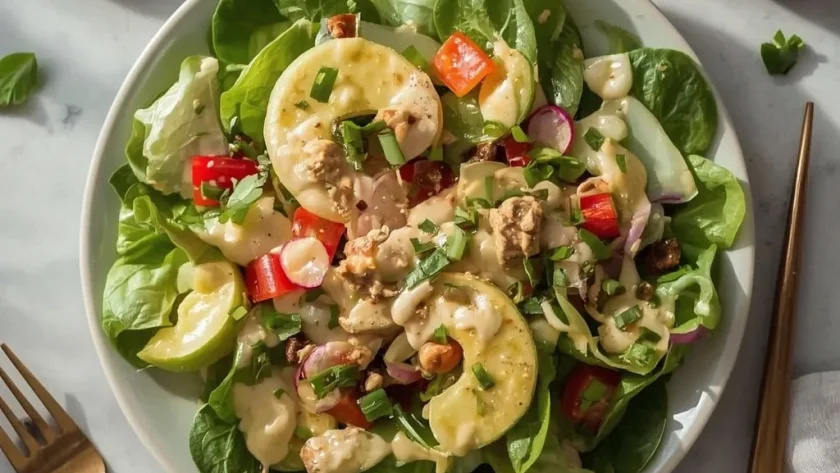
Benihana Ginger Dressing is the creamy, tangy salad topper that makes every bite of greens taste like a restaurant side dish. With fresh ginger, soy sauce, and a touch of sweetness, this copycat version brings that signature umami punch straight to your kitchen.
It takes about 15 minutes to make with zero cooking required. This is a beginner-friendly recipe — just a blender and a quick chop are all you need. The only slightly tricky part is emulsifying the oil slowly so the dressing stays creamy rather than separating.
Why You’ll Love This Recipe
- Bold restaurant flavor — This dressing tastes just like the one served at Benihana, with the same bright ginger kick and smooth finish.
- Ready in minutes — No cooking, no simmering, no waiting. Just blend, chill, and pour.
- Simple everyday ingredients — Fresh ginger, onion, carrot, soy sauce, and a few pantry staples are all you need.
- Keeps for a week — Make a batch on Sunday and enjoy it on salads all week long.
What Makes This Recipe Special
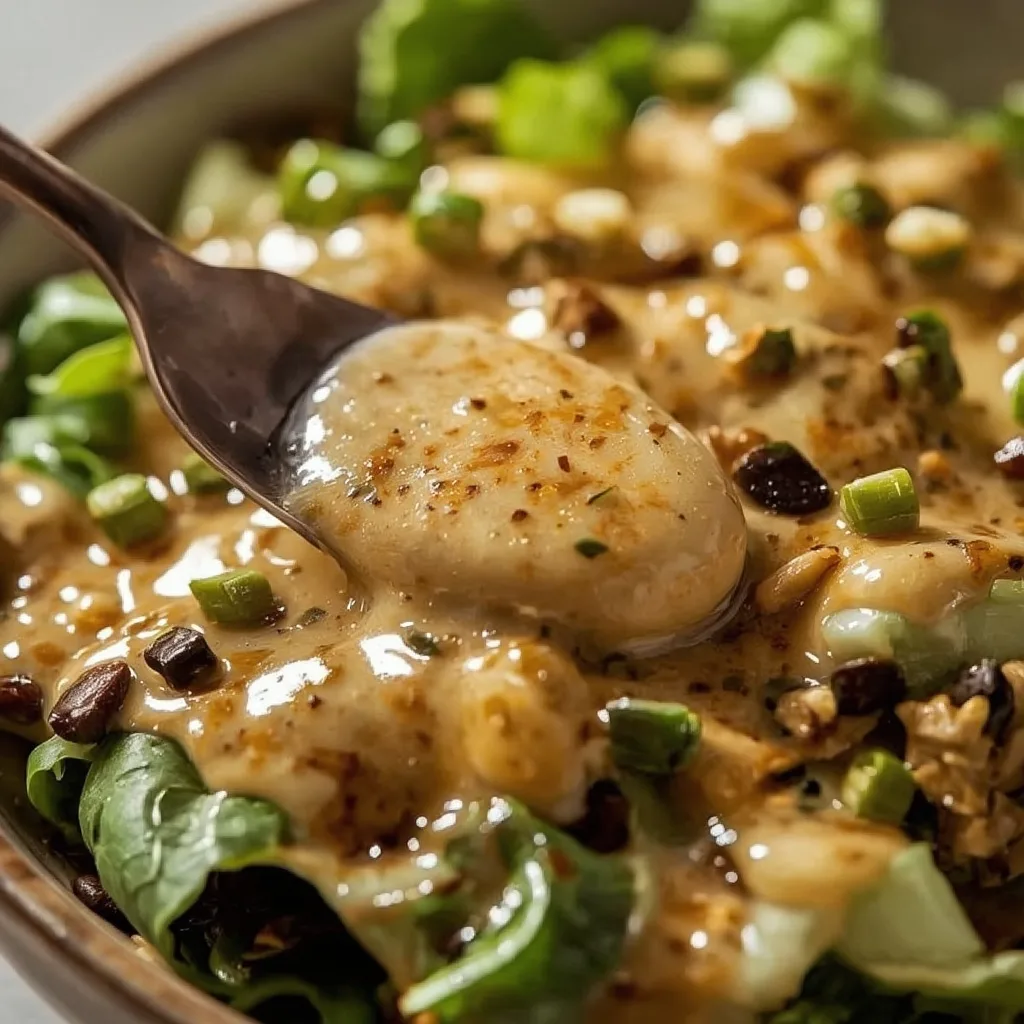
The secret is the blend of fresh ginger, carrot, and onion puréed into a silky emulsion with vegetable and toasted sesame oils. That slow drizzle of oil while blending creates a creamy texture that clings to every lettuce leaf without feeling heavy. The flavor hits salty, tangy, and gently sweet all at once, with a warm ginger finish that never overpowers. This is the kind of dressing that turns a simple side salad into the part of the meal you crave.
Ingredients You’ll Need
Here is everything that goes into the blender. Each ingredient plays a specific role in the final taste and texture.
Fresh Produce
- Fresh ginger (2 tablespoons, peeled and roughly chopped) — Ginger is the star here. Use the edge of a spoon to peel it — that removes the thin skin without wasting any of the flesh.
- Yellow onion (2 tablespoons, roughly chopped) — Adds a mild savory base that rounds out the sharp ginger.
- Carrot (2 tablespoons, peeled and roughly chopped) — Provides natural sweetness and gives the dressing its characteristic pale orange hue.
- Celery (1 tablespoon, roughly chopped) — A small amount adds freshness and a subtle vegetal note.
- Garlic (½ clove, peeled — about 2g) — Just a hint of garlic in the background. Do not use a full clove or it will dominate.
Pantry & Fridge Staples
- Low-sodium soy sauce (1 tablespoon) — Brings the salty umami depth. Low-sodium lets you control the salt level better.
- Unseasoned rice vinegar (1 tablespoon) — Provides the tangy brightness. Unseasoned is important — seasoned vinegar has added sugar and salt that will throw off the balance.
- Granulated sugar (1½ teaspoons) — Just enough sweetness to round out the acidity and soy saltiness.
- Vegetable oil (2½ tablespoons) — The main oil for the emulsion. A neutral oil like canola or grapeseed works perfectly.
- Toasted sesame oil (½ teaspoon) — A tiny amount adds that unmistakable nutty aroma. A little goes a long way.
- Fresh lemon juice (½ tablespoon) — Adds a bright citrus note that lifts all the other flavors.
- Water (1 tablespoon, plus more if needed) — Helps the vegetables blend smoothly and lets you adjust the final consistency.
Equipment Needed
- Blender (standard size) — A blender creates a smooth emulsion better than a food processor, which tends to leave coarse bits. A small blender jar works fine for this batch size.
- Cutting board and knife — For roughly chopping the ginger, onion, carrot, celery, and garlic. The pieces only need to be small enough for the blender to handle — precision is not required.
- Spoon for peeling ginger — The edge of a spoon scrapes off ginger skin quickly and wastes less flesh than a peeler.
- Measuring spoons — Accurate measurements matter here because the flavor balance is tight. Use standard measuring spoons, not kitchen spoons.
- Glass jar or airtight container — For storing the finished dressing. Glass is best because it does not absorb odors and lets you see the layers if separation occurs.
Instructions to Prepare Benihana Ginger Dressing
The process is straightforward — chop, blend, drizzle, and chill. Here is how to do it step by step.
- Prep the vegetables — Peel the ginger with the edge of a spoon and roughly chop it into ¼-inch pieces. Roughly chop the onion, carrot, and celery. Peel the garlic clove. Keeping the pieces small and uniform helps the blender create a smooth texture.
- Combine the base ingredients — In a standard blender, add the chopped ginger, onion, carrot, celery, garlic, soy sauce, rice vinegar, sugar, lemon juice, and water. The liquids help the fibrous vegetables break down more easily.
- Blend until smooth — Start on low speed for 10 seconds to break up the larger pieces, then increase to high speed and blend for 30 to 60 seconds. Stop and scrape down the sides once if needed. The mixture should be completely smooth with no visible flecks of ginger or carrot.
- Emulsify with the oils — With the blender running on low, slowly drizzle in the vegetable oil and toasted sesame oil through the opening in the lid. This gradual addition creates an emulsion that stays creamy and does not separate as quickly. Do not dump the oil in all at once.
- Blend and taste — Once all the oil is incorporated, blend on high for another 15 seconds. Taste the dressing. It should be tangy from the vinegar and lemon, salty from the soy, and gently sweet. If it tastes too sharp, add ½ teaspoon additional sugar and blend briefly.
- Adjust the consistency — If the dressing is thicker than you prefer, add water 1 teaspoon at a time and blend until it reaches a pourable consistency. For a classic Benihana-style dressing, aim for the thickness of heavy cream.
- Chill before serving — Transfer the dressing to a glass jar or airtight container. Refrigerate for at least 30 minutes before serving. This resting period allows the flavors to meld and the ginger heat to mellow slightly.
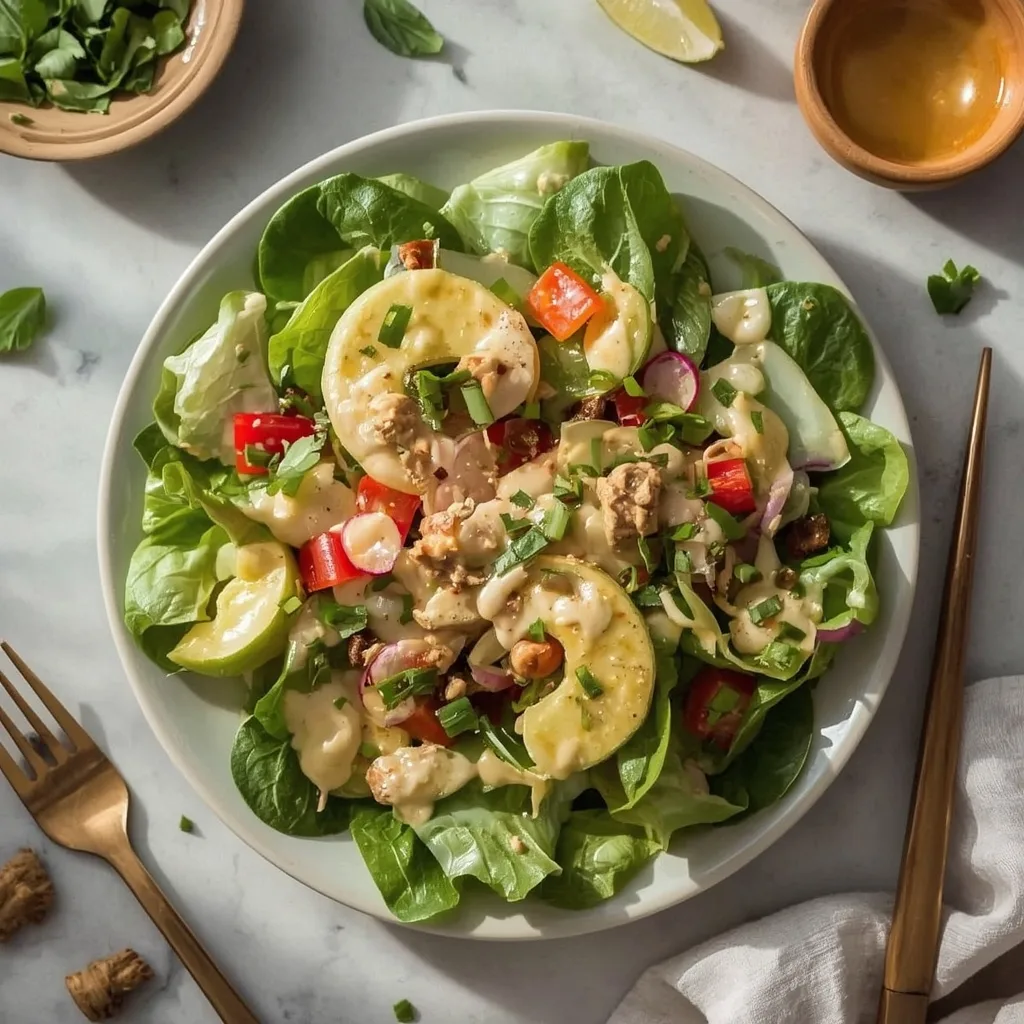
- Shake and serve — Just before serving, shake or stir vigorously because some settling may occur. Serve over a crisp iceberg, romaine, or mixed green salad.
Expert Tips for a Standout Benihana Ginger Dressing
- Peel ginger with a spoon — The edge of a spoon scrapes off the thin brown skin without cutting into the flesh. A vegetable peeler removes too much of the fibrous ginger and wastes more than necessary.
- Use a blender, not a food processor — A food processor leaves coarse vegetable bits because the blades are farther from the walls. A blender creates a silky-smooth emulsion that matches the original restaurant texture.
- Drizzle oil in slowly — Pouring the oil too fast will break the emulsion, leaving you with a thin, greasy dressing instead of a creamy one. A steady thin stream while the blender runs on low is the way to go.
- Let the dressing rest before serving — The 30-minute chill is not optional. Fresh ginger straight from the blender can taste harsh and raw. Resting mellows that heat and lets the soy and vinegar flavors blend together.
- Taste and adjust before chilling — After blending, taste for balance. Add extra sugar if it is too sharp, or a pinch of salt if it tastes flat. Once chilled, the flavors will be slightly muted, so get the balance right while it is at room temperature.
- Add water for a thinner consistency — The dressing thickens as it sits in the fridge. If you prefer a thinner dressing, add 1 teaspoon of water at a time and blend again until it reaches the right pourable texture.
- Shake well before each use — Some separation is normal, especially after refrigeration. A vigorous shake or stir brings everything back together.
Common Mistakes to Avoid
- Using a full garlic clove — A full clove of raw garlic will overpower the delicate ginger and onion flavors. Stick with half a clove (about 2 grams) for the right background note.
- Skipping the fresh ginger — Ground ginger or jarred ginger paste will not give you the same bright, pungent kick. Fresh ginger is essential for the signature taste and texture.
- Blending on high from the start — Starting on high speed with large vegetable pieces can spray the mixture up the sides of the blender jar and leave chunks stuck under the blades. Start on low for 10 seconds first.
- Pouring all the oil at once — Adding the oil in one go prevents emulsification. The dressing will separate into a watery layer and an oily layer, and it will not recombine no matter how much you shake it.
- Skipping the resting time — Serving the dressing immediately after blending gives you a raw, harsh ginger flavor. The 30-minute chill in the fridge softens that edge and allows the flavors to marry.
- Freezing the dressing — The emulsion will break upon thawing, leaving you with a grainy, separated mess. This dressing is best fresh and will keep in the fridge for up to a week — just do not freeze it.
Variations & Ways to Customize Benihana Ginger Dressing
- Spicier version — Add a small pinch of cayenne pepper or a thin slice of fresh chili to the blender along with the ginger. The heat pairs well with the sesame and soy flavors.
- Milder sweeter dressing — Increase the carrot to 3 tablespoons and reduce the ginger to 1½ tablespoons. This gives a softer, sweeter profile that is more approachable for kids or sensitive palates.
- Creamier texture — Add 1 tablespoon of plain Greek yogurt or a small piece of soft silken tofu before blending. This creates an extra-lush dressing with a slightly thicker body.
- Lower-sodium option — Use coconut aminos instead of soy sauce, or reduce the soy sauce to 2 teaspoons and add 1 teaspoon of water to compensate. The flavor will be slightly less salty but still umami-rich.
- Citrus-forward twist — Replace half the rice vinegar with fresh lime juice and add a pinch of lime zest. The bright citrus note makes this version especially good with grilled chicken or shrimp salads.
- Herb-infused dressing — Add 2 to 3 fresh cilantro leaves or a small basil leaf to the blender along with the other vegetables. The herb adds a fresh layer that complements the ginger without overpowering it.
What to Serve With Benihana Ginger Dressing
This dressing pairs best with simple, crisp salads that let its flavor shine. Here are some of my favorite ways to use it.
- Classic iceberg wedge — A quarter head of crisp iceberg lettuce with a generous drizzle of the dressing captures the Benihana restaurant experience. Add a few cherry tomatoes on the side.
- Shredded romaine and carrots — Thinly sliced romaine lettuce, shredded carrot, and a handful of crunchy wonton strips make a quick side salad that mimics the original.
- Grilled chicken salad — Sliced grilled chicken breast over mixed greens with the ginger dressing creates a satisfying main-dish salad. The tangy dressing cuts through the smoky chicken nicely.
- Cold noodle salad — Toss chilled soba noodles or thin rice noodles with shredded cucumber, edamame, and a generous amount of the dressing for an easy lunch.
- Spring roll dipping sauce — Use the dressing as a dip for fresh spring rolls filled with shrimp, avocado, and vermicelli. The creamy consistency works better than watery dipping sauces.
- Steamed vegetable topper — Drizzle the dressing over steamed broccoli, green beans, or asparagus. It adds flavor without the heaviness of butter or cheese.
Make-Ahead Instructions
- Chop vegetables in advance — Peel and roughly chop the ginger, onion, carrot, and celery up to 24 hours ahead. Store them together in a sealed container in the fridge, then blend when ready.
- Mix the liquid base early — Combine the soy sauce, rice vinegar, sugar, lemon juice, and water in a small jar and refrigerate. When you are ready to blend, just add the fresh vegetables and oil.
- Blend the full batch — Make the entire dressing up to 1 week ahead and store it in an airtight glass jar in the refrigerator. The flavor actually improves after a day or two as the ginger mellows.
- Portion into small containers — Divide the finished dressing into 2-ounce or 4-ounce containers for grab-and-go salads throughout the week. Each small container stays fresh until opened.
Storage and Reheating
Storage
- Glass jar with tight lid — Transfer the dressing to a clean glass jar or airtight container. Glass does not absorb odors and lets you see if separation has occurred.
- Refrigerate for up to 1 week — The dressing stays fresh and flavorful for 7 days. After that, the ginger can start to turn bitter and the color may darken slightly.
- Shake before each use — Ingredients settle during storage, especially the carrot and ginger particles. A vigorous shake for 10 to 15 seconds recombines everything.
- Do not freeze — Freezing breaks the emulsion completely. Upon thawing, the dressing turns grainy and watery with no way to fix it. Keep it in the fridge only.
Reheating
- Do not heat this dressing — This dressing is intended to be served cold. Heating will break the emulsion, dull the fresh ginger flavor, and create a greasy texture.
- Take the chill off gently — If you prefer a less cold dressing, let it sit at room temperature for 10 to 15 minutes before serving. Stir well before using.
- Use cold straight from the fridge — The dressing is designed to be used cold over salad greens. The chilled consistency clings better to leaves and provides a refreshing contrast to warm main dishes.
Nutritional Breakdown (Per Serving)
Based on 1 serving = ¼ of the total batch.
- Calories — 100
- Protein — 0g
- Fat — 9g
- Carbohydrates — 4g
- Fiber — 0g
- Sugar — around 2g
- Sodium — roughly 225mg
Frequently Asked Questions
Can I make Benihana Ginger Dressing ahead of time?
Yes, you can make it 3 to 4 days ahead and the flavor will be even better. Store it in an airtight container in the fridge and shake well before serving.
What is the best oil to use for this dressing?
A neutral vegetable oil like canola, grapeseed, or avocado oil works best. Olive oil has a strong flavor that competes with the ginger and sesame.
How long does Benihana Ginger Dressing last in the fridge?
It stays fresh for up to 1 week when stored in a sealed glass jar. After 7 days, the ginger flavor starts to fade and the color may dull.
Can I use ground ginger instead of fresh?
No, ground ginger will not give you the same bright, zesty flavor or the smooth texture. Fresh ginger is essential for this recipe.
Can I freeze Benihana Ginger Dressing?
No, freezing will break the emulsion and leave you with a grainy, separated dressing. This recipe is best made fresh and kept in the refrigerator only.
Why did my dressing separate after blending?
Separation usually happens when the oil is added too quickly. Next time, drizzle the oil in a slow, steady stream while the blender runs on low to create a stable emulsion.
Final Words
This Benihana Ginger Dressing is one of those recipes that proves homemade versions can absolutely beat the restaurant original. The fresh ginger and carrot give it a brightness that bottled dressings just cannot match. Give it a try with a simple iceberg salad and see how fast it becomes your new favorite.
More Recipes
PrintBenihana Ginger Dressing

Creamy, tangy, and subtly sweet, this copycat Benihana Ginger Dressing is a perfect balance of fresh ginger, soy sauce, and rice vinegar. Blended until smooth, it coats every leaf of your salad with a vibrant, umami-rich flavor. This easy no-cook dressing is a restaurant favorite you can make at home in minutes.
- Prep Time: 15
- Total Time: 15
- Yield: 4 1x
- Category: Appetizer
- Method: No-Cook
- Cuisine: Japanese
Ingredients
- 2 tablespoons fresh ginger, peeled and roughly chopped (about 15g)
- 2 tablespoons yellow onion, roughly chopped (about 20g)
- 2 tablespoons carrot, peeled and roughly chopped (about 15g)
- 1 tablespoon celery, roughly chopped (about 7.5g)
- 1 tablespoon low-sodium soy sauce (15ml)
- 1 tablespoon unseasoned rice vinegar (15ml)
- 1.5 teaspoons granulated sugar (6g)
- 1/2 clove garlic, peeled (about 2g)
- 2.5 tablespoons vegetable oil (37.5ml)
- 1/2 teaspoon toasted sesame oil (2.5ml)
- 1/2 tablespoon fresh lemon juice (7.5ml)
- 1 tablespoon water (15ml), plus more if needed
Instructions
- Prepare all ingredients: peel the ginger using the edge of a spoon (this removes the skin without wasting flesh) and roughly chop into 1/4-inch pieces. Roughly chop the onion, carrot, and celery, and peel the garlic clove. This ensures even blending and a smooth final texture.
- In a standard blender (avoid a food processor, which may leave coarse bits), combine the chopped ginger, onion, carrot, celery, garlic, soy sauce, rice vinegar, sugar, lemon juice, and water. These liquid ingredients help the fibrous vegetables break down more easily.
- Blend on low speed for 10 seconds to break up the larger pieces, then increase to high speed and blend for 30 to 60 seconds, until the mixture is completely smooth and no visible flecks of ginger or carrot remain. Stop and scrape down the sides once if needed.
- With the blender running on low, slowly drizzle in the vegetable oil and toasted sesame oil through the opening in the lid. This gradual addition creates an emulsion, giving the dressing a creamy, stable consistency that will not separate as quickly.
- Once all oil is incorporated, blend on high for another 15 seconds. Taste the dressing: it should be tangy from vinegar and lemon, salty from soy, and gently sweet. If it tastes too sharp, add 1/2 teaspoon additional sugar and blend briefly.
- If the dressing is thicker than you prefer, add water 1 teaspoon at a time and blend until it reaches a pourable consistency. For a classic Benihana-style dressing, aim for the thickness of heavy cream.
- Transfer the dressing to a glass jar or airtight container. Refrigerate for at least 30 minutes before serving; this resting period allows the flavors to meld and the ginger heat to mellow slightly.
- Just before serving, shake or stir vigorously because some settling may occur. Serve over a crisp iceberg, romaine, or mixed green salad. The dressing will keep well in the refrigerator for up to 1 week; do not freeze as the emulsion will break upon thawing.
Notes
Store the dressing in an airtight container in the refrigerator for up to 1 week. Shake or stir well before each use, as ingredients may settle. Do not freeze, as the emulsion will break and the texture will become grainy. This dressing is not intended to be heated; serve cold.
Nutrition
- Calories: 100
- Sugar: 2g
- Sodium: 225mg
- Unsaturated Fat: 1g
- Carbohydrates: 4g
- Fiber: 0g
- Protein: 0g
- Cholesterol: 0mg
Keywords: Benihana ginger dressing, homemade Japanese salad dressing, copycat Benihana recipe, ginger dressing, Japanese ginger dressing, easy salad dressing, no-cook dressing, creamy ginger dressing, restaurant-style dressing, Asian dressing