 Kendric adan
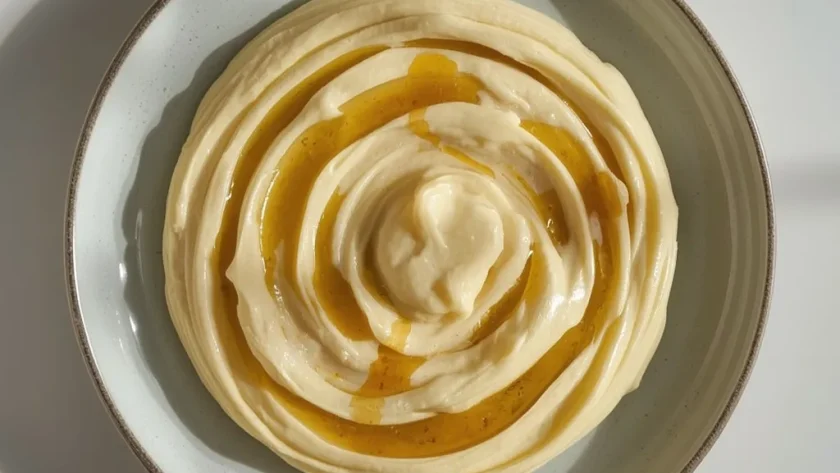
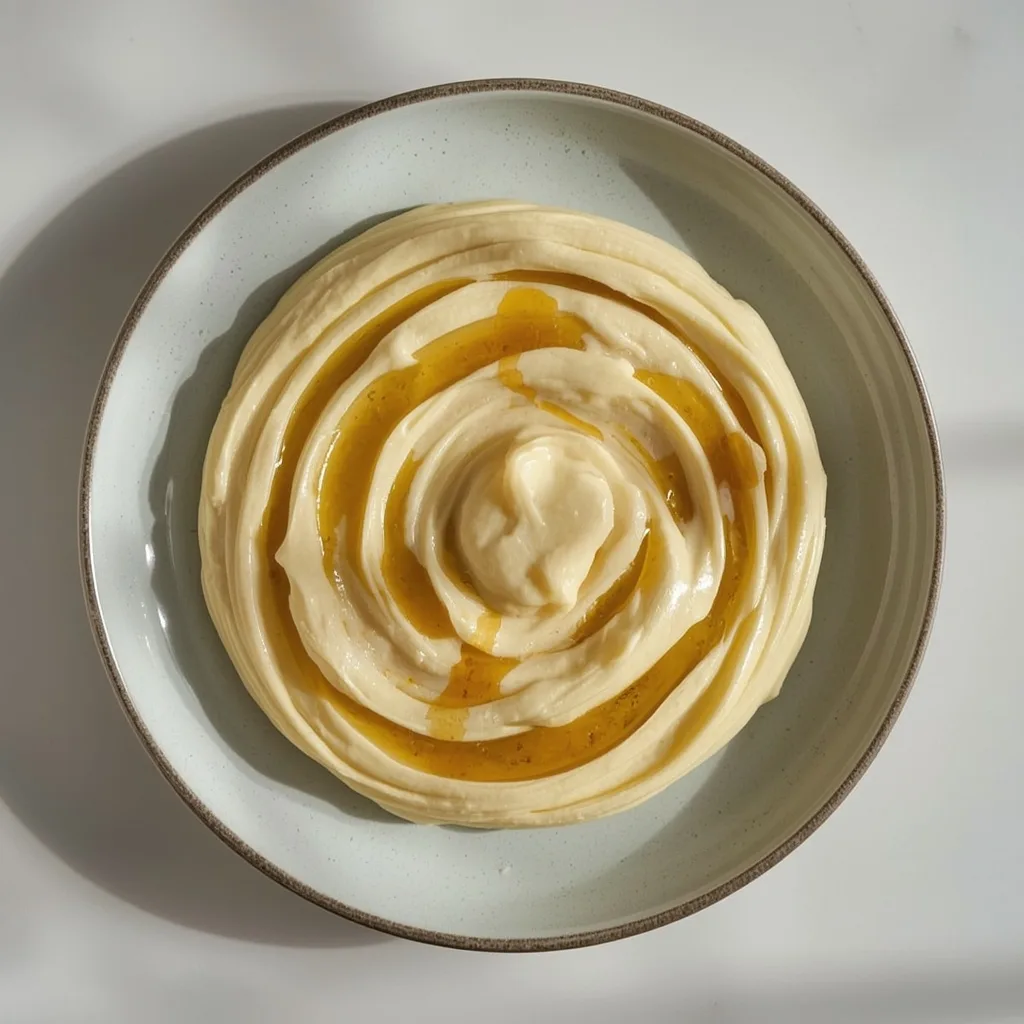
 Amora Dijon Mayonnaise is a luxuriously creamy condiment with the unmistakable sharpness of Dijon mustard. This classic French sauce comes together in minutes with just a handful of ingredients, and the flavor beats anything from a jar.
The entire process takes about 10 minutes and is beginner-friendly with one caveat — adding the oil too fast will break the emulsion. Master that step and you will have a silky, spreadable mayonnaise perfect for sandwiches, salads, and crudités at any occasion.
Why You’ll Love This Recipe
- Bold Dijon Flavor — The Amora mustard gives this mayonnaise a sharp, tangy kick that mellows into a creamy finish.
- No-Heat Method — You make everything in one bowl with a whisk, so kitchen heat or a hot stove is never required.
- Ready in 10 Minutes — Actual hands-on time is short, and the only hard part is the drop-by-drop oil trick.
- Endlessly Versatile — Use it as sandwich spread, salad dressing base, dip for veggies, or sauce for roasted meats.
What Makes This Recipe Special
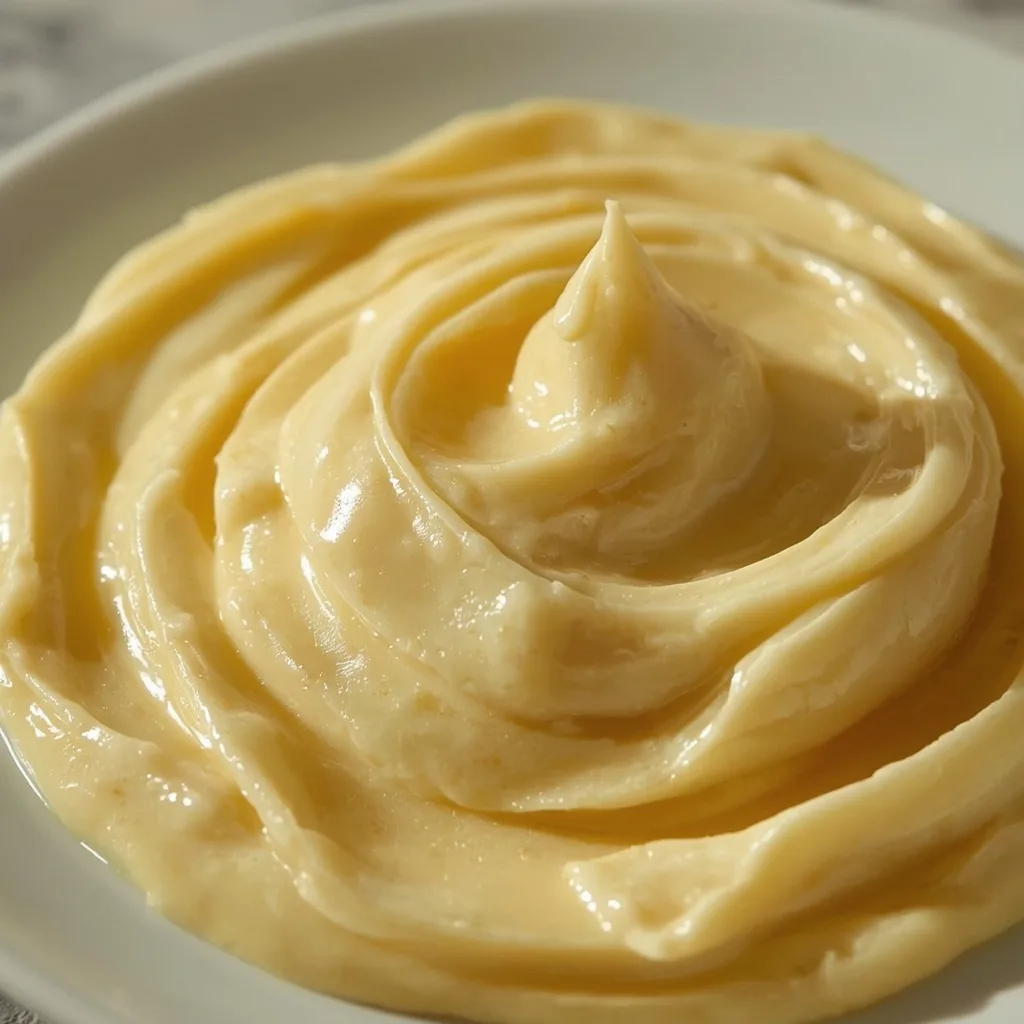
A single egg yolk and quality Dijon mustard create the emulsion here, with no eggs whites or extra binders needed. The result is a mayonnaise that feels rich on the tongue but tastes bright and peppery from the mustard and lemon. This recipe uses Amora mustard for its smooth texture and balanced heat, but the technique works with any good Dijon mustard. Make it for weekday lunches or weekend entertaining.
Ingredients You’ll Need
Six ingredients do all the work here. Temperature matters for every single one, so read the notes before you start.
The Emulsion Base
- 1 large egg yolk (room temperature) — Provides the lecithin that binds oil and water together. Cold yolk resists emulsifying, so let it sit out for 20 minutes before using.
- 1 tablespoon Dijon mustard (preferably Amora brand) — Adds both flavor and extra emulsifying power from the mustard seeds. Amora is smoother than some other brands, but any quality Dijon works.
- 1 tablespoon fresh lemon juice (from about half a lemon) — The acid brightens the flavor and helps stabilize the emulsion. Bottled juice can be used in a pinch but fresh tastes noticeably better.
The Oil and Seasoning
- 1 cup neutral oil (such as canola or grapeseed) — A neutral oil lets the Dijon flavor stand front and center. Olive oil can be used but will compete with the mustard and may turn bitter if emulsified too aggressively.
- 1/4 teaspoon fine sea salt — Enhances every other flavor without adding any particular salt taste. Start here and adjust at the end.
- Pinch of white pepper (optional) — Adds a mild, earthy heat without the black specks that black pepper leaves behind. Omit it if you prefer a completely clean look.
Equipment Needed
- Wire whisk — A standard balloon whisk works best. A fork can be used in an emergency but takes much longer to get a stable emulsion.
- Medium mixing bowl — Choose a bowl with a round bottom so the whisk reaches everything. A narrow, deep bowl makes it harder to incorporate the oil evenly.
- Damp kitchen towel or paper towel — Placed under the bowl to stop it from sliding around as you whisk. This small step prevents spills and keeps one hand free for pouring oil.
- Measuring spoons and liquid measuring cup — Precise amounts matter here more than in many recipes because the ratio of yolk to oil determines whether the emulsion holds.
- Airtight glass or plastic container — For storing the finished mayonnaise. Glass is easiest to clean and doesn’t absorb odors.
Instructions to Prepare Amora Dijon Mayonnaise
Follow these steps in order and keep your whisk moving the whole time. Rushing the oil addition is the only real danger here.
- Set up your bowl — Place a damp folded towel under a medium mixing bowl. Add the egg yolk, Dijon mustard, lemon juice, and fine sea salt to the bowl.
- Whisk the base — Vigorously whisk the mixture for about 30 seconds until it becomes smooth, pale, and slightly thickened. This initial aeration helps the oil incorporate more easily.
- Add oil drop by drop — Begin adding the oil one drop at a time while whisking constantly. Adding oil too quickly at the beginning will cause the emulsion to break and the mayonnaise to become runny.
- Increase to a thin stream — After about 1 tablespoon of oil has been incorporated (2 to 3 minutes of drop-by-drop addition), the mixture will thicken noticeably and become glossy. You can now increase the oil drizzle to a very thin, steady stream while continuing to whisk.
- Emulsify completely — Continue whisking and drizzling the oil in a thin stream. Periodically pause pouring to whisk thoroughly, making sure each addition is fully emulsified before adding more. The mayonnaise will thicken and lighten in color as it emulsifies.
- Check the consistency — Once all the oil has been added, the mayonnaise should be thick, spoonable, and hold its shape on the whisk. If it appears too thick, whisk in 1 teaspoon of warm water to loosen it slightly. If it is too thin, the emulsion has broken; see notes for rescue.
- Season and finish — Taste the mayonnaise and adjust seasoning: add a pinch of white pepper for mild heat, an extra squeeze of lemon juice for tang, or a pinch more salt. Whisk briefly to combine.
- Store properly — Transfer the finished mayonnaise to an airtight container. Press a piece of plastic wrap directly onto the surface to prevent a skin from forming before sealing the lid.
- Chill before serving — Refrigerate for at least 30 minutes before serving to allow the flavors to meld and the texture to set. The mayonnaise will continue to thicken slightly as it chills.
Expert Tips for a Standout Amora Dijon Mayonnaise
- Room temperature everything — Cold egg yolk or cold oil will make the emulsion separate almost instantly. Let all ingredients sit on the counter for 20 minutes before starting.
- Whisk in one direction — Consistently whisking clockwise or counter-clockwise keeps the fat molecules aligned and the emulsion stable. Switching directions mid-way can cause the mixture to thin out.
- Use a clean bowl with no water droplets — Any water in the bowl dilutes the egg yolk and makes the emulsion harder to form. Dry the bowl thoroughly after washing.
- Rescue a broken mayonnaise with mustard — If the emulsion breaks, place 1 teaspoon of Dijon mustard in a clean bowl. Slowly whisk the broken mixture into the mustard, drop by drop at first, until it re-emulsifies. This method uses the mustard as a new base instead of starting over with another egg yolk.
- Warm water fixes thickness — If the finished mayonnaise is too stiff to spread easily, whisk in 1 teaspoon of warm water. The water thins it without breaking the emulsion as long as you add it slowly.
- Let it rest overnight — The flavor mellows and blends significantly after a full day in the fridge. Make it the day before you plan to serve it for the best taste.
Common Mistakes to Avoid
- Rushing the oil at the start — Adding oil too fast in the first 30 seconds is the number one reason for broken mayonnaise. The mixture needs to fully absorb each drop before the next one hits. Slow down.
- Using cold ingredients — Cold egg yolk cannot bind with oil effectively. The emulsion will look thin and oily from the start and never thicken properly.
- Over-whisking after it sets — Once the mayonnaise is thick and holds its shape, whisking more can actually break the emulsion by over-working the fat. Stop as soon as it looks right.
- Adding all the lemon juice at the end — Lemon juice should go in at the beginning with the egg yolk, not stirred in after the oil. The acid needs to be part of the initial emulsion to stabilize it.
- Storing without a surface cover — A skin forms where the mayonnaise meets air inside the container. Press plastic wrap directly onto the surface before sealing the lid to keep it smooth.
- Using strong-tasting olive oil — Extra virgin olive oil can turn bitter during emulsification and overpower the Dijon. Stick with canola or grapeseed unless you want a very strong olive flavor.
Variations & Ways to Customize Amora Dijon Mayonnaise
- Herb Dijon Mayonnaise — Stir in 1 tablespoon of finely chopped fresh tarragon, chives, or parsley after the emulsion sets. The herbs add freshness that pairs well with roasted chicken.
- Garlic Dijon Aioli — Mash 1 small garlic clove into a paste with the side of a knife and whisk it in with the egg yolk. This gives a punchy garlic kick that works great on burgers and fries.
- Smoky Dijon Mayonnaise — Add 1/2 teaspoon of smoked paprika and a pinch of cayenne pepper along with the salt. The smokiness deepens the mustard flavor and works beautifully on grilled meats.
- Lighter Version — Swap half the oil with plain Greek yogurt after the emulsion forms. The mayonnaise will be less rich but still creamy, with fewer calories and a tangier finish.
- Honey Dijon Mayonnaise — Whisk in 1 teaspoon of honey after the oil is fully incorporated. The sweetness balances the sharp mustard perfectly for sandwich spreads or chicken salad.
- Lemon-Dill Variation — Add 1 teaspoon of dried dill and an extra squeeze of lemon juice at the end. This version is excellent with smoked salmon or as a dip for raw vegetables.
What to Serve With Amora Dijon Mayonnaise
This mayonnaise works as a spread, dip, or sauce base. Here are some reliable pairings that highlight its tangy richness.
- Crusty baguette sandwiches — Spread it thick on fresh bread with ham, roast beef, or grilled vegetables. The mustard notes cut through rich meats and cheese.
- Crudité platters — Serve alongside raw carrot sticks, cucumber slices, bell pepper strips, and cherry tomatoes. The creamy tang balances the crunch and freshness of the vegetables.
- Roasted or grilled chicken — Spoon a dollop over hot chicken breasts or thighs. The cool, creamy mayonnaise contrasts with the charred exterior and juicy meat.
- French fries or potato wedges — Use as a dipping sauce instead of ketchup. The Dijon sharpness elevates simple fried potatoes into something special.
- Hard-boiled eggs or deviled eggs — Mix a spoonful into the yolk filling for deviled eggs, or spread directly on halved hard-boiled eggs with a sprinkle of paprika.
- Fish cakes or crab cakes — A generous dollop on top of crispy seafood cakes adds moisture and bright acidity that complements the rich fish flavor.
Make-Ahead Instructions
- Prepare the full batch — Make the mayonnaise up to 5 days ahead and store it in the refrigerator. The flavor actually improves after 24 hours as the mustard and lemon meld together.
- Whisk in warm water before serving — If the mayonnaise thickens too much during storage, stir in 1/2 teaspoon of warm water per serving to restore a spreadable consistency. Do this just before using.
- Store in a squeeze bottle — Transfer the finished mayonnaise to a squeeze bottle for easy dispensing. This makes it simple to add a thin stream to sandwiches or salads without dirtying a spoon.
- Label and date the container — Write the preparation date on the container so you know exactly how long it has been stored. Homemade mayonnaise does not have the preservatives of commercial versions.
Storage and Reheating
Storage
- Airtight glass container — Store in a clean glass jar with a tight-fitting lid. Glass does not absorb odors and lets you see the consistency and color without opening.
- Plastic wrap on the surface — Press a piece of plastic wrap directly onto the mayonnaise before sealing the lid. This prevents a dry skin from forming on top.
- Refrigerate up to 1 week — Homemade mayonnaise keeps well in the fridge for 5 to 7 days. Discard it if you notice any off smell, separation, or mold on the surface.
- Do not freeze — Freezing will break the emulsion completely, leaving you with a watery, separated mess. Make smaller batches instead of freezing.
Reheating
- Not applicable — This mayonnaise is served cold and should never be reheated. Heat will break the emulsion and alter the flavor of the Dijon mustard.
- Bring to room temperature briefly — If the mayonnaise feels too stiff straight from the fridge, let it sit on the counter for 10 minutes before serving. Do not microwave or warm it.
Nutritional Breakdown (Per Serving)
Based on 1 serving = 1/4 of the total batch.
- Calories: 512
- Protein: 0.8g
- Fat: 57.2g
- Carbohydrates: 0.6g
- Fiber: 0g
- Sugar: 0.1g
- Sodium: 233mg
Frequently Asked Questions
Can I freeze Amora Dijon Mayonnaise?
No, freezing will break the emulsion and the mayonnaise will separate into a thin, oily liquid when thawed. Make only what you plan to use within a week.
How long does Amora Dijon Mayonnaise last in the fridge?
It stays fresh for up to 1 week when stored in an airtight container with plastic wrap pressed onto the surface. Discard it if the texture turns watery or a sour smell develops.
Can I use olive oil instead of neutral oil?
Yes, but use a mild olive oil, not extra virgin. Strong olive oil can turn bitter during emulsification and overpower the Dijon flavor. Canola or grapeseed are safer choices.
What should I do if my mayonnaise separates?
Place 1 teaspoon of Dijon mustard in a clean bowl. Slowly whisk the broken mixture into the mustard, drop by drop at first, until it re-emulsifies. This rescue method works almost every time.
Can I make this mayonnaise without eggs?
This recipe relies on egg yolk for the emulsion. For an egg-free version, use aquafaba (chickpea liquid) or a commercial vegan mayonnaise base, but the texture and flavor will be different.
Why is room temperature so important for every ingredient?
Cold egg yolk cannot bind with oil because the fat molecules need warmth to disperse evenly. Room temperature ingredients create a stable emulsion that thickens properly and doesn’t separate later.
Final Words
Making Amora Dijon Mayonnaise at home takes about 10 minutes and uses ingredients you probably already have. The flavor is sharper, fresher, and more vibrant than anything from a store shelf. Give it a try once, and it might just become your go-to condiment for everything.
More Recipes
PrintAmora Dijon Mayonnaise
A luxuriously creamy mayonnaise with the unmistakable sharpness of Dijon mustard. This classic French condiment emulsifies a single egg yolk with neutral oil, yielding a silky, spreadable sauce that brightens sandwiches, salads, and crudités.
- Prep Time: 10
- Total Time: 10
- Yield: 4 1x
- Category: Condiment
- Method: No-Cook
- Cuisine: French
Ingredients
- 1 large egg yolk (room temperature)
- 1 tablespoon Dijon mustard (preferably Amora brand)
- 1 tablespoon fresh lemon juice (from about half a lemon)
- 1 cup neutral oil (such as canola or grapeseed), at room temperature
- 1/4 teaspoon fine sea salt
- Pinch of white pepper (optional)
Instructions
- Gather all ingredients and ensure the egg yolk, mustard, lemon juice, and oil are all at room temperature. Temperature consistency is critical for a stable emulsion; cold ingredients cause the mayonnaise to separate.
- Place a damp paper towel or a damp folded kitchen towel under a medium mixing bowl to keep it from sliding. Add the egg yolk, Dijon mustard, lemon juice, and fine sea salt to the bowl.
- Whisk the mixture vigorously with a wire whisk for about 30 seconds until it becomes smooth, pale, and slightly thickened. This initial aeration helps the oil incorporate more easily.
- Begin adding the oil drop by drop, one drop at a time, while whisking constantly. It is essential to start with very slow additions; adding oil too quickly at the beginning will cause the emulsion to break and the mayonnaise to become runny.
- After about 1 tablespoon of oil has been incorporated (2 to 3 minutes of drop-by-drop addition), the mixture will thicken noticeably and become glossy. You can now increase the oil drizzle to a very thin, steady stream while continuing to whisk.
- Continue whisking and drizzling the oil in a thin stream. Periodically pause pouring to whisk thoroughly, making sure each addition is fully emulsified before adding more. The mayonnaise will thicken and lighten in color as it emulsifies.
- Once all the oil has been added, the mayonnaise should be thick, spoonable, and hold its shape on the whisk. If it appears too thick, whisk in 1 teaspoon of warm water to loosen it slightly. If it is too thin, the emulsion has broken; see notes for rescue.
- Taste the mayonnaise and adjust seasoning: add a pinch of white pepper for mild heat, an extra squeeze of lemon juice for tang, or a pinch more salt. Whisk briefly to combine.
- Transfer the finished Amora Dijon Mayonnaise to an airtight glass or plastic container. Press a piece of plastic wrap directly onto the surface to prevent a skin from forming before sealing the lid.
- Refrigerate for at least 30 minutes before serving to allow the flavors to meld and the texture to set. The mayonnaise will continue to thicken slightly as it chills.
Notes
Storage: Store in an airtight container in the refrigerator for up to 1 week. Do not freeze, as freezing will break the emulsion and cause separation. Reheating: Not applicable. Rescue broken mayonnaise: If the emulsion breaks (looks thin and oily), place 1 teaspoon of Dijon mustard in a clean bowl. Slowly whisk the broken mixture into the mustard, drop by drop at first, until it re-emulsifies. This method uses the mustard as a new base instead of starting over with another egg yolk.
Nutrition
- Calories: 512
- Sugar: 0.1g
- Sodium: 233mg
- Unsaturated Fat: 4.4g
- Carbohydrates: 0.6g
- Fiber: 0g
- Protein: 0.8g
- Cholesterol: 46mg
Keywords: amora dijon mayonnaise, dijon mayonnaise recipe, french condiment, homemade mayonnaise, egg yolk emulsion, no cook sauce, salad dressing, sandwich spread, dijon mustard mayo, easy mayonnaise, classic french sauce, creamy condiment