 Kendric adan
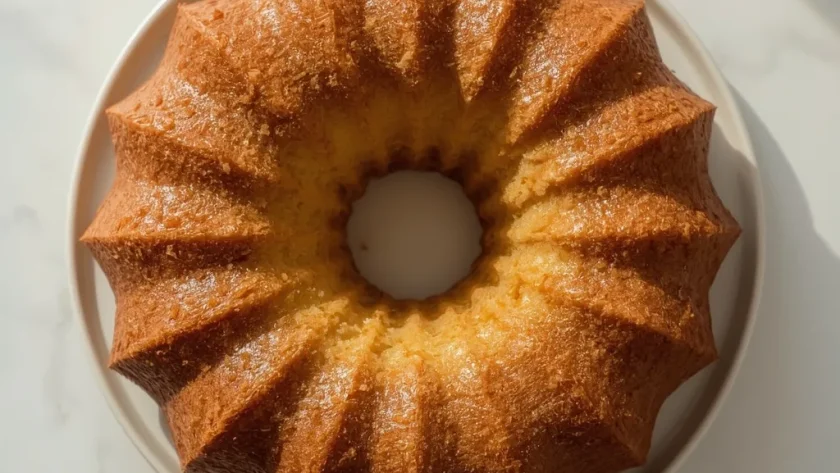
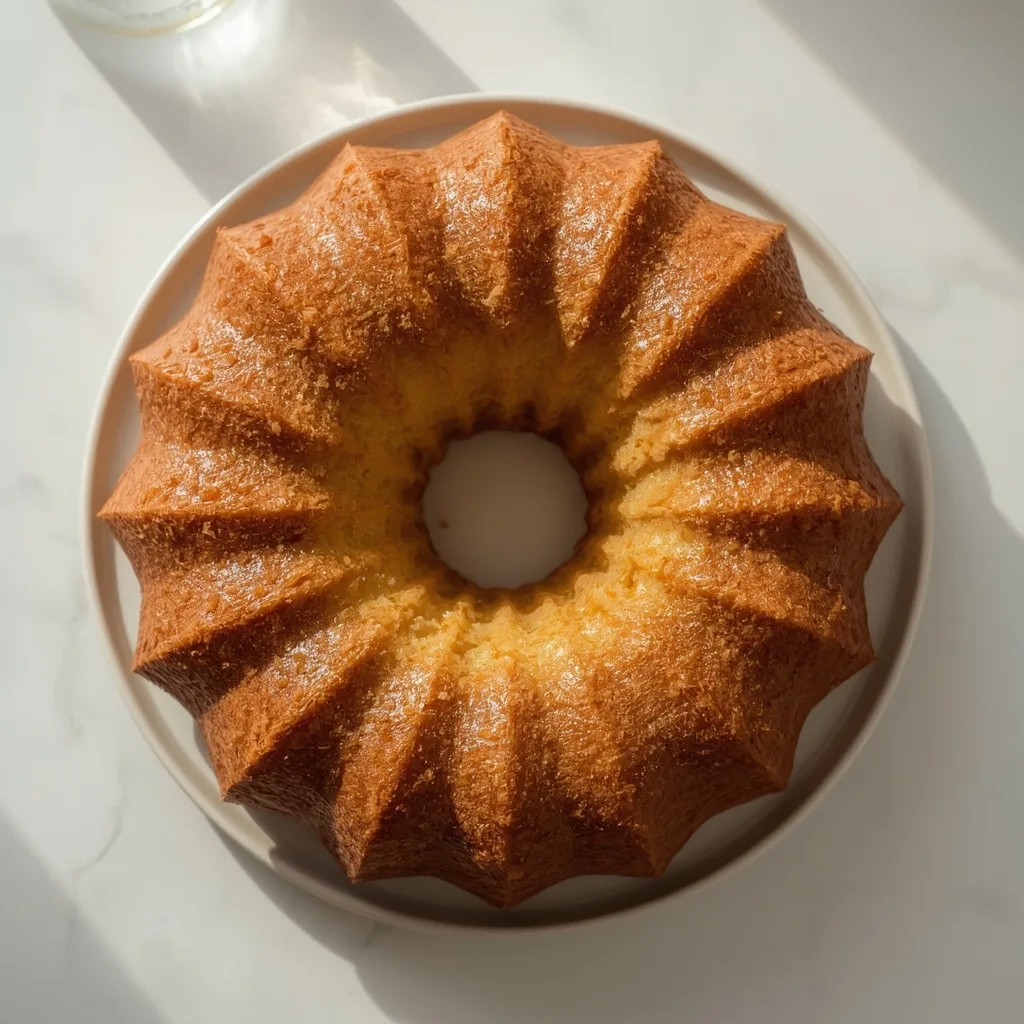
 Golden Pound Cake is one of those desserts that proves simple ingredients can create something truly special. With its dense yet tender crumb, golden crust, and that perfect balance of vanilla and almond, it is the kind of cake that feels both humble and elegant at the same time.
This recipe takes about 85 minutes from start to finish and is beginner-friendly, though the creaming step deserves your full attention. It is ideal for afternoon tea, a casual Sunday dessert, or whenever you want something classic that never disappoints.
Why You’ll Love This Recipe
- Simple ingredients — Everything comes from your pantry, which means no special shopping trips or hard-to-find items.
- Reliable results — The sour cream keeps the crumb moist while the almond extract adds a subtle warmth that vanilla alone cannot match.
- Perfect texture — Dense enough to feel substantial but tender enough to melt on your tongue with each bite.
What Makes This Recipe Special
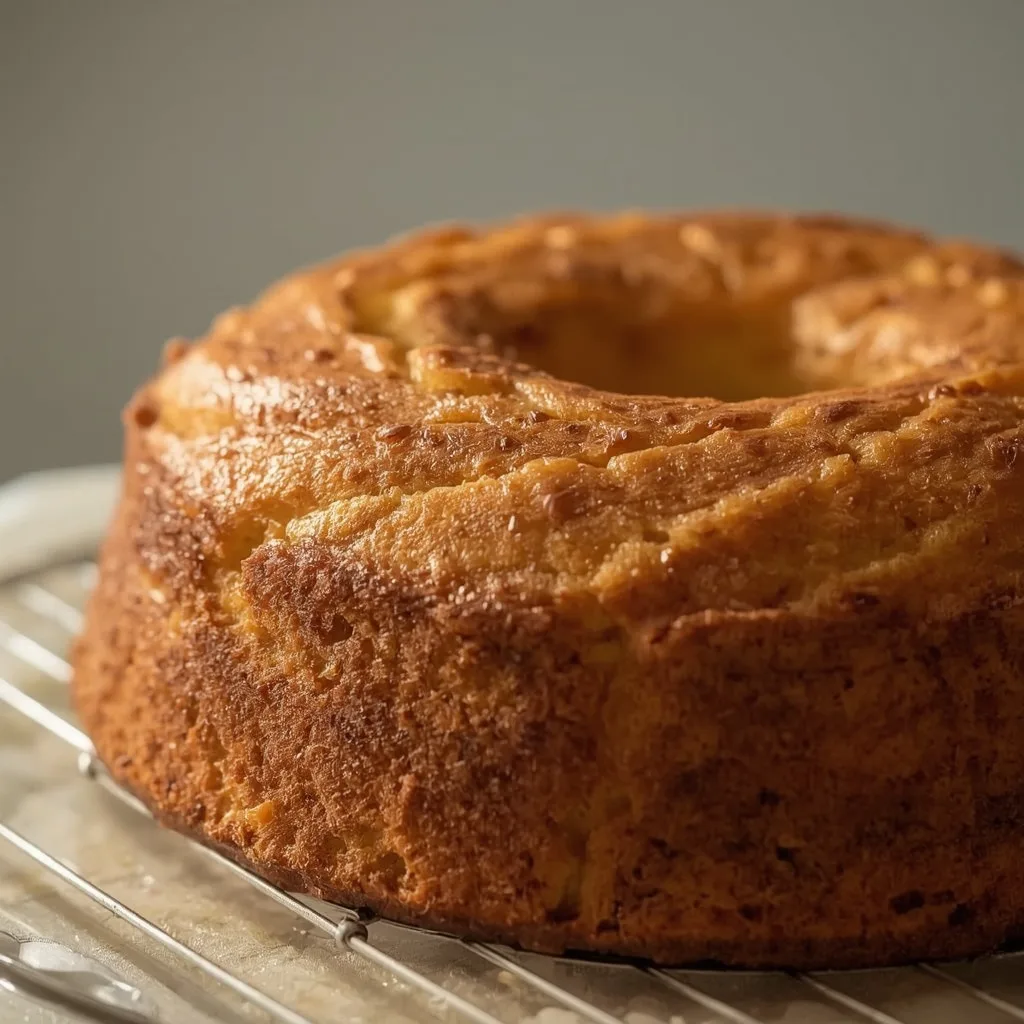
The sour cream and room-temperature milk work together to create a batter that bakes into something remarkably tender. That golden crust forms naturally during the 55 to 65 minutes in the oven, giving you that beautiful crackly exterior and soft interior. This cake tastes like a bakery classic but comes together in your own kitchen with minimal fuss.
Ingredients You’ll Need
Everything here is straightforward, but each ingredient plays a specific role in getting that perfect golden crust and moist center.
Core Ingredients
- 1/2 cup (1 stick) unsalted butter, softened — The foundation of the cake’s rich flavor. Softened butter creams properly, so leave it out for about 30 minutes before starting.
- 1/2 cup granulated sugar — Sweetens the cake and helps create that tender crumb when creamed with the butter.
- 2 large eggs, at room temperature — Provide structure and richness. Room-temperature eggs incorporate more smoothly into the batter.
Flavorings
- 1 teaspoon vanilla extract — The classic flavor base that gives this cake its warm, familiar taste.
- 1/4 teaspoon almond extract — A small amount goes a long way, adding a subtle nutty note that makes the flavor profile more interesting.
Dry Ingredients
- 1 cup all-purpose flour — Provides the structure. No need for cake flour here; all-purpose gives the right density.
- 1/2 teaspoon baking powder — Helps the cake rise just enough without making it too airy.
- 1/4 teaspoon kosher salt — Balances the sweetness and enhances all the other flavors.
Wet Ingredients
- 1/4 cup full-fat sour cream — Adds moisture and a slight tang that keeps the crumb tender. Do not swap for low-fat versions here.
- 1 tablespoon milk, room temperature — Loosens the batter slightly and helps everything blend together smoothly.
- Softened butter and flour for pan preparation — Essential for ensuring the cake releases cleanly from the loaf pan.
Equipment Needed
You probably have most of these already, and none of them are fancy.
- 4-cup loaf pan — The exact size matters here, so do not substitute a larger pan or the cake will bake too thin.
- Electric mixer — Hand mixer or stand mixer both work. The creaming step needs that consistent beating to get the butter fluffy.
- Medium mixing bowl — For whisking together the dry ingredients before adding them to the batter.
- Offset spatula or spoon — For smoothing the top of the batter so it bakes evenly.
- Wooden skewer — The simplest way to test for doneness without cutting into the cake.
Instructions to Prepare Golden Pound Cake
Follow these steps in order, and you will have a beautiful loaf with that classic golden crust.
- Preheat and prep — Preheat oven to 325°F (163°C). Grease a 4-cup loaf pan thoroughly with softened butter, then dust with flour and tap out the excess. This prevents sticking.
- Whisk dry ingredients — In a medium bowl, combine the all-purpose flour, baking powder, and kosher salt. This evenly distributes the leavening and prevents clumps.
- Cream butter and sugar — Beat softened butter on medium speed until creamy, about 1 minute. Add the sugar and beat for 3-4 minutes until the mixture is light and fluffy. The batter should look pale and airy.
- Add eggs and extracts — Add eggs one at a time, beating well after each addition. Then add the vanilla and almond extracts and mix until combined. The batter may look slightly curdled, but that is normal and will smooth out.
- Alternate dry and wet — With the mixer on low, add half the dry ingredients until just a few streaks of flour remain. Scrape the bowl, add the sour cream and milk, then the remaining dry ingredients. Mix for about 15 seconds until just smooth. Overmixing makes the cake tough.
- Fill the pan — Pour the batter into the prepared pan and smooth the top. Tap the pan on the counter a few times to release air bubbles.
- Bake — Bake for 55 to 65 minutes until a skewer inserted in the center comes out clean with just a few moist crumbs. The top should be deep golden brown and pull away from the edges.
- Cool — Let cool in the pan on a wire rack for 10 minutes. Run a thin knife around the edges, invert onto the rack, and turn right side up. Cool completely, about 1 hour.
Expert Tips for a Standout Golden Pound Cake
These tips came from repeated baking sessions and a few cakes that taught me lessons the hard way.
- Room temperature everything — Butter, eggs, and milk should all sit out for 30 minutes before you begin. Cold ingredients do not cream properly and can leave you with a dense, uneven crumb.
- Cream until truly fluffy — The 3-4 minute creaming step is not optional. That air incorporated into the butter and sugar is what gives the cake its lift.
- Resist overmixing — Once the flour goes in, you have about 15 seconds of mixing time. Overmixing develops gluten, and gluten means tough cake.
- Check early for doneness — Start testing at 55 minutes. Every oven runs a little differently, and pulling it a few minutes early beats an overdone crust.
- Let it rest overnight — Wrapping the cooled cake in plastic and leaving it at room temperature overnight redistributes the moisture and deepens the buttery flavor. Worth the wait if you can manage it.
- Tap out excess flour from the pan — Too much leftover flour creates a white, dusty layer on the finished crust. A few firm taps gets rid of the excess.
Common Mistakes to Avoid
Here is what tripped me up the first few times I made this cake, so you do not have to learn the hard way.
- Using cold butter — Cold butter does not cream properly and results in a dense, heavy cake. Take the time to soften it first.
- Overbeating the flour — The difference between a tender crumb and a rubbery one comes down to those few extra seconds of mixing. Stop as soon as the streaks disappear.
- Opening the oven door too often — Every time you peek, heat escapes and the cake bakes unevenly. Trust the timer and check only near the end.
- Skipping the pan prep — A properly greased and floured pan is the difference between a clean release and a crumbled mess. Do not rush this step.
- Baking at too high a temperature — The 325°F temperature is intentional. Higher heat browns the outside before the center finishes baking.
Variations & Ways to Customize Golden Pound Cake
Once you have the base recipe down, these variations keep things interesting without complicating the process.
- Lemon zest version — Add the zest of one lemon to the sugar and rub it in with your fingers before creaming. The oils infuse the sugar with bright citrus flavor.
- Chocolate swirl — Melt 2 ounces of dark chocolate and fold it into half the batter. Layer the two batters in the pan and swirl gently with a knife.
- Glazed topping — Whisk 1 cup powdered sugar with 2 tablespoons milk and a splash of vanilla. Drizzle over the cooled cake for extra sweetness.
- Blueberry addition — Fold 3/4 cup fresh blueberries into the batter just before baking. Toss them in a little flour first to prevent sinking.
- Spiced version — Add 1/2 teaspoon cinnamon and 1/4 teaspoon nutmeg to the dry ingredients for a warm, cozy flavor perfect for fall.
What to Serve With Golden Pound Cake
This cake is wonderful on its own, but a few simple pairings take it to another level.
- Fresh berries — Raspberries or sliced strawberries cut through the richness with their bright acidity.
- Whipped cream — A dollop of lightly sweetened cream adds airy contrast to the dense crumb.
- Hot coffee or espresso — The bitterness of coffee balances the sweetness and makes it a perfect afternoon pick-me-up.
- Vanilla ice cream — A scoop melts into the warm cake and creates that classic hot-and-cold dessert experience.
- Poached fruit — Pears or peaches simmered lightly in syrup complement the almond notes beautifully.
Make-Ahead Instructions
This cake actually gets better with time, which makes it perfect for planning ahead.
- Overnight rest — Wrap the cooled cake tightly in plastic wrap and leave it at room temperature overnight. This is the single best thing you can do for flavor and texture.
- Bake a day early — The cake stores beautifully for up to 3 days at room temperature, so baking it the day before your event saves you stress.
- Freeze for later — Wrap in plastic wrap then aluminum foil and freeze for up to 3 months. Thaw overnight in the refrigerator before bringing to room temperature.
- Pre-measure dry ingredients — Whisk the flour, baking powder, and salt together the night before and store in a sealed container. Saves a few minutes on baking day.
Storage and Reheating
Proper storage keeps the crumb moist and the crust from getting soggy or rock hard.
Storage
- Room temperature — Wrap tightly in plastic wrap or place in an airtight container. The cake stays fresh for up to 3 days this way.
- Refrigerator — You can refrigerate it, but the cold dries out the crumb faster. Only do this if you need it to last beyond 3 days.
- Freezer — Wrap in plastic wrap then aluminum foil to prevent freezer burn. Properly stored, it keeps for up to 3 months.
Reheating
- Oven method — Place slices on a baking sheet and warm at 300°F (150°C) for 5-7 minutes. This brings back that fresh-baked warmth without drying it out.
- Microwave method — Heat a single slice for 15-20 seconds on medium power. Watch carefully; too long makes it tough.
- Air fryer — Warm slices at 300°F for 3-4 minutes. Check halfway through and adjust based on your machine.
- Toaster method — For a crispy exterior and soft center, toast slices lightly. Best if you prefer some crunch with your cake.
Nutritional Breakdown (Per Serving)
Based on 1 serving = 1 slice out of 4 total from this loaf.
- Calories — 350
- Protein — 5g
- Fat — 19g
- Saturated Fat — around 11g
- Carbohydrates — 41g
- Fiber — about 1g
- Sugar — 25g
- Sodium — about 220mg
- Cholesterol — roughly 95mg
Frequently Asked Questions
Can I freeze Golden Pound Cake?
Yes, this cake freezes exceptionally well. Wrap it tightly in plastic wrap then aluminum foil, and it will keep for up to 3 months. Thaw overnight in the refrigerator before bringing it to room temperature.
Why did my cake sink in the middle?
A sunken center usually means the batter was overmixed or the oven temperature was too low. Make sure you stop mixing as soon as the flour disappears and verify your oven temperature with an oven thermometer.
How long does Golden Pound Cake last at room temperature?
Stored properly in plastic wrap or an airtight container, it stays fresh for about 3 days. After that, the crumb starts to dry out and the flavors dull.
Can I use salted butter instead of unsalted?
You can, but reduce the kosher salt to just a pinch. Salted butter already contains salt, and using it without adjusting the recipe can make the cake taste noticeably salty.
Why is my cake dense and heavy?
This usually comes from undermixing the butter and sugar or overmixing after adding the flour. The creaming step needs a full 3-4 minutes, but the flour should be mixed for only about 15 seconds.
More Recipes
Final Words
Golden Pound Cake is the kind of recipe that earns a permanent spot in your rotation. It is simple enough for a weekday treat but elegant enough for company, and that golden crust delivers every single time. Give it a try — I think you will find yourself coming back to this one again and again.
PrintGolden Pound Cake
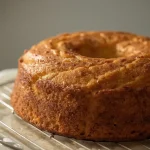
A rich, buttery pound cake with a dense yet tender crumb and a beautiful golden crust. Perfectly balanced sweetness with vanilla and a hint of almond, this classic dessert is ideal for any occasion.
- Prep Time: 20
- Cook Time: 65
- Total Time: 85
- Yield: 4 1x
- Category: Dessert
- Method: Baking
- Cuisine: American
Ingredients
- 1/2 cup (1 stick) unsalted butter, softened
- 1/2 cup granulated sugar
- 2 large eggs, at room temperature
- 1 teaspoon vanilla extract
- 1/4 teaspoon almond extract
- 1 cup all-purpose flour
- 1/2 teaspoon baking powder
- 1/4 teaspoon kosher salt
- 1/4 cup full-fat sour cream
- 1 tablespoon milk, room temperature
- Softened butter and flour for pan preparation
Instructions
- Preheat your oven to 325°F (163°C). Grease a 4-cup loaf pan thoroughly with softened butter, then dust with flour, tapping out the excess. This ensures the cake releases cleanly after baking.
- In a medium bowl, whisk together the all-purpose flour, baking powder, and kosher salt. Set aside. This evenly distributes the leavening and salt, preventing clumps and ensuring a uniform crumb.
- In a large mixing bowl, beat the softened butter with an electric mixer on medium speed until creamy, about 1 minute. Add the granulated sugar and continue beating for 3-4 minutes until the mixture is light and fluffy. Proper creaming incorporates air and is essential for a tender, risen cake.
- Add the eggs one at a time, beating well after each addition. Then add the vanilla and almond extracts and beat until combined. The batter may look slightly curdled; that’s normal and will smooth out once the flour is added.
- With the mixer on low speed, add half of the dry ingredients, mixing just until a few streaks of flour remain. Scrape down the sides of the bowl. Add the sour cream and milk, and mix on low until combined. Then add the remaining dry ingredients and mix until just smooth, about 15 seconds. Overmixing develops gluten, which can make the cake tough.
- Pour the batter into the prepared loaf pan and smooth the top with an offset spatula or the back of a spoon. Gently tap the pan on the counter a few times to release any air bubbles.
- Bake in the preheated oven for 55 to 65 minutes, or until a wooden skewer inserted into the center comes out clean with just a few moist crumbs. The top should be deep golden brown and the cake should pull away slightly from the pan edges.
- Allow the cake to cool in the pan on a wire rack for 10 minutes. Run a thin knife around the edges to loosen, then invert onto the rack and turn right side up. Let cool completely before slicing, about 1 hour.
- For the best texture and flavor, wrap the cooled cake tightly in plastic wrap and let it rest at room temperature overnight before serving, if time permits. This allows the moisture to redistribute and enhances the buttery flavor.
Notes
Storage: Wrap tightly in plastic wrap or place in an airtight container at room temperature for up to 3 days. Freezing: Wrap in plastic wrap then aluminum foil and freeze for up to 3 months. Thaw overnight in the refrigerator before bringing to room temperature. To reheat, place slices on a baking sheet in a 300°F (150°C) oven for 5-7 minutes for a fresh-baked taste.
Nutrition
- Calories: 350
- Sugar: 25g
- Sodium: 220mg
- Unsaturated Fat: 11g
- Carbohydrates: 41g
- Fiber: 1g
- Protein: 5g
- Cholesterol: 135mg
Keywords: pound cake, golden pound cake, butter cake, vanilla cake, almond cake, classic dessert, homemade cake, baked goods, American cake, tea cake