 Kendric adan
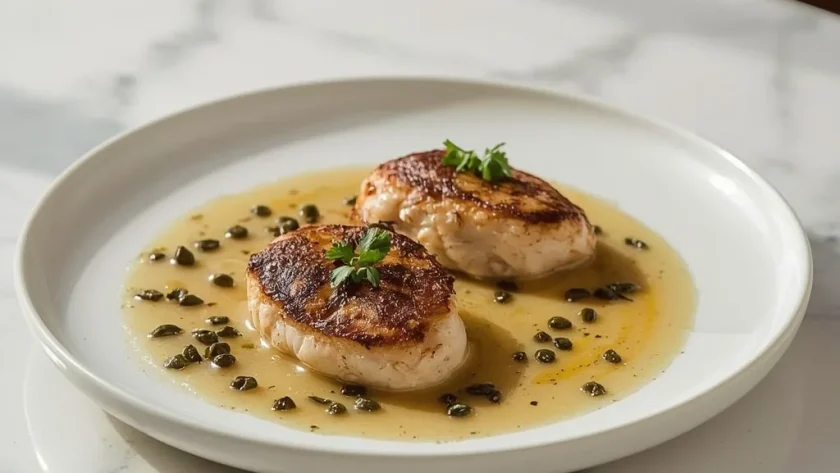
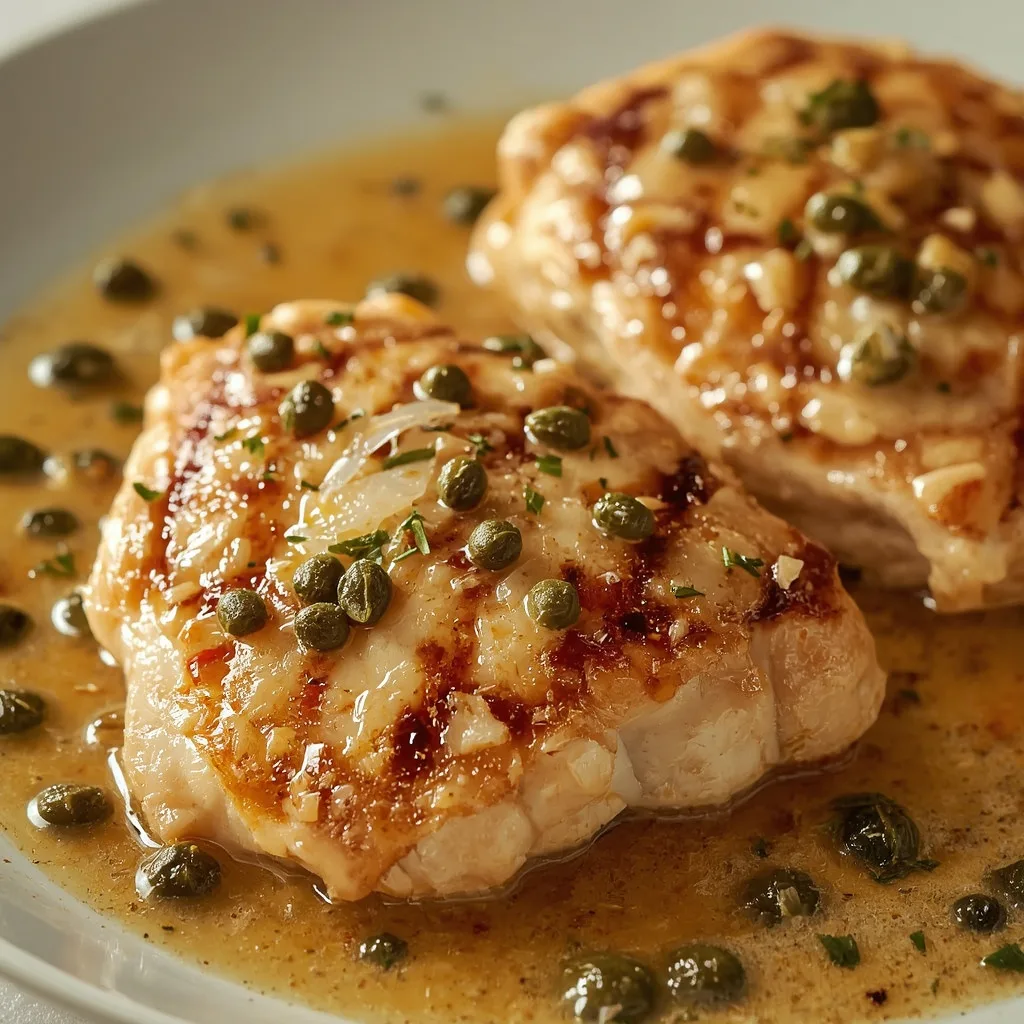
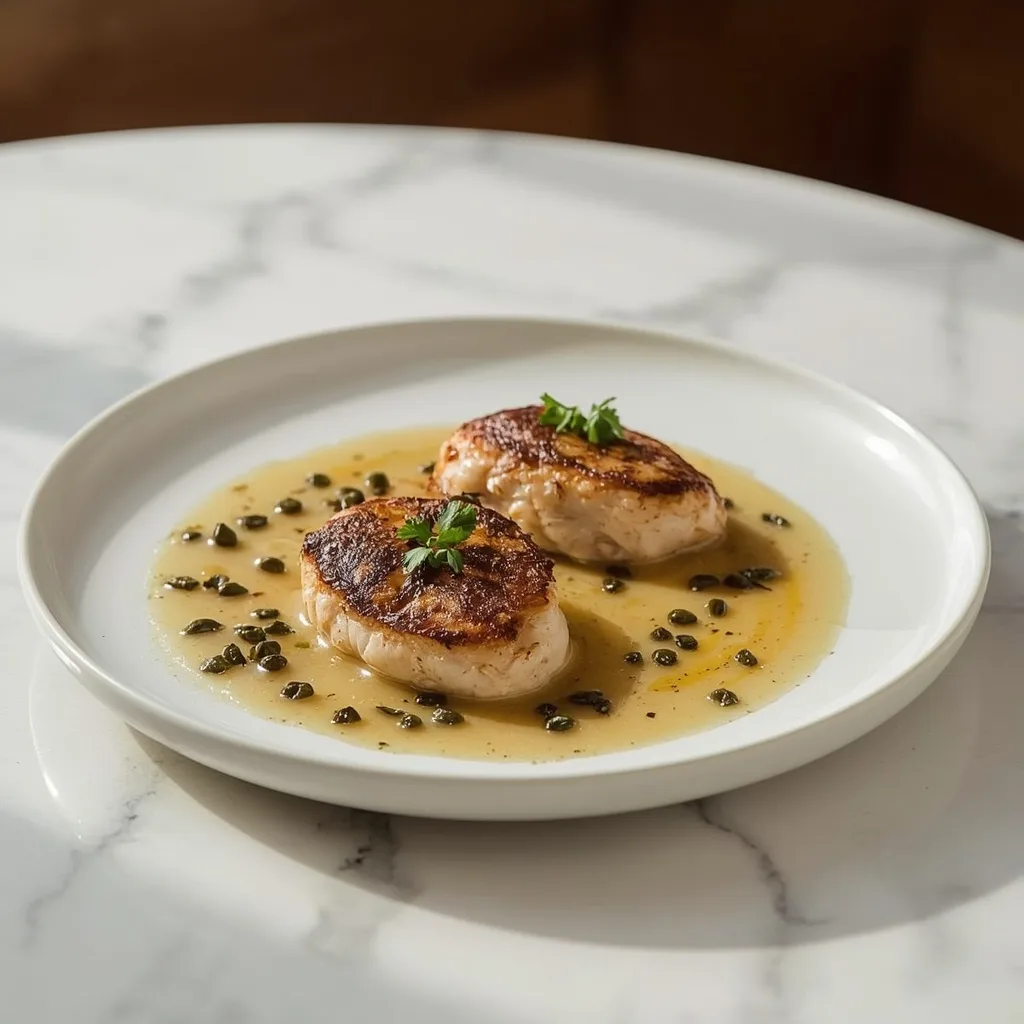
 The Mortons Steakhouse Poulet Christopher Recette is a restaurant-quality chicken dish that brings steakhouse elegance to your home kitchen. Pan-seared chicken breasts are finished with a bright lemon butter sauce studded with briny capers and a splash of white wine, creating a balance of richness and acidity that feels both indulgent and refreshing.
This recipe takes about 40 minutes from start to finish and is rated intermediate — not because it’s hard, but because the timing of the sauce matters. The only tricky moment is getting that perfect golden crust without overcooking the chicken. Serve it for a weeknight dinner that feels special or for guests who appreciate a classic French-inspired meal.
Why You’ll Love This Recipe
- Restaurant flavor at home — The combination of seared crust, tangy lemon, and nutty browned butter mirrors what you’d get at a high-end steakhouse.
- Quick enough for a weeknight — From prep to plate in 40 minutes, with most of that time being hands-off cooking.
- One skillet, less cleanup — The entire dish comes together in a single pan, which means fewer dishes and more time to enjoy dinner.
What Makes This Recipe Special
The magic lies in the pan sauce. After searing the chicken, you deglaze the skillet with white wine, scraping up all those browned bits that pack insane flavor. A touch of chicken broth, fresh lemon juice, and briny capers create a sauce that’s simultaneously bright, buttery, and savory. The chicken stays juicy thanks to a light flour dredge that seals in moisture and contributes to the silky sauce texture.
Ingredients You’ll Need
Here’s everything you need to pull off this Mortons Steakhouse Poulet Christopher Recette. Most items are pantry staples.
For the Chicken
- 4 (6-ounce) boneless skinless chicken breasts, pounded to ½-inch thickness — Even thickness ensures uniform cooking. If your chicken is uneven, place it between plastic wrap and gently pound with a rolling pin.
- 1 teaspoon kosher salt, plus more for seasoning — Salt the chicken right before dredging. The flour coating helps the salt stick and seasons the crust.
- ¼ teaspoon freshly ground black pepper — Freshly ground gives a cleaner, more aromatic heat than pre-ground.
- ½ cup all-purpose flour — A light dusting creates that golden-brown crust and helps thicken the sauce later.
- 2 tablespoons olive oil — Use a neutral olive oil, not extra-virgin, for a clean sear without burning.
- 4 tablespoons unsalted butter, divided — 2 tablespoons go into the pan for searing, and the other 2 finish the sauce off-heat for a glossy texture.
For the Sauce
- 2 cloves garlic, minced — Adds a gentle aromatic base. Don’t let it brown too much or it will turn bitter.
- ¼ cup dry white wine, such as Sauvignon Blanc — The acidity brightens the sauce. A dry wine is essential; sweet wines will alter the balance.
- ¼ cup low-sodium chicken broth — Adds depth without making the sauce too salty. You can use homemade or store-bought.
- 2 tablespoons fresh lemon juice (from 1 lemon) — Fresh juice is non-negotiable here. Bottled juice lacks the bright, clean acidity.
- 2 tablespoons capers, drained and rinsed — Capers bring a briny pop that cuts through the richness. Rinsing them reduces excess salt.
- 2 tablespoons fresh parsley, finely chopped — A fresh green finish that adds color and a mild herbaceous note.
Equipment Needed
- Large 12-inch stainless steel or cast-iron skillet — Cast iron holds heat best for a deep sear. Stainless steel works too, but avoid nonstick — you need those browned bits for the sauce.
- Meat mallet or rolling pin — For pounding chicken to even thickness. If you don’t have one, a heavy-bottomed pan works in a pinch.
- Shallow dish for dredging — A pie plate or wide bowl holds the flour comfortably for coating the chicken.
- Wooden spoon or silicone spatula — For scraping the fond off the skillet bottom during deglazing.
- Instant-read thermometer — Essential for nailing the internal temperature (160°F before resting carries to 165°F). Guessing leaves you with dry or undercooked chicken.
Instructions to Prepare Mortons Steakhouse Poulet Christopher Recette
Follow these steps exactly to nail the crust and sauce. Pay attention to the visual cues — they matter more than the clock.
- Pat and season — Pat the chicken dry with paper towels. Season both sides evenly with 1 teaspoon salt and ¼ teaspoon pepper. This initial seasoning ensures flavor penetrates the meat.
- Dredge in flour — Place flour in a shallow dish. Dredge each chicken breast, shaking off excess. A light, even coating is key — too much flour makes the crust pasty.
- Heat the pan — Heat a large skillet over medium-high for 2 minutes until hot. Add olive oil and 2 tablespoons butter, swirling to combine. When the butter foams and the foam subsides, the pan is ready.
- Sear the first side — Lay the chicken in a single layer, not overcrowded. Cook without moving for 4–5 minutes, until deep golden brown and it releases easily from the pan.
- Sear the second side — Flip using tongs. Cook for 4–5 more minutes until golden and internal temp reaches 160°F (71°C). Transfer to a plate and tent with foil. Carryover heat will bring it to 165°F.
- Sauté garlic — Reduce heat to medium. Add minced garlic and cook stirring constantly for 30 seconds until fragrant. Do not let it brown.
- Deglaze with wine — Pour in white wine and scrape the bottom with a wooden spoon to loosen all the fond. Let it simmer until reduced by half, about 1 minute.
- Build the sauce — Add chicken broth, lemon juice, and capers. Stir and bring to a gentle simmer. Cook for 2–3 minutes until slightly thickened and reduced to about ⅓ cup.
- Finish with butter — Remove skillet from heat. Swirl in the remaining 2 tablespoons butter until melted and glossy. This enriches the sauce and gives it a silky texture.
- Return chicken to pan — Place chicken back in the skillet, turning once to coat. Spoon sauce over the top and let rest 2 minutes to reheat gently.
- Garnish and serve — Sprinkle parsley over the chicken and sauce. Serve immediately, spooning extra sauce from the pan over each portion.
More Recipes
Expert Tips for a Standout Mortons Steakhouse Poulet Christopher Recette
- Dry the chicken thoroughly — Moisture is the enemy of a good sear. Pat the breasts dry before seasoning to ensure the flour adheres and the crust browns instead of steams.
- Let the pan get hot enough — Wait until the butter foam subsides before adding the chicken. If you add it too early, the flour coating will absorb oil and turn greasy instead of crisp.
- Don’t crowd the skillet — Crowding lowers the pan temperature and causes steaming. Cook in two batches if needed, wiping the pan clean between batches.
- Resist moving the chicken — Let the first side cook undisturbed for a full 4–5 minutes. If you try to flip too early, the crust will stick and tear.
- Use a thermometer for doneness — Internal temperature is the only reliable way to avoid overcooked chicken. Pull it at 160°F and let carryover heat finish the job.
- Swirl butter off the heat — Adding the final butter after removing the pan from the stovetop prevents it from breaking. The residual heat melts it into a silky emulsion.
- Taste the sauce before serving — Capers can vary in saltiness. If it tastes too salty, add a splash of water or extra broth. If too acidic, a pinch of sugar balances it.
Common Mistakes to Avoid
- Pounding unevenly — If the breasts are different thicknesses, some parts will overcook while others stay raw. Take the extra 30 seconds to pound them evenly.
- Using cold chicken straight from the fridge — Cold chicken sears unevenly and takes longer to cook through, leading to a dry exterior. Let it sit at room temp for 15 minutes before seasoning.
- Skipping the deglazing step — Those browned bits on the bottom of the pan are pure flavor. If you skip deglazing, you lose the savory depth that defines the sauce.
- Overcooking the garlic — Garlic turns bitter quickly. Stir it for only 30 seconds, and remove the pan from heat if it starts to color beyond golden.
- Adding all the butter at once — Butter added while the pan is still on high heat will separate into grease. Swirl it in after removing the skillet to keep the sauce emulsified.
- Letting the sauce reduce too much — The sauce should coat the back of a spoon but still be pourable. If it reduces to a syrup, add a splash of broth to loosen it.
Variations & Ways to Customize Mortons Steakhouse Poulet Christopher Recette
- Add mushrooms — Sauté 8 ounces of sliced cremini mushrooms in the skillet after removing the chicken, then proceed with the garlic and wine. They add earthy richness.
- Use chicken thighs instead — Substitute boneless skinless thighs (4–6 ounces each). Cook them about 2 minutes longer per side, until they reach 175°F for the best texture.
- Make it dairy-free — Replace butter with a high-quality vegan butter or ghee for a lactose-free version. The sauce will still emulsify if you use ghee.
- Swap the wine — No white wine on hand? Use an equal amount of low-sodium chicken broth plus 1 teaspoon of white wine vinegar for acidity.
- Add a touch of heat — Stir in ¼ teaspoon red pepper flakes with the garlic for a subtle kick that complements the lemon and capers.
- Try it with fish — The sauce works beautifully over pan-seared halibut or cod. Cook the fish just until opaque and flaky, then follow the same sauce steps.
What to Serve With Mortons Steakhouse Poulet Christopher Recette
This dish pairs well with sides that soak up the lemon butter sauce or offer a contrasting texture. Here are five excellent choices.
- Creamy mashed potatoes — The silky sauce pools perfectly on a bed of potatoes, making every bite rich and satisfying.
- Steamed asparagus with lemon zest — The bright notes of the asparagus echo the lemon in the sauce, and the crunch balances the tender chicken.
- Crusty sourdough bread — Use it to mop up every last drop of sauce from the plate. A warm baguette works just as well.
- Buttered egg noodles — Wide egg noodles tossed with a little butter and parsley catch the sauce beautifully and add a comforting element.
- Simple green salad with vinaigrette — A light, acidic salad (think arugula, lemon vinaigrette, shaved Parmesan) cuts through the buttery richness.
- Roasted baby carrots — Their natural sweetness balances the tangy capers and lemon, and the caramelized edges add texture.
Make-Ahead Instructions
- Sear the chicken ahead — Cook the chicken through step 5, let it cool, then refrigerate in an airtight container for up to 2 days. Make the sauce fresh the day of serving.
- Prep the ingredients early — Mince the garlic, chop the parsley, juice the lemon, and rinse the capers. Store each in separate containers in the fridge. This cuts active prep time to under 5 minutes on cook day.
- Make the sauce base in advance — After deglazing, combine the wine, broth, lemon juice, and capers in a jar. Refrigerate for up to 2 days. When ready, pour it into the skillet and proceed from step 9.
- Store the flour coating separately — Keep the seasoned flour in an airtight container at room temperature. Dredge the chicken just before searing, even if you’re cooking it later the same day.
Storage and Reheating
Storage
- Airtight container — Place leftover chicken and sauce together in a container. Refrigerate for up to 3 days. The sauce will thicken as it cools — that’s normal.
- Separate the chicken from the sauce if storing longer — If you plan to keep it for the full 3 days, store chicken and sauce in separate containers to prevent the chicken from becoming soggy.
- Freezing is not recommended — The butter-based sauce will separate when thawed, and the chicken will lose its tender texture. Make and eat fresh for the best result.
Reheating
- Stovetop (best method) — Place chicken and sauce in a covered skillet over low heat. Add a splash of chicken broth or water to loosen the sauce. Warm gently for 4–5 minutes, turning once, until the chicken reaches 165°F.
- Oven — Preheat to 300°F. Arrange chicken in an oven-safe dish, spoon sauce over, and cover with foil. Heat for 10–12 minutes. The low temperature prevents drying.
- Avoid the microwave — Microwaving will toughen the chicken and cause the butter sauce to break into greasy pools. If you must use it, microwave on 50% power in 20-second bursts, but the texture won’t be as good.
- Air fryer (not ideal) — The sauce will drip off, leaving the chicken dry. If you air fry, do so without the sauce — reheat the sauce separately in a small pan and pour over after.
Nutritional Breakdown (Per Serving)
Based on 1 serving = 1 chicken breast plus sauce.
- Calories: 385
- Protein: 37g
- Fat: 21g
- Saturated Fat: 9g
- Carbohydrates: 7g
- Fiber: 0g
- Sugar: 1g
- Sodium: about 520mg
- Cholesterol: about 120mg
Frequently Asked Questions
Can I use boneless chicken thighs for this recipe?
Absolutely. Swap the breasts for 4–6 ounce boneless skinless thighs. Cook them about 2 minutes longer per side, until the internal temperature reaches 175°F. Thighs stay juicier if you tend to overcook chicken.
What wine works best for the sauce?
A dry white wine like Sauvignon Blanc, Pinot Grigio, or unoaked Chardonnay. Avoid sweet wines such as Riesling or Moscato — they’ll make the sauce cloying. If you don’t cook with wine, substitute extra chicken broth plus 1 teaspoon white wine vinegar.
Can I freeze Mortons Steakhouse Poulet Christopher Recette?
Freezing is not recommended. The butter sauce will separate upon thawing, and the chicken texture will become mealy. This dish is best enjoyed fresh or within 3 days from the fridge.
How do I know when the chicken is done without a thermometer?
Cut into the thickest part of the breast. The juices should run clear, and the meat should be opaque all the way through with no pink. A thermometer is safer, but visual cues work if you are careful.
Can I make this dish dairy-free?
Yes. Replace the butter with a plant-based butter that has a high fat content (like Miyoko’s) or use ghee if you tolerate lactose. The sauce will still thicken and emulsify.
What if my sauce tastes too acidic?
Add a small pinch of sugar or a teaspoon of honey and stir. The sweetness balances the lemon and wine acidity without changing the dish character. Taste after each addition.
Final Words
This Mortons Steakhouse Poulet Christopher Recette brings the steakhouse experience straight to your table without the reservation stress. The golden sear, the tangy lemon-caper butter sauce, the way it all comes together in one skillet — it’s the kind of meal that feels special but fits into a regular weeknight. Give it a try, and you’ll see why this recipe has earned a spot in regular rotation.
PrintMorton’s Steakhouse Poulet Christopher
A classic steakhouse-style chicken dish featuring pan-seared boneless chicken breasts in a bright lemon butter sauce with briny capers and a touch of white wine. The chicken is perfectly golden-crusted, tender, and finished with a silky, tangy sauce that balances richness with acidity.
- Prep Time: 15
- Cook Time: 25
- Total Time: 40
- Yield: 4 1x
- Category: Main Course
- Method: Stovetop
- Cuisine: American
Ingredients
- 4 (6-ounce) boneless skinless chicken breasts, pounded to even 1/2-inch thickness
- 1 teaspoon kosher salt, plus more for seasoning
- 1/4 teaspoon freshly ground black pepper
- 1/2 cup all-purpose flour
- 2 tablespoons olive oil
- 4 tablespoons unsalted butter, divided (2 for searing, 2 for sauce)
- 2 cloves garlic, minced
- 1/4 cup dry white wine, such as Sauvignon Blanc
- 1/4 cup low-sodium chicken broth
- 2 tablespoons fresh lemon juice (from 1 lemon)
- 2 tablespoons capers, drained and rinsed
- 2 tablespoons fresh parsley, finely chopped
Instructions
- Pat the chicken breasts dry with paper towels to remove excess moisture. Season both sides evenly with 1 teaspoon kosher salt and the black pepper. This initial seasoning ensures the meat is flavorful throughout.
- Place the all-purpose flour in a shallow dish. Dredge each seasoned chicken breast in the flour, shaking off any excess. The light coating helps create a golden crust and thickens the pan sauce later.
- Heat a large (12-inch) stainless steel or cast-iron skillet over medium-high heat for 2 minutes until hot. Add the olive oil and 2 tablespoons of the unsalted butter, swirling to combine. When the butter foams and the foam subsides, the pan is ready.
- Carefully lay the floured chicken breasts in the skillet in a single layer, making sure not to overcrowd. Cook without moving for 4 to 5 minutes, until the bottom is deep golden brown and releases easily from the pan.
- Flip the chicken breasts using tongs and cook the second side for 4 to 5 minutes, until golden brown and the internal temperature reaches 160°F (71°C). Transfer the chicken to a plate and tent loosely with foil. The carryover heat will bring it to 165°F (74°C).
- Reduce the skillet heat to medium. Add the minced garlic and cook, stirring constantly, for 30 seconds until fragrant. Be careful not to burn the garlic, as it will turn bitter.
- Pour in the dry white wine and scrape the bottom of the skillet with a wooden spoon to deglaze, loosening all the browned bits (fond). Let the wine simmer until reduced by half, about 1 minute.
- Add the chicken broth, lemon juice, and capers. Stir and bring the sauce to a gentle simmer. Let it cook for 2 to 3 minutes, until slightly thickened and reduced to about 1/3 cup of liquid.
- Remove the skillet from the heat and swirl in the remaining 2 tablespoons of unsalted butter until melted and incorporated. This enriches the sauce and gives it a silky, glossy finish.
- Return the chicken breasts to the skillet, turning them once to coat in the sauce. Spoon the sauce over the top and let them rest for 2 minutes to reheat gently.
- Sprinkle the chopped fresh parsley over the chicken and sauce. Serve immediately, spooning extra sauce from the pan over each portion. The chicken should be juicy with a bright, tangy sauce that complements the rich sear.
Notes
Store leftovers in an airtight container in the refrigerator for up to 3 days. Reheat gently in a covered skillet over low heat with a splash of chicken broth or water to prevent drying. Avoid microwaving, as it can toughen the chicken. This dish does not freeze well due to the butter sauce. To make ahead, sear the chicken without the sauce, refrigerate separately, then complete the sauce and combine just before serving.
Nutrition
- Calories: 385
- Sugar: 1g
- Sodium: 520mg
- Unsaturated Fat: 7g
- Carbohydrates: 7g
- Fiber: 0g
- Protein: 37g
- Cholesterol: 121mg
Keywords: Poulet Christopher, Morton’s chicken recipe, lemon butter chicken, chicken with capers, pan-seared chicken, steakhouse chicken, easy chicken dinner, American cuisine, date night recipe, chicken breast recipe