 Kendric adan
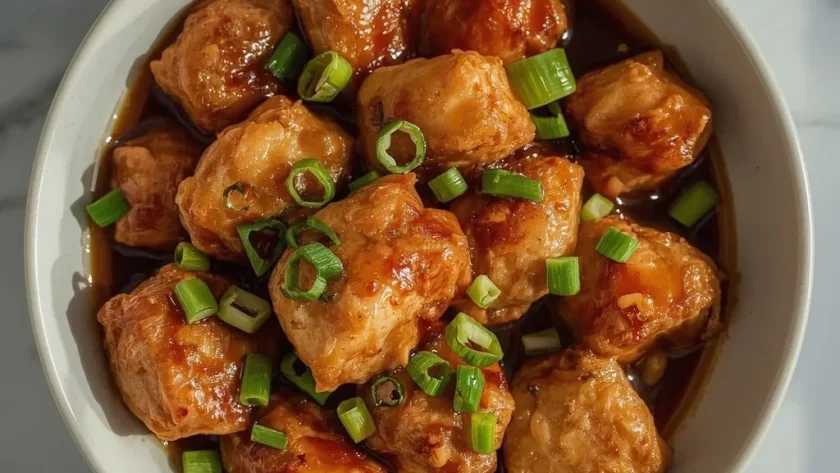
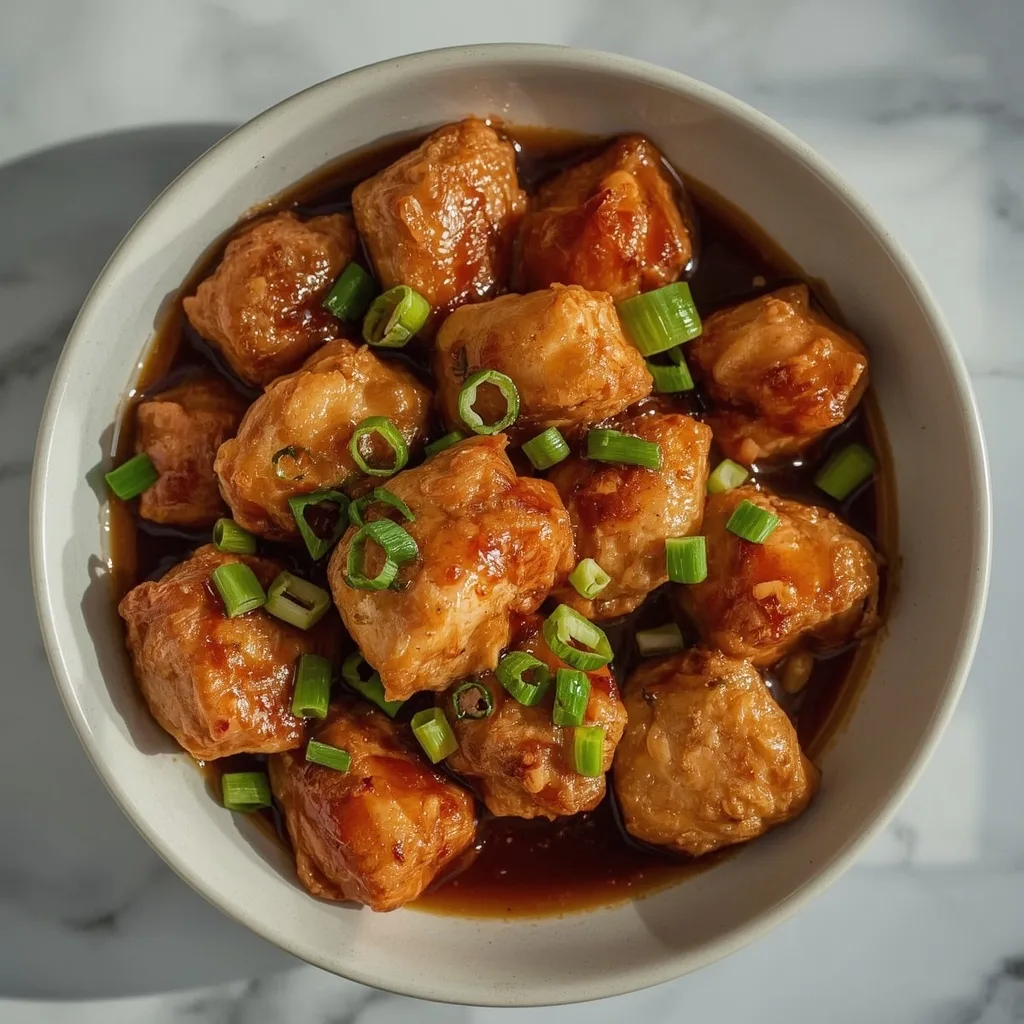
 P.F. Chang’s Mongolian Chicken brings that glossy, savory-sweet takeout favorite right into your own kitchen. Tender chicken pieces get a light crispy coating, then get tossed in a ginger-garlic sauce that clings to every bite.
You can have this on the table in just 35 minutes total, and it’s a beginner-friendly stovetop stir-fry. The only step that needs a little attention is getting the sauce to that perfect syrupy consistency without burning the garlic.
Why You’ll Love This Recipe
- Better than takeout — You control the sodium and oil, and the chicken stays crispier than delivery ever manages.
- One skillet cleanup — Everything happens in a single pan, so you are not drowning in dishes afterward.
- Restaurant flavor at home — The caramelized brown sugar and fresh ginger create that signature balance of sweet and savory.
What Makes This Recipe Special
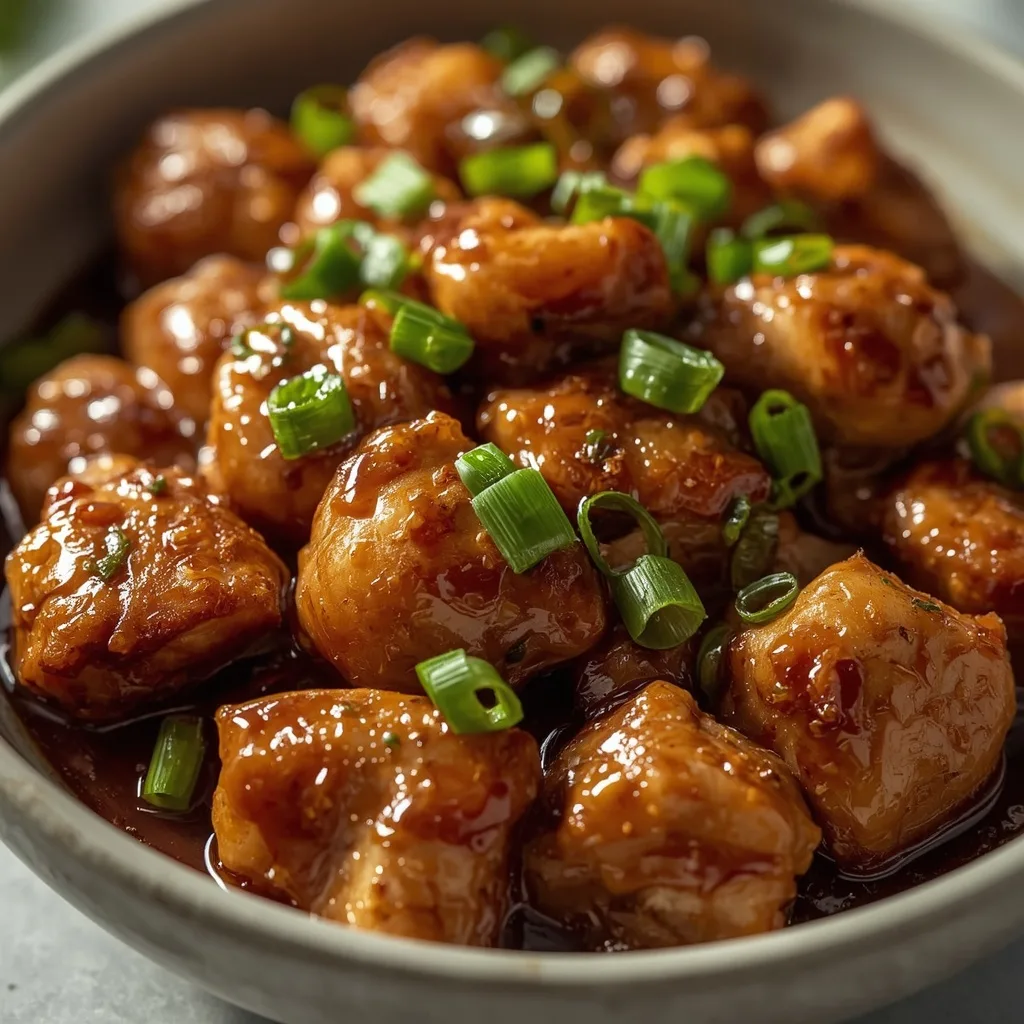
The cornstarch coating does double duty here. It creates a delicate crust on the chicken while also helping the sauce thicken into that glossy coating you expect from a good stir-fry. The sauce itself hits all the right notes — salty soy, warming ginger, and caramelized brown sugar that turns slightly syrupy as it reduces. Each piece comes out coated in a rich glaze with blistered green onions adding freshness and crunch. It is the kind of meal that makes a Tuesday feel like a special occasion.
Ingredients You’ll Need
Everything on this list is easy to find at any grocery store, and most items are probably already in your pantry.
For the Chicken
- 1 1/2 lb boneless, skinless chicken breast — Cut into 1-inch pieces so they cook quickly and evenly. Chicken thighs work too if you prefer darker meat.
- 1/4 cup cornstarch — This creates that light crispy coating and helps thicken the sauce as it cooks.
- 1/2 tsp kosher salt — Seasons the chicken directly rather than relying only on the soy sauce.
- 1/4 tsp freshly ground black pepper — A small amount of warmth that balances the sweet sauce.
For the Sauce and Aromatics
- 3 tbsp vegetable oil, divided — High smoke point oil that handles the heat without burning. Canola or peanut oil also work well.
- 1 tbsp fresh ginger, finely minced — Fresh ginger is non-negotiable here; the powdered version will not give you that bright, pungent kick.
- 2 cloves garlic, minced — Add it just before the sauce so it perfumes the oil without burning.
- 1/2 cup low-sodium soy sauce — The salty backbone of the sauce. Regular soy sauce will make this too salty, so stick with low-sodium.
- 1/2 cup water — Helps the sauce spread and creates the right volume before reduction.
- 1/4 cup brown sugar, packed — This caramelizes as the sauce reduces, giving that deep, molasses-like sweetness.
- 2 tbsp cornstarch mixed with 3 tbsp water (slurry) — The final thickener that turns the sauce glossy and clingy.
- 4 green onions, cut into 2-inch pieces — White parts go in with the aromatics, green parts get added at the very end for freshness.
For Serving
- Cooked white rice — Steamed jasmine or long-grain rice is the classic bed for this dish.
Equipment Needed
You do not need any fancy gear for this one. A basic skillet and a few staples will get the job done.
- A large nonstick skillet or wok — The nonstick surface prevents the cornstarch coating from sticking and tearing. A well-seasoned wok also works beautifully.
- A medium mixing bowl — For tossing the chicken with the cornstarch coating.
- A small bowl — To whisk together the sauce ingredients before they hit the pan.
- A wooden spoon or silicone spatula — Gentle on the nonstick surface and good for scraping up browned bits.
- A meat thermometer — The most reliable way to check that the chicken hits 165°F / 74°C in the center.
Instructions to Prepare P.F. Chang’s Mongolian Chicken
The whole process moves quickly once you start, so having everything prepped and measured before you turn on the heat makes a real difference.
- Coat the chicken — In a medium bowl, toss the chicken pieces with 1/4 cup cornstarch, 1/2 tsp kosher salt, and 1/4 tsp black pepper until each piece is evenly coated. The cornstarch helps create a light, crispy crust when fried and also thickens the sauce slightly.
- Heat the oil — Heat 2 tablespoons of vegetable oil in a large nonstick skillet or wok over medium-high heat until the oil shimmers. Carefully add the chicken in a single layer, working in batches if necessary to avoid crowding, which would steam the chicken rather than brown it.
- Brown the chicken — Cook the chicken undisturbed for 3-4 minutes until the bottom is golden and crisp. Flip each piece and continue cooking for another 3-4 minutes until the chicken is cooked through and reaches an internal temperature of 165°F / 74°C. Transfer the chicken to a plate and set aside.
- Sizzle the aromatics — Reduce the heat to medium and add the remaining 1 tablespoon of vegetable oil to the same skillet. Add the white parts of the green onions, the minced ginger, and the minced garlic. Cook for 30-45 seconds, stirring constantly, until fragrant but not browned, as burned garlic will turn bitter.
- Build the sauce — In a small bowl, whisk together the soy sauce, water, and brown sugar until the sugar is mostly dissolved. Pour this mixture into the skillet and bring to a simmer over medium heat, scraping up any browned bits from the bottom of the pan.
- Thicken the sauce — Let the sauce bubble for 2-3 minutes, allowing it to reduce slightly and become syrupy. Reduce the heat to low and slowly stir in the cornstarch slurry, mixing until smooth. Continue stirring for 1-2 minutes until the sauce thickens and coats the back of a spoon.
- Combine everything — Return the cooked chicken and any accumulated juices to the skillet, tossing gently to coat every piece in the glossy sauce. Add the green parts of the green onions and stir-fry for 1 minute, just until they brighten in color and soften slightly but still retain a bit of crunch.
- Rest before serving — Remove the skillet from the heat. Let the dish rest for 2 minutes, allowing the sauce to cling to the chicken and the flavors to meld. Serve hot, spooned over steamed white rice.
- Oven alternative for big batches — For an optional oven alternative when making a larger batch, after step 4, transfer the cooked chicken to a baking sheet and keep warm in a 200°F / 93°C oven while you prepare the sauce on the stovetop, then combine in a large skillet and finish with green onions as directed.
Expert Tips for a Standout P.F. Chang’s Mongolian Chicken
These are the small details that separate a good stir-fry from a great one. They mostly come down to timing and temperature.
- Work in batches — Crowding the pan drops the oil temperature instantly, and the chicken steams instead of crisping. Cook in a single layer even if it takes two rounds.
- Pat the chicken dry first — Excess moisture on the chicken dilutes the cornstarch coating. Blot the pieces with paper towels before tossing them in the cornstarch mixture.
- Keep the heat honest — Medium-high for browning, then drop to medium for the aromatics. Garlic and ginger burn fast at high heat, and there is no fixing bitter garlic.
- Add the slurry slowly — Pour it in a thin stream while stirring. Dumping it all at once can create lumps that never fully dissolve.
- Taste before you add more salt — The soy sauce carries a lot of salt, and the chicken is already seasoned. Hold off on extra salt until you have tried the finished sauce.
- Let it rest — Those 2 minutes off the heat let the sauce thicken further and coat every piece evenly. Skipping this step gives you a thinner, runnier sauce.
Common Mistakes to Avoid
I have made every one of these mistakes in my own kitchen. Learn from my failures so you do not have to.
- Overcrowding the pan — The chicken steams rather than sears, giving you pale, soft pieces instead of golden, crisp ones. Cook in batches and give each piece room to breathe.
- Burning the garlic — Garlic goes from fragrant to bitter in seconds. Keep stirring constantly during those 30-45 seconds and pull it off the heat if it starts to brown.
- Adding the slurry at high heat — The cornstarch can clump or scorch if the sauce is bubbling too aggressively. Drop the heat to low first, then stir in the slurry slowly.
- Skipping the sauce reduction — That 2-3 minute simmer is what concentrates the flavors and creates the syrupy texture. Rushing it leaves you with a thin, watery sauce.
- Using the green onion tops too early — If they go in with the aromatics, they turn into limp, gray strings. Save them for the last minute so they keep their bright color and crunch.
Variations & Ways to Customize P.F. Chang’s Mongolian Chicken
This recipe is a great starting point, and it adapts well to what you have on hand or what your family prefers.
- Spicy version — Add 1-2 teaspoons of chili garlic sauce or a pinch of red pepper flakes to the sauce mixture. The heat cuts through the sweetness beautifully.
- Vegetable boost — Toss in broccoli florets or bell pepper strips right after the aromatics, then add the sauce on top. They will cook in the sauce and add color and nutrients.
- Try chicken thighs — Boneless, skinless thighs are more forgiving and stay juicy even if you walk away for an extra minute. Cut them into the same 1-inch pieces.
- Add sesame — A sprinkle of toasted sesame seeds and a few drops of sesame oil at the very end give it that nutty, aromatic finish you find in many Asian restaurants.
- Swap the protein — Sliced flank steak or extra-firm tofu cubes work beautifully with the same sauce. Adjust the cook time — tofu needs less, tougher beef cuts need more.
What to Serve With P.F. Chang’s Mongolian Chicken
This dish is fairly self-contained with the rice, but a few additions round out the meal nicely.
- Steamed jasmine rice — The classic pairing. The fluffy grains soak up that glossy sauce and balance the bold flavors.
- Egg rolls or spring rolls — Crispy, crunchy, and perfect for dipping in any extra sauce. Frozen ones bake up quickly on a sheet pan.
- A simple cucumber salad — Thinly sliced cucumbers with rice vinegar and a pinch of sugar cut through the richness with something cool and bright.
- Wonton soup — A light, warming starter that contrasts the savory stir-fry. The broth is comforting without filling you up.
- Hot green tea or jasmine tea — The clean, floral notes cleanse your palate between bites and pair naturally with Asian flavors.
Make-Ahead Instructions
This stir-fry comes together fast, but you can prep parts of it in advance if you want to spread out the work.
- Prep the aromatics — Mince the ginger and garlic up to 2 days ahead and keep them in a sealed container in the fridge. You can also slice the green onions and store the white and green parts separately.
- Mix the sauce — Whisk the soy sauce, water, and brown sugar together a day before and refrigerate. Give it a quick stir before using, since the sugar will settle.
- Cut and coat the chicken — Cut the chicken into pieces and toss with the cornstarch mixture up to 24 hours ahead. Store in the fridge in an airtight container.
- Cook ahead and reheat — The full dish keeps for 3 days in the fridge. Reheat in a skillet with a splash of water to bring the sauce back to life.
Storage and Reheating
Leftovers are a given with this recipe, so it is worth knowing how to handle them properly.
Storage
- Airtight container — Store the leftovers in a sealed container in the refrigerator for up to 3 days. Keep the rice separate to prevent it from getting soggy.
- Freezer — This dish freezes well for up to 2 months. Thaw overnight in the refrigerator before reheating.
- Portion control — Divide into individual servings before freezing so you can thaw just what you need.
Reheating
- Skillet method — Reheat over medium heat with a splash of water to rehydrate the sauce, stirring frequently until hot, about 5 minutes. This is the best way to restore some texture.
- Microwave option — Heat in 30-second intervals, stirring between each, until heated through. Add a teaspoon of water to keep the sauce from drying out.
- Note on crispness — The chicken will lose its crispy coating upon reheating. That is expected with any stir-fry, and the sauce still tastes great.
Nutritional Breakdown (Per Serving)
Based on 1 serving out of 4 total, served with rice not included in these numbers.
- Calories — 480
- Protein — 42g
- Fat — 16g
- Saturated Fat — about 2.5g
- Carbohydrates — 38g
- Fiber — 1g
- Sugar — 14g
- Sodium — around 1120mg
- Cholesterol — roughly 100mg
Frequently Asked Questions
Can I freeze P.F. Chang’s Mongolian Chicken?
Yes, this dish freezes well for up to 2 months. Thaw it overnight in the refrigerator before reheating, and expect the chicken to lose its crispy texture.
How long does P.F. Chang’s Mongolian Chicken last in the fridge?
Stored in an airtight container, it stays good for up to 3 days. Reheat it in a skillet with a splash of water to revive the sauce.
Can I use chicken thighs instead of breasts?
Absolutely. Boneless, skinless thighs are actually more forgiving and stay juicier. Cut them into the same 1-inch pieces and follow the recipe exactly as written.
What is the cornstarch slurry for?
The slurry thickens the sauce at the end, turning it from a thin liquid into that glossy coating that clings to the chicken. Without it, the sauce would just pool at the bottom of the plate.
Can I make this without a wok?
Yes, a large nonstick skillet works perfectly. The key is using a pan large enough that the chicken fits in a single layer without crowding.
Is this recipe spicy?
Not at all. This version is savory-sweet with a gentle warmth from fresh ginger and black pepper. If you want heat, add chili garlic sauce or red pepper flakes as noted in the variations section.
More Recipes
Final Words
This P.F. Chang’s Mongolian Chicken recipe delivers all the glossy, savory-sweet satisfaction of the restaurant version without leaving your kitchen. The process is straightforward, the ingredients are simple, and the result is genuinely impressive. Give it a try on a weeknight when you want something faster than delivery and twice as good.
PrintP.F. Chang’s Mongolian Chicken
This restaurant-inspired Mongolian Chicken features tender, crispy-coated chicken pieces tossed in a glossy, savory-sweet ginger-garlic sauce with blistered green onions. The sauce clings to each bite, delivering a perfect balance of soy, ginger, and caramelized sugar for that signature takeout flavor at home.
- Prep Time: 20
- Cook Time: 15
- Total Time: 35
- Yield: 4 1x
- Category: Main Course
- Method: Stovetop
- Cuisine: Asian
Ingredients
- 1 1/2 lb boneless, skinless chicken breast, cut into 1-inch pieces
- 1/4 cup cornstarch
- 1/2 tsp kosher salt
- 1/4 tsp freshly ground black pepper
- 3 tbsp vegetable oil, divided
- 1 tbsp fresh ginger, finely minced
- 2 cloves garlic, minced
- 1/2 cup low-sodium soy sauce
- 1/2 cup water
- 1/4 cup brown sugar, packed
- 2 tbsp cornstarch mixed with 3 tbsp water (slurry)
- 4 green onions, cut into 2-inch pieces, white parts separated from green parts
- Cooked white rice, for serving
Instructions
- In a medium bowl, toss the chicken pieces with 1/4 cup cornstarch, 1/2 tsp kosher salt, and 1/4 tsp black pepper until each piece is evenly coated. The cornstarch helps create a light, crispy crust when fried and also thickens the sauce slightly.
- Heat 2 tablespoons of vegetable oil in a large nonstick skillet or wok over medium-high heat until the oil shimmers. Carefully add the chicken in a single layer, working in batches if necessary to avoid crowding, which would steam the chicken rather than brown it.
- Cook the chicken undisturbed for 3-4 minutes until the bottom is golden and crisp. Flip each piece and continue cooking for another 3-4 minutes until the chicken is cooked through and reaches an internal temperature of 165°F / 74°C. Transfer the chicken to a plate and set aside.
- Reduce the heat to medium and add the remaining 1 tablespoon of vegetable oil to the same skillet. Add the white parts of the green onions, the minced ginger, and the minced garlic. Cook for 30-45 seconds, stirring constantly, until fragrant but not browned, as burned garlic will turn bitter.
- In a small bowl, whisk together the soy sauce, water, and brown sugar until the sugar is mostly dissolved. Pour this mixture into the skillet and bring to a simmer over medium heat, scraping up any browned bits from the bottom of the pan.
- Let the sauce bubble for 2-3 minutes, allowing it to reduce slightly and become syrupy. Reduce the heat to low and slowly stir in the cornstarch slurry, mixing until smooth. Continue stirring for 1-2 minutes until the sauce thickens and coats the back of a spoon.
- Return the cooked chicken and any accumulated juices to the skillet, tossing gently to coat every piece in the glossy sauce. Add the green parts of the green onions and stir-fry for 1 minute, just until they brighten in color and soften slightly but still retain a bit of crunch.
- Remove the skillet from the heat. Let the dish rest for 2 minutes, allowing the sauce to cling to the chicken and the flavors to meld. Serve hot, spooned over steamed white rice.
- For an optional oven alternative when making a larger batch, after step 4, transfer the cooked chicken to a baking sheet and keep warm in a 200°F / 93°C oven while you prepare the sauce on the stovetop, then combine in a large skillet and finish with green onions as directed.
Notes
Storage: Keep leftovers in an airtight container in the refrigerator for up to 3 days. Freezing: This dish can be frozen for up to 2 months; thaw overnight in the refrigerator before reheating. Reheating: For best results, reheat in a skillet over medium heat with a splash of water to rehydrate the sauce, stirring frequently until hot, about 5 minutes. Alternatively, microwave in 30-second intervals, stirring between each, until heated through. The chicken will lose its crispness upon reheating.
Nutrition
- Calories: 480
- Sugar: 14g
- Sodium: 1120mg
- Unsaturated Fat: 2.5g
- Carbohydrates: 38g
- Fiber: 1g
- Protein: 42g
- Cholesterol: 110mg
Keywords: mongolian chicken, P.F. Chang’s copycat, stir fry, chicken stir fry, ginger garlic sauce, takeout recipe, Asian chicken, crispy chicken, weeknight dinner, 30 minute meal