 Kendric adan
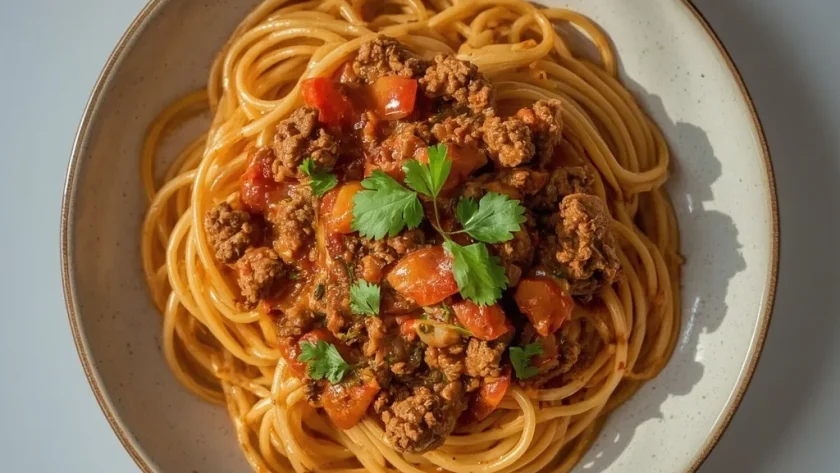
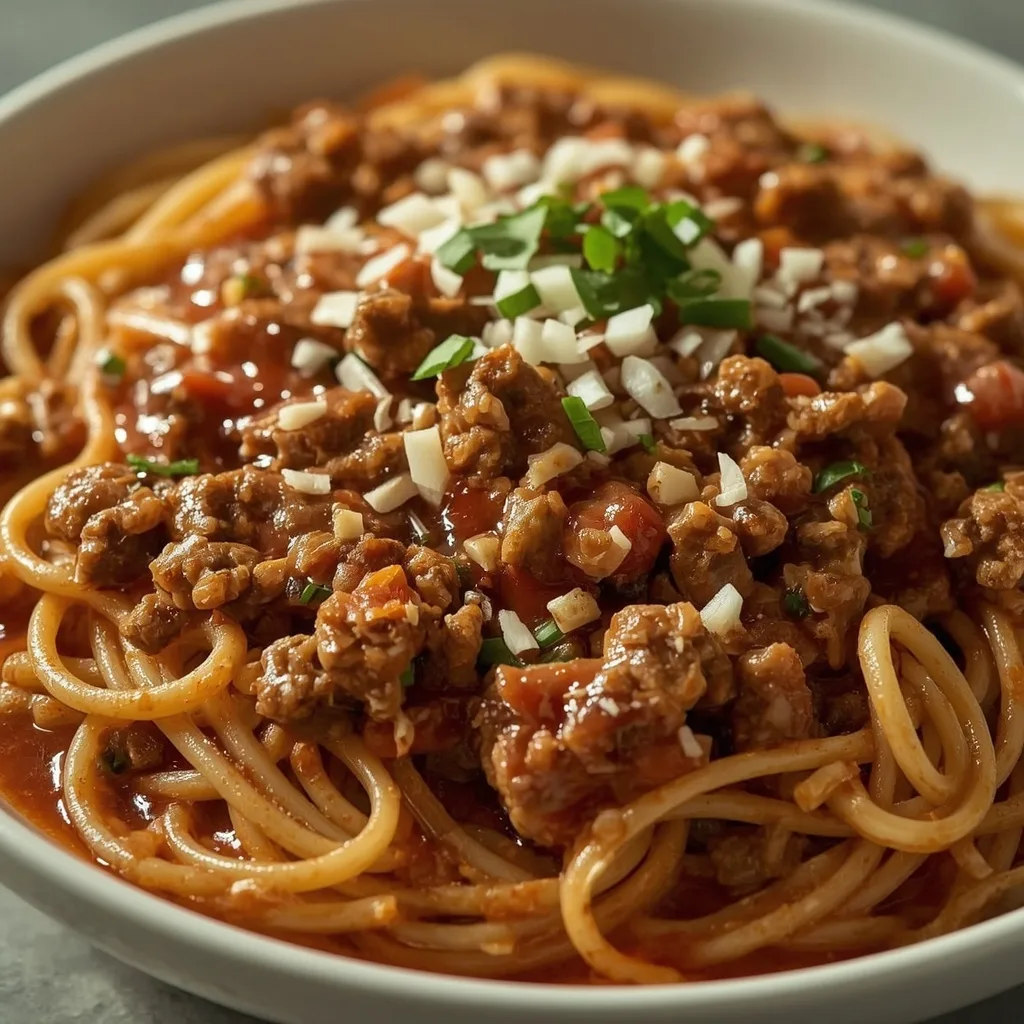
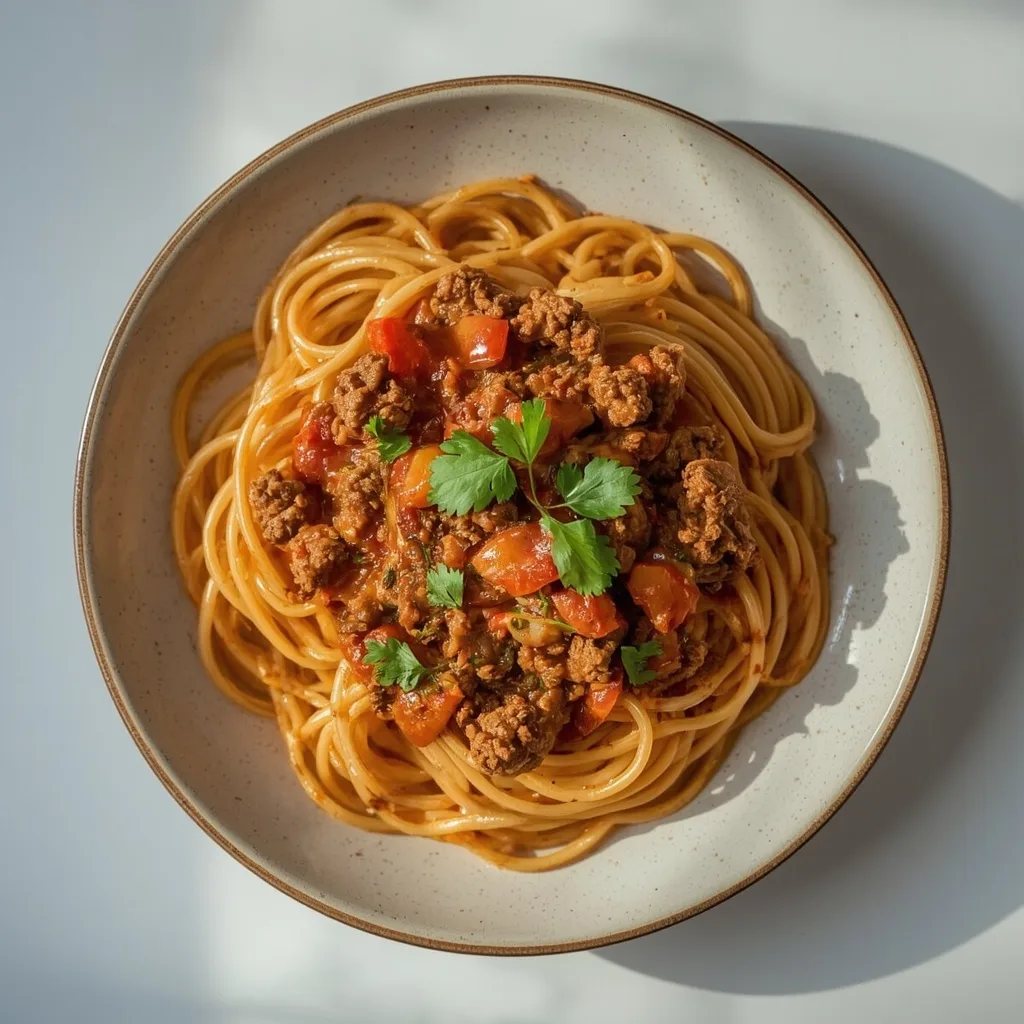
 Taco Spaghetti is exactly what it sounds like — a skillet full of seasoned ground beef and tender spaghetti tangled in a zesty tomato sauce, all topped with melted cheddar cheese. It takes the bold, familiar flavors of a taco night and pairs them with the comfort of a pasta dinner.
This dish comes together in about 40 minutes from start to finish, making it a solid weeknight choice for beginner and intermediate cooks alike. The only real timing trick is cooking the spaghetti one minute shy of al dente so it finishes absorbing sauce in the pan without turning mushy.
Why You’ll Love This Recipe
- One skillet, minimal cleanup — Everything from browning the beef to simmering the sauce happens in one deep pan or Dutch oven.
- Bold taco flavor in every bite — Chili powder, cumin, smoked paprika, and oregano give the sauce a spiced warmth that coats every strand of pasta.
- Cheese blanket that actually melts — A quick 2-minute covered rest off the heat turns shredded cheddar into a gooey, luscious topping without any broiler or extra dishes.
What Makes This Recipe Special
This dish skips the hard taco shells and crunchy toppings in favor of something simpler — long spaghetti strands that grab every bit of the seasoned tomato-beef sauce. The texture is tender but not limp, with pockets of melted cheddar adding richness in each forkful. It is a weeknight dinner that delivers the soul of a taco without the assembly line.
Ingredients You’ll Need
Here is everything required to build the sauce and cook the pasta. Most of the spices are pantry staples, so you might only need to pick up fresh produce and cheddar.
For the Pasta
- 8 oz spaghetti — Standard spaghetti works perfectly. The long strands hold the sauce better than short pasta. Reserve ½ cup of the pasta water before draining — it helps loosen the sauce if needed.
For the Taco Sauce
- 1 tbsp olive oil — Used to brown the beef and sauté the vegetables. You can substitute with avocado oil if preferred.
- 1 lb lean ground beef (90/10) — The lean meat keeps the sauce from becoming greasy. 85/15 works too, but you may want to drain off excess fat after browning.
- 1 medium onion, finely diced (about 1 cup) — Adds sweetness and depth as it softens in the pan.
- 3 cloves garlic, minced (about 1 tbsp) — Fresh garlic is key here. Pre-minced jarred garlic will work, but fresh has a sharper, cleaner flavor.
- 1 medium bell pepper, seeded and finely diced (about 1 cup) — Use any color you like. Red or orange adds a hint of sweetness, while green keeps it more savory.
- 2 tbsp tomato paste — Concentrated tomato flavor that deepens when cooked for a minute. This is not interchangeable with tomato sauce — the paste provides body and richness.
- 1 ½ cups low-sodium beef broth — Low-sodium is important here because the spices and cheese add salt. You can substitute with chicken broth if that is what you have.
- 1 (15 oz) can diced tomatoes, undrained — Diced tomatoes provide texture in the sauce. Fire-roasted diced tomatoes add a nice smoky note if you want to switch it up.
For the Seasoning
- 2 tsp chili powder — This is standard chili powder blend, not pure ground chiles. It gives the dish its signature taco warmth.
- 1 tsp ground cumin — Earthy and slightly citrusy, cumin is non-negotiable for authentic taco flavor.
- ½ tsp smoked paprika — Adds a subtle smoky depth that lifts the entire sauce.
- ½ tsp dried oregano — Mexican oregano is ideal if you have it, but standard Mediterranean oregano works fine.
- ½ tsp kosher salt — Adjust to your taste after the sauce simmers. The cheese adds salt too.
- ¼ tsp black pepper — Freshly ground is best, but pre-ground works in a pinch.
For the Toppings
- 1 cup shredded cheddar cheese (about 4 oz) — Shred it yourself from a block for the best melt. Pre-shredded cheese often has anti-caking agents that make it clump rather than melt smoothly.
- ¼ cup chopped fresh cilantro, for garnish — Adds a fresh, herbal finish. If you are not a cilantro fan, omit it or substitute with flat-leaf parsley.
- 2 green onions, thinly sliced, for garnish — Adds a mild onion crunch and a pop of green on top.
Equipment Needed
- Large pot — For boiling the spaghetti. A 5-quart pot with plenty of water prevents the pasta from sticking together.
- Large, deep skillet or Dutch oven — A 12-inch skillet with high sides or a 5-quart Dutch oven is ideal for browning the beef and simmering the sauce without splattering.
- Slotted spoon — For transferring the browned beef out of the pan while leaving the fat behind for sautéing the vegetables.
- Tongs — Tossing the hot spaghetti into the sauce is much easier with tongs than with a spoon. They help coat every strand evenly.
- Lid or aluminum foil — Needed to cover the skillet in the final step so the cheese melts gently from the residual heat.
Instructions to Prepare Taco Spaghetti
This recipe moves fast once the pasta water comes to a boil, so read through the steps once before you start. The key is timing the sauce to be ready when the spaghetti is just shy of al dente.
- Cook the spaghetti — Bring a large pot of salted water to a boil over high heat. Add the spaghetti and cook 1 minute less than the package directions for al dente, about 9–10 minutes. Reserve ½ cup of the pasta water before draining, then drain and set the pasta aside.
- Brown the beef — While the pasta cooks, heat olive oil in a large, deep skillet or Dutch oven over medium-high heat until the oil shimmers. Add the ground beef and cook, breaking it up with a spoon, until browned and no longer pink, about 6–8 minutes. Use a slotted spoon to transfer the beef to a bowl, leaving the fat in the pan.
- Sauté the aromatics — Reduce the heat to medium. Add the diced onion and cook, stirring occasionally, until it softens and turns translucent, about 4–5 minutes. Add the bell pepper and continue cooking for 2 more minutes, until it begins to soften.
- Bloom the tomato paste — Add the minced garlic and tomato paste. Stir constantly for 1 minute until the tomato paste darkens slightly and becomes fragrant. If the paste sticks to the pan, add a splash of beef broth to loosen it.
- Build the sauce — Pour in the beef broth, diced tomatoes with their juices, chili powder, cumin, smoked paprika, oregano, salt, and black pepper. Stir to combine, scraping up any browned bits from the bottom of the pan. Bring the sauce to a simmer over medium-high heat, then reduce heat to medium-low and let it bubble gently for 8 minutes, stirring occasionally, until it thickens slightly.
- Return the beef — Add the browned ground beef back to the skillet. Stir well and cook for 2 more minutes so the flavors meld together.
- Combine with pasta — Add the drained spaghetti to the sauce. Toss with tongs until every strand is evenly coated. If the mixture seems dry, add the reserved pasta water a tablespoon at a time until the sauce clings to the pasta without pooling.
- Melt the cheese — Remove the skillet from heat. Sprinkle the shredded cheddar evenly over the top. Cover the skillet with a lid or foil and let it rest for 2 minutes — the residual heat will melt the cheese into a luscious blanket.
- Garnish and serve — Uncover and sprinkle with fresh cilantro and sliced green onions. Serve immediately while the cheese is still melted and the pasta is hot.
Expert Tips for a Standout Taco Spaghetti
- Undercook the spaghetti by one minute — The pasta continues to absorb sauce as it sits in the skillet. Cooking it fully al dente in the water would leave it too soft after the toss. One minute less keeps it firm enough to hold up.
- Reserve that pasta water before draining — The starchy water is a simple fix if the sauce seems dry or tight. Add it a tablespoon at a time until the consistency looks right. It also helps the sauce cling to the pasta better than plain water.
- Let the tomato paste darken — Stirring the paste with the garlic for a full minute deepens its flavor significantly. It goes from bright red to a rusty brick color and smells much richer. Do not skip this step.
- Taste the sauce before adding the pasta — Check the seasoning after the sauce has simmered for 8 minutes. The cheese adds salt later, so the sauce should taste well-seasoned but not salty on its own. Adjust with a pinch of salt or a splash of lime juice if it needs brightness.
- Shred your own cheese — A block of cheddar shredded on a box grater melts far more smoothly than bagged pre-shredded cheese. The anti-caking coatings on pre-shredded cheese can make the top look clumpy rather than lusciously melted.
- Use tongs for tossing, not a spoon — Tongs let you lift and turn the spaghetti without crushing it. A spoon tends to mash the strands together or push them into a clump. A few gentle tosses with tongs coat every strand evenly.
- Rest the skillet off the heat for exactly 2 minutes — Covering the hot skillet traps enough steam to melt the cheese gently without overcooking the pasta. Leaving it longer can make the bottom layer of pasta stick to the pan or turn gummy.
Common Mistakes to Avoid
- Overcooking the spaghetti — Boiling the pasta to full softness means it will turn mushy after tossing with the hot sauce. Always stop one minute short of al dente. The strands should still have a slight white core in the center when you drain them.
- Skipping the tomato paste bloom — Throwing tomato paste straight into the liquid without cooking it first leaves a raw, tinny flavor in the sauce. That 1-minute stir in the hot pan transforms it into something rich and savory.
- Using too much pasta water — Adding the reserved water all at once can make the sauce watery and thin. Add it gradually — just a tablespoon or two is often enough to loosen the sauce without diluting the flavor.
- Crowding the pan during browning — If you add too much beef at once, it steams instead of browning. Work in batches if your skillet feels crowded. Proper browning gives the sauce deeper flavor from the browned bits stuck to the pan.
- Forgetting to scrape the pan bottom — Those browned bits after cooking the beef and vegetables hold concentrated flavor. Pouring in the broth and scraping them up is essential — leaving them behind means leaving flavor in the pan.
- Waiting too long to serve — This dish is best eaten immediately after the cheese melts. As it sits, the pasta continues absorbing sauce and can become dry or sticky. If you need to hold it, keep the skillet covered on the lowest heat for no more than 10 minutes.
Variations & Ways to Customize Taco Spaghetti
- Swap the protein — Substitute ground turkey, ground chicken, or plant-based crumbles for the ground beef. If using a leaner protein, add an extra tablespoon of olive oil to keep the sauce from drying out.
- Add extra vegetables — Stir in 1 cup of frozen corn kernels or a drained can of black beans along with the diced tomatoes. Both add texture and make the dish more filling without changing the cooking time.
- Spice it up — Add ½ teaspoon of cayenne pepper or a minced chipotle pepper in adobo sauce when you add the dried spices. This turns the heat level up without overpowering the other flavors.
- Use a different cheese — Swap half the cheddar for Monterey Jack, pepper jack, or a Mexican blend. Pepper jack adds a subtle heat that complements the taco seasoning nicely.
- Switch the pasta shape — Short pasta like penne, rotini, or fusilli works well if you do not have spaghetti on hand. The cooking time for the pasta will change — cook it exactly 1 minute less than the package directions regardless of shape.
- Top with classic taco garnishes — A dollop of sour cream, a few slices of pickled jalapeños, or a spoonful of pico de gallo on top of the cheese adds freshness and contrast. These additions work best served at the table so everyone can customize their own bowl.
What to Serve With Taco Spaghetti
A bowl of this pasta is hearty enough to be a full meal on its own, but a few simple sides round out the plate nicely. Here are six suggestions that match the Tex-Mex flavors without making the dinner feel heavy.
- Simple side salad — Toss romaine lettuce with lime juice, olive oil, and a pinch of salt. The crisp, cool greens balance the warm, spicy pasta.
- Guacamole or sliced avocado — Creamy avocado provides a cooling contrast to the seasoned sauce. Serve it on the side or spoon it directly over the top.
- Refried beans — A small scoop of warm refried beans alongside the spaghetti adds protein and a creamy texture that complements the dish without competing.
- Mexican street corn salad — Grilled corn kernels tossed with cotija cheese, lime juice, and chili powder. It brings sweetness, tang, and a bit of crunch to the table.
- Warm corn tortillas — Soft corn tortillas on the side let everyone scoop up any remaining sauce or use them to make mini tacos from the pasta itself.
- Fruit salsa — A quick mix of diced mango, pineapple, red onion, and cilantro with lime juice. The sweet-tart fruit cuts through the richness of the cheese and beef perfectly.
Make-Ahead Instructions
- Prep the vegetables in advance — Dice the onion and bell pepper up to 2 days ahead. Store them together in an airtight container in the refrigerator. Mince the garlic and store it separately to keep its flavor strong.
- Measure the spices ahead of time — Combine the chili powder, cumin, smoked paprika, oregano, salt, and black pepper in a small bowl or jar. Store the spice blend in a sealed container at room temperature for up to a week.
- Shred the cheese early — Shred the cheddar cheese up to 3 days in advance. Keep it in a sealed bag or container in the refrigerator. Shredding it yourself stays fresh longer than pre-shredded cheese.
- Do not cook the pasta ahead — Cooked spaghetti does not hold well for this dish. If you need to speed things up on the day you serve, prep all other ingredients in advance but boil the pasta fresh right before combining everything.
Storage and Reheating
Leftovers keep well for a few days, but the pasta continues absorbing moisture, so the texture changes over time. Follow these guidelines to keep it as close to fresh as possible.
Storage
- Airtight container — Transfer leftover Taco Spaghetti to an airtight container within 2 hours of cooking. Press a piece of plastic wrap directly onto the surface of the pasta before sealing the lid to prevent a skin from forming on top.
- Refrigerate for up to 3 days — The dish stays safe and flavorful in the refrigerator for 3 days maximum. After that, the pasta becomes too soft and the flavors start to fade.
- Do not freeze — This dish does not freeze well. The pasta becomes mushy and watery when thawed, and the sauce separates. If you need a freezer-friendly meal, freeze the sauce alone without the pasta and cook fresh spaghetti when reheating.
Reheating
- Skillet on the stovetop — Place the leftovers in a skillet over medium-low heat. Add a splash of water or beef broth, cover, and warm for 5–7 minutes, stirring occasionally, until heated through. This method restores the sauce better than any other.
- Microwave in short bursts — If you are short on time, microwave in 30-second intervals at 50% power, stirring between each burst. Stop as soon as it is hot to avoid turning the pasta mushy. Add a teaspoon of water before microwaving to loosen the sauce.
- Oven for larger portions — Spread leftovers in an oven-safe dish, add a tablespoon of water, cover with foil, and reheat at 350°F for 10–12 minutes. Stir halfway through. The foil traps steam and prevents the pasta from drying out.
Nutritional Breakdown (Per Serving)
Based on 1 serving out of 4 total. Each serving includes the full pasta and toppings as written in the recipe.
- Calories: 572
- Protein: 36g
- Fat: about 22g
- Carbohydrates: around 54g
- Fiber: 5g
- Sugar: 9g
- Sodium: close to 780mg
Frequently Asked Questions
Can I use ground turkey instead of beef for Taco Spaghetti?
Yes, ground turkey works perfectly. Use 93/7 lean turkey to keep the sauce from being too dry. You may need to add an extra tablespoon of olive oil since turkey has less fat than beef.
How long does Taco Spaghetti last in the fridge?
Leftovers stay good in an airtight container in the refrigerator for up to 3 days. The pasta will continue absorbing sauce, so the texture becomes softer with each day.
Can I make this dish dairy-free?
Replace the cheddar cheese with a dairy-free shredded cheese alternative. Look for one that melts well — cashew-based or coconut oil-based shreds work best. All other ingredients are naturally dairy-free.
What is the best way to reheat leftovers without drying them out?
The stovetop method works best. Add a splash of water or broth to the skillet, cover it, and warm over medium-low heat for 5–7 minutes. This rehydrates the pasta and redistributes the sauce evenly.
Can I add beans to this Taco Spaghetti?
Absolutely. Stir in one drained and rinsed can of black beans or pinto beans along with the beef in step 6. The beans add fiber and protein without changing the cooking time.
Is this recipe spicy?
It has a mild, warm spice level from the chili powder and cumin, similar to a standard ground beef taco. It is not spicy in a chili heat sense. If you want more heat, add cayenne or a minced chipotle pepper as noted in the variations section.
Final Words
Taco Spaghetti delivers everything you want from a weeknight dinner — bold flavor, minimal dishes, and a satisfied table. The best part is how forgiving it is: you can swap in whatever vegetables or protein you have on hand and it still turns out great. Try it on a busy Tuesday and see how quickly it becomes part of your regular rotation.
Similar Recipes
- White Bean Chicken Chili
- Slow-Braised Beef Brisket
- Chicken Casserole
- Instant Pot Thai Chicken Curry With Vegetables
Taco Spaghetti
A fusion dish combining two comfort food favorites: savory taco-seasoned ground beef tossed with al dente spaghetti in a zesty tomato sauce. Every strand is coated in a rich, spiced sauce with pockets of melted cheddar, offering a satisfying bite that’s both hearty and tangy.
- Prep Time: 15
- Cook Time: 25
- Total Time: 40
- Yield: 4 1x
- Category: Main Course
- Method: Stovetop
- Cuisine: Tex-Mex
Ingredients
- 8 oz spaghetti
- 1 tbsp olive oil
- 1 lb lean ground beef (90/10)
- 1 medium onion, finely diced (about 1 cup)
- 3 cloves garlic, minced (about 1 tbsp)
- 1 medium bell pepper, seeded and finely diced (about 1 cup)
- 2 tbsp tomato paste
- 1 1/2 cups low-sodium beef broth
- 1 (15 oz) can diced tomatoes, undrained
- 2 tsp chili powder
- 1 tsp ground cumin
- 1/2 tsp smoked paprika
- 1/2 tsp dried oregano
- 1/2 tsp kosher salt
- 1/4 tsp black pepper
- 1 cup shredded cheddar cheese (about 4 oz)
- 1/4 cup chopped fresh cilantro, for garnish
- 2 green onions, thinly sliced, for garnish
Instructions
- Bring a large pot of salted water to a boil over high heat. Add the spaghetti and cook 1 minute less than the package directions for al dente, about 9-10 minutes. Reserve 1/2 cup pasta water before draining, then drain and set aside.
- While the pasta cooks, heat olive oil in a large, deep skillet or Dutch oven over medium-high heat until the oil shimmers. Add the ground beef and cook, breaking it up with a spoon, until browned and no longer pink, about 6-8 minutes. Use a slotted spoon to transfer the beef to a bowl, leaving the fat in the pan.
- Reduce heat to medium and add the diced onion. Cook, stirring occasionally, until the onion softens and becomes translucent, about 4-5 minutes. Add the bell pepper and continue cooking for 2 minutes, until it begins to soften.
- Add the minced garlic and tomato paste. Stir constantly for 1 minute until the tomato paste darkens slightly and becomes fragrant — this deepens the flavor. If the paste sticks, add a splash of beef broth to loosen it.
- Pour in the beef broth, diced tomatoes with their juices, chili powder, cumin, smoked paprika, oregano, salt, and black pepper. Stir to combine, scraping up any browned bits from the bottom of the pan. Bring the sauce to a simmer over medium-high heat, then reduce heat to medium-low and let it bubble gently for 8 minutes, stirring occasionally, until the sauce thickens slightly.
- Return the browned ground beef to the skillet. Stir well and let it cook for 2 more minutes, allowing the flavors to meld.
- Add the drained spaghetti to the sauce. Toss with tongs until every strand is evenly coated. If the mixture seems dry, add the reserved pasta water a tablespoon at a time until the sauce clings to the pasta without pooling.
- Remove the skillet from heat. Sprinkle the shredded cheddar evenly over the top. Cover the skillet with a lid or foil and let it rest for 2 minutes — the residual heat will melt the cheese into a luscious blanket.
- Uncover and garnish with fresh cilantro and sliced green onions. Serve immediately while the cheese is still melted and the pasta is hot.
Notes
Store leftovers in an airtight container in the refrigerator for up to 3 days. To reheat, place in a skillet over medium-low heat with a splash of water or broth, cover, and warm for 5-7 minutes, stirring occasionally, until heated through. Avoid microwaving as it can make the pasta mushy. This dish does not freeze well due to the texture of the pasta after thawing.
Nutrition
- Calories: 572
- Sugar: 9g
- Sodium: 780mg
- Unsaturated Fat: 10g
- Carbohydrates: 54g
- Fiber: 5g
- Protein: 36g
- Cholesterol: 95mg
Keywords: taco spaghetti, spaghetti recipe, Tex-Mex pasta, ground beef pasta, weeknight dinner, cheesy pasta, taco pasta, one-pot pasta, Mexican spaghetti, comfort food