 Kendric adan
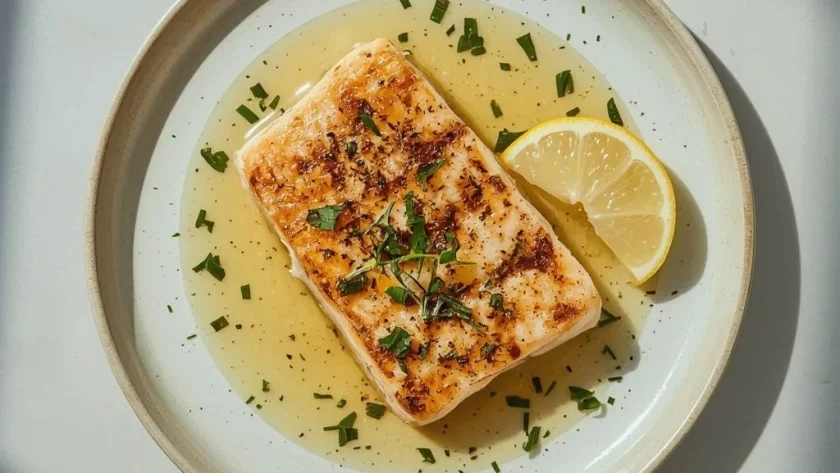
 Broiled Chilean sea bass delivers a beautifully crisp, golden exterior while keeping the interior impossibly buttery and flaky. A simple toss with olive oil, lemon, and fresh herbs lets the fish’s natural richness take center stage.
Total time is just 20 minutes from start to table, with 10 minutes of hands-on prep and 10 minutes under the broiler. This is beginner-friendly territory—the only tricky part is not walking away during broiling.
Why You’ll Love This Recipe
- The preparation — Measured ingredients and a single baking sheet keep cleanup fast and frustration low.
- That texture contrast — The broiler creates a browned, almost crisp crust while the inside stays tender enough to flake with a fork.
- Adaptable finishing — Lemon wedges or a simple herb sauce transform the dish without adding steps.
What Makes This Recipe Special
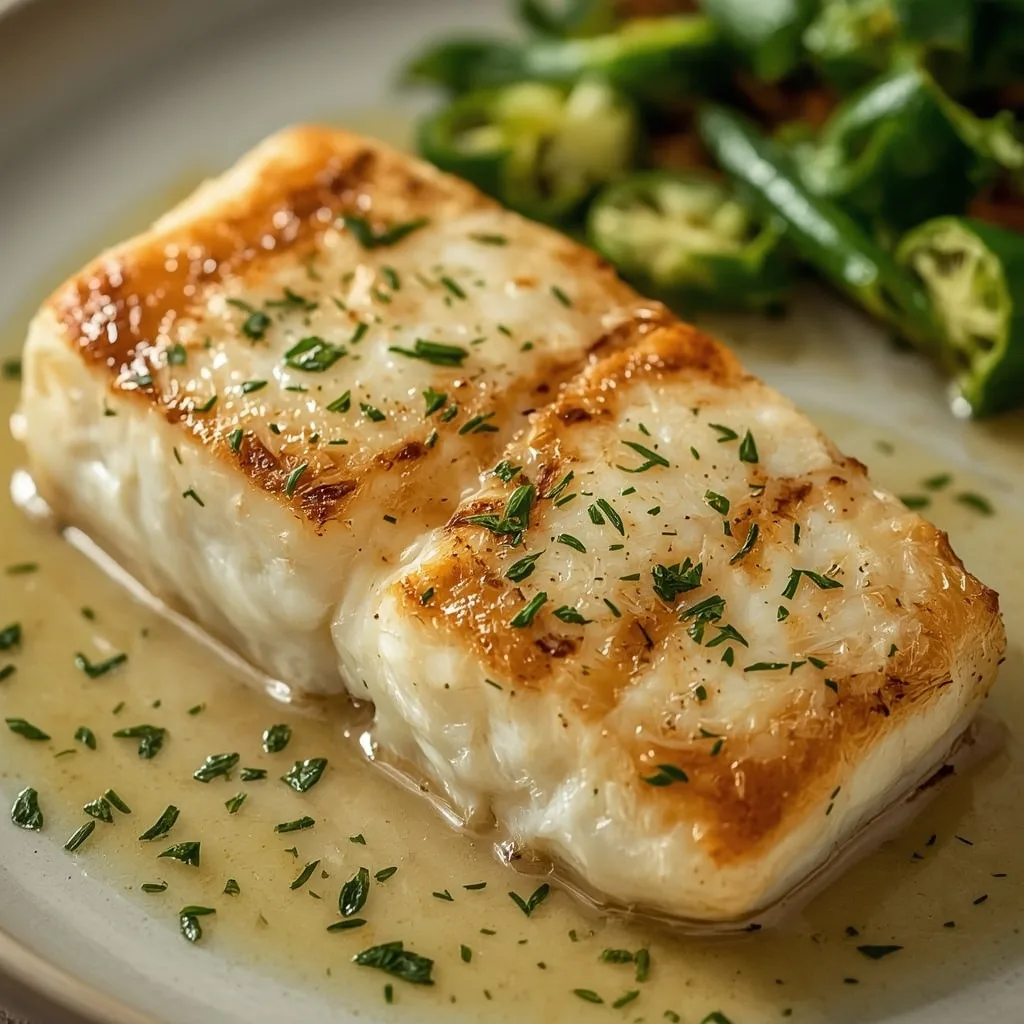
The technique here relies on high, direct heat from above rather than a hot pan or oven. This dry-heat method firms the exterior rapidly without overcooking the delicate flesh, so you get a satisfying crust and a moist, almost buttery center. It works beautifully for a quick weeknight dinner or a no-fuss dinner party main course.
Ingredients You’ll Need
You probably have most of these already. Here is what each ingredient does in the dish.
For the Fish
- 4 (6-ounce) Chilean sea bass fillets, skin removed — About 1.5 pounds total. Look for fillets of similar thickness so they cook evenly. Ask your fishmonger to remove the skin if you prefer.
- 2 tablespoons extra-virgin olive oil — Helps the seasonings cling to the fish and encourages browning. A good-quality oil adds a subtle fruitiness.
- 1 tablespoon fresh lemon juice — From about half a lemon. The acidity brightens the rich fish without overwhelming it. Bottled juice is a last resort.
For the Seasoning
- 1 teaspoon kosher salt — Use coarse salt for even, gentle seasoning. Table salt is saltier by volume, so reduce to about 3/4 teaspoon.
- 1/2 teaspoon freshly ground black pepper — Freshly ground gives a mild heat that complements the fish.
- 1/2 teaspoon garlic powder — Adds a savory depth without the harshness of raw garlic. Granulated garlic works too.
- 1 teaspoon fresh thyme leaves (optional) — Mildly floral and earthy, thyme pairs naturally with lemon and olive oil. Dried thyme can substitute, but use only 1/2 teaspoon.
Equipment Needed
You do not need anything fancy. Here is what will make the process smooth.
- Rimmed baking sheet — The raised edges catch any oil drips and keep your oven clean. A half-sheet pan is ideal.
- Aluminum foil — Lining the sheet makes post-dinner cleanup a breeze. Heavy-duty foil holds up better under the broiler.
- Paper towels — Patting the fillets dry is essential for proper browning and seasoning adhesion.
- Small bowl and whisk — Whisking the oil, lemon juice, and seasonings creates a simple emulsion that coats the fish evenly.
- Instant-read thermometer — The most reliable way to guarantee doneness without guesswork. An internal temp of 145°F (63°C) is the target.
Instructions to Prepare broiled chilean sea bass
The process is straightforward, but a few small habits make a big difference.
- Preheat and prep — Position an oven rack about 6 inches from the broiler element and preheat to high. Line a rimmed baking sheet with aluminum foil and set it aside.
- Dry the fillets — Pat the Chilean sea bass fillets dry with paper towels. Removing surface moisture ensures the oil and seasonings adhere properly and promotes even browning.
- Make the seasoning mixture — In a small bowl, whisk together the olive oil, lemon juice, kosher salt, black pepper, and garlic powder. If using fresh thyme, stir it in. This simple emulsion will coat the fish evenly and prevent it from sticking to the foil.
- Arrange and coat — Place the fillets on the prepared baking sheet, spacing them at least 1 inch apart so they brown rather than steam. Brush the seasoned oil mixture over the top of each fillet, using all of it.
- Broil without flipping — Cook the fish for 6 to 8 minutes, depending on thickness. You will see the edges turn golden brown and the flesh become opaque. The fish is done when it flakes easily with a fork and the internal temperature reaches 145°F (63°C) at the thickest part.
- Rest and serve — Remove the baking sheet from the oven and let the fillets rest for 2 minutes. Resting allows the juices to redistribute, ensuring a moist texture. Serve immediately with lemon wedges or a light herb sauce if desired.
Expert Tips for a Standout broiled chilean sea bass
A few small adjustments separate good fish from great fish. Here is what I have learned from making this many times.
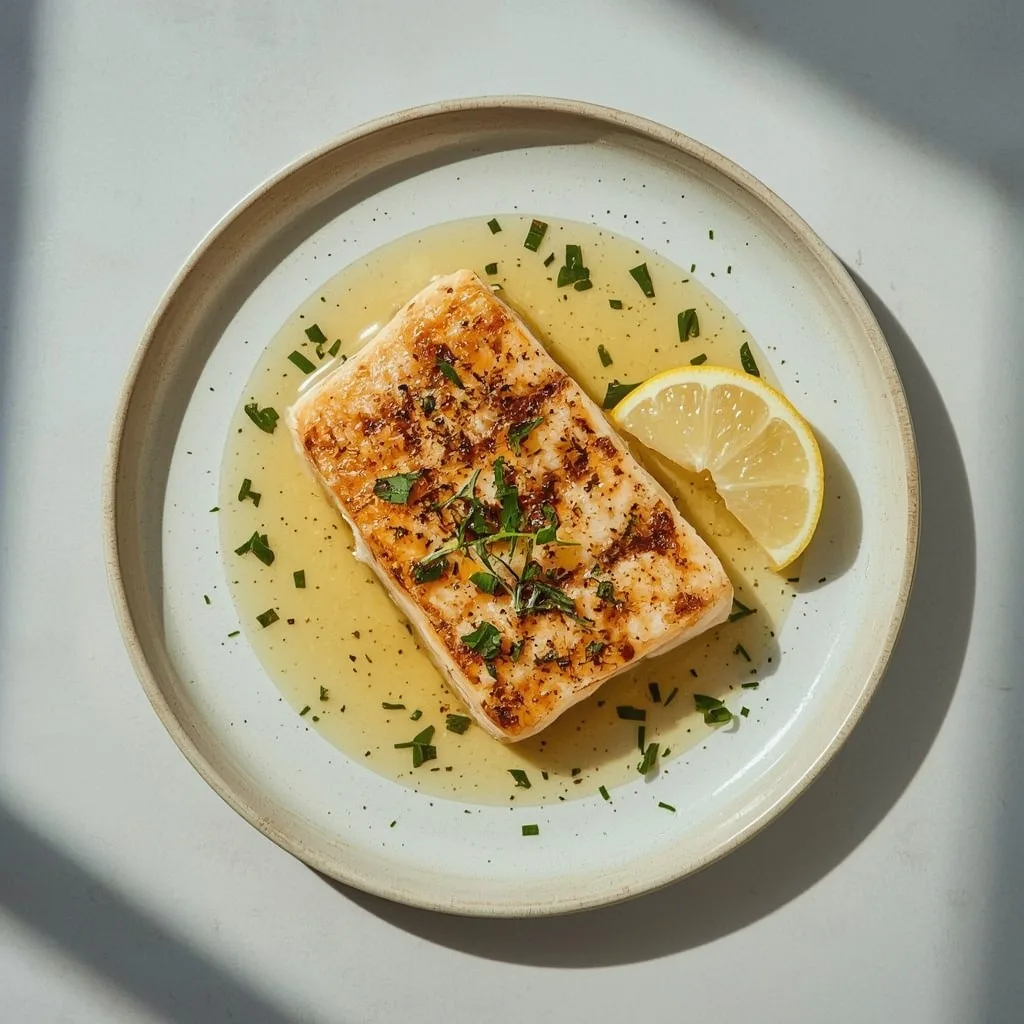
- Pat dry thoroughly — Wet fillets steam rather than brown. Blot each side with paper towels right before seasoning. Even a little moisture dulls the crust.
- Space fillets apart — Crowding the pan traps steam between pieces. At least an inch of air around each fillet lets the heat circulate and crisp the edges.
- Use all the oil mixture — Do not skimp. The oil carries flavor and prevents the fish from sticking to the foil. Brushing it on, rather than drizzling, gives a more even coat.
- Watch the clock, not just the color — Ovens vary. Start checking at 6 minutes if your fillets are on the thinner side. Once the edges are deeply golden, the center is likely done.
- Let it rest before serving — Two minutes off the heat makes a real difference. The carry-over cooking finishes the fish gently, and the juices settle into the flesh rather than pooling on the plate.
- Double-check with a thermometer — Flaking with a fork is a good test, but a thermometer is precise. Insert it into the thickest part. 145°F (63°C) means it is ready.
Common Mistakes to Avoid
I have made every one of these errors myself. Here is how to skip them.
- Overcooking the fish — The line between flaky and dry is thin under the broiler. Remove the fish at 145°F (63°C), even if a few spots still look slightly translucent. Residual heat will finish the job.
- Skipping the resting step — Cutting into the fillet fresh from the broiler releases juices onto the plate, leaving the fish drier. A 2-minute rest retains that moisture.
- Using the wrong oven rack position — Too close to the broiler chars the outside before the center cooks. Too far and you get pale, steamed fish. 6 inches is the sweet spot.
- Not drying the fillets — Moisture is the enemy of browning. A wet surface creates steam, which softens the exterior and prevents that golden crust.
- Flipping the fillets — This fish is delicate. Flipping can break the fillet and disrupt the browning. Broil on one side only, and let the top do all the work.
Variations & Ways to Customize broiled chilean sea bass
Once you master the basic method, small changes keep the dish interesting.
- Citrus-herb twist — Replace the lemon juice with fresh lime juice and add 1 teaspoon of chopped fresh cilantro or dill to the oil mixture. The bright acidity cuts the richness nicely.
- Spicy kick — Stir 1/4 teaspoon of red pepper flakes or a pinch of cayenne into the seasoning. A little heat complements the buttery texture without overshadowing it.
- Asian-inspired finish — Swap the olive oil for toasted sesame oil, use soy sauce instead of salt, and add 1 teaspoon of grated fresh ginger. Drizzle with a little more sesame oil just before serving.
- Herb crust variation — After brushing on the oil mixture, press 2 tablespoons of finely chopped fresh parsley, chives, and tarragon onto the top of each fillet. The herbs form a fragrant, crispy layer under the broiler.
- Lemon-garlic compound butter — Skip the herb mixture and place a thin pat of compound butter (softened butter mixed with minced garlic, lemon zest, and parsley) on each fillet for the last 2 minutes of broiling. It melts into a rich sauce.
What to Serve With broiled chilean sea bass
This fish is versatile enough to pair with many sides. Here are some favorites that complete the meal.
- Simple steamed asparagus — A light, green vegetable balances the richness of the fish. Drizzle with a little lemon juice and sprinkle with flaky salt.
- Herb roasted potatoes — Crispy, golden potatoes tossed with rosemary and olive oil offer a hearty contrast. Roast them while the fish rests.
- Citrus and avocado salad — Fresh orange segments, sliced avocado, and arugula dressed with a light vinaigrette brighten each bite. The creaminess mirrors the fish’s texture.
- Buttered orzo with parsley — Small pasta soaks up any juices from the fish. Stir in a handful of fresh parsley and some lemon zest.
- Warm crusty bread — A good baguette or sourdough slice is perfect for sopping up the lemony oil left on the plate. Keep it simple.
Make-Ahead Instructions
This dish comes together so quickly that make-ahead prep is minimal, but a few steps can ease your timeline.
- Season the fish in advance — Brush the oil mixture onto the fillets up to 2 hours ahead, then cover and refrigerate. Take them out 15 minutes before broiling to take the chill off.
- Prepare the seasoning mixture — Whisk the olive oil, lemon juice, salt, pepper, and garlic powder together and store in an airtight container in the refrigerator for up to 3 days. Stir in fresh thyme just before using.
- Line the baking sheet — Foil can be placed on the sheet up to a day ahead. Keep it covered so dust does not settle on the surface.
Storage and Reheating
Leftover fish is best enjoyed within a day or two. Here is how to keep it at its best.
Storage
- Airtight container in the refrigerator — Place cooled fillets in a single layer inside a container and seal tightly. They will stay good for up to 2 days. Stacking can cause the delicate flesh to break apart.
- Plastic wrap plus foil — Wrap each fillet individually in plastic wrap, then again in foil. This double layer prevents the fish from absorbing fridge odors.
- Freezing is not recommended — The delicate texture degrades noticeably upon thawing. If you must freeze, do so immediately after cooling and use within 1 month. Expect a softer, mealier result.
Reheating
- Oven method (best) — Place fillets on a foil-lined baking sheet and warm in a 300°F (150°C) oven for 5–7 minutes, or until just heated through. The gentle heat revives the crust without drying the interior.
- Skillet method — Heat a non-stick skillet over medium-low heat with a tiny splash of water or lemon juice. Cover and cook for 2–3 minutes. The steam helps moisten the fish.
- Microwave method (use with caution) — Place the fillet on a microwave-safe plate, cover with a damp paper towel, and heat on medium power in 30-second bursts. Stop as soon as it is warm. Full power will turn it rubbery.
- Air fryer method — Set the air fryer to 300°F (150°C) and warm the fillet for 3–4 minutes. It crisps the exterior nicely but can dry the fish if left too long.
Nutritional Breakdown (Per Serving)
Based on 1 serving = 1 fillet out of 4 total, prepared as written.
- Calories — 400
- Protein — 34g
- Fat — 34g
- Carbohydrates — 0g
- Fiber — about 0g
- Sugar — about 0g
- Sodium — around 550mg
Frequently Asked Questions
Can I use frozen Chilean sea bass for broiling?
Yes, but thaw it completely in the refrigerator overnight first. Pat it very dry before seasoning because frozen fish releases more moisture as it cooks.
How long does broiled chilean sea bass last in the fridge?
Leftover broiled chilean sea bass will keep in an airtight container in the refrigerator for up to 2 days. Beyond that, the texture starts to decline noticeably.
What is the best way to reheat broiled chilean sea bass without drying it out?
The oven method at 300°F (150°C) for 5–7 minutes is the gentlest option. It reheats the fish evenly and restores some of the crispness on the surface.
Can I use a different type of fish for this recipe?
Absolutely. Thick, oily fish like salmon, halibut, or cod work well. Adjust cooking time based on thickness, and check for doneness at 145°F (63°C) regardless of the fish.
Do I have to remove the skin from the fillets?
The recipe calls for skin removed, but you can leave it on if you prefer. Just score the skin lightly in a few places to prevent curling. The skin will crisp up nicely under the broiler.
What if I do not have fresh thyme? Can I use dried herbs?
Yes. Use 1/2 teaspoon of dried thyme instead of 1 teaspoon fresh. Add it to the oil mixture at the same time as the other dry seasonings.
Final Words
This broiled Chilean sea bass is one of those rare dishes that feels special without requiring much effort. The high heat does the heavy lifting, and the short ingredient list lets the fish speak for itself. I hope you give it a try soon and see how easy a restaurant-quality meal can be at home.
More Recipes
PrintBroiled Chilean Sea Bass
This broiled Chilean sea bass delivers a beautifully crisp, golden exterior while maintaining the fish’s famously buttery, flaky interior. A simple seasoning of olive oil, lemon, and fresh herbs allows the rich flavor of the fish to shine, making it an elegant yet effortless weeknight main course.
- Prep Time: 10
- Cook Time: 10
- Total Time: 20
- Yield: 4 1x
- Category: Main Course
- Method: Broiling
- Cuisine: American
Ingredients
- 4 (6-ounce) Chilean sea bass fillets (about 1.5 pounds total), skin removed
- 2 tablespoons extra-virgin olive oil
- 1 tablespoon fresh lemon juice (from about half a lemon)
- 1 teaspoon kosher salt
- 1/2 teaspoon freshly ground black pepper
- 1/2 teaspoon garlic powder
- 1 teaspoon fresh thyme leaves (optional)
Instructions
- Position an oven rack about 6 inches from the broiler element and preheat the broiler to high. Line a rimmed baking sheet with aluminum foil for easy cleanup and set it aside.
- Pat the Chilean sea bass fillets dry with paper towels. Removing surface moisture ensures the oil and seasonings adhere properly and promotes even browning during broiling.
- In a small bowl, whisk together the olive oil, lemon juice, kosher salt, black pepper, and garlic powder. If using fresh thyme, stir it into the mixture. This simple emulsion will coat the fish evenly and prevent it from sticking to the foil.
- Place the fillets on the prepared baking sheet, spacing them at least 1 inch apart so they brown rather than steam. Brush the seasoned oil mixture over the top of each fillet, using all of it.
- Broil the fish for 6 to 8 minutes, depending on thickness, without flipping. You will see the edges turn golden brown and the flesh become opaque. The fish is done when it flakes easily with a fork and the internal temperature reaches 145°F (63°C) at the thickest part.
- Remove the baking sheet from the oven and let the fillets rest for 2 minutes. Resting allows the juices to redistribute, ensuring a moist texture. Serve immediately with lemon wedges or a light herb sauce if desired.
Notes
Store leftover broiled sea bass in an airtight container in the refrigerator for up to 2 days. To reheat, place fillets on a foil-lined baking sheet and warm in a 300°F (150°C) oven for 5–7 minutes, or until just heated through. Avoid microwaving at full power as it can dry out the fish. Freezing is not recommended because the delicate texture degrades upon thawing.
Nutrition
- Calories: 400
- Sugar: 0g
- Sodium: 550mg
- Unsaturated Fat: 5g
- Carbohydrates: 0g
- Fiber: 0g
- Protein: 34g
- Cholesterol: 85mg
Keywords: broiled Chilean sea bass, Chilean sea bass recipe, broiled fish, easy seafood dinner, buttery fish fillet, main course, American cuisine, quick dinner, healthy protein, lemon herb fish