 Kendric adan
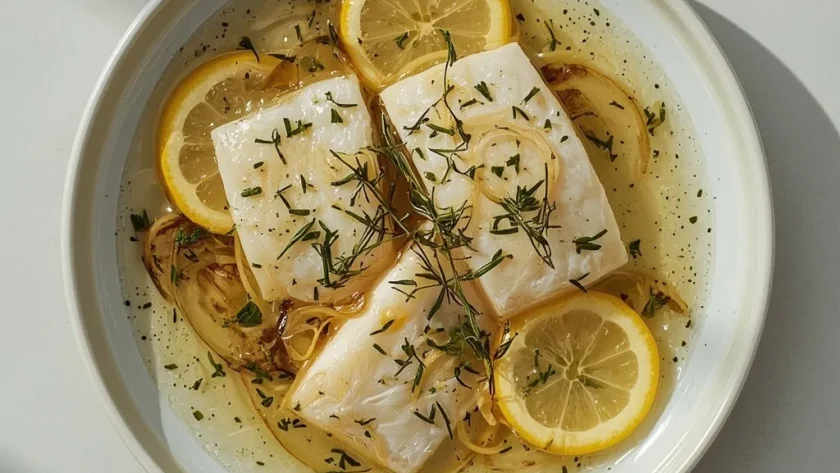
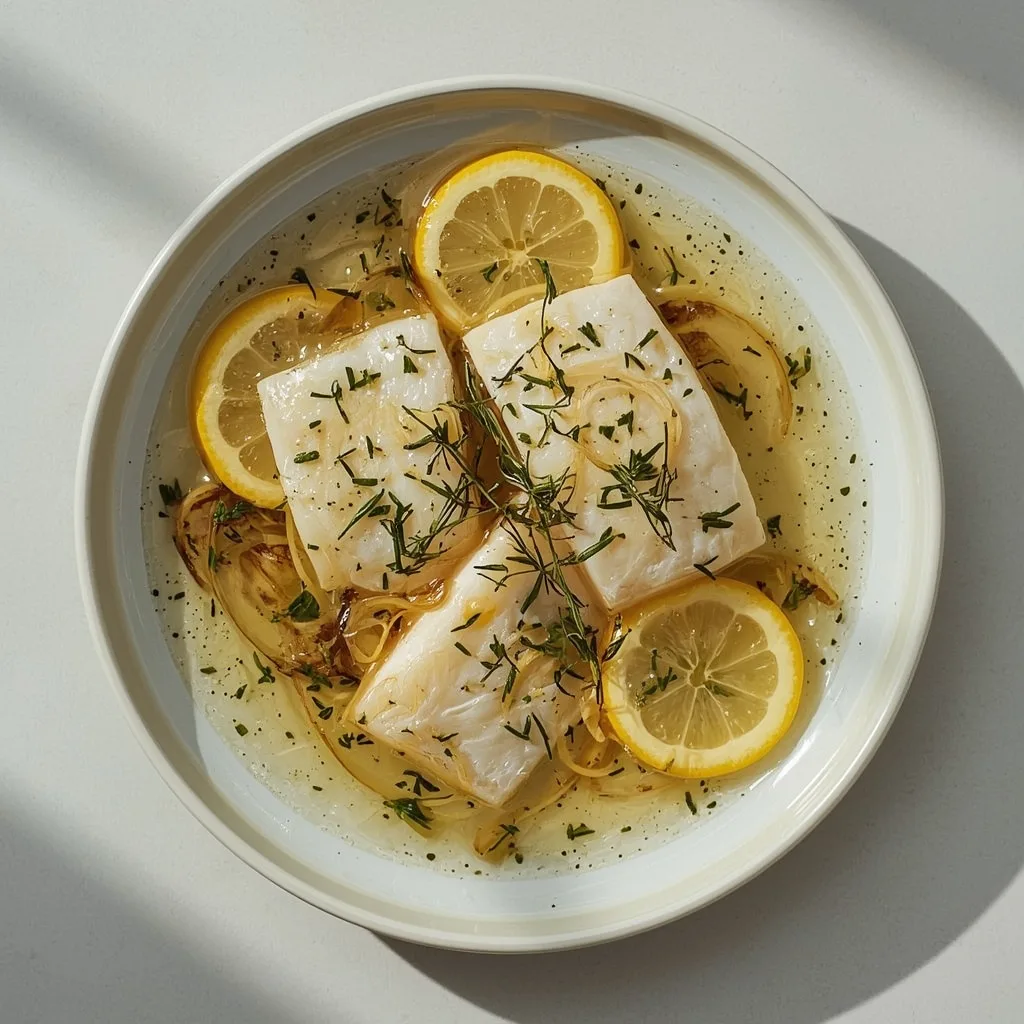
 Butter Poached Fish delivers tender, flaky fillets cooked gently in a rich bath of melted butter, shallot, lemon, and thyme. The low, slow method keeps the fish silky and moist, with a delicate finish that feels luxurious without being complicated.
This recipe takes about 25 minutes from start to finish and is beginner-friendly. The only tricky part is keeping the butter at a bare simmer — no bubbling — which takes a little attention but is easy to manage once you know what to look for.
Why You’ll Love Butter Poached Fish This Recipe
- The texture — Poaching in butter keeps the fish incredibly moist and flaky, never dry or tough.
- Simple ingredients — Just butter, shallot, lemon, thyme, and seasoning do the work here.
- Quick cook time — From prep to plate in under half an hour, with mostly hands-off cooking.
- Restaurant quality at home — This technique gives you a elegant main course with almost no fuss.
What Makes Butter Poached Fish Recipe Special
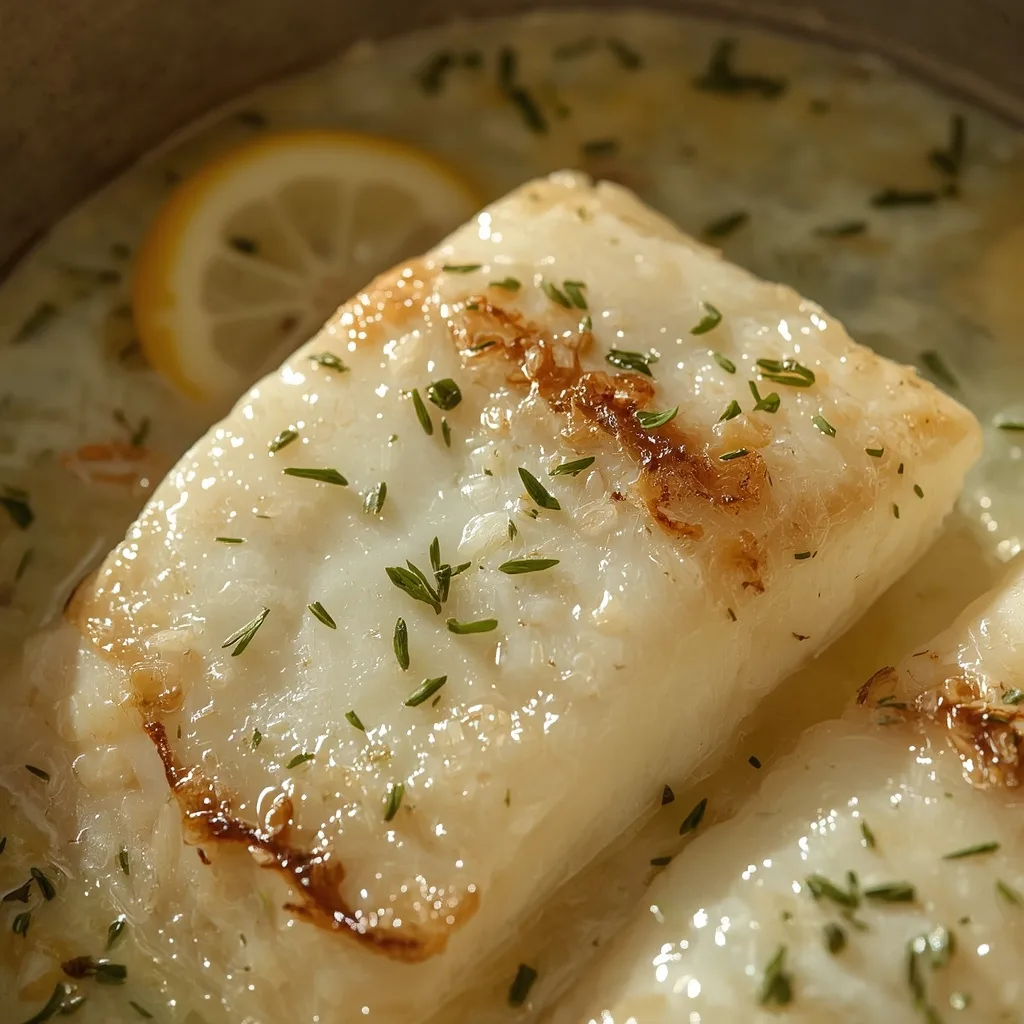
Gentle poaching in butter rather than water or oil gives the fish a unique richness and silky texture you cannot get any other way. The butter stays clear and golden, infusing the fillets with subtle shallot and lemon notes. The result is a dish that feels delicate and indulgent at the same time, perfect for a weeknight dinner or a special occasion.
Ingredients You’ll Need
Here is exactly what to grab from the store.
For the Fish
- 4 (6-ounce) skinless cod fillets, about 1½ pounds total, patted dry — Cod works beautifully because it holds its shape during gentle cooking. Patting dry ensures even seasoning and prevents excess moisture from diluting the butter.
- 1 teaspoon kosher salt, divided — Half seasons the fish directly, the rest seasons the poaching liquid.
- ¼ teaspoon white pepper — White pepper blends into the butter without leaving dark specks, keeping the dish visually clean.
For the Poaching Liquid
- 1 cup (2 sticks) unsalted butter, cut into 1-inch cubes — Unsalted butter lets you control the salt level. Cutting it into cubes helps it melt evenly over low heat.
- 1 shallot, thinly sliced — Shallot adds a mild, sweet onion flavor that does not overpower the fish.
- 1 lemon, zested and juiced (about 1 teaspoon zest, 2 tablespoons juice) — The zest infuses the butter during melting, while the juice adds brightness at the end.
- 2 sprigs fresh thyme — Thyme brings an earthy, herbal note that pairs naturally with fish.
For Garnish (Optional)
- Flaky sea salt and fresh dill — A sprinkle of crunchy salt and fresh dill finishes the dish with color and texture.
Equipment Needed
- Medium saucepan or deep 10-inch skillet — A wide, deep pan holds the fillets in a single layer and keeps them mostly submerged.
- Slotted spatula — A slotted spatula lifts the cooked fish out of the butter without breaking the delicate fillets.
- Instant-read thermometer — The most reliable way to check doneness without cutting into the fish.
- Paper towels — Essential for patting the fish dry before seasoning.
- Cutting board and chef’s knife — For slicing the shallot thinly and zesting the lemon.
Instructions to Prepare Butter Poached Fish
Follow these steps in order, and the fish will come out perfect every time.
- Season the fish — Pat the fillets dry with paper towels. Season both sides with ½ teaspoon kosher salt and the white pepper. Let the fish rest at room temperature for 10 minutes to take the chill off, which promotes gentle, even cooking.
- Melt the butter — In a medium saucepan or deep 10-inch skillet, combine the butter cubes, sliced shallot, lemon zest, and thyme sprigs. Place the pan over low heat and cook, stirring occasionally, until the butter is fully melted and fragrant, about 5 minutes. Do not let the butter bubble or brown — the goal is a clear, golden liquid.
- Add the lemon and remaining salt — Stir in the lemon juice and the remaining ½ teaspoon kosher salt. The acidity balances the richness and helps season the fish.
- Poach the fish — Carefully lower the seasoned fillets into the butter in a single layer, ensuring they are mostly submerged. If needed, add a few tablespoons of water or additional melted butter to cover the fish more fully. Maintain the heat at the barest simmer — you should see tiny bubbles rising from the bottom of the pan, not a vigorous surface bubble.
- Cook until done — Poach gently for 10 to 14 minutes, depending on thickness. After 8 minutes, begin checking by inserting a paring knife into the thickest part; the flesh should be opaque and flake easily with slight pressure. For precise doneness, use an instant-read thermometer inserted into the thickest part — the internal temperature should reach 140°F (60°C); carryover cooking will bring it to the safe target of 145°F (63°C). Avoid overcooking, which makes the fish dry and stringy.
- Serve immediately — Using a slotted spatula, carefully transfer the fillets to warmed plates or a serving platter. Discard the thyme sprigs from the butter. Spoon 2 to 3 tablespoons of the warm poaching butter over each fillet. Garnish with flaky sea salt and fresh dill sprigs if desired. Serve right away while the fish is hot and succulent.
Expert Tips for a Standout Butter Poached Fish
- Start with cold fish — Letting the fillets rest at room temperature for 10 minutes before cooking helps them cook evenly. Straight-from-the-fridge fish will seize up in the warm butter.
- Use a thermometer for the butter — Keep the butter temperature between 130°F and 140°F if you want to be precise. Too hot and the fish overcooks on the outside before the center is done.
- Pat the fish very dry — Any surface moisture will steam the fish instead of poaching it, and it will dilute the seasoned butter.
- Do not crowd the pan — The fillets need room to be mostly submerged in the butter. Overcrowding means uneven cooking and some fillets sitting above the liquid.
- Check thickness before cooking — If one fillet is much thicker than the others, cut it in half lengthwise so all pieces cook at the same rate.
- Reserve the poaching butter — Strain and chill the leftover butter after cooking. It is fantastic for sautéing vegetables, finishing roasted potatoes, or drizzling over grilled fish later in the week.
Common Mistakes to Avoid
- Letting the butter bubble — If the butter simmers vigorously, the fish will cook too fast and turn tough. Keep the heat low enough that only tiny wisps of steam rise.
- Skipping the rest step — Adding cold fish to warm butter shocks the fillets and leads to uneven cooking. A 10-minute rest on the counter makes a real difference.
- Overcooking by sight alone — Visual cues are helpful, but a thermometer is the only way to guarantee the fish hits 140°F internally without going past it.
- Using salted butter — Salted butter can make the final dish too salty, especially since you add kosher salt separately.
- Forgetting to warm the plates — Cold plates suck the heat right out of the fish. Warm them in a low oven or with hot water while the fish poaches.
Variations & Ways to Customize Butter Poached Fish
- Different fish — Halibut, sea bass, or snapper all work well with this method. Adjust cook time based on thickness.
- Herb swap — Replace thyme with fresh tarragon, rosemary, or dill for a different flavor profile.
- Citrus twist — Use orange or lime zest and juice instead of lemon for a brighter, less acidic finish.
- Spiced butter — Add a pinch of smoked paprika, coriander, or fennel seeds to the melting butter for an aromatic, warm note.
- Capers and olives — Stir a tablespoon of rinsed capers or chopped pitted olives into the butter just before serving for a briny contrast.
What to Serve With Butter Poached Fish
This dish pairs well with simple sides that let the buttery fish shine.
- Steamed asparagus or green beans — A crisp, green vegetable balances the richness of the butter.
- Rice pilaf or herbed couscous — Light grains soak up the extra poaching butter beautifully.
- Crusty bread — A baguette or sourdough slice is perfect for mopping up every last drop of the golden butter.
- Simple green salad with lemon vinaigrette — The acidity cuts through the butter and refreshes the palate.
- Roasted fingerling potatoes — Crispy on the outside, creamy inside — a classic partner for buttery fish.
- A glass of dry white wine — Sauvignon Blanc or Chardonnay complements the lemon and thyme notes.
Make-Ahead Instructions
- Season the fish in advance — Pat the fillets dry, season with salt and white pepper, and refrigerate uncovered for up to 4 hours. Take them out 10 minutes before cooking to come to room temperature.
- Pre-slice the shallot and zest the lemon — Store both in separate airtight containers in the fridge for up to 2 days. This saves about 5 minutes on cooking day.
- Cube the butter — Cut the butter into 1-inch cubes and keep them refrigerated until you are ready to melt them. Cubed butter melts faster and more evenly than whole sticks.
- Make the poaching butter base — Melt the butter with shallot, zest, and thyme, then cool and refrigerate for up to 3 days. Reheat gently over low heat before adding the fish.
Storage and Reheating
Storage
- Refrigerator — Place leftover fish in an airtight container and refrigerate for up to 2 days. The fish will lose some moisture but remain pleasant if reheated gently.
- Freezer — Freezing is not recommended for poached fish. The texture turns mealy and watery upon thawing.
- Poaching butter — Strain the leftover butter through a fine-mesh sieve into a jar. Refrigerate for up to 1 week, or freeze for up to 3 months. Use it to sauté vegetables, finish roasted chicken, or drizzle over steamed potatoes.
Reheating
- Oven — Place the fish in a low oven at 250°F (120°C) covered with foil for about 8 minutes. This gentle heat warms the fish without drying it out.
- Stovetop — Warm a little reserved butter in a skillet over low heat. Add the fish, turn once, and cook just until heated through, about 3 minutes total. Do not overcook.
- Microwave — Avoid the microwave entirely. It will toughen the fish and turn the texture rubbery in seconds.
Nutritional Breakdown (Per Serving)
Based on 1 serving = 1 fillet plus 2 to 3 tablespoons of poaching butter.
- Calories: 547
- Protein: around 29g
- Fat: 47g
- Carbohydrates: 0g
- Fiber: 0g
- Sugar: about 0g
- Sodium: roughly 430mg
Frequently Asked Questions
Can I use frozen fish for Butter Poached Fish?
Yes, but thaw it completely in the refrigerator overnight first. Pat it very dry before seasoning, because frozen fish releases more moisture as it thaws. The rest step at room temperature still applies.
How long does Butter Poached Fish last in the fridge?
Store leftovers in an airtight container for up to 2 days. The texture is best on day one, but it is still enjoyable the next day if reheated gently in the oven or stovetop.
Can I make Butter Poached Fish with a different type of butter?
Salted butter works if you reduce or skip the added kosher salt. Clarified butter (ghee) also works and has a higher smoke point, but it will lack the milk solids that give the poaching liquid its silky richness.
What temperature should the butter be for poaching?
Aim for a bare simmer — around 130°F to 140°F. You should see tiny bubbles rising from the bottom of the pan, but the surface should not be actively bubbling. A thermometer is the most reliable way to check.
Can I reuse the poaching butter?
Absolutely. Strain it through a fine-mesh sieve to remove solids, then refrigerate for up to 1 week or freeze for up to 3 months. Use it to sauté vegetables, finish roasted potatoes, or drizzle over grilled fish.
Is Butter Poached Fish healthy?
It is richer than steamed or grilled fish due to the butter, but cod is lean and high in protein. One serving of this recipe provides around 29g of protein and 547 calories. For a lighter version, use only 1 to 2 tablespoons of the poaching butter per serving instead of the full amount.
Final Words
Butter Poached Fish is one of those techniques that looks impressive but requires very little actual effort. The key is patience with the heat and a good thermometer. Once you try it, you will see why this gentle method produces the most tender, flavorful fish you have ever made at home.
More recipes
PrintButter Poached Fish
Tender, flaky fish fillets gently cooked in a luxurious bath of melted butter and aromatic shallot, lemon, and thyme. The low, slow poaching method ensures the fish remains silky and moist with a delicate, buttery finish.
- Prep Time: 10
- Cook Time: 15
- Total Time: 25
- Yield: 4 1x
- Category: Main Course
- Method: Stovetop
- Cuisine: French
Ingredients
- 4 (6-ounce) skinless cod fillets, about 1½ pounds total, patted dry
- 1 teaspoon kosher salt, divided
- ¼ teaspoon white pepper
- 1 cup (2 sticks) unsalted butter, cut into 1-inch cubes
- 1 shallot, thinly sliced
- 1 lemon, zested and juiced (about 1 teaspoon zest, 2 tablespoons juice)
- 2 sprigs fresh thyme
- Flaky sea salt and fresh dill for garnish (optional)
Instructions
- Pat the fish fillets dry with paper towels to ensure even seasoning and prevent excess moisture. Season both sides with ½ teaspoon of the kosher salt and the white pepper. Let the fish rest at room temperature for 10 minutes to take the chill off, which promotes gentle, even cooking.
- In a medium saucepan or deep 10-inch skillet, combine the butter cubes, sliced shallot, lemon zest, and thyme sprigs. Place the pan over low heat and cook, stirring occasionally, until the butter is fully melted and the mixture becomes fragrant, about 5 minutes. Do not let the butter bubble or brown — the goal is a clear, golden liquid.
- Add the lemon juice and the remaining ½ teaspoon kosher salt to the melted butter. Stir gently to combine. The acidity from the lemon balances the richness and helps season the fish.
- Carefully lower the seasoned fish fillets into the butter in a single layer, ensuring they are mostly submerged. If needed, add a few tablespoons of water or additional melted butter to cover the fish more fully. Maintain the heat at the barest simmer — you should see tiny bubbles rising from the bottom of the pan, not a vigorous surface bubble.
- Poach the fish gently for 10 to 14 minutes, depending on the thickness of the fillets. After 8 minutes, begin checking doneness by inserting a paring knife into the thickest part; the flesh should be opaque and flake easily with slight pressure.
- For precise doneness, use an instant-read thermometer inserted into the thickest part of a fillet. The internal temperature should reach 140°F (60°C) — carryover cooking will bring it to the safe target of 145°F (63°C). Avoid overcooking, which will make the fish dry and stringy.
- Using a slotted spatula, carefully transfer the poached fish fillets to warmed plates or a serving platter. Discard the thyme sprigs from the butter.
- Spoon 2 to 3 tablespoons of the warm poaching butter over each fillet. Garnish with a pinch of flaky sea salt and fresh dill sprigs. Serve immediately while the fish is hot and succulent.
Notes
Store leftover fish in an airtight container in the refrigerator for up to 2 days. The poaching butter can be strained and chilled for up to 1 week; use it to sauté vegetables or finish other dishes. To reheat, place the fish in a low oven at 250°F (120°C) covered with foil for about 8 minutes, or gently warm in a skillet with a little reserved butter over low heat, turning once, just until heated through. Do not microwave, as it will toughen the fish.
Nutrition
- Calories: 547
- Sugar: 0g
- Sodium: 430mg
- Saturated Fat: 29g
- Carbohydrates: 0g
- Fiber: 0g
- Protein: 29g
- Cholesterol: 218mg
Keywords: butter poached fish, poached fish recipe, French fish dish, cod recipe, halibut recipe, delicate fish, low carb dinner, elegant seafood, dinner party recipe, stovetop fish